
Our membership structure changed during 2026 in accordance with our revised Charter. Details of our current membership are provided below, listed by alphabetical order of first names. Click on images or the highlighted links for more information about each member – and see also here how we deliver on the UN-led Sustainable Development Goals. Past members are listed on our past membership page. If you are interested in joining the Collective please read the Charter and follow the guidance in the Annex, or contact members of the Collective’s leadership team.
Leadership
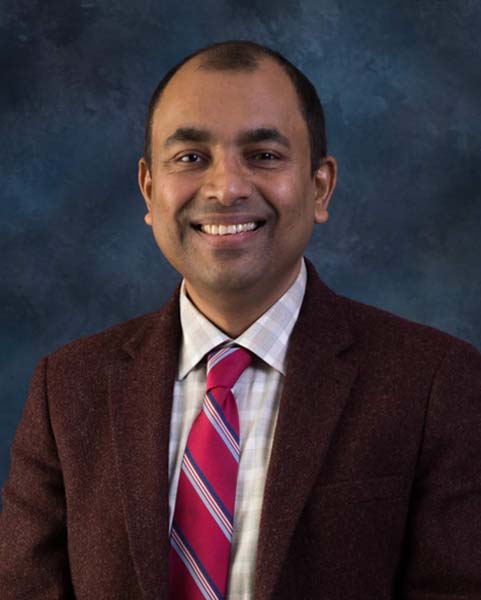
Professor G. ‘Hari’ Harindranath is a Professor of Information Systems in the Business School at Royal Holloway, University of London, and his research centres on the societal implications of digital technologies, responsible digital, and digital for development (ICT4D). His current work focuses on the digital practices of vulnerable groups such as labour migrants, and the responsible use of digital tech in the context of labour migration governance. He led the work package on ‘Technology, Inequality and Migration’ for the five-year (2019-2024, £20 million), UK government funded, UKRI GCRF South-South Migration, Inequality and Development Hub (overall lead Coventry University).
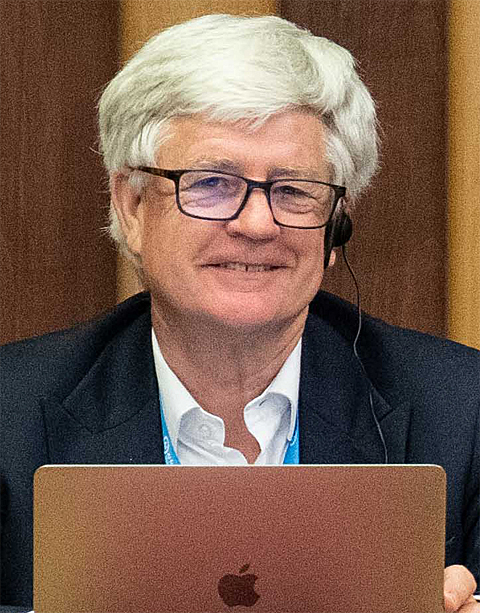
Tim Unwin was the Founder (in 2004) and currently serves as the Catalyst of the ICT4D Collective, and is Emeritus Professor of Geography at Royal Holloway, University of London. Born in 1955, he is a British (and Irish) academic and public figure, specialising in the uses of digital technology by the world’s poorest and most marginalised peoples. Trained as a geographer, he believes in crossing boundaries between disciplines and sectors, as well as in the importance of international understanding between peoples and governments. His latest book, Digital Inclusion in an Unequal World: an Emancipatory Manifesto was published by Routledge in 2026.
Membership
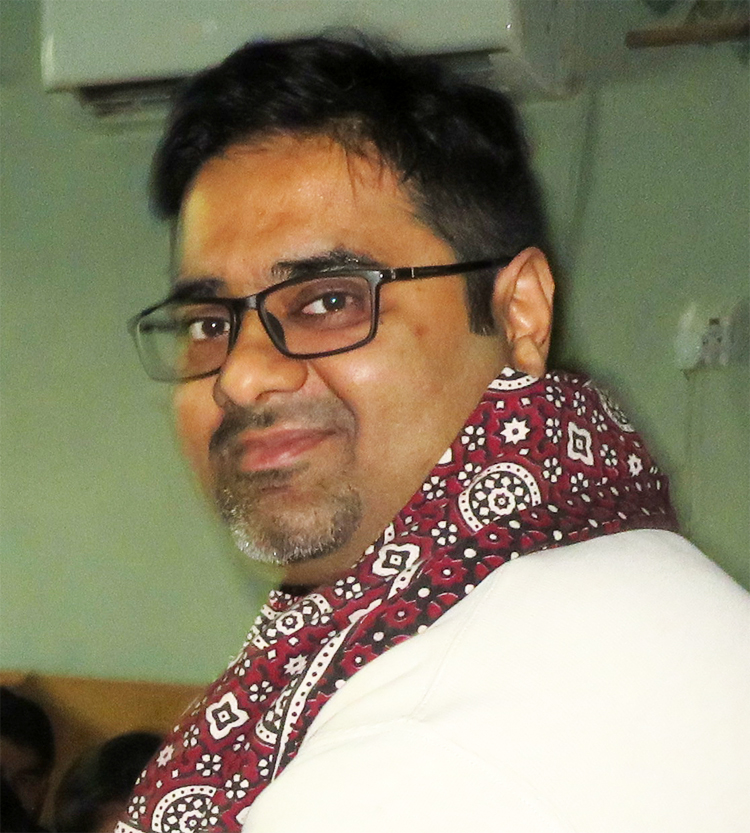
Dr. Akber Gardezi is the Head of Data and AI at Mobiz, where he leads a team of talented data scientists and engineers who are unleashing the potential of AI in data handling and analytics, making it more secure and robust for large-scale infrastructures and automation. Formerly he was team lead at COMSATS for research on Detection and Recognition for Evolutionary Robotics. He is interested in a wide range of ICT4D activities in Pakistan, and is leading an initiative on advocacy, policy making and the development of novel technologies for people with disabilities
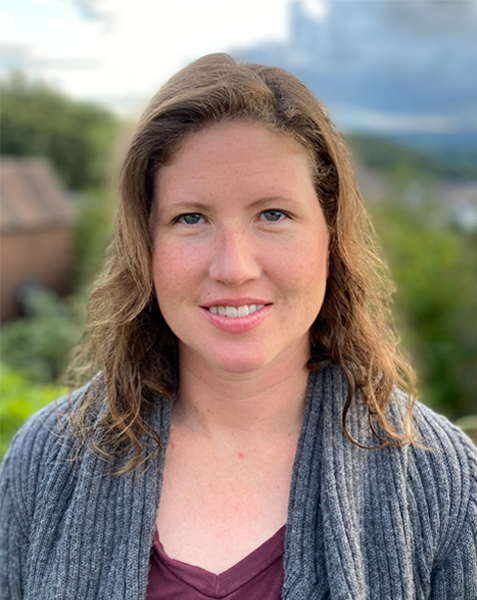
Dr. Caitlin Bentley is shaping the future of responsible AI through education. She is a member of the Delivery Team on the UKRI Responsible Artificial Intelligence UK (RAI UK) programme. Previously, she served on the UKRI Trustworthy Autonomous Hub Skills Committee, Syllabus Lab, and EDI working group.As a co-director of the UKRI Safe and Trusted AI Centre for Doctoral Training, and ex officio member of MASSPeople, the first international working group establishing competency frameworks and standards for remote and autonomously enabled marine surface vessel operators, Caitlin contributes to initiatives that nurture the next generation of experts in safe and trusted AI, promoting responsible innovation and ethical practices.
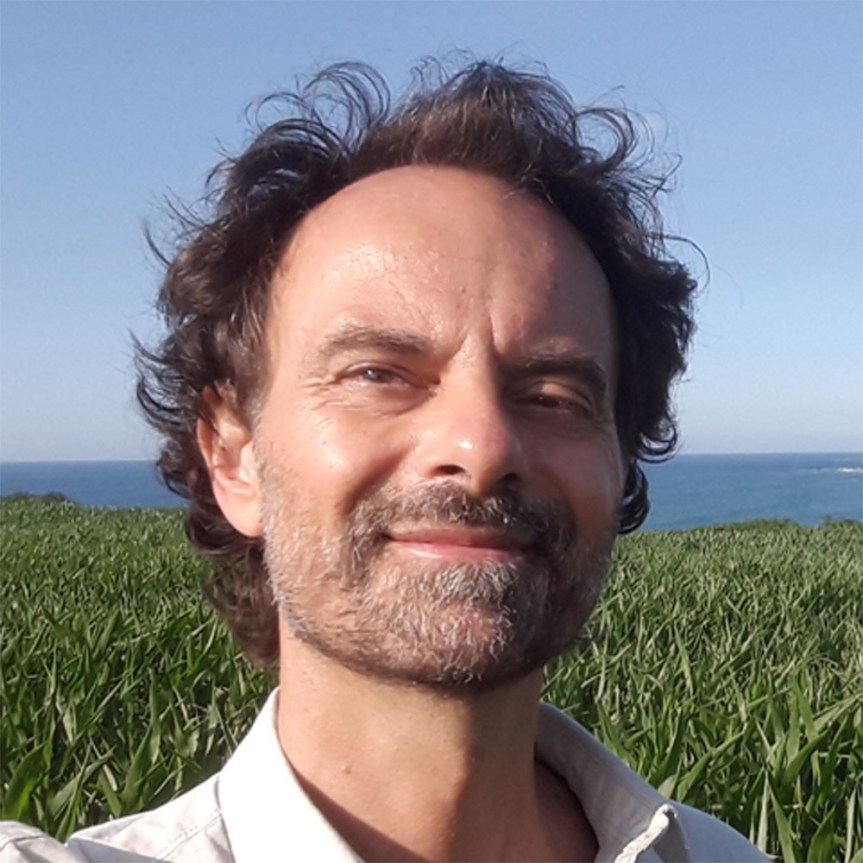
Dr. Domenico Fiormonte is a Lecturer in the Sociology of Communication and Culture at the Department of Humanities at the University of Roma Tre, Italy. In 1992 he founded an electronic archive of contemporary literary authors, which was launched online in 1996 as the Digital Variants Archive, and he has been researching and teaching widely in the field of Digital Humanities since 1995. In 1998 he founded a seminar series on the “Computer, literature and philology” (Edinburgh 1998, Rome 1999, Alicante 2000, Duisburg 2001, Albacete 2002, Florence 2003, London 2006). Between 2007 and 2009 he coordinated the Roma Tre research unit of the national research network “Content Organization, Propagation, Evaluation and Reuse through Active Repositories”.
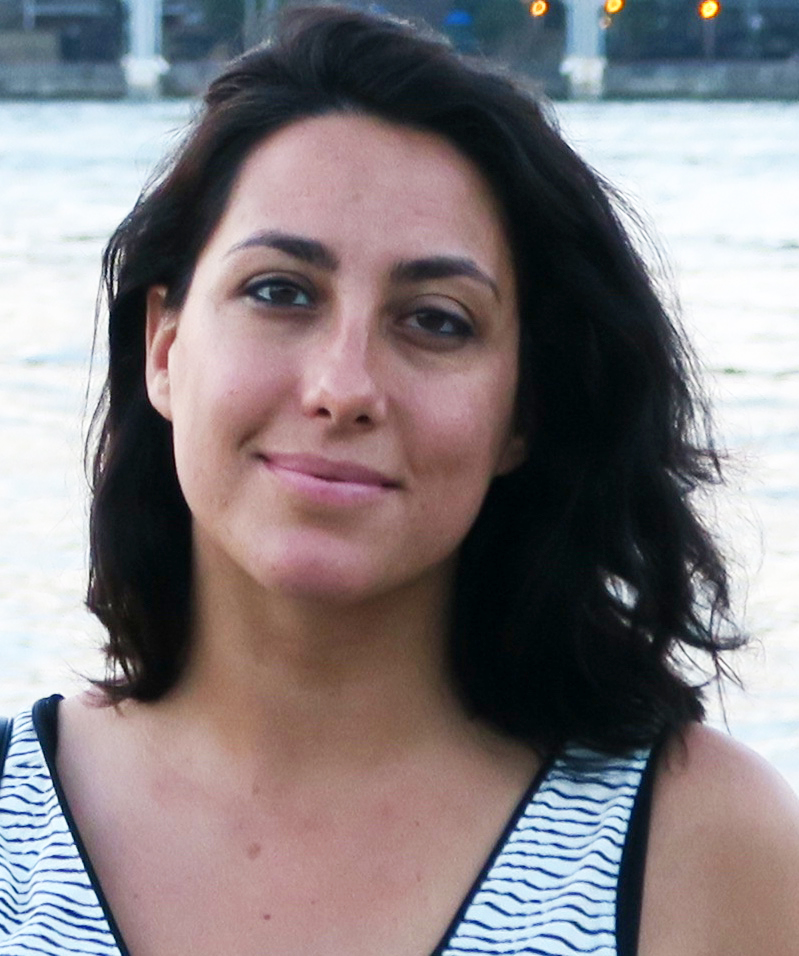
Prof. Elizabeth Quaglia is Director of Post-Graduate Research Education in the School of Engineering, Physical and Mathematical Sciences and a Professor in the Information Security Group at Royal Holloway, University of London, an EPSRC Fellow with an EPSRC Open Fellowship (2026-2030), and an Emmy Noether Fellow (2025-2026). Her research focuses on public-key cryptography, including identity-based and attribute-based encryption, digital signatures and key exchange protocols.
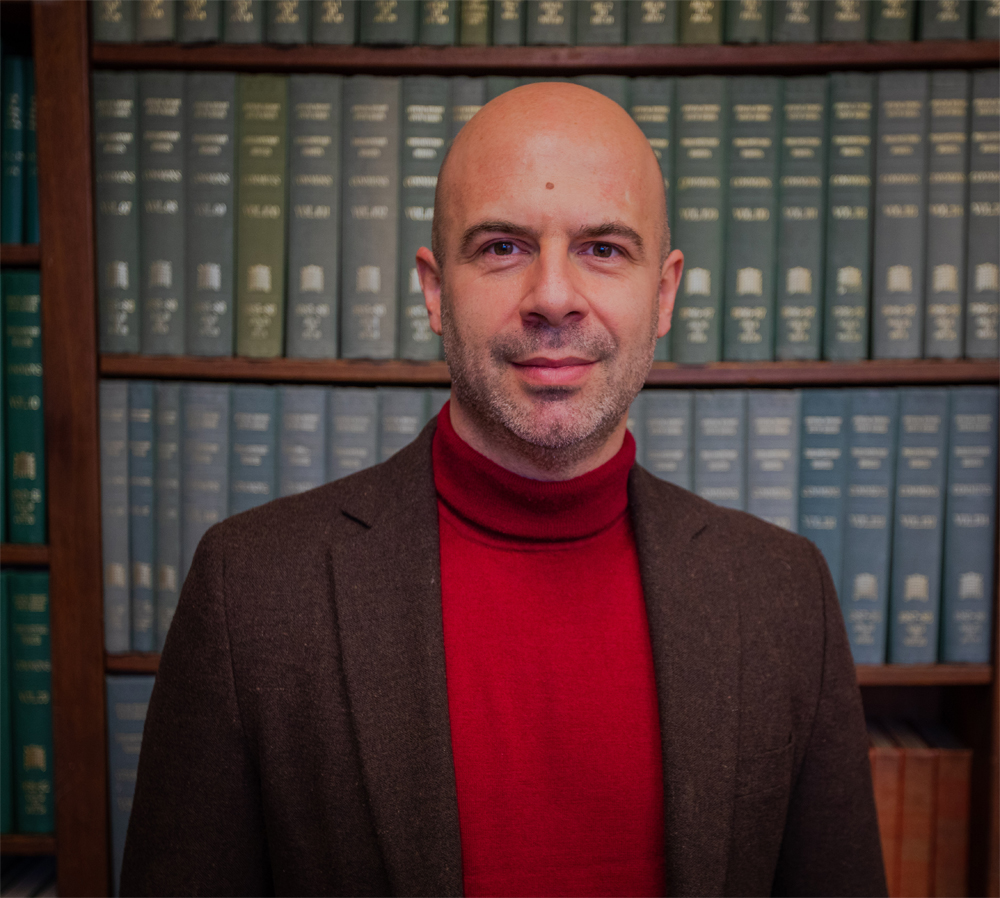
Dr Endrit Kromidha is an Associate Professor in Entrepreneurship and Innovation. His research interests relate to entrepreneurship and innovation ecosystems and policy for development. He has received grants from prestigious institutions such as EPSRC and the British Council. Endrit has been the Vice-President for Policy and Practice and is the Editor in Chief of the Entrepreneurship Policy and Practice Insights with at the Institute for Small Business and Entrepreneurship. He is also certified Project Management Professional (PMP) by the Project Management Institute and a Fellow of Advance Higher Education Academy in the UK.

Dr. Heloisa Melino is a lawyer and legal scholar, and Executive Director of Casa Resistências (Coletiva Resistência Lésbica da Maré), a lesbian-feminist organisation in the Maré favela complex of Rio de Janeiro. Her research and practice sit at the intersection of ICT4D, gender and LGBTI+ rights, and digital security, from a Latin American decolonial perspective. In 2024 and 2025 she was the Collective’s local social impact partner in Brazil to co-design the Brazilian version of the Collective’s training materials on the safe, wise and secure use of digital technologies and delivering workshops based on it in Rio de Janeiro. She is also an Associate Researcher at the University of Dundee.
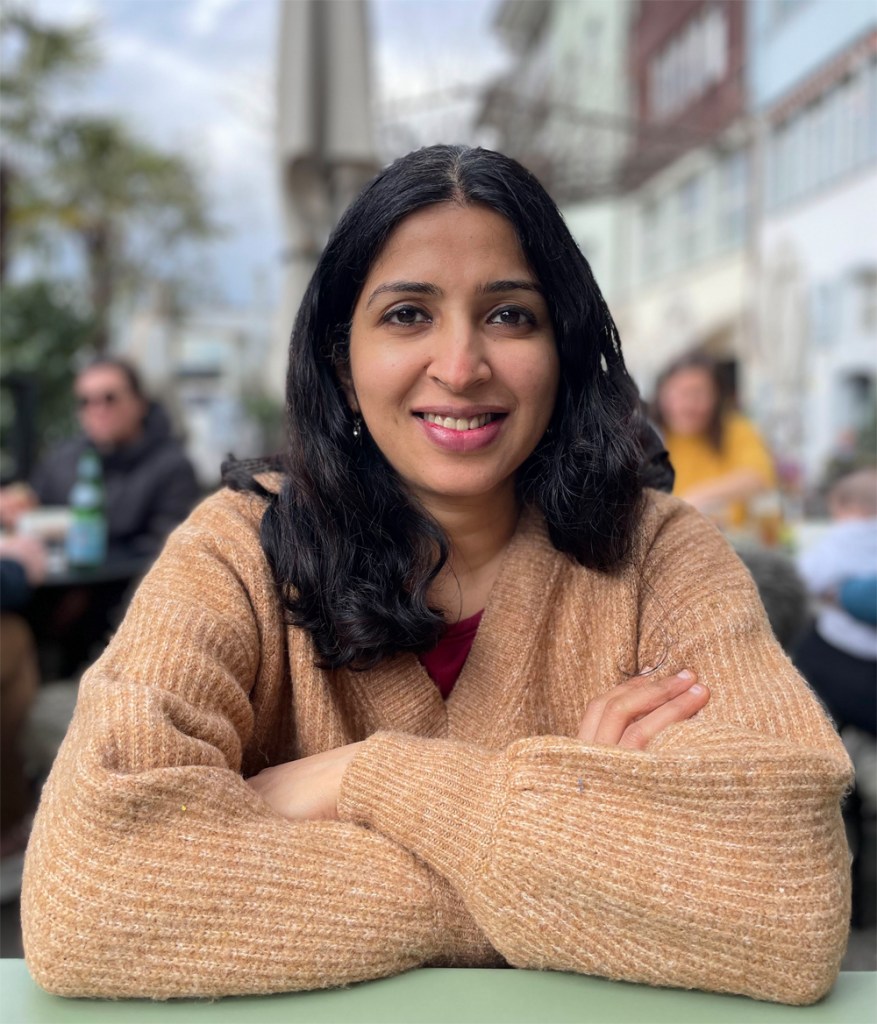
Janani Sridharan is a consultant and facilitator working on technology, governance and social impact. With experience spanning grassroots activism, government programmes, social accountability initiatives and international NGOs, she is particularly interested in how technology can strengthen participation, learning and public value. Her current work focuses on technology audits, AI readiness and digital strategy for non-profits and foundations. Based in Basel, Switzerland, she is the founder of AI Circle Basel and regularly convenes conversations on technology, democracy and public-interest innovation. Links to her writings and music can be found here.
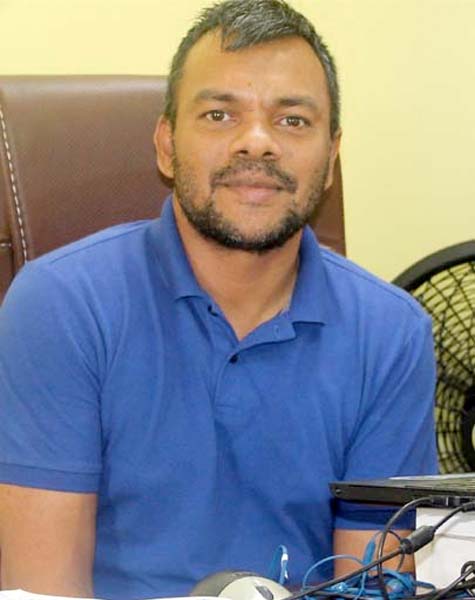
Dr. Lenandlar Singh’s research focuses on learning technologies and ICTs in education, social networks in higher education, mobile learning, and the learning of computer programming by novices. He was Head of the Department of Computer Science (University of Guyana) from 2012-2016. He served previously as Chief Examiner of Information Technology at the Caribbean Examinations Council’s CAPE Examinations. He’s also a former Executive Director on the Board of Directors of the National Data Management Authority (NDMA) in Guyana.
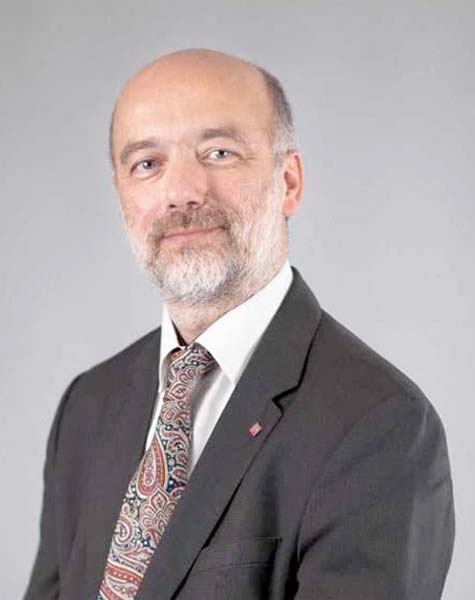
Lorenzo Cantoni graduated in Philosophy and holds a PhD in Education and Linguistics. He is full professor at USI – Università della Svizzera italiana (Lugano, Switzerland), Faculty of Communication, Culture and Society, where he is director of the Institute of Digital Technologies for Communication.His research interests are where communication, education and new media overlap, ranging from computer mediated communication to usability, from eLearning to eTourism and digital Fashion, from ICT4D to eGovernment. He is chair-holder of the UNESCO chair in ICT to develop and promote sustainable tourism in World Heritage Sites, established at USI in 2013, and board member of WHES – World Heritage Experience Switzerland.
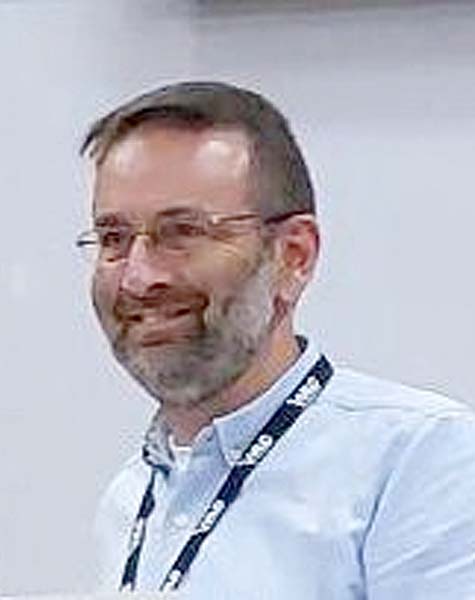
Dr. Marco Zennaro coordinates the Telecommunications/ICT4D Laboratory at The Abdus Salam International Centre for Theoretical Physics. He received his PhD from the KTH-Royal Institute of Technology, Stockholm, with a thesis on Wireless Sensors for Development. He is a Visiting Professor at Kobe Institute of Computing, Japan
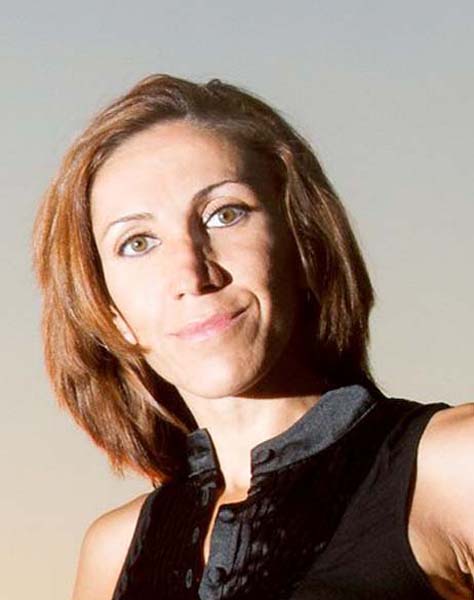
Dr. Maria Rosa Lorini is a researcher and project management practitioner. She has worked primarily on digital technologies and migration as part of the WP9 team contributing to the Migration for Development and Equality (MIDEQ) initiative facilitating migrants and digital tech experts to develop solutions together that can be used to reduce inequalities.
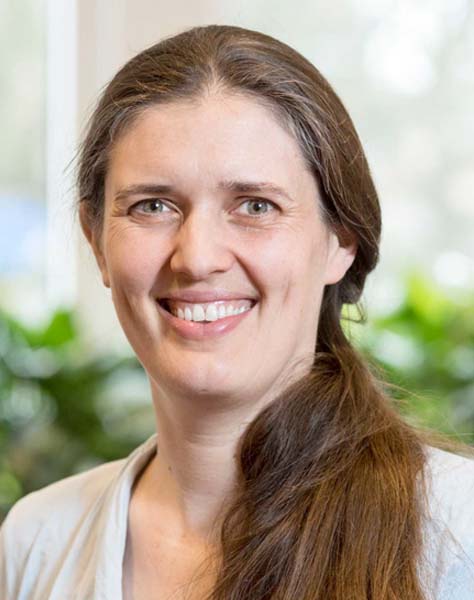
Dr. Marije Geldof currently works as an independent consultant in the area of ICT4D and mobile health based out of Malawi. Previously she worked as project officer at the International Institute of Social Studies in the Hague and as Country Director for D-tree International in Malawi, developing innovative mobile phone applications for health workers. Marije holds a MSc in Artificial Intelligence and a PhD in ICT4D from Royal Holloway, University of London, which explored the role of ICTs in the lives of low-literate youth in Ethiopia and Malawi.
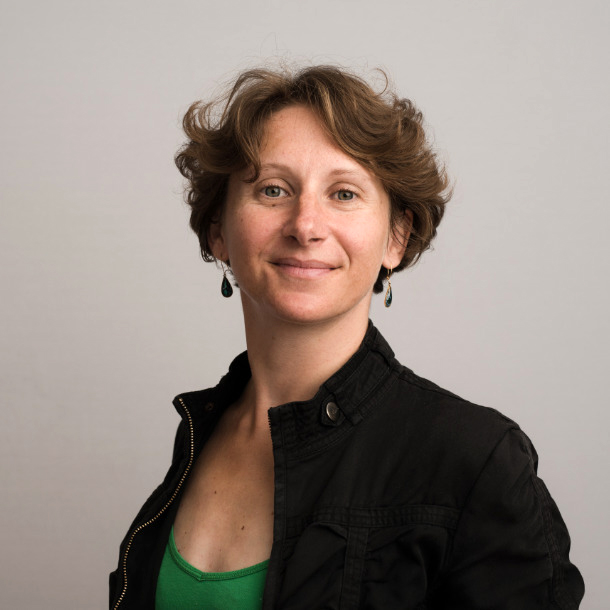
Nolwenn Germain is Founder and Managing Director of HAIDO, supporting startups, SMEs, large organisations and public institutions through technological, economic, social and ecological transitions. Her work sits at the intersection of innovation, digital transformation, sustainability and organisational change, translating complex transitions into ambitious strategies, actionable programmes and new ways of working aligned with the Sustainable Development Goals. A member of ARCEP’s Scientific Committee, she contributes to reflections on the future of networks and technology.

Paul Spiesberger has been the chairman of ICT4D.at since 2014 and in his spare time enjoys using his skills for the common good. He graduated as a computer scientist with a focus on media informatics from the Vienna University of Technology, where he is currently also doing his PhD. He works with INSO (the Research Group for Industrial Software) as a researcher and lecturer in the field of mobile technologies and ICT4D. He is currently employed as a software developer for mobile technologies within a fast growing Austrian company. He has won several national and international awards for his innovative work at Os – a collective to tackle social issues through the use of ICTs.
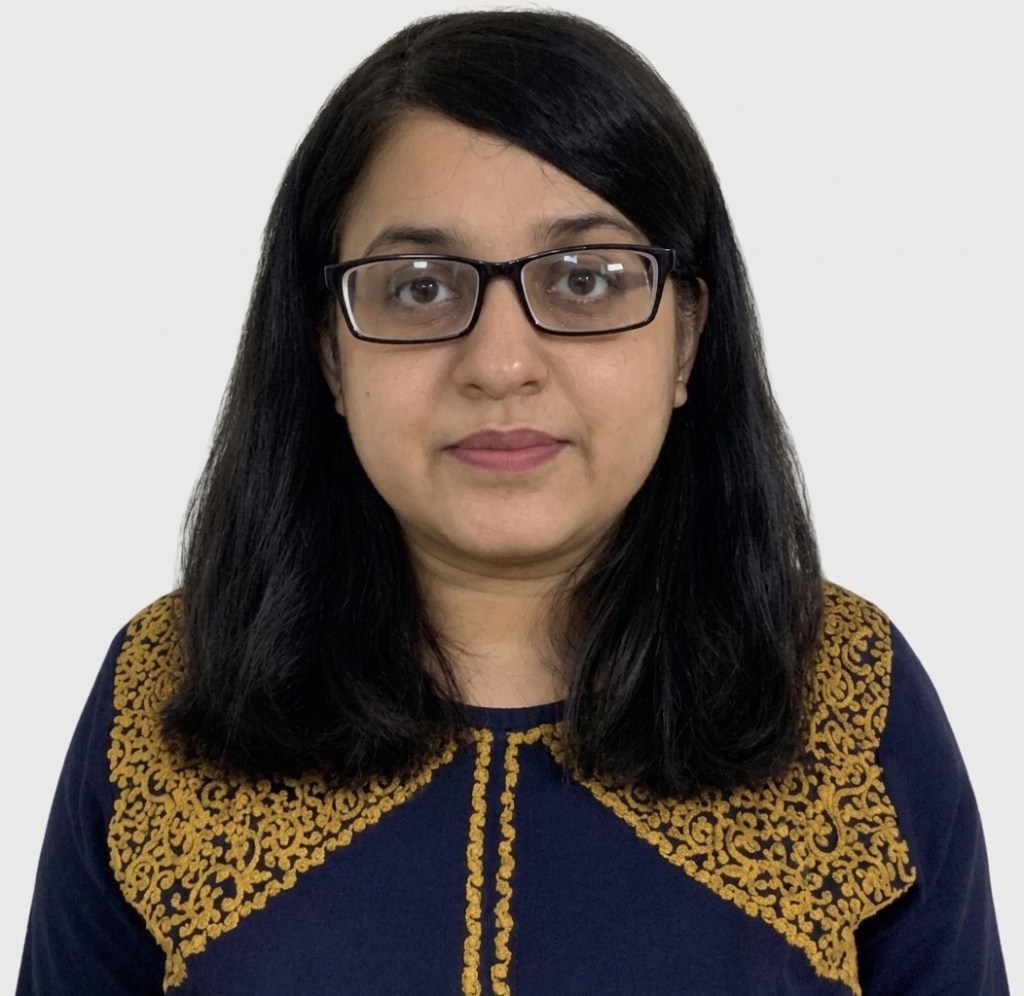
Dr. Tahmina Khan Tithi is an Assistant Professor of Management Information Systems (MIS) at the University of Asia Pacific, Bangladesh, and a Visiting Lecturer at the University of Hertfordshire, UK. Before joining academia, she worked with international development organisations, including Oxfam and BRAC, in ICT4D research and intervention projects. She holds a Master’s in Sustainable Development from the University of Sussex and a PhD in Management from Royal Holloway, University of London.
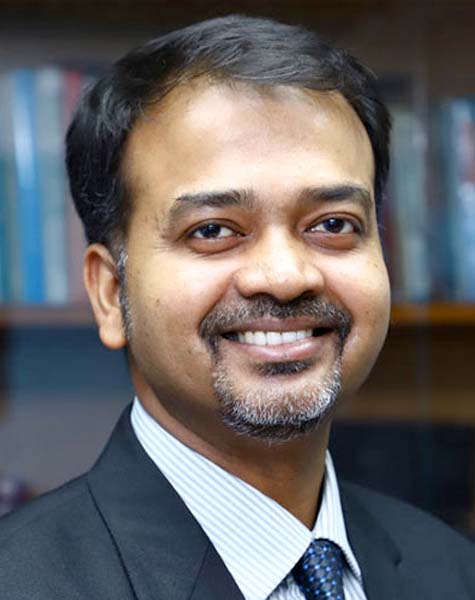
Professor Vigneswara Ilavarasan is Head of the Department of Management Studies, Indian Institute of Technology Delhi, Indiam and researches and teaches about production and consumption of ICTs, with a special focus on India and development. His current research interests focus on the growth of urban microenterprises and smartphones; broadband access in rural areas; shared economy; and social media analytics. He has been a Visiting Research Fellow at the United Nations University Computing and Society Institute (Macau), and is a recipient of the Outstanding Young Faculty Fellowship Award at IIT Delhi and the Prof. M.N. Srinivas Memorial Prize of the Indian Sociological Society.

