
Our recent research-practice in South Africa began in 2019 as part of the MIDEQ initiative funded mainly by UKRI GCRF, with full details of our engagement in MIDEQ being available on our Migration and Digital Tech page. The South African element of this work until 2024 was mainly led by Dr. Maria Rosa Lorini, under the oversight of Prof G. “Hari” Harindranath and Tim Unwin, who have also been especially involved in taking this work forward subsequently. Our original work with migrants and refugees in South Africa and alongside focused on their wish to gain expertise in producing videos using basic digital equipment and on the safe, wise and secure use of digital tech. Much of this was conducted through and with the assistance of the many civil society organisations with which we engaged. Our activities, outputs and outcomes are summarised below beginning with the most recent and finishing with our initial activities.
Quick links to posts elsewhere on our site are provided below:
- Research practice since MIDEQ
- Research practice undertaken as part of MIDEQ (2019-2024)
- Documentary based on our work in South Africa: Through Their Eyes
- Launches of our MIDEQ WP9 interventions in South Africa (January 2023)
- Migrants’ reflections on working with us in South Africa
- Initial migrant perspectives on video training in South Africa
- Advanced migrant videos from South Africa
- Initial migrant videos from South Africa
Digital Awareness, Empowerment and Storytelling training programme 2026
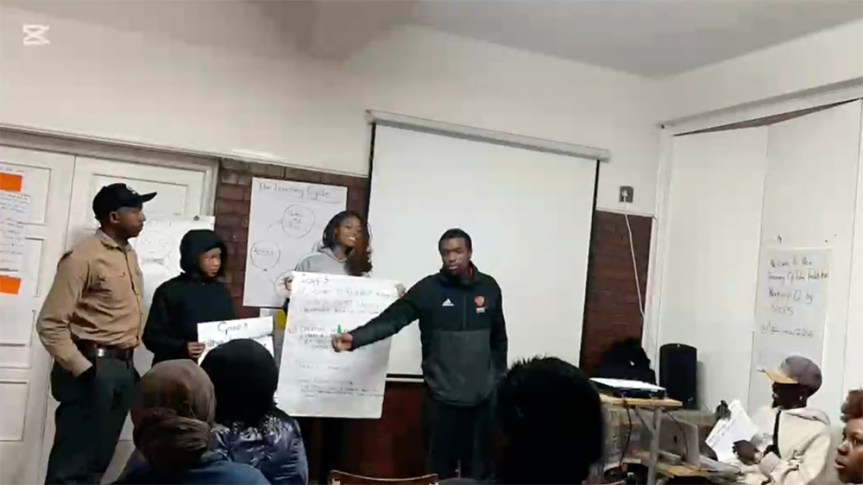
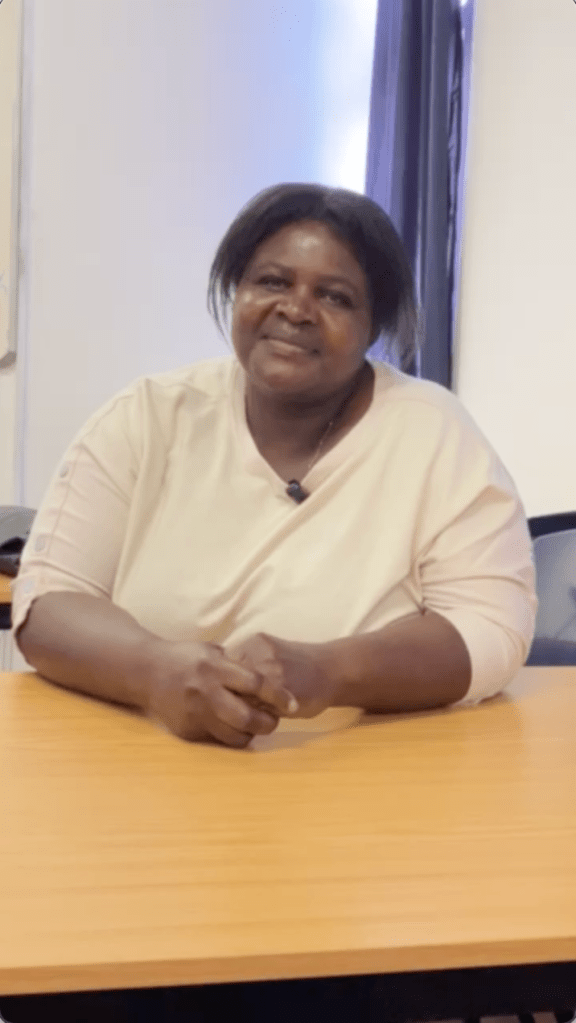
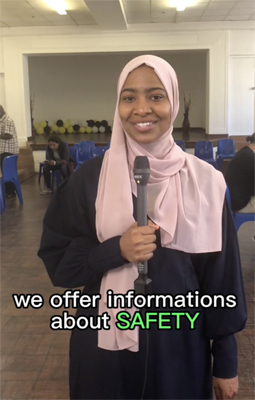
In order to enhance our continued impact with and through partner organisations, Prof G. “Hari” Harindranath gained additional Impact Support funding from Royal Holloway, University of London in 2026 to support collaboration with the Scalabrini Institute for Human Mobility in Africa (SIHMA), in Cape Town aimed at addressing critical digital literacy challenges affecting migrants, asylum seekers and refugees in South Africa, focusing especially on training about the safe, wise and secure use of digital tech. A very important part of this was to explore with the trainees how they feel they benefitted from the training, and what use they will make of it in the future. The image below taken from a video of their feedback summarises how enthusiastic they all were!
The training was delivered under difficult circumstances as it coincided with a period of acute national tension around migration and anti-immigrant violence in South Africa during the last week of June 2026. It was therefore compressed into five days rather than the six originally planned and due to safety concerns it was attended by 12 migrants rather than the 20 who had initially signed up. However, the project was still able to deliver important outcomes for those who participated and helped extend and sustain the legacy of our digital intervention work with migrants in South Africa and with SIHMA. Participant testimonials (watch the videos Introspection and Thank you) attest to improved technical digital and video storytelling skills acquisition, growth in confidence and self-awareness, better understanding of online consent and safety awareness.
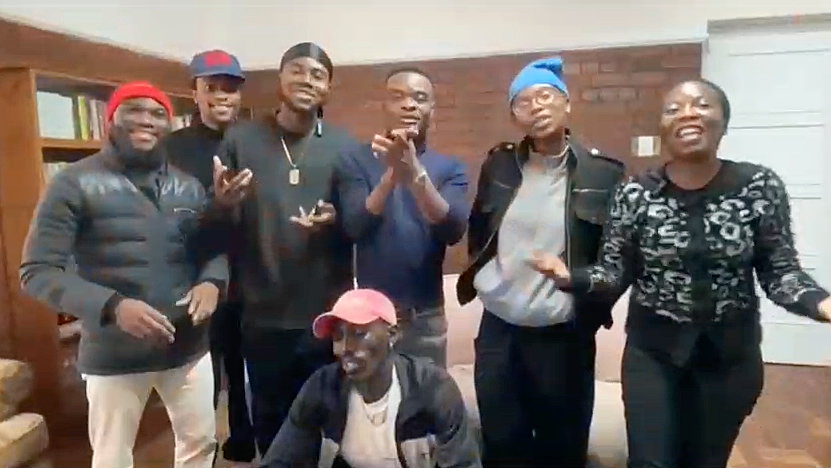
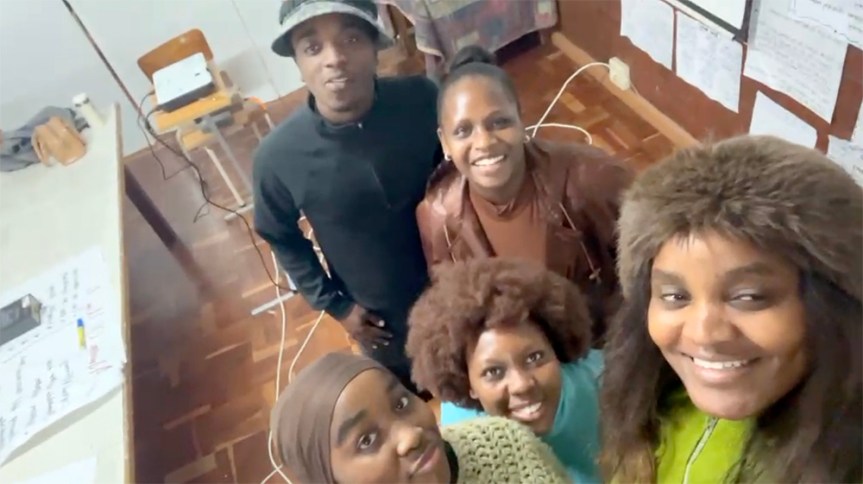
In addition, this project also helped reconnect the participants with some of the migrants we had originally worked with during the MIDEQ project, facilitating continued community engagement and advocacy with institutional support from SIHMA. Their reflections on our ongoing work provide a very important source of understanding about the impact such initiatives can have, particularly when it is appreciated that everyone trained will then go on and share their new knowledge with their families, friends and peers. Their pride in their certificates certainly shows on their faces!
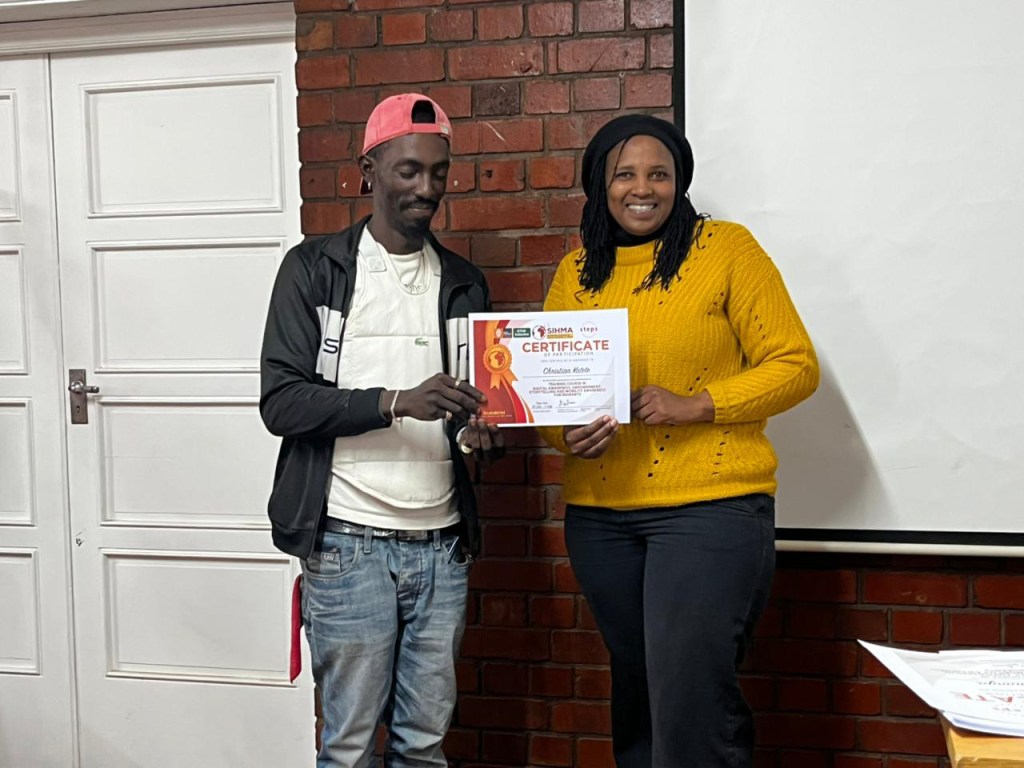
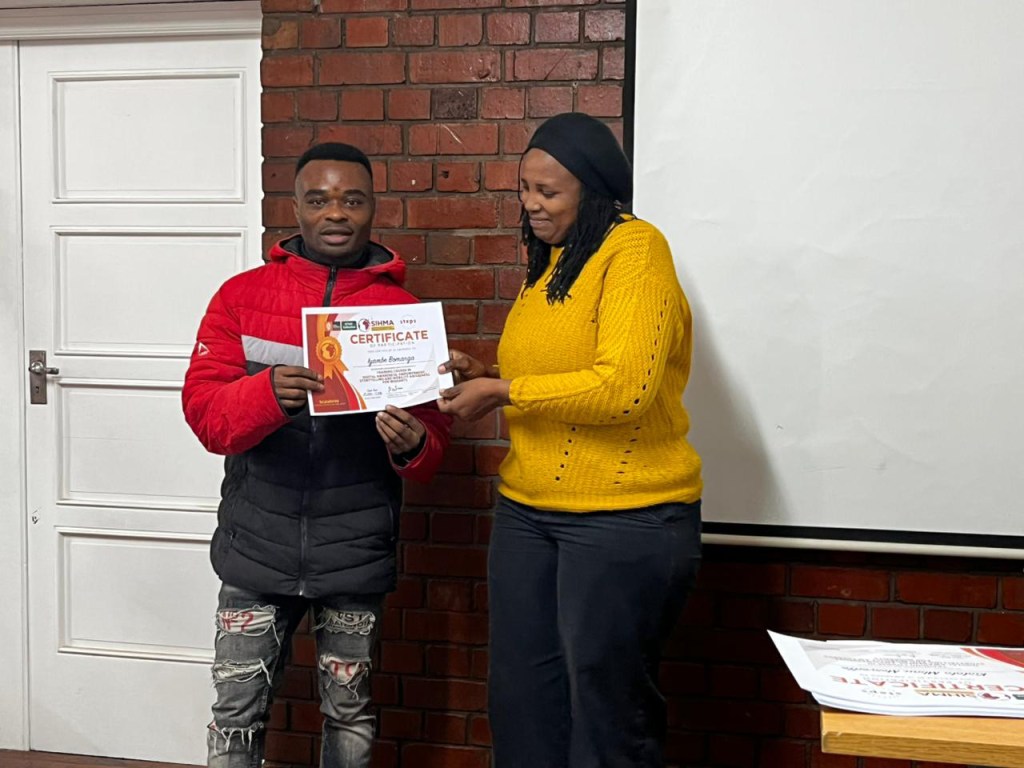
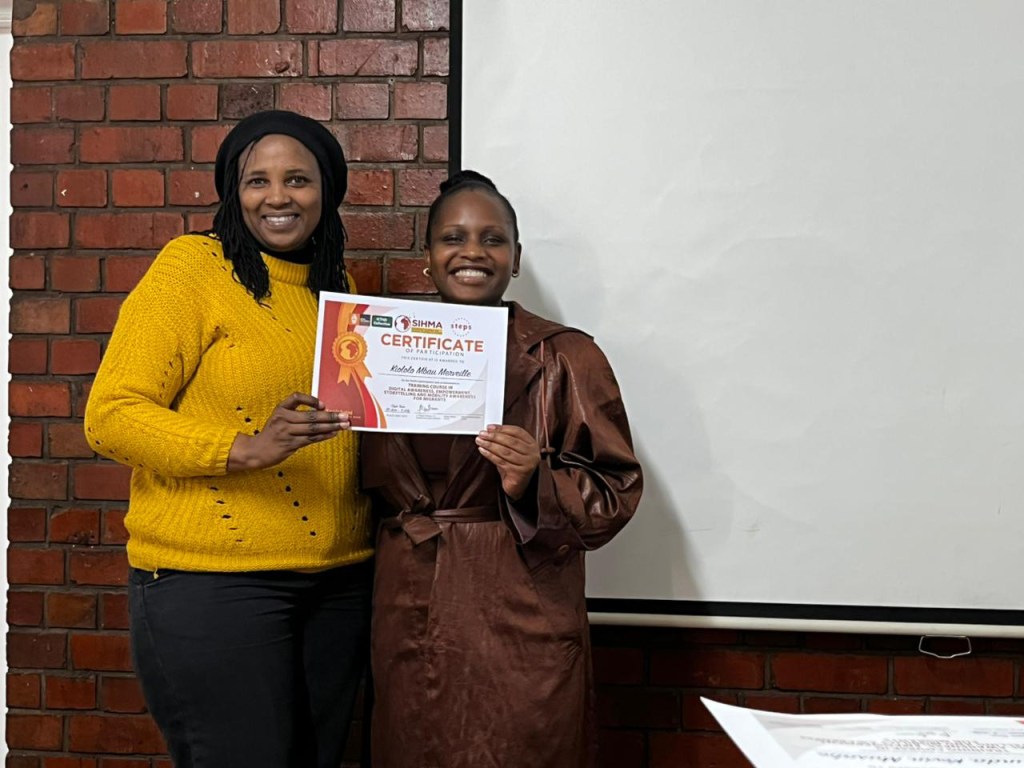
A full report by our partner SIHMA on the training is available here.
Learning with migrants: from outputs to outcomes (October 2024)
All too often, research-practice initiatives come to an end when project funding runs out, and organisations move on to pastures now. As an intervention package of the UKRI GCRF MIDEQ project (2019-2024), we were especially interested in trying to understand not only the immediate outputs of our work, but also some of the longer term outcomes. We wanted to know how our interventions had begun to change lives, and what was necessary to help ensure that these changes could become sustainable. MIDEQ had brought together researchers and practitioners from 12 countries in Africa, Asia, the Caribbean, the Middle East and Latin America to examine diverse aspects of the experiences of migrants along six corridors (see Unwin, Casentini, Harindranath and Lorini, 2023). Our package, focused especially on how migrants use digital technologies and what interventions we might help them develop to reduce inequalities in Nepal and South Africa. Through subsequent funding from a Research England Block Grant, the ICT4D Collective, and our own personal resources, “Hari” Harindranath and Tim Unwin returned to South Africa in September and October 2024, eight months after MIDEQ funding had ceased, to meet with organisations and migrants to learn from them about the outcomes of our work so far, and what lessons we might learn from our engagement together, so that we can improve similar work that we might undertake in the future.
The words of the migrants among whom we worked speak powerfully of their experiences, and how their experiences with us about digital tech and migration have already begun to change their lives. The following short video extracts capture some of the most important outcomes that we have achieved together.
Dadirai (Cape Town): “I’ve now gained my self-confidence“
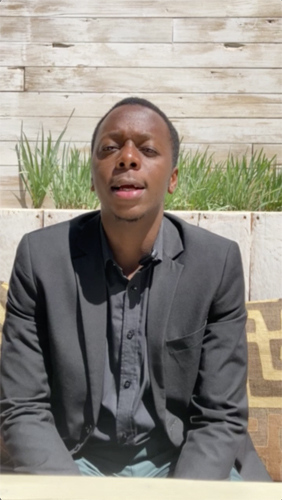
Daniel (Johannesburg): “It opened a lot of opportunity for me, it really did”
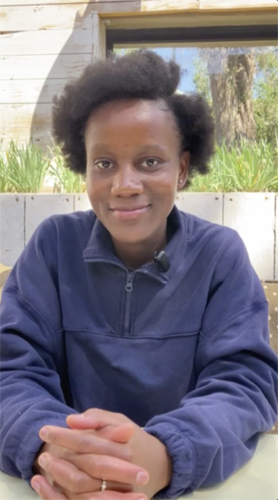
Glodia (Johannesburg): “I’ve been able to respond to certain questions that my siblings may have“
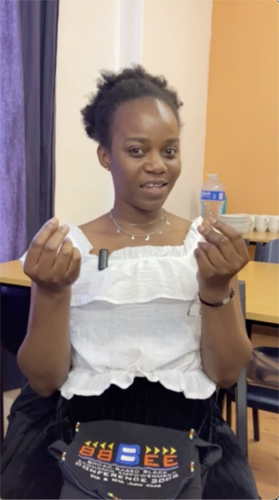
Lydia (Cape Town): I did a marketing video for a friend in Dubai running a restaurant “and for that I get profile and some money“.
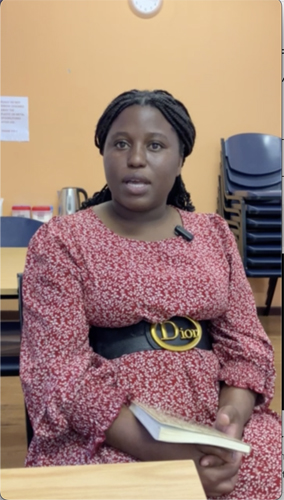
Memory (Cape Town): “It’s integral to my personal life, and I have even begun to expand my business“
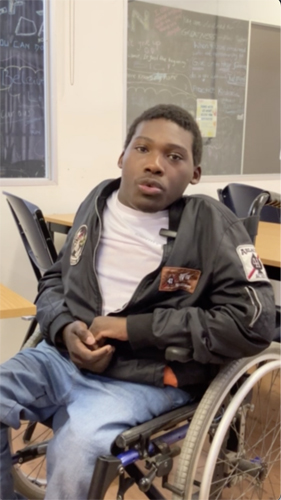
Michael (Cape Town): “For me it was an investment … It gives me exposure to more new things“
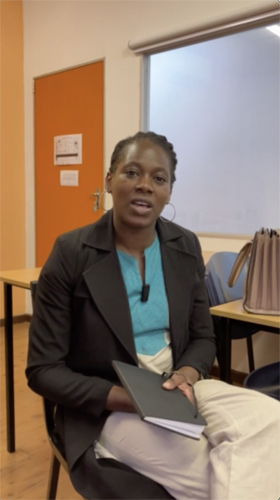
Pascale (Cape Town): “For me this project is more like a seed that has been planted … I’m pretty sure that with the seed planted, the tree will come out, the fruit will come out, and you might not even be there to see it“
Migrant reflections on what it was like to work with us over the previous three years (January 2024)
On working with us
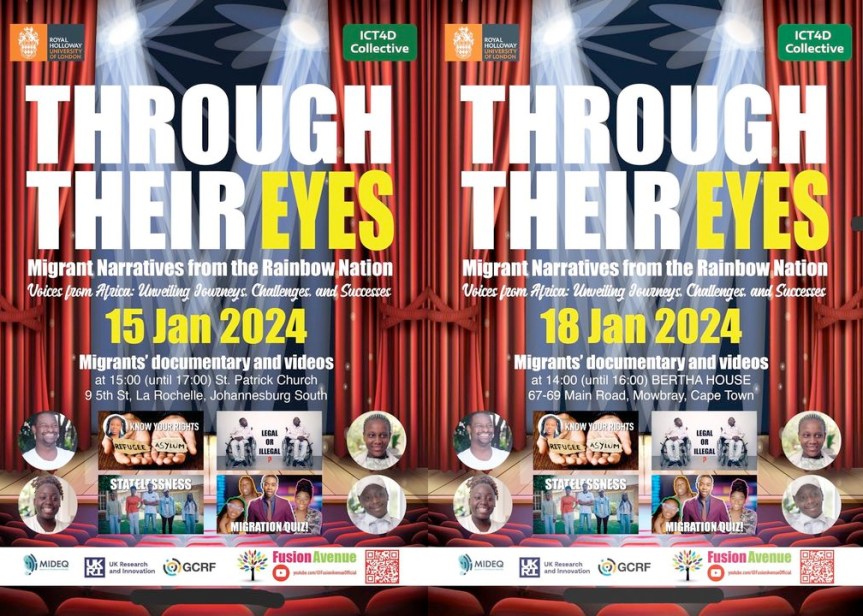
The videos in this section mainly reflect on migrants’ experiences of working with our team. Some of these videos also comment on the documentary produced by Simone Zanetti and Maria Rosa Lorini that was premiered at the launches in Johannesburg and Cape Town on 15th and 18th January 2024 respectively.

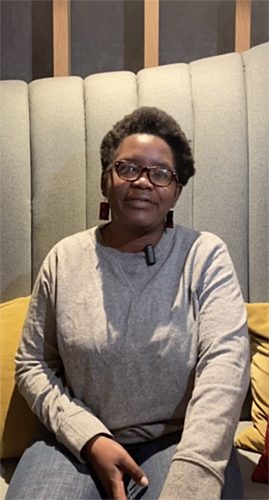
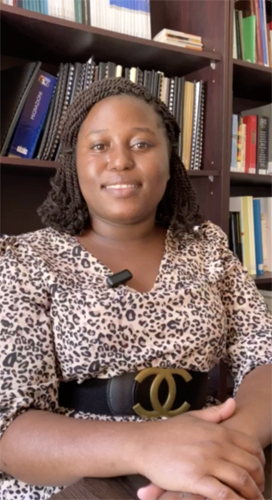
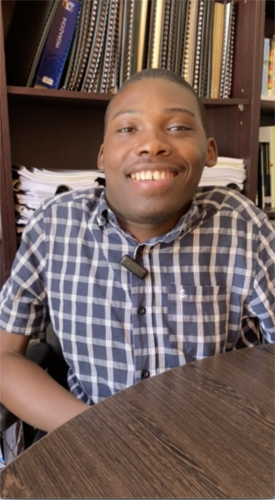
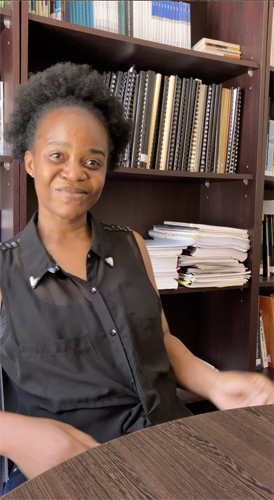

Why migrants should follow and engage with their YouTube channel Fusion Avenue
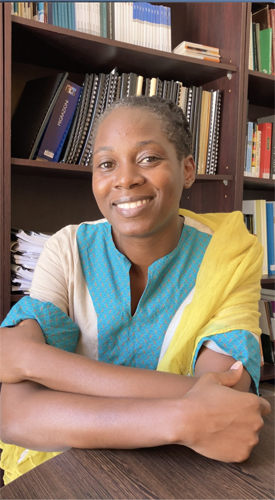


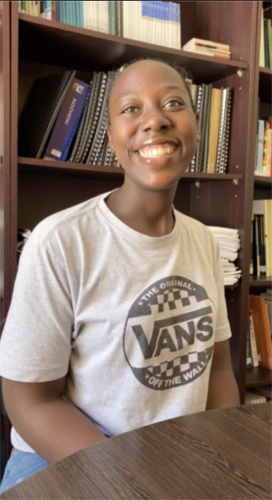
Also watch the videos by migrants about their experiences working with us near the start of our work in South Africa
Through their eyes: Documentary made by the migrants and refugees with whom we worked (January 2024)
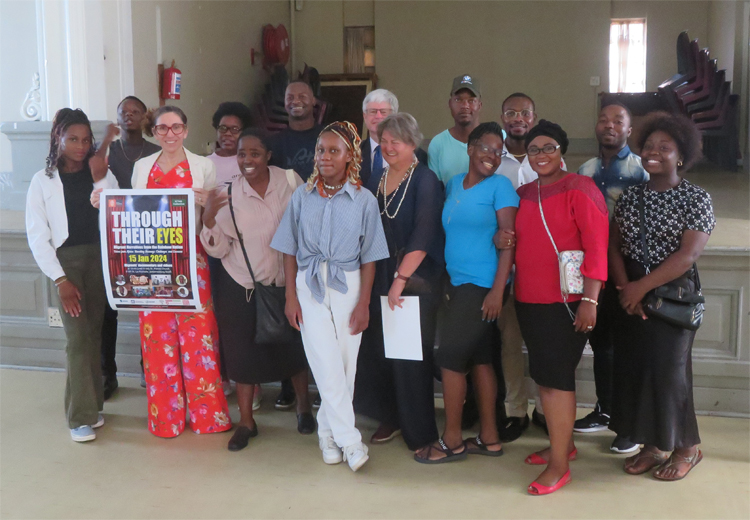
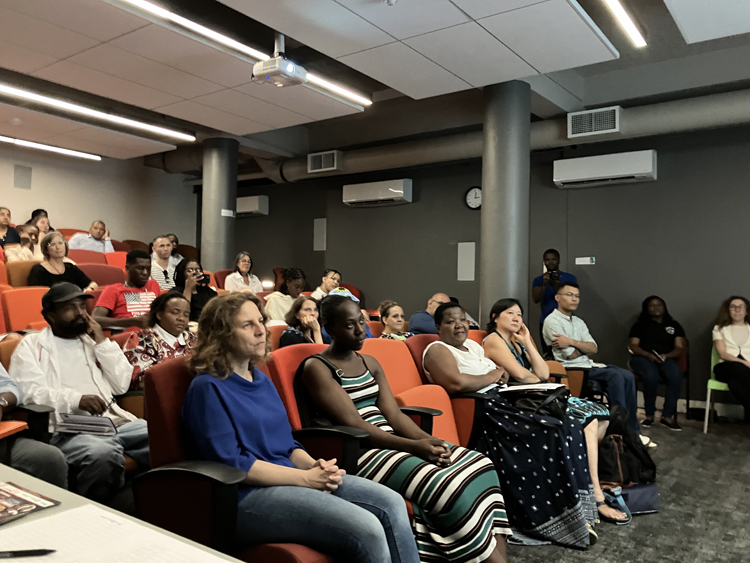
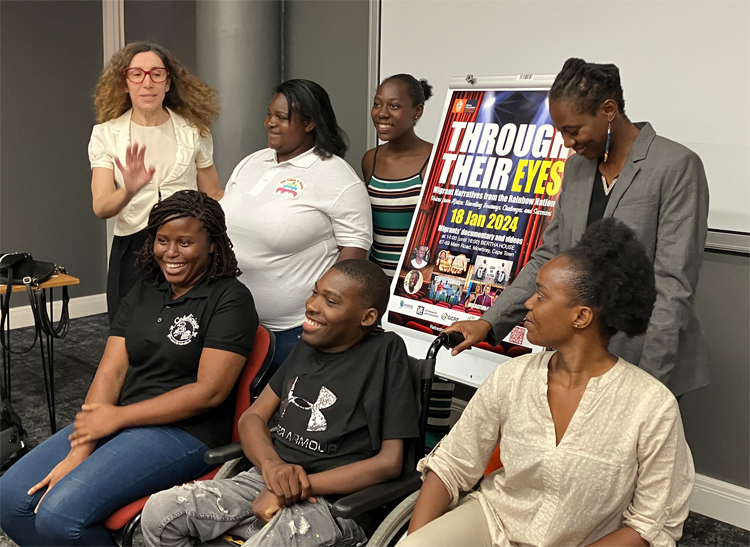
One of the outputs of our work in South Africa was a documentary film about the lives of the migrants with whom we have been working, entitled Through Their Eyes and produced by Simone Zanetti and Maria Rosa Lorini. This was launched in Cape Town and Johannesburg in January 2024:
Click on the image below to watch a small sized (low resolution) version of Through Their Eyes

Videos developed by migrants in 2022 and 2023 as part of their training
Our research-practice was fundamentally based on the idea that we should work with migrants and refugees to identify how they wanted to use digital tech to improve their lives and helping them to do so. Their main emphasis in South Africa was to gain the skills to make videos that would both improve their income-generating abilities and share information more widely about their experiences in South Africa. As a result of the training the migrants also devleoped their own YouTube channel Fusion Avenue: Strangers in the same country.
Videos made during the first round of training in 2022
In South Africa our discussions in Johannesbur and Cape Town led by Dr. Maria Rosa Lorini with migrants, academics, civil society organisations, international agencies and companies since 2019 came up with the idea of training migrants to create their own short videos that would provide useful information for other migrants to help them improve their lives. While we initially thought that this would focus especially on the wise, secure and safe use of digital tech, it was clear that the migrants also wanted to share other tips and advice, from beauty treatments to tips on setting up your own small business. We don’t guarantee that these tips will necessarily achieve all that is claimed, but we are curating these videos here so that others can access them freely and learn from them. We do, though, guaranteee that they have all been developed by migrants themselves (from Angola, the Democratic Republic of Congo, Malawi, Rwanda, South Africa, Sudan and Zimbabwe), and we hope that those who we have helped train will go on to train others and share more migrant videos that will contribute to the betterment of their lives. Full details of these videos are available on our page Initial migrant videos from South Africa, but a selection are also shared here.
The videos are grouped into three sections:
- Wise, safe and secure use of digital technologies
- Important issues facing migrants
- Lifestyle and entrepreneurial matters
An example of each of these is given below
Wise, safe and secure use of digital technologies:
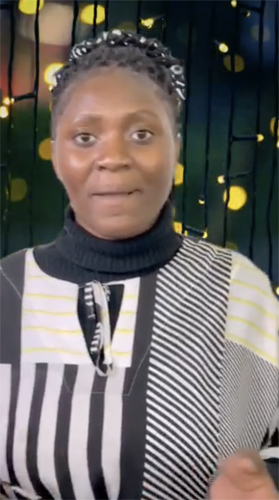
Digital skills for influencers (CT)
26 seconds on how to find out more about digital skills if you want to become an influencer. Made by Jonathan, Fatima and Jontie.
Click here, or share this link https://bit.ly/UNESCOICT4D-r-ZA-CT07
Important issues facing migrants:
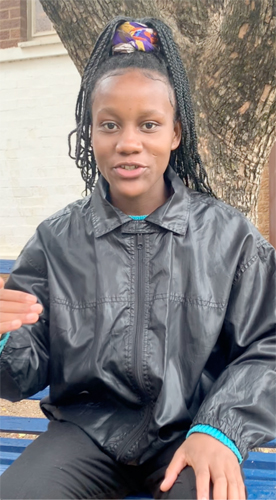
Five tips for newcomers (CT)
A 1 minute 51 second video containing five useful tips for newly arrived migrants in South Africa. Made by Michael, Memory, Pascal and Eustekia
Click here, or share this link https://bit.ly/UNESCOUCT4D-r-ZA-CT01
Lifestyle and entrepreneurial matters:
Dealing with oily skin (J)
Some tips on how to prevent oily skin – and, remember to drink lots of water (1 minute and 5 seconds). Made by Glodia.
Click here, or share this link https://bit.ly/UNESCOICT4D-r-ZA-05
Advanced migrant videos in 2023
Building on our work training migrants in video production in 2022 as part of the MIDEQ Hub, Dr. Maria Rosa Lorini returned to Johannesburg and Cape Town in early 2023 to work with the same organisations and some of the migrants who had been trained the previous year to support them in developing more advanced videos, mostly providing advice on dealing with the challenging issues that migrants face in their daily lives in South Africa. Three of these videos are shared below, and all of them may be found on our Advanced migrant videos from South Africa page.
Koyeba Mibeko na Mboka Mopaya – by Patricia (in Lingala)
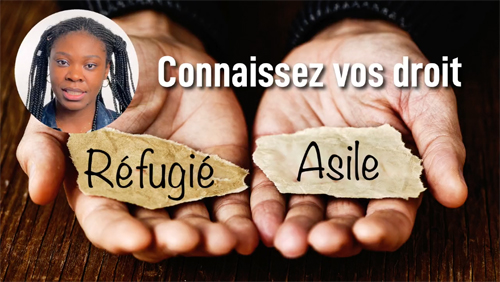
Made in Cape Town (1 minute, 30 seconds) about the importance for asylum seekers in South Africa to know their rights – https://bit.ly/UNESCOICT4D-r-ZA-2CT1b
Legal or illegal? – by Michael
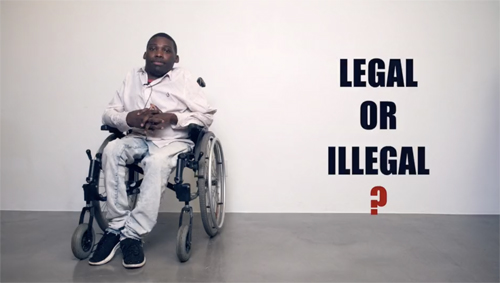
Made in Cape Town, this 2 minute 28 second video is a provocative take on the bureaucracy associated with immigration – https://bit.ly/UNESCOICT4D-r-ZA-2CT4
A leap into the future – by Pascale
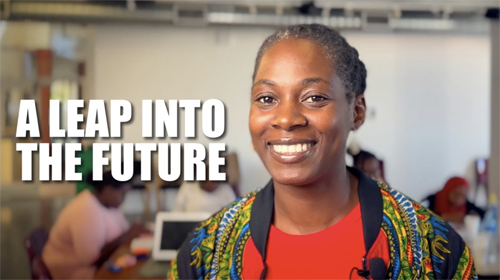
A one minute 20 second video about the DMS Ministries Community Centre in Rugby (Cape Town) which provides skills development training – https://bit.ly/UNESCOICT4D-r-ZA-2CT3
Page updated 3 September 2026

