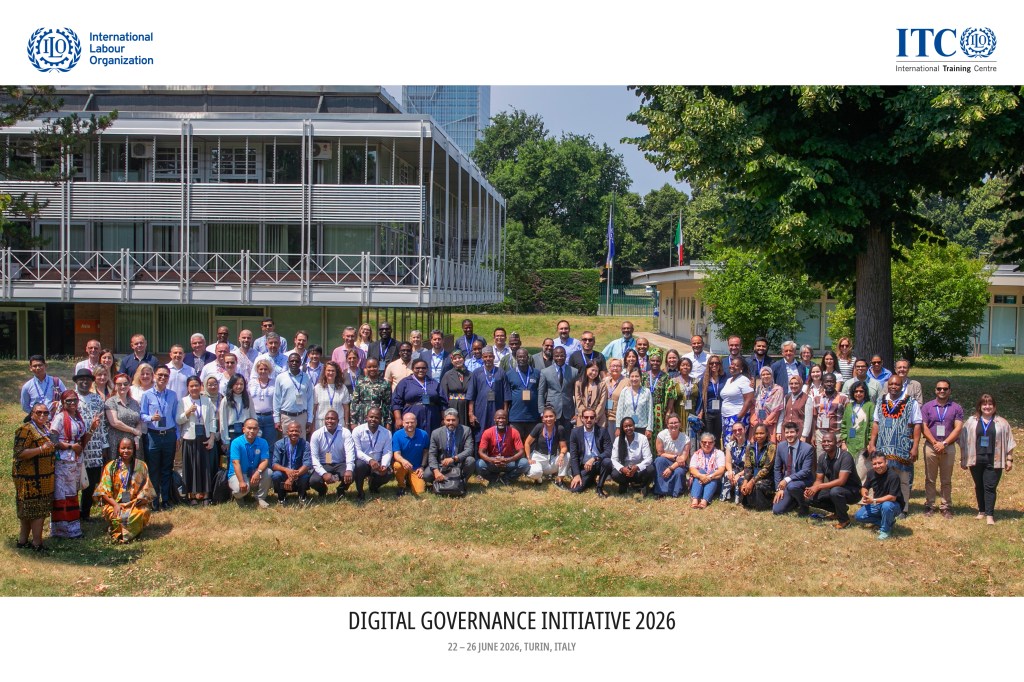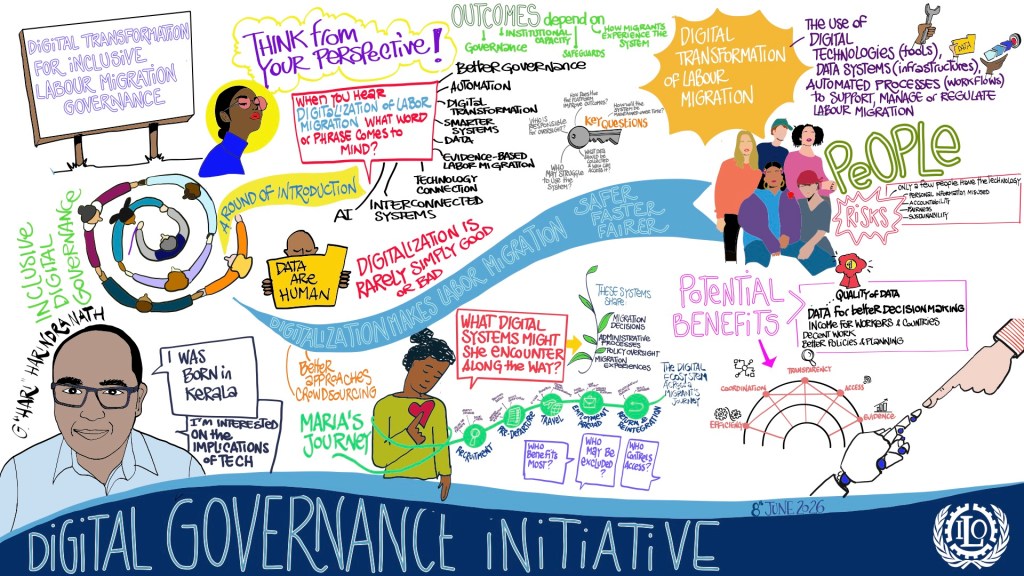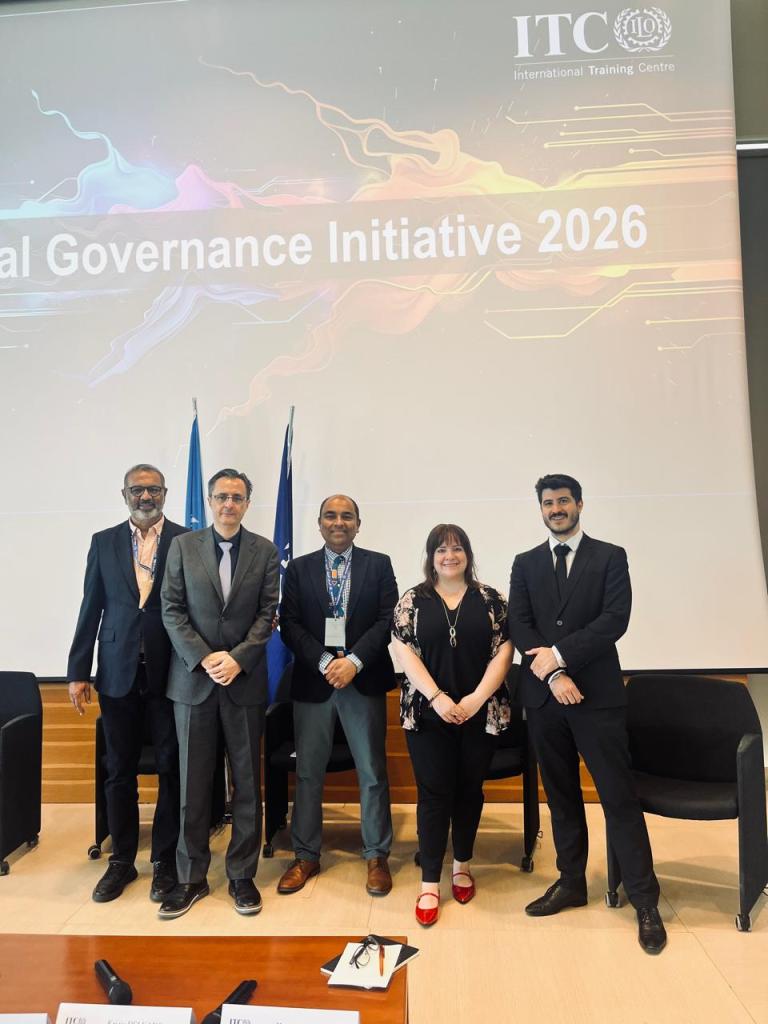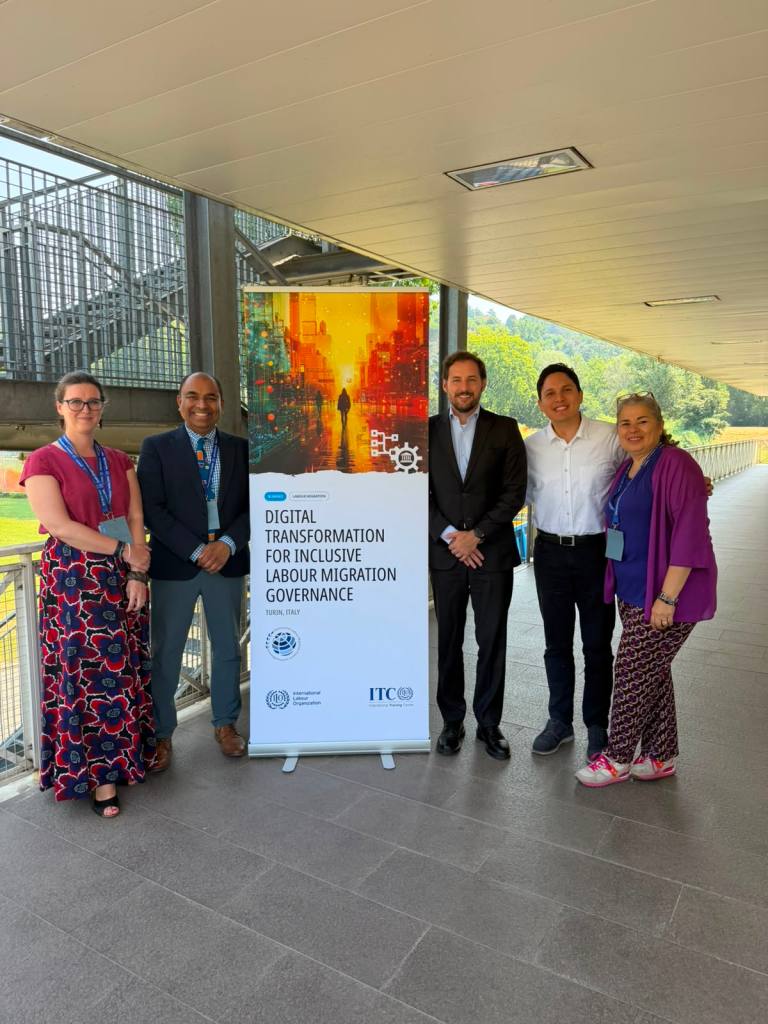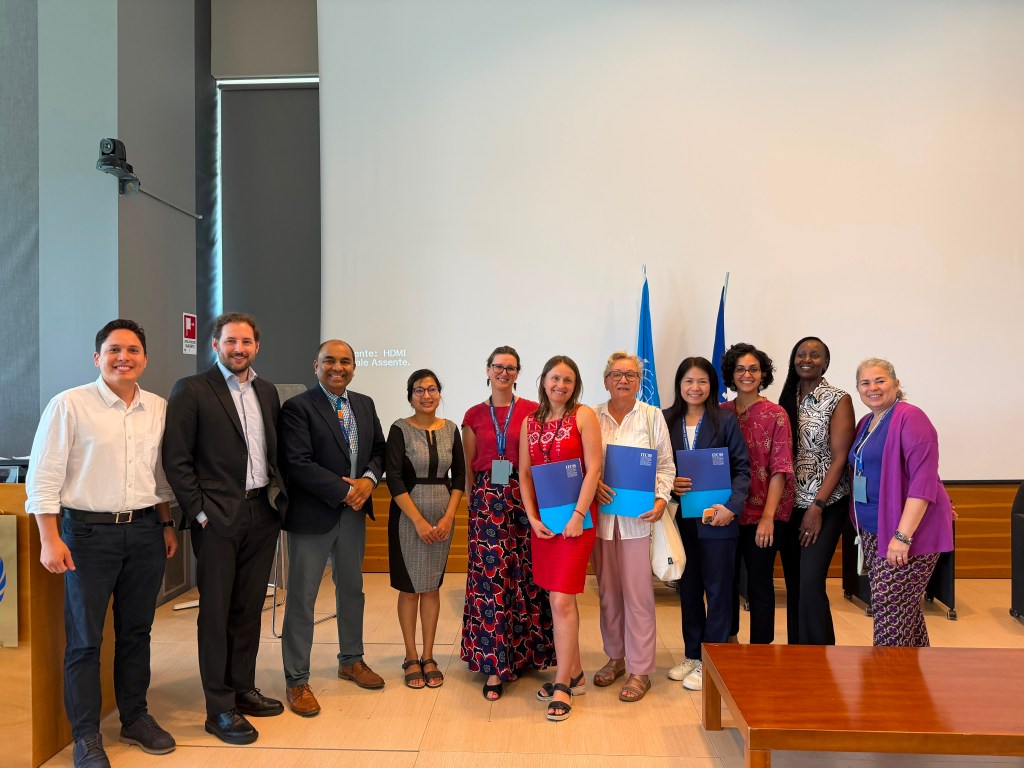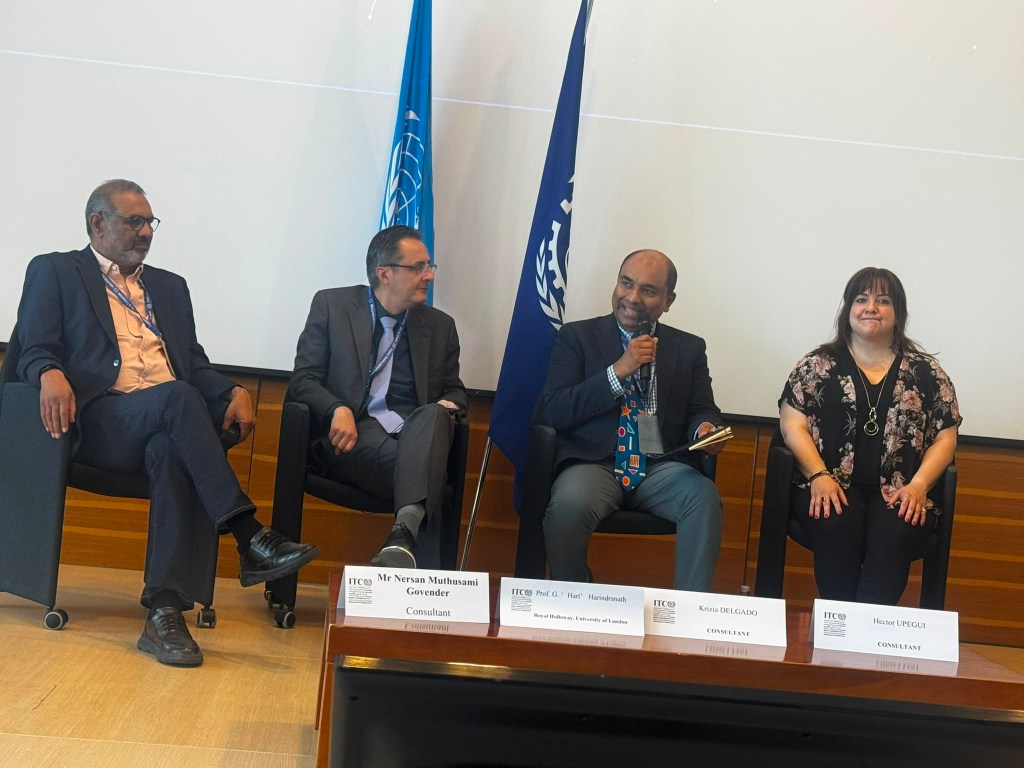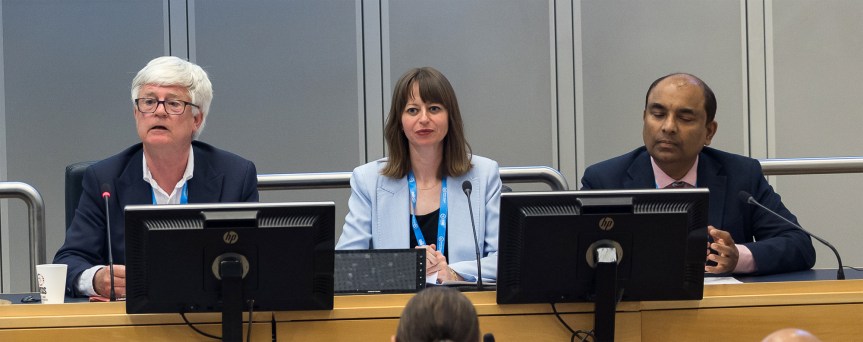
It is a long time since the ICT4D Collective last had a booth at the WSIS Annual Forum, but given our active involvement in both WSIS and AIforGood in 2026 we were delighted to have been allocated Booth 39 in this year’s much redesigned exhibition area. We are so grateful to Gitanjali Sah and Sarah El Omari for making this possible (and thanks too for the t-shirts to add to our collections).
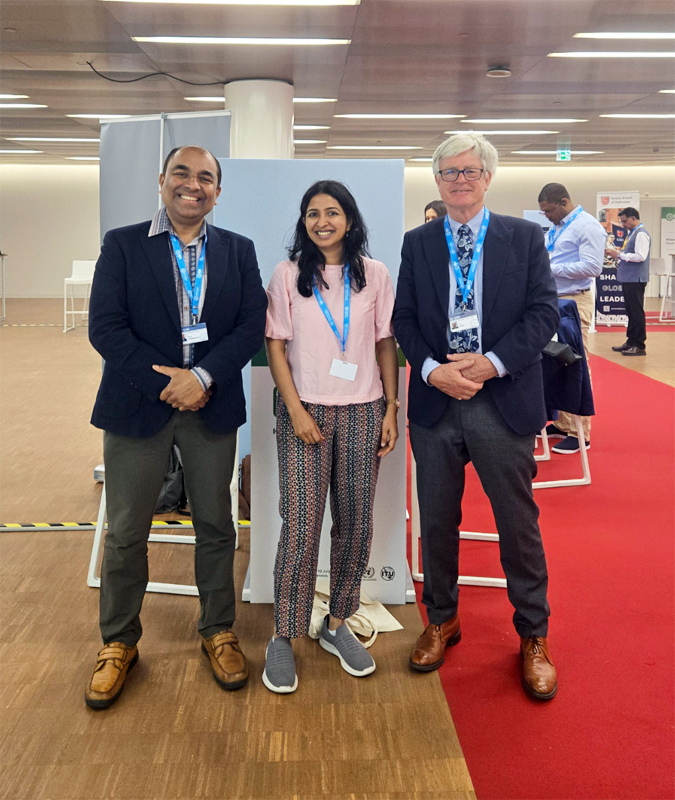
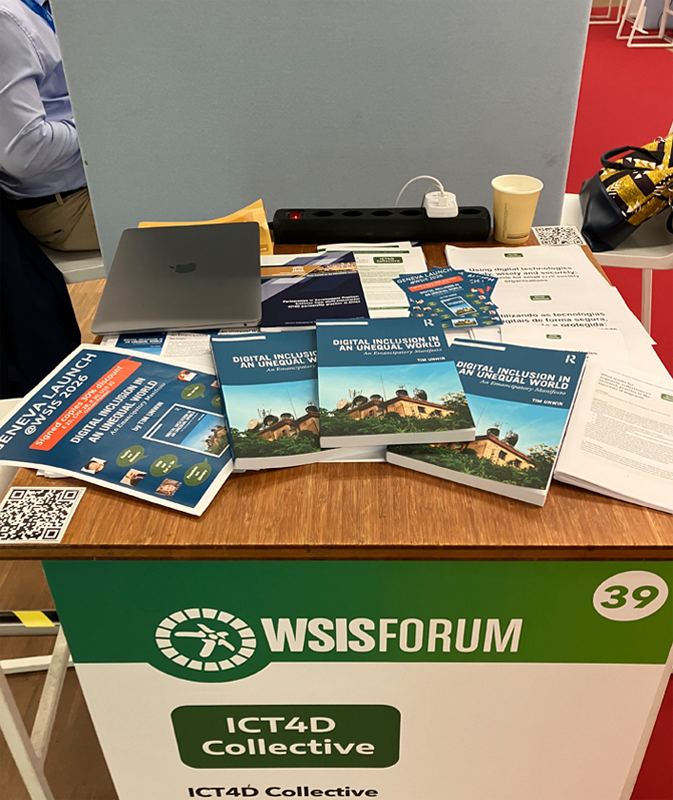
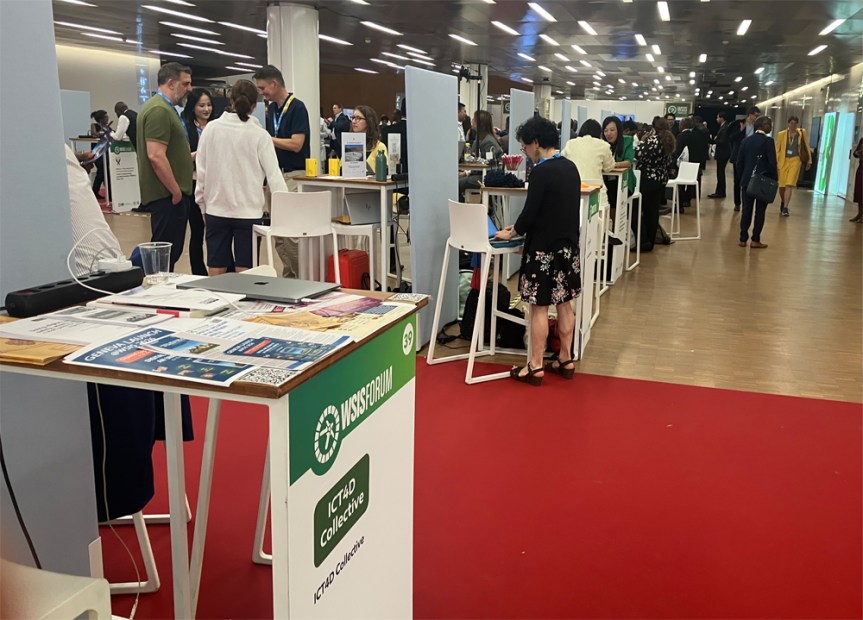
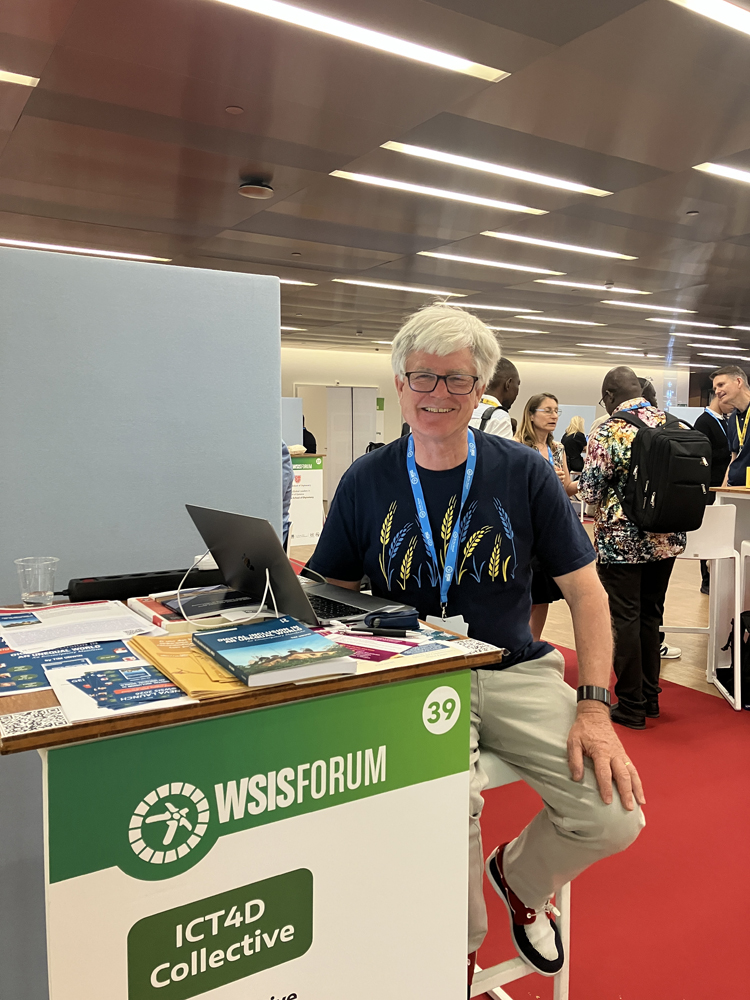
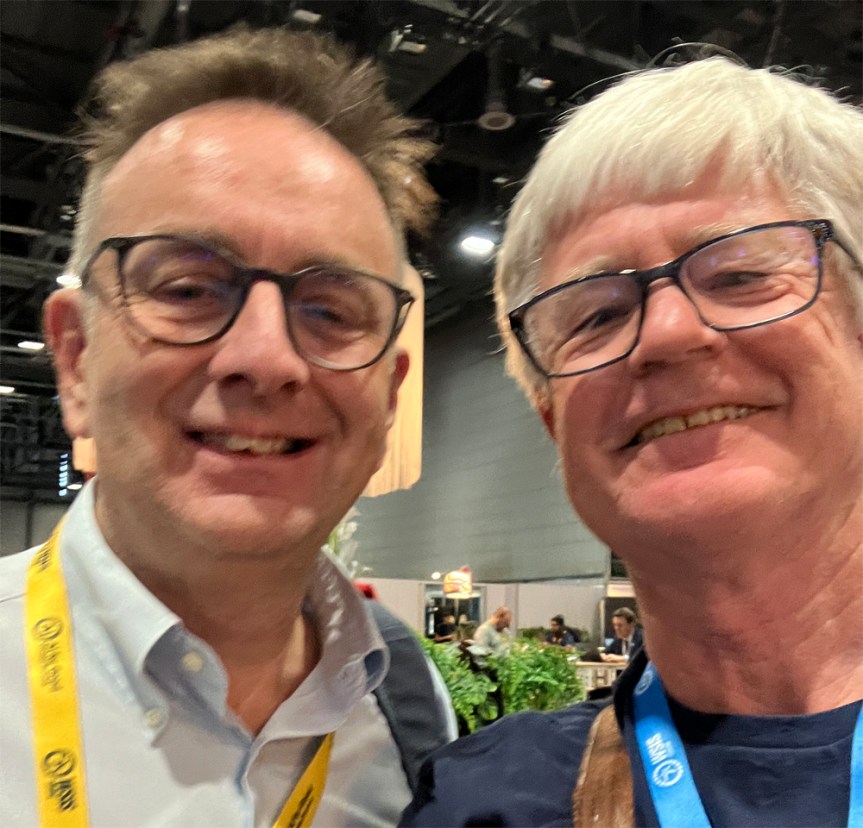
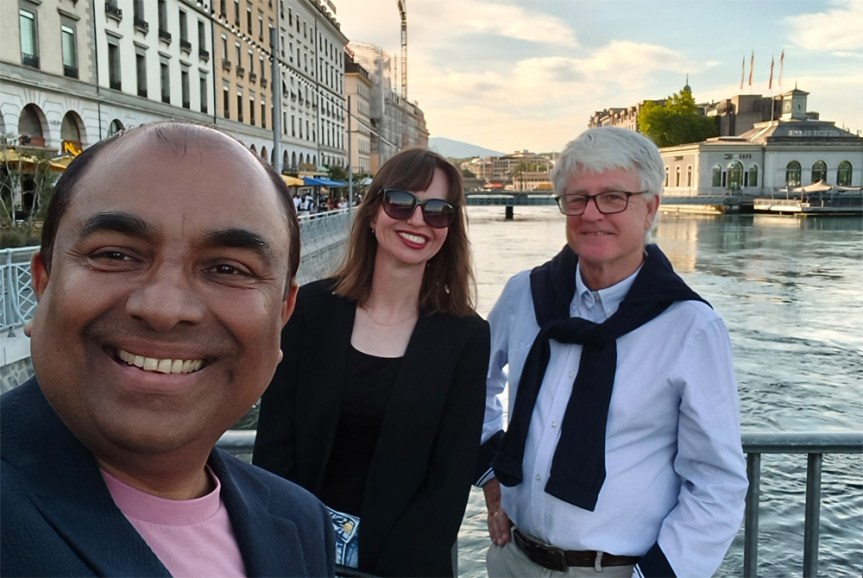
Booth 39 provided a great opportunity to catch up with friends made since the ICT4D Collective was established in 2004 as well as the chance to meet many new faces working in similar areas and sharing similar values. It also provided an excellent base from which to foray out into the many sessions in which we were involved during the week (see link to our programme of activities at WSIS). For Tim, Booth 39 also provided a great opportunity to raise the profile of his new book among those engaged in the WSIS process. The pictures below share glimpses of what members of the collective engaged in mainly around Booth 39 during the week.

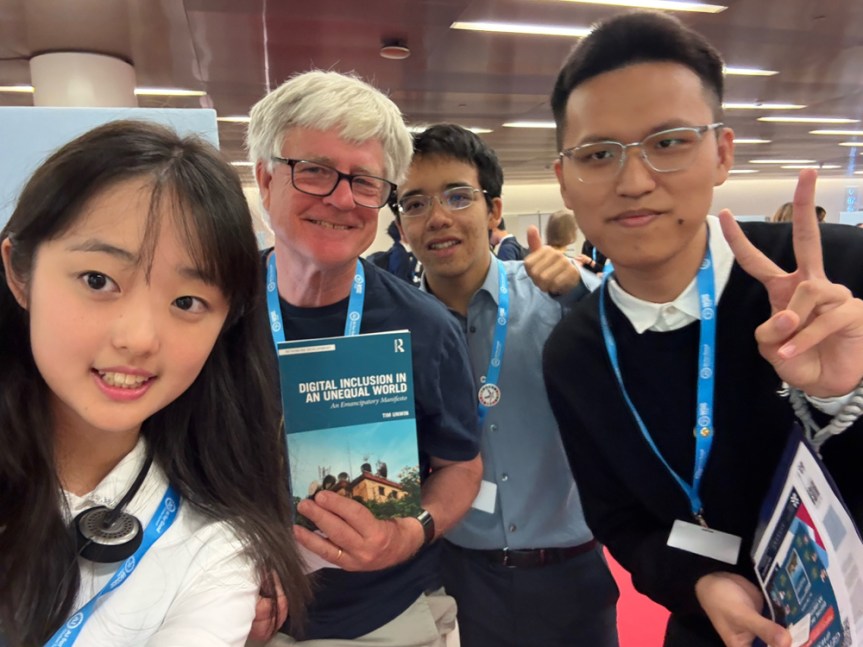
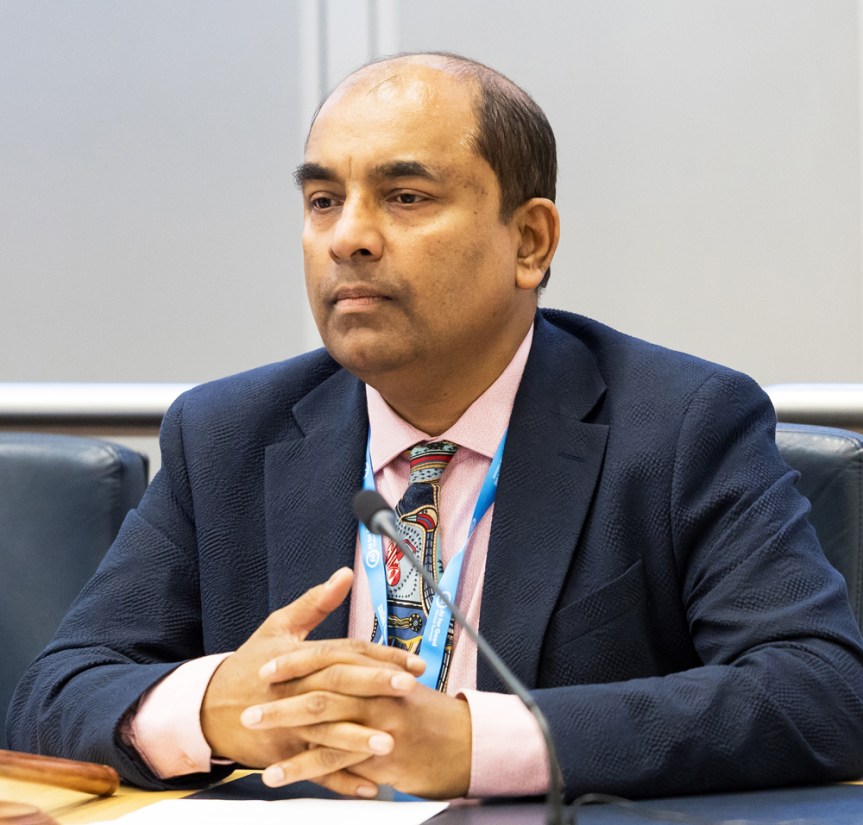
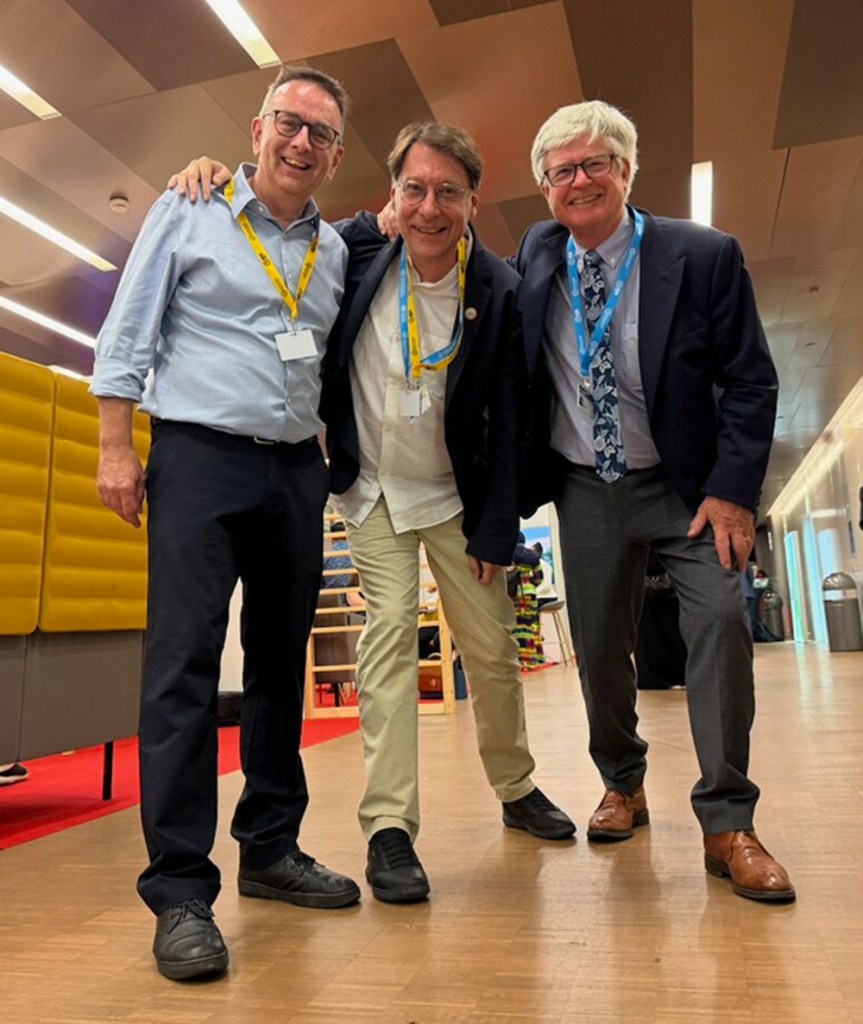
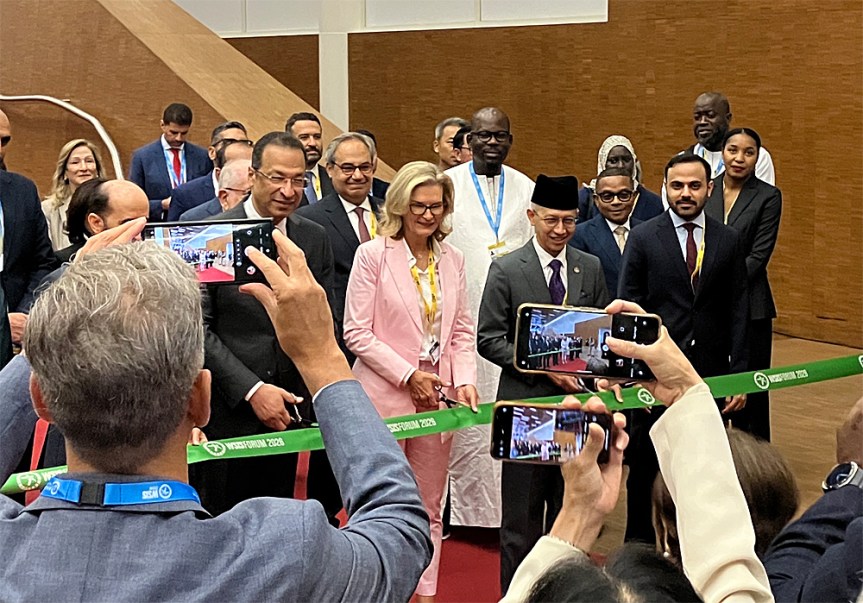
Some of the resources we had freely available on the stand are also available online:
- Unwin, T., Casentini, G., Harindranath, G. and Lorini, M.R. (2023) What works for migrants: reflections on research practice in the interests of migrants, Egham: ICT4D Collective, Working Paper 1 (v.7).
- Unwin, T., Harindranath, G.H., Lorini, M.R. (2023) Migrants and digital tech: policy recommendations, Egham: ICT4D Collective.
- Two-page pamphlet entitled O uso das tecnologias digitais com segurança, sabedoria e privacidade: recomendações para pessoas, no Brasil, com pouca experiência quanto a tecnologias digitais
- Using digital technologies safely, wisely and securely: a short guide for small civil society organisations (version 7)
- Utilizando as tecnologias digitais de forma segura inteligente e protegida: um breve guião para as pequenas organizações da sociedade civil
- िडिजटल प्र िविधहरू सुरित, बुिमापूवक र िजम् मेवारीपूवक प्र योग गन तरका: नागरक समाज संस् थाहरू का लािग छोटो मागदशन