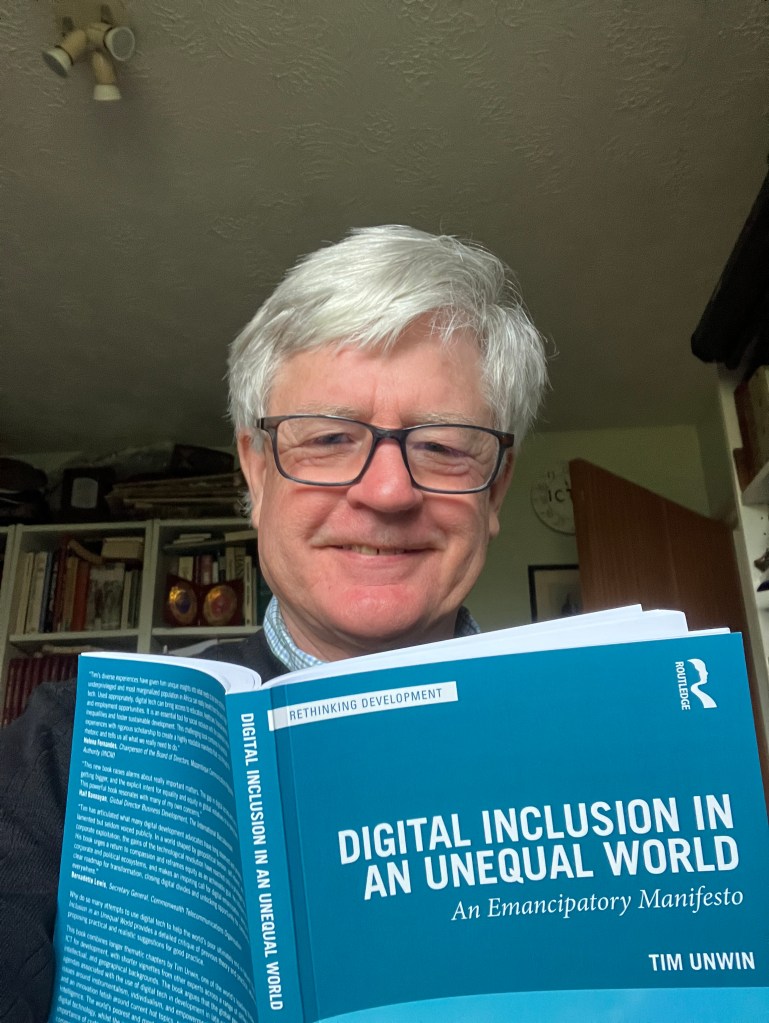
Digital Inclusion in an Unequal World: An Emancipatory Manifesto – officially published today

It’s an exciting day: Digital Inclusion in an Unequal World: An Emancipatory Manifesto is officially published today. Find out more at https://ict4d.org.uk/diuw (or http://digital-inclusion.org) – and for a short period get 20% off the recommended price!

Thanks to everyone who made this possible, especially:

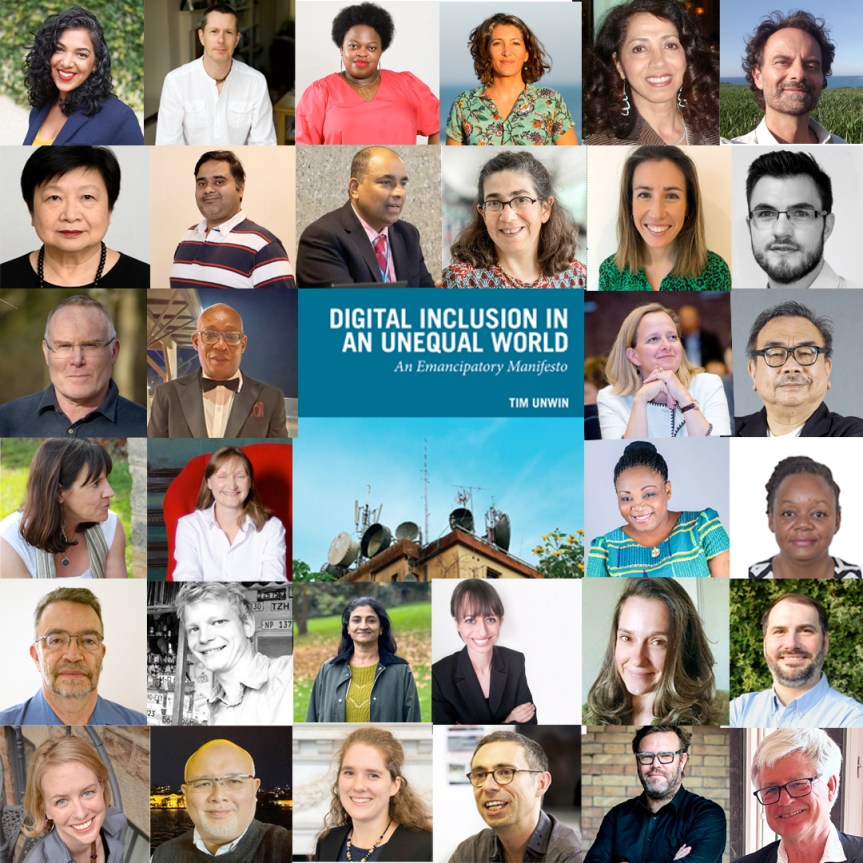
  • The 31 authors of the vignettes – listen to them reading their descriptions on our podcast.
  • All those at Routledge who had faith in the book and who helped in its production, especially Helena Hurd, Katerina Lade, Susan Dunsmore (copy-editor), and Jen Hicks (production)
  • Those who read parts of it in draft and provided valuable comments and advice (see the Acknowledgements)
  • And above all those with whom I have worked over the last 50 years and inspired my to write the book!
Upcoming launch events

I’m delighted to share the news that we will be having a series of launch events and discussions around the themes of the book in different locations around the world, including

  • April 20th: at UNU-EGOV in Guimarães, Portugal
  • June (precise date to be confirmed, but between 1st and 6th): Accra, Ghana
  • July (c.6th-8th): coinciding with WSIS Annual Forum and AIforGood (or Bad)
  • December (7th or 8th): Kuala Lumpur
  • London – dates to be confirmed
  • Kathmandu, Nepal – date to be confirmed

At these events copies of the book will be available with a 30% discount.

Links

To find out more about the book, do explore the links below:
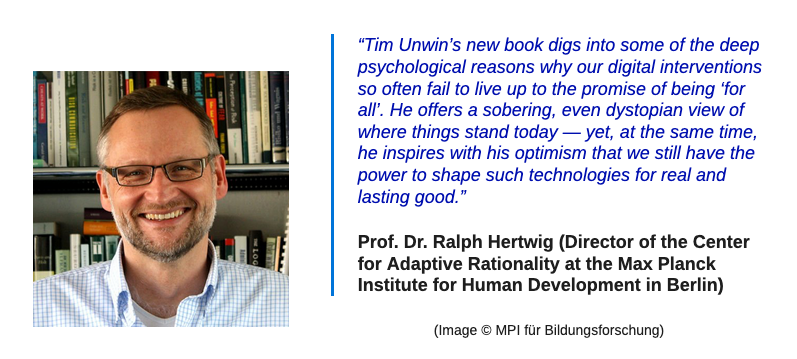
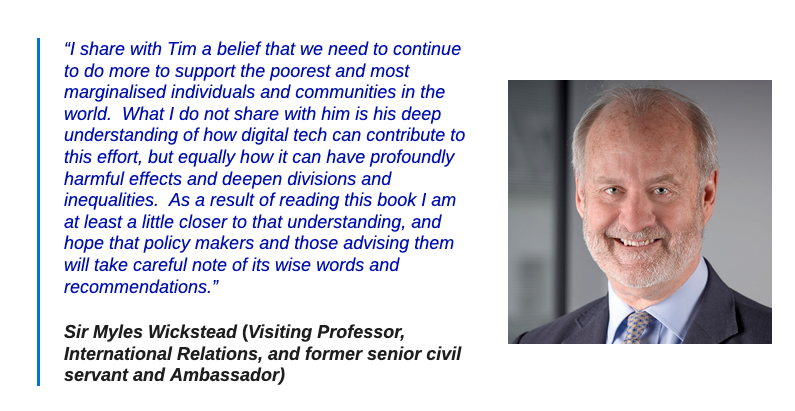
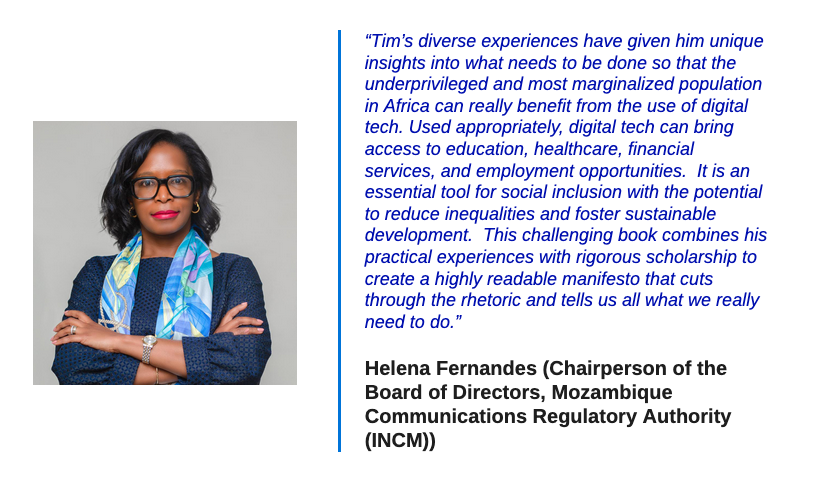
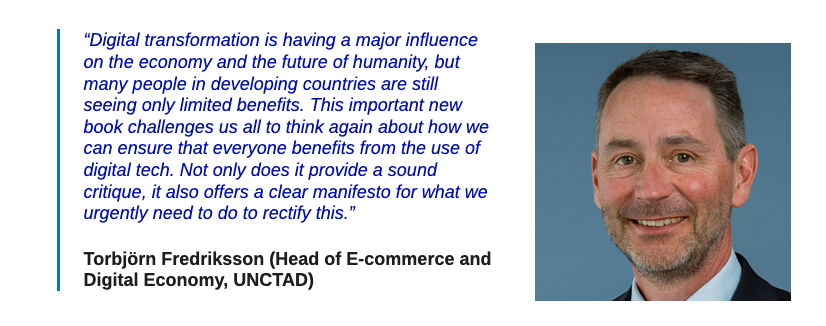
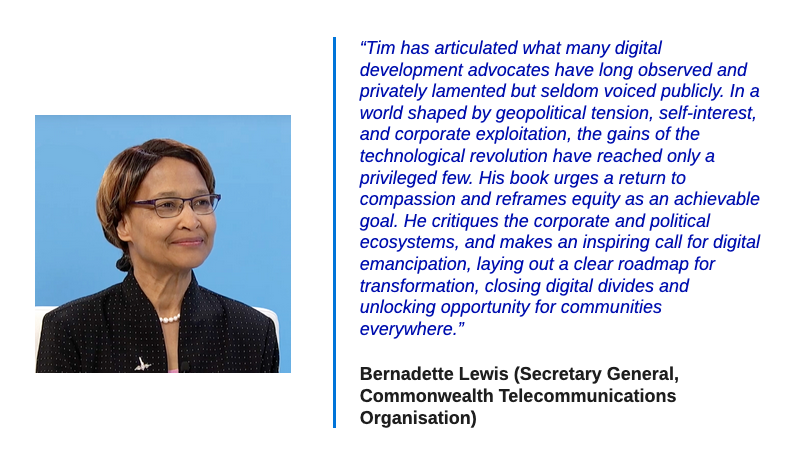
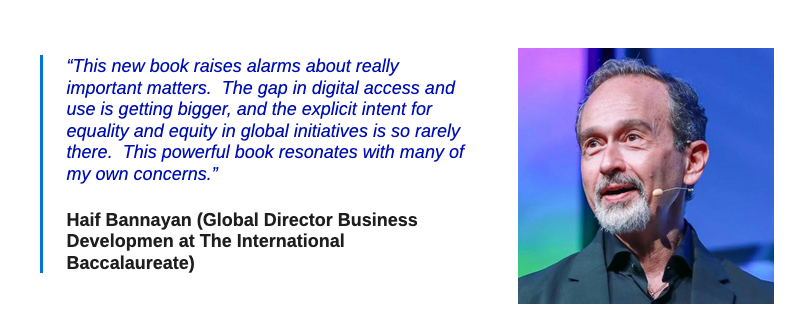
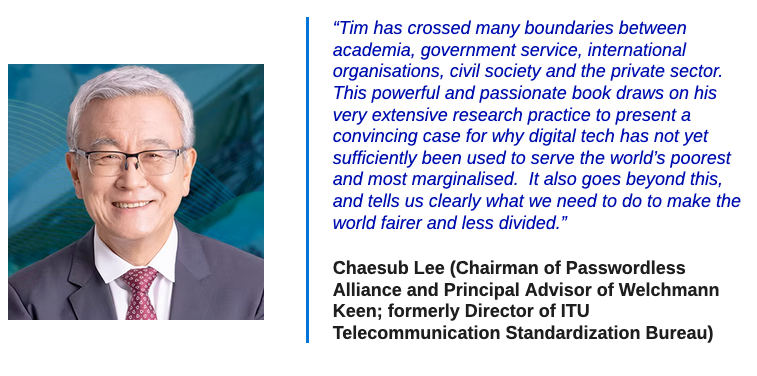
Read what people are saying about the book

Prof. Harindranath participates in the ILO’s 10th anniversary celebrations of the Fair Recruitment Initiative

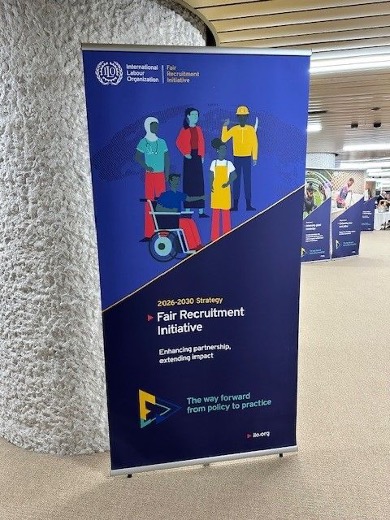
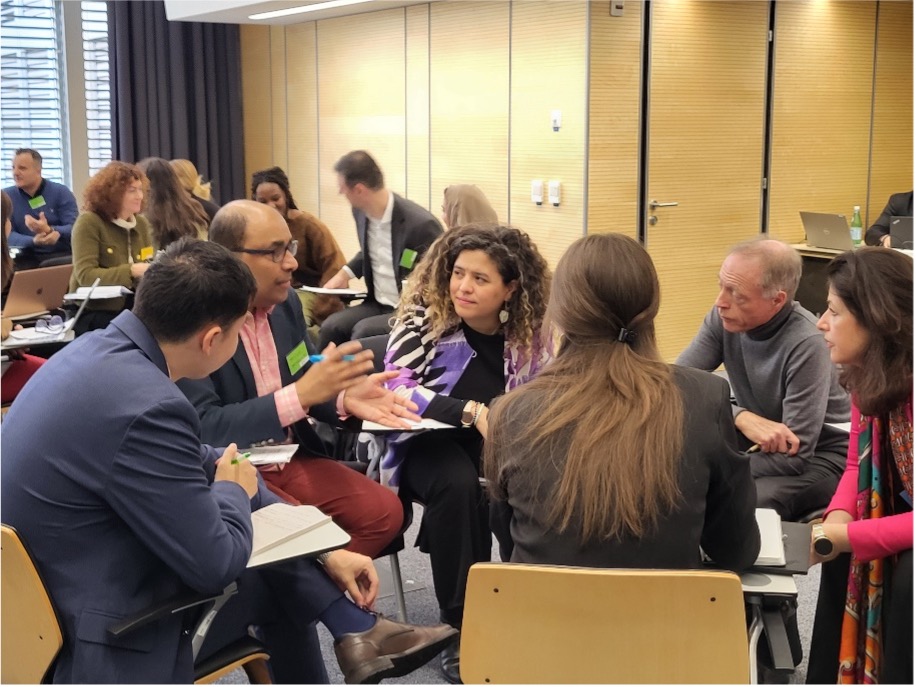
Prof G. ‘Hari’ Harindranath was honoured to be invited to contribute to the panel on ‘Leveraging digital innovations to enhance fair recruitment and combat abusive practices’ at the International Labour Organization‘s Global Conference on ‘Fair Recruitment Initiative: The Way Forward, from Policy to Practice’ held in Geneva between 19th and 20th May 2025. This event marked ten years of the ILO’s Fair Recruitment Initiative and brought together representatives from government, employers, trade unions and ILO’s UN partners including the IOM, WHO and UNHCR.

Digital technology is rapidly transforming the way migrant workers are recruited, bringing both new opportunities and serious risks. The interactive panel session examined emerging digital solutions that aim to promote fair recruitment – from tools used by workers to platforms leveraged by governments, inspectors and employers – and unpacked the associated risks and opportunities, and discussed actionable insights from participants on what works, what doesn’t, and how digital tech can be better harnessed to protect migrant workers.

Hari participated in a panel that also included representatives from the International Trade Union Confederation and The Adecco Group, one of the world’s largest human resources and temporary staffing firm.

Hari’s contribution questioned the uncritical application of digital tech in contexts of vulnerability that can cause harms, exacerbate existing inequalities and even create new ones. If digital technologies are to be used to advance fair recruitment of labour migrants, then it requires responsible digital practices that balance tech with supportive human interventions and a sustained focus on the safe, wise and secure use of digital tech by migrants.

Hari had previously been invited to contribute to the Global Forum on Migration and Development’s (GFMD) preparatory roundtables on ‘New Technologies and Digitalization: Improving Migration Management and Regular Migration Pathways’ in Geneva during February 2025 (and online in November 2024) in preparation for the 2025 GFMD Summit in Colombia.

Created in 2007, the Global Forum on Migration and Development (GFMD) is a state-led process connecting governments with civil society, the private sector, local and regional governments, youth, the UN system and other relevant stakeholders to helps shape the global debate on migration and development.

These significant policy engagement opportunities evidence the impact of our research-practice with vulnerable groups including migrants undertaken over the past six years, initially funded through a major UKRI GCRF grant and then through Royal Holloway’s Research England ODA and Social Purpose Research and Innovation Hub (SPRIH) grants (all in Nepal and South Africa) and through SSIA funding (in Brazil). Further details of this ongoing work can be found here (on the safe, wise and secure use of digital tech) and here (on our research-practice with migrants).

Prof. G. ‘Hari’ Harindranath, 29 May 2025