Many of the authors have contributed audio recordings of their vignettes. These are available here, but are also being shared on a regular basis through our blog and our podcast over the next six months. Do follow us on Apple Podcasts to listen to these inspiring examples of how digital tech can be used constructively by some of the world’s poorest and most marginalised people, but also the reasons why most such initiatives fail sufficiently to serve their interests.
This important book can be pre-ordered from Routledge using the link above, and for those who respond quickly there is a 20% reduction if you order before 23rd October 2025.
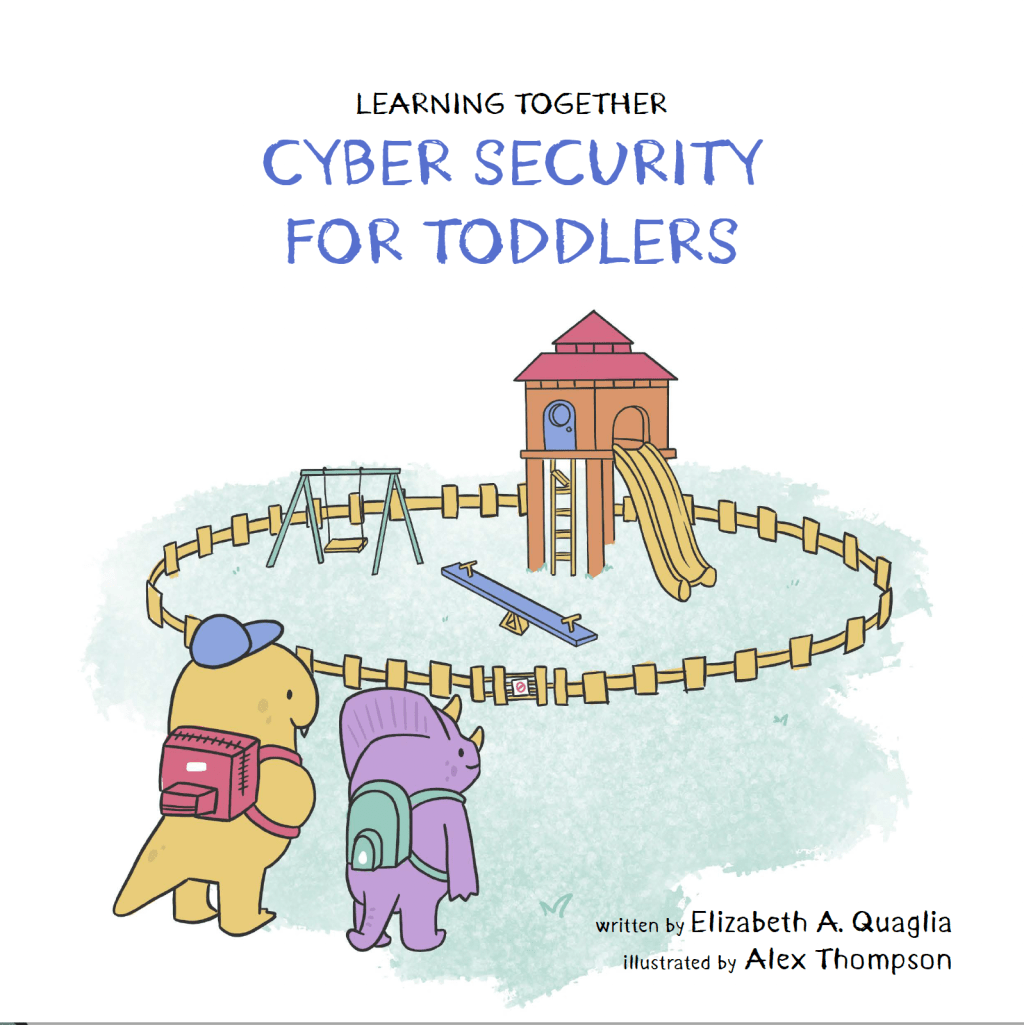
These are excellent learning guides aimed at children and adults who care for them, and introduce fundamental concepts in cyber security and cryptography. Glossaries at the end of each book provide really useful, clear explanations of what key terms in cybersecurity and cryptography mean, and how they have been used in the books – as illustrated below:
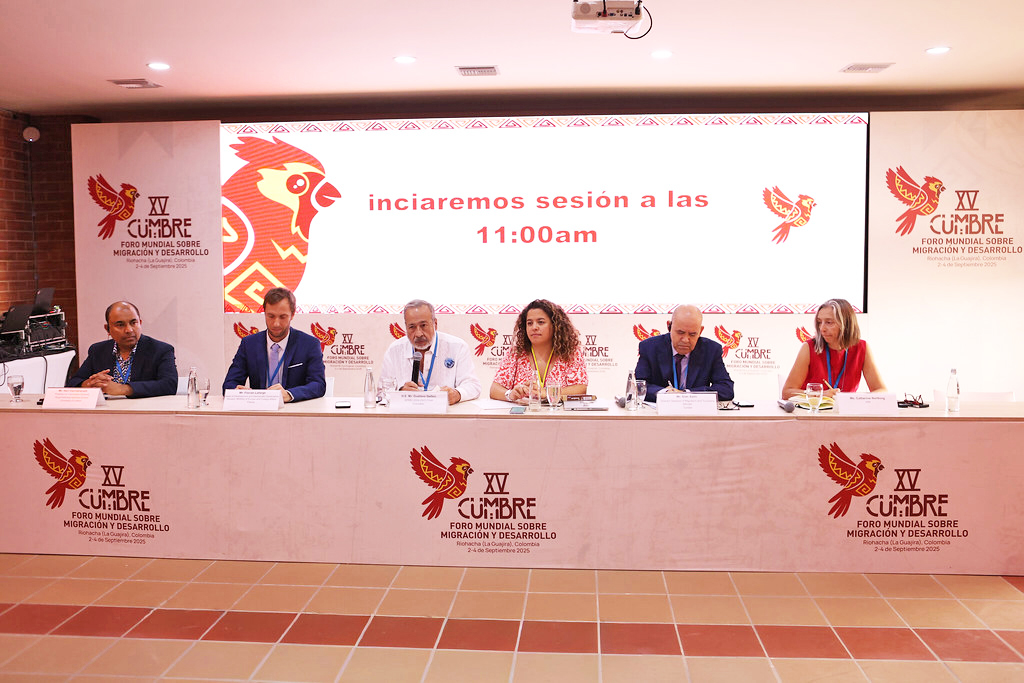
The 15th Global Forum on Migration and Development (GFMD) held between 2 and 4 September 2025 brought together in Riohacha, Colombia, more than 800 delegates representing governments, city mayors, businesses, civil society, youth and academia to exchange ideas on some of the most pressing challenges in global mobility.
The Colombia Chairship deserves huge recognition for putting together an ambitious and thoughtful programme shaping dialogue around six thematic pillars spanning mobility and women, children and young people on the move, media and culture for changing narratives, the promise and perils of new technologies, climate mobility, and the critical importance of regional cooperation and partnerships between origin and destination countries.
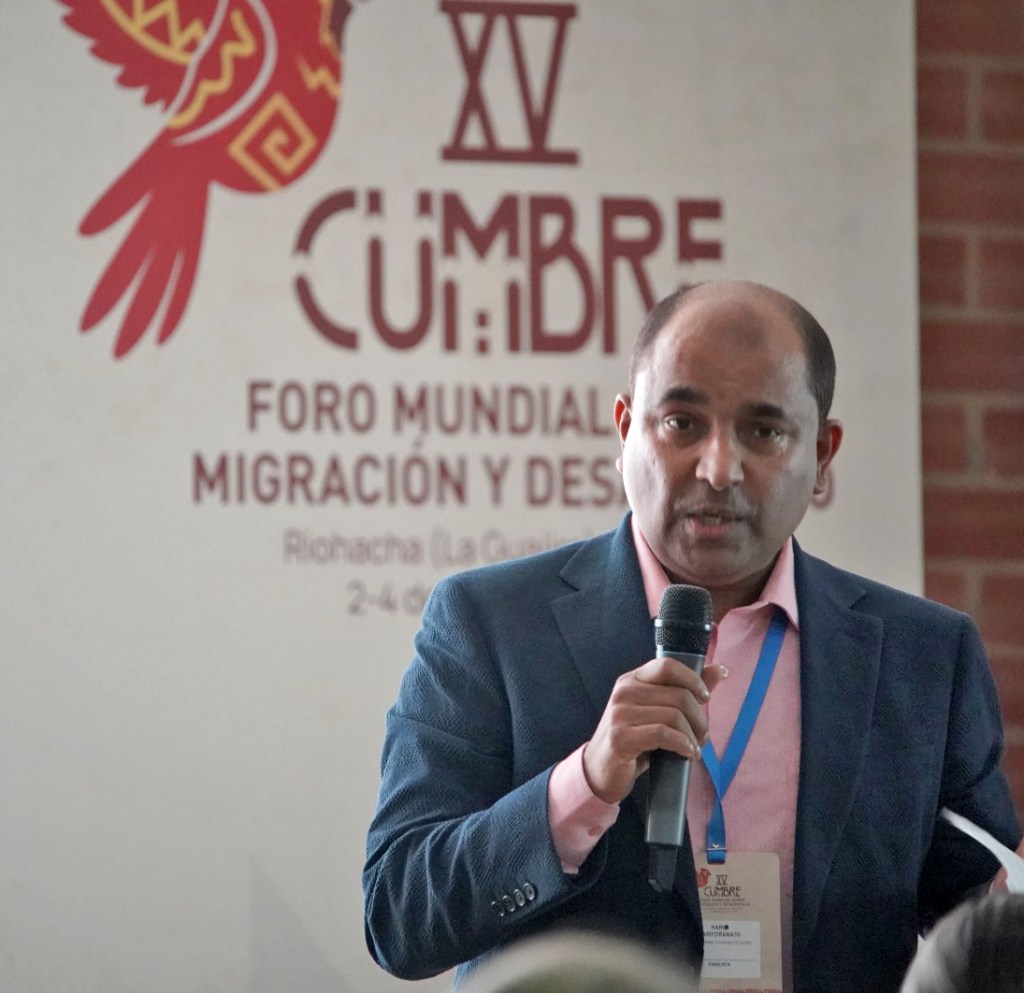
Prof. G Hari Harindranath comments that “it was a privilege to contribute remarks on behalf of academia at the session on the Future of the Summit on the final day and to speak in Round Table 6 on the digitalisation of migration management alongside colleagues from the governments of Ecuador and Georgia, the Institute of Employers, and technology and immigration services organisations”.
In the digital space, the opportunities are clear: technology can contribute to making migration safer and more efficient. But without safeguards, it can deepen inequalities. Many labour migrants already face precarious conditions, and now digital insecurity adds another layer of vulnerability, particularly so as they often lack the capacity to use digital tech safely, wisely and securely.
If we design digital systems with simplicity, accessibility, transparency, accountability and proportionality at the centre, we can then bring the benefits of digitalisation to those who are most likely to be disempowered by it. Getting it right for the most vulnerable means getting it right for everyone.
Thank you to the GFMD and for creating space for academic voices throughout this process, from the preparatory roundtables through to the summit. Evidence-based perspectives are essential in a field that is increasingly politicised and polarised, and GFMD’s unique framework is one of the few places where all stakeholders can meet together as equals.
Following our impact activities in Brazil during 2024, Prof Hari Harindranath returned to Rio de Janeiro in June/July 2025 to work with our local research partner, Dr Heloisa Melino, and organisations there for a series of follow-on activities funded by Royal Holloway’s Social Science Impact Accelerator (SSIA). These included three main activities.
1. Amplifying the impact of our work through artistic means
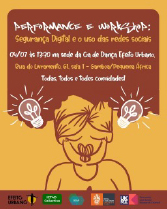
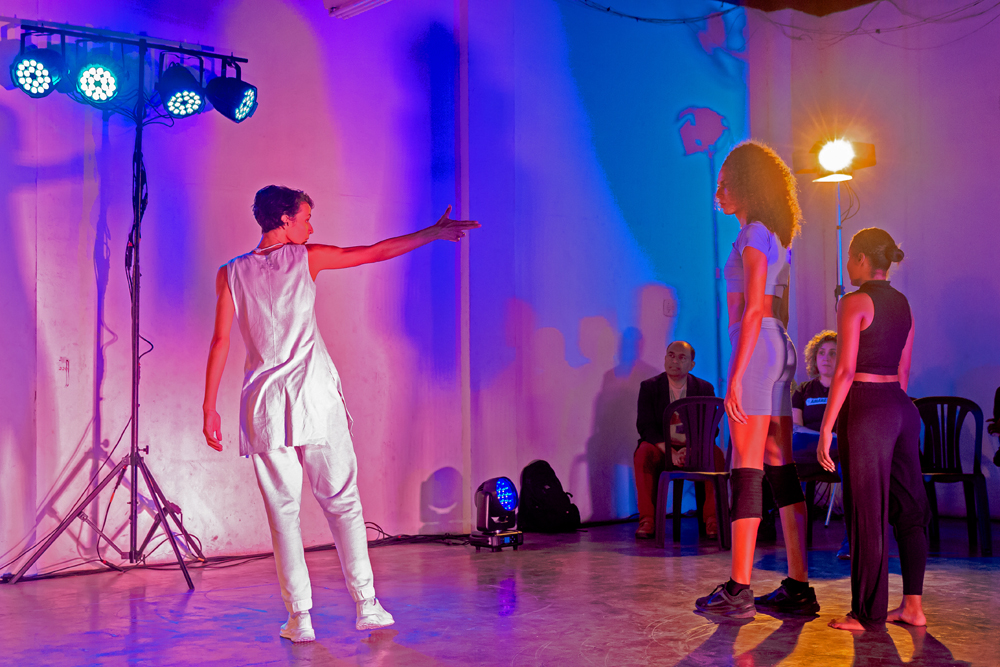
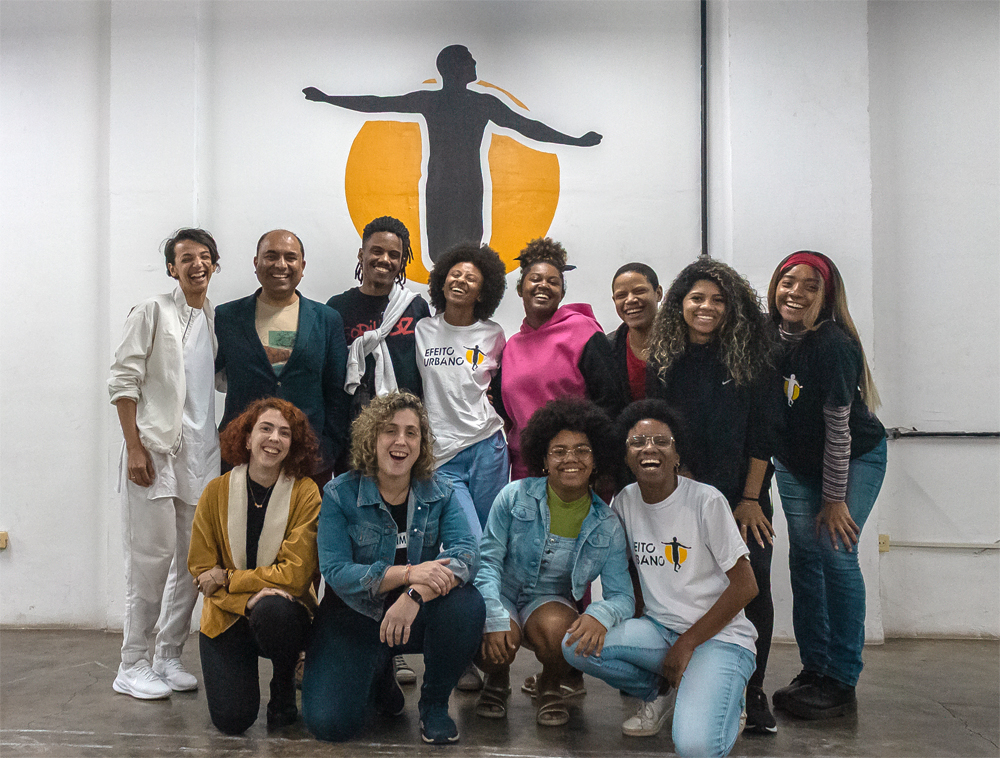
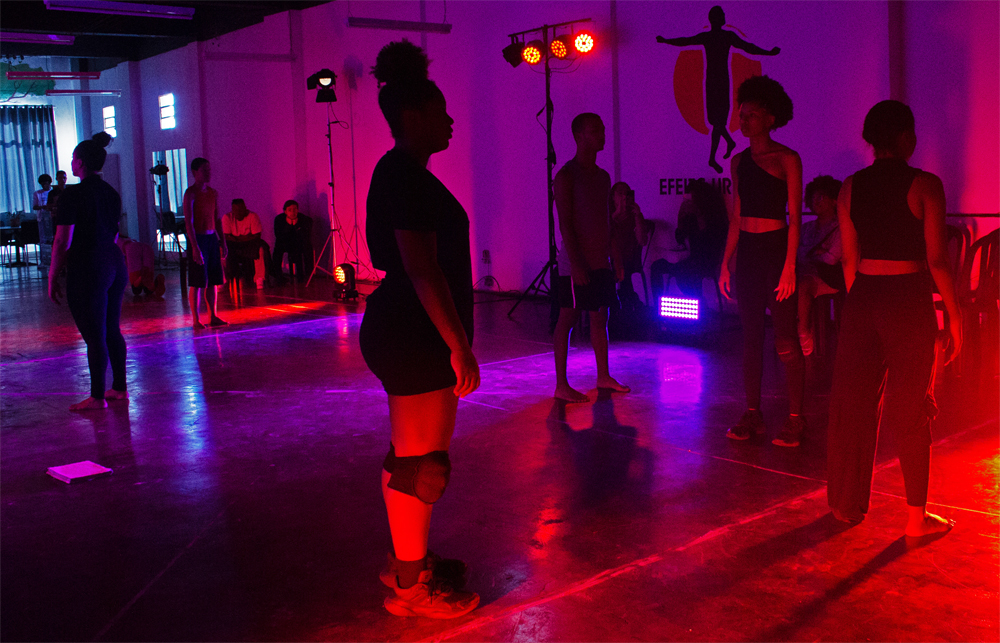
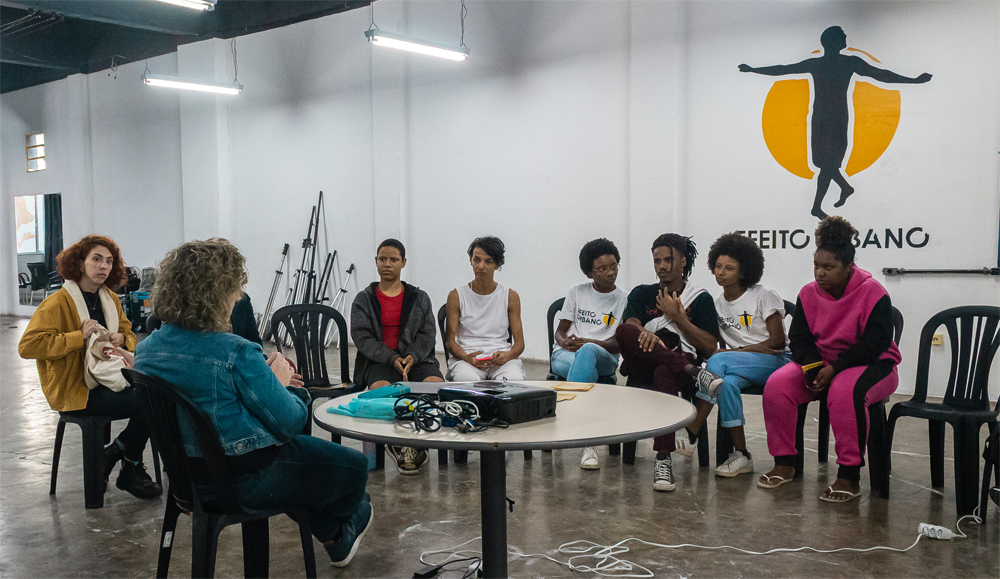
Efeito Urbano, an arts organisation and social project, based in the Providência favela of Rio de Janeiro, showcased a creative performance on digital safety in the periferias which drew on SSIA-funded work previously undertaken by Collective members, Prof Harindranath, Prof Tim Unwin and Dr Heloisa Melino and the experiences of the artists themselves with social networks and digital technologies.
Efeito Urbano is the first professional dance company in Morro da Providência and has developed its own concept of creation and research, Dança Urbana Negra Periférica, based on the pillars of race, gender and territory as well as traditional and contemporary Afro-referenced dances, in addition to the diverse expressions and cultural manifestations of experiences in the favelas and peripheries
The dancers put on a stunning performance capturing the intertwining of physical and digital lives in the favelas of Rio (link here to a short video). Choreographer Juliana Mello explained that the performance was a starting point for their new residency aimed at reflecting, through the language of dance, how the peripheral body navigates, resists and reinvents itself in the digital environment, with its strengths, pitfalls and invisibilities. Producer Ellen Pereira da Costa talked about the importance of engaging young people through artistic means to spread important messages such as the safe, wise and secure use of digital tech in their contexts which are often characterised by scams, identity theft and violence, both physical and online. Their aim was “to explore the potential of art as a languagethat activates different senses compared to textual narratives, by engaging the body and movement in the exchange of knowledge on a topic as urgent and necessary as this – particularly among vulnerable populations, who make up the core audience of Instituto Efeito Urbano”.
2. Extending our work on the safe, wise and secure use of digital technologies by vulnerable groups
This visit allowed us to extend our work on digital safety nasperiferias from our earlier focus on communities in the Maré favela of Rio de Janeiro to young people in the Morro da Providência favela and the surrounding areas. Following the Efeito Urbano performance, Hari and Heloisa led a workshop on the safe, wise and secure use of digital tech by vulnerable groups with some of the artists and members of the audience. Participants were keen to share their online experiences with each other and through the creation of a series of short videos.
3. Evidencing the impact of our ongoing work
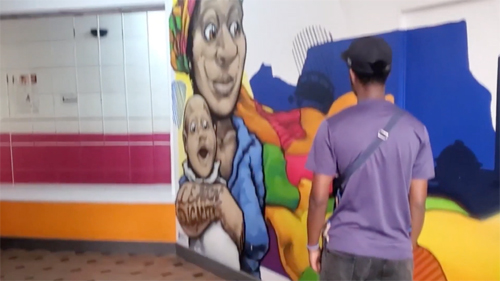
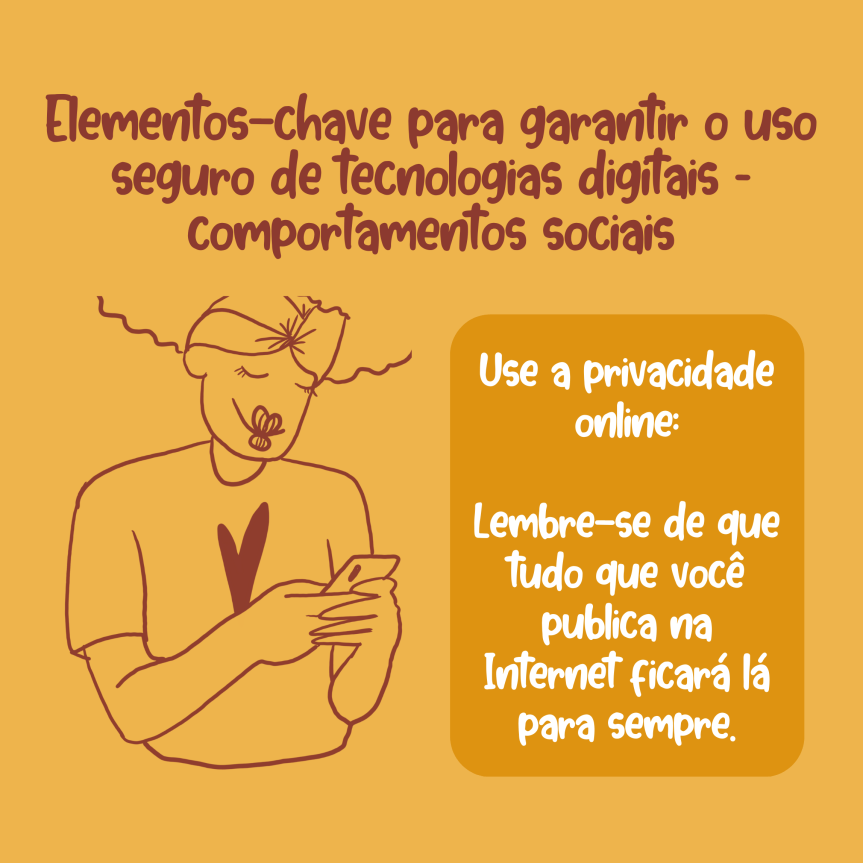
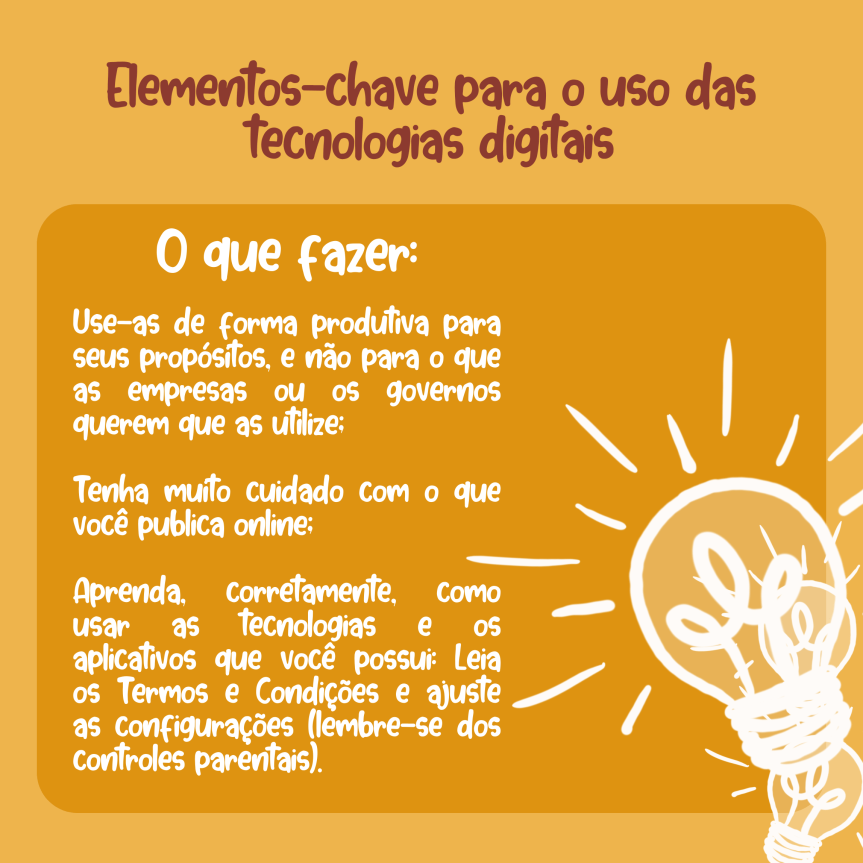
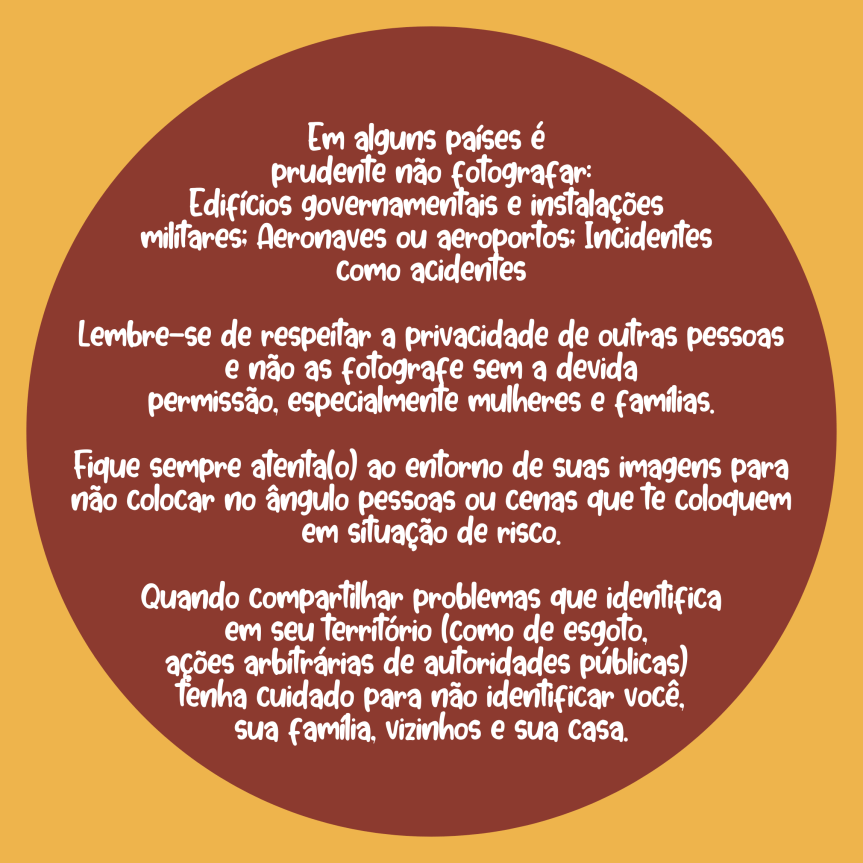
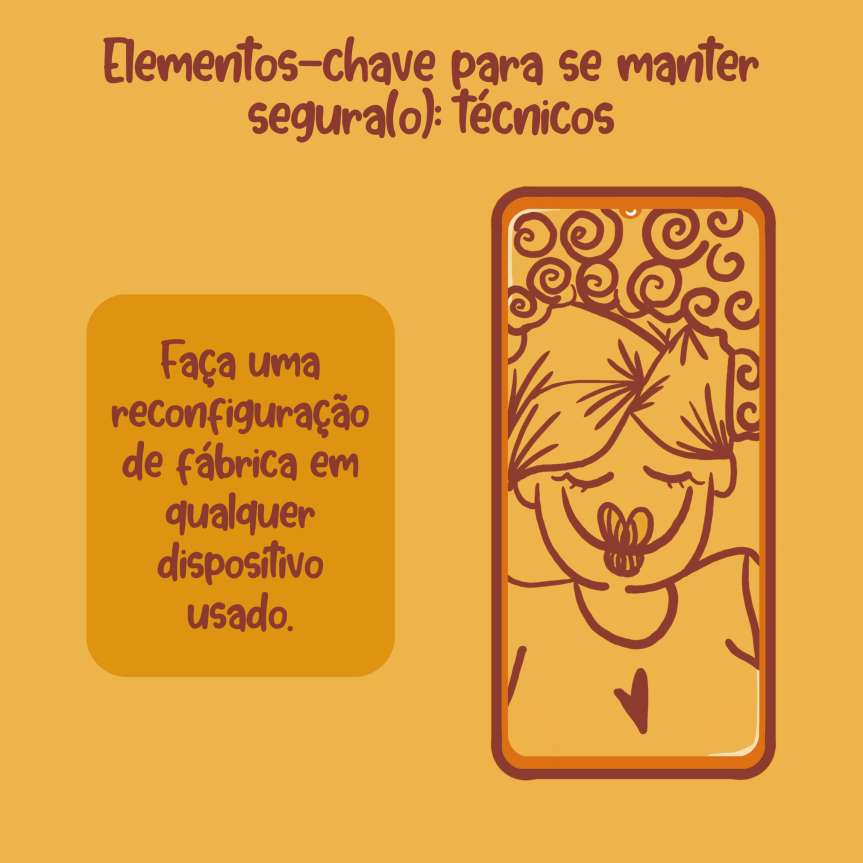
We undertook an Outcomes Meeting to gather qualitative feedback on impacts and outcomes from our activities during 2024 with our main partner organisation, Casa Resistências in the Maré favela of Rio. The team at Casa Resistências, an LBT advocacy organisation and a shelter for women fleeing violence and abuse, had previously collaborated with us on activities relating to the safe, wise and secure use of digital technologies nas periferiasincluding a workshop led by Dr Heloisa Melino and the creation of a range of beautiful resources on digital safety designed by local graffiti artist, JLo. These and related activities were aimed at helping activists and others remain safe online while they report on rights violations and undertake their advocacy campaigns. Hari’s visit offered the opportunity to reflect on our activities and their impacts and outcomes.
Kimberly Veiga from Casa Resistências explained that our collaboration had helped build capacity and enabled them to undertake further activities with local partners such as Fiocruz University on online safety for activists and others in the favelas. She spoke of the impact of online harms for people in her context including online scams, digital identity theft and violence.
This collaboration has allowed us to think about technology as a route to access rights and it has opened another avenue for us to obtain wider support… It has helped us connect with wider networks of support. We now exchange experiences and access support from across the country, including psychological and therapeutic care…Thanks to this collaborative work, we have now created a new agenda on digital for our organisation
Kimberly Veiga, Casa Resistências
Kimberly spoke of the cascading effect of our collaboration that led them to undertake activities relating to the challenges faced by lesbian mothers and the creation of trustworthy resources to support them, similar to the ones we helped create on the safe, wise and secure use of digital tech by vulnerable groups in the Brazilian periferias. Fernanda highlighted the importance of our resources not only as a means to disseminate messages on online safety at all the events they attend but also as a means to enhance the visibility of the broader advocacy work being undertaken by Casa Resistências.
The visit also enabled Hari and Heloisa to meet with Voz das Comunidades, a community media organisation based in the Complexo do Alemão (Alemão complex of favelas in Rio) where they presented their ongoing work on the safe, wise and secure use of digital tech in the peripheries. The team at Voz shared their experiences of working in the challenging context of the favelas and the importance of physical and online safety as they go about recording and reporting on community matters.
Voz das Comunidades and their Social Impact team expressed interest in working with us in the future. So, watch this space!
In summary, our impact agenda in Brazil funded by SSIA has allowed us to work with multiple organisations and communities in the peripheries of Rio to spread awareness on the safe, wise and secure use of digital tech by vulnerable groups, helped build capacity of both individuals and organisations and reach a broader range of groups through engaging workshops and creative activities and multimedia outputs relevant to the local contexts in Brazil. Hari hopes to continue further collaborative work in Brazil with Heloisa given the interest and enthusiasm shown by local organisations.
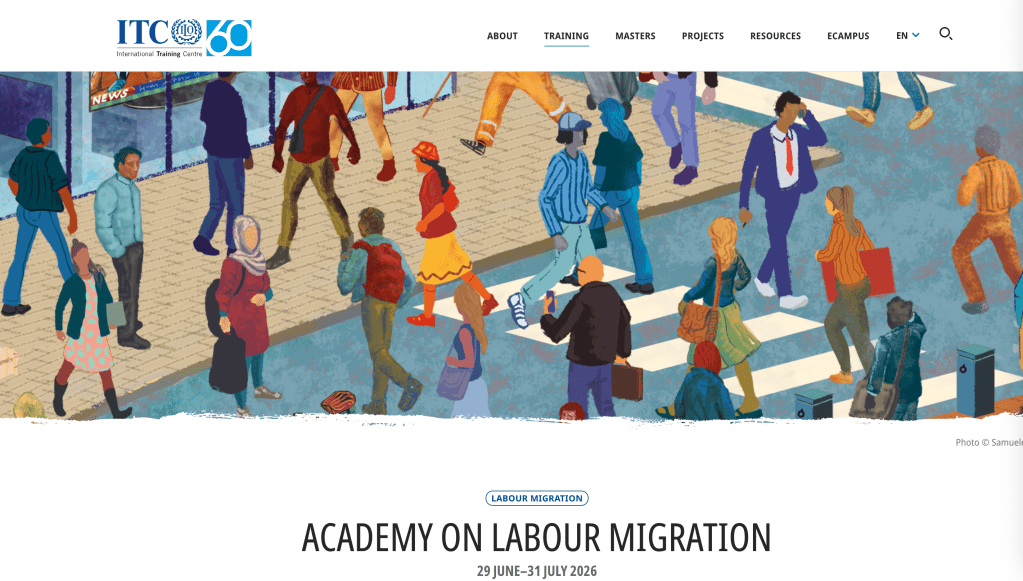
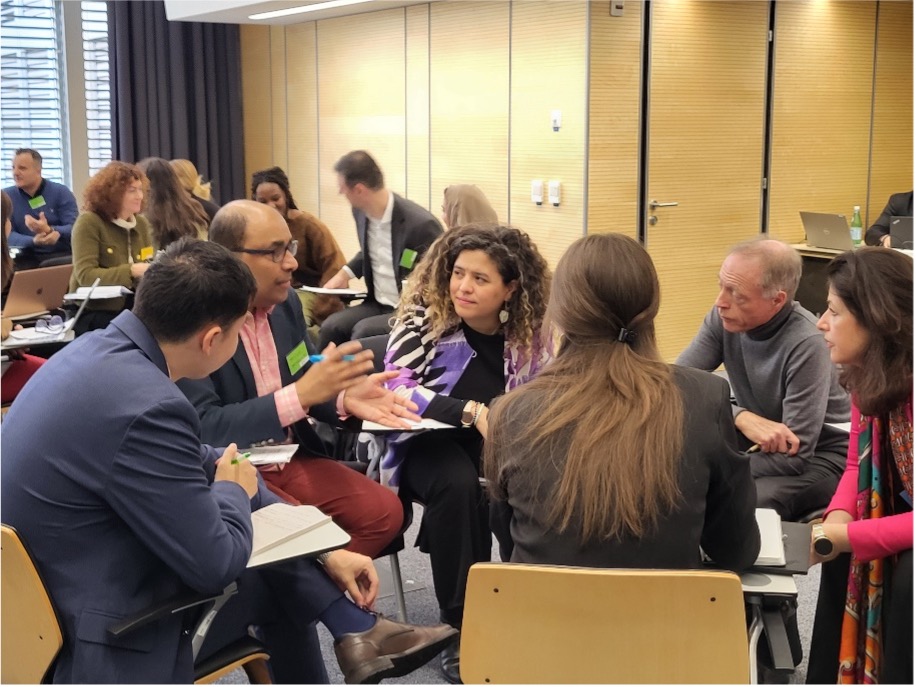
Today, I had the privilege of delivering a session titled “Digitalisation of Labour Migration Governance: Inclusive Solutions or Digital Solutionism?” at the ITCILO Academy on Labour Migration. The session brought together an incredible group of nearly 40 participants from diverse regions – Asia, Africa, the Caribbean, Pacific Islands, and Europe. This global audience included policy planners, government officials, workers’ and employers’ organisations, civil society representatives, activists, researchers, and journalists – all deeply engaged in the critical issues surrounding labour migration.
What stood out for me was the richness of the perspectives shared by participants on the role of digital technologies in this sensitive and complex domain characterised by huge power imbalances and varied digital capacities. Digitalisation of labour migration governance cannot be truly fair if it serves governments, employers and intermediaries and then disempowers vulnerable labour migrants, the very group it is meant to support. We must ensure that migrant voices are at the forefront of these efforts. Their experiences and needs are integral to shaping solutions that are equitable, inclusive, and just.
Let us keep working together to amplify and centre the voices of migrants in this important conversation.
The multistakeholder digital tech communities associated with the UN system seem unlikely to deliver on the SDGs by 2030, despite the efforts of those involved in developing and implementing the Global Digital Compact (2024). In particular, SDG10 on reducing inequalities remains insufficiently addressed, with much emphasis instead continuing to be placed on maximising economic growth through innovation. All too often the most marginalised, especially those with disabilities, LGBTIQ communities, women in patriarchal societies, the elderly, ethnic minorities and refugees, are in practice made yet more marginal through the adoption of the latest digital tech by those more powerful and richer than they are.
UNDESA, ECOSOC/CSTD, many other UN agencies, and the IGF process are all conducting widespread consultations about the future of “digital and development” and the WSIS Process, but these have still not sufficiently addressed the tendency for digital tech to be used to increase inequalities, rather than to address issues of inequality and equity. Our interactive session is the culmination of a consultation process during the three months before the annual WSIS Forum through which people across our different networks have contributed their ideas to what the five highest priorities should be for governments, the private sector, civil society and the UN system in creating greater equity in the use of digital tech. The findings of this process will be presented during the session, and participants invited during the session to add to the recommendations through the interactive development of a mind map on marginalization that will provide a very specific output to feed into the wider ongoing debate within the UN system about digital tech and equity.
Please make your voice heard beforehand
Everyone is invited to contribute before the session through a short (max 10 minute) online survey available at: https://app.onlinesurveys.jisc.ac.uk/s/rhul/digital-equity-wsis2025. This will form the basis of our conversations in Geneva, and so even if you cannot attend in person please do copmplete this survey about what needs to be done to ensure that the poorest and most marginalised can indeed benefit from the use of digital tech.
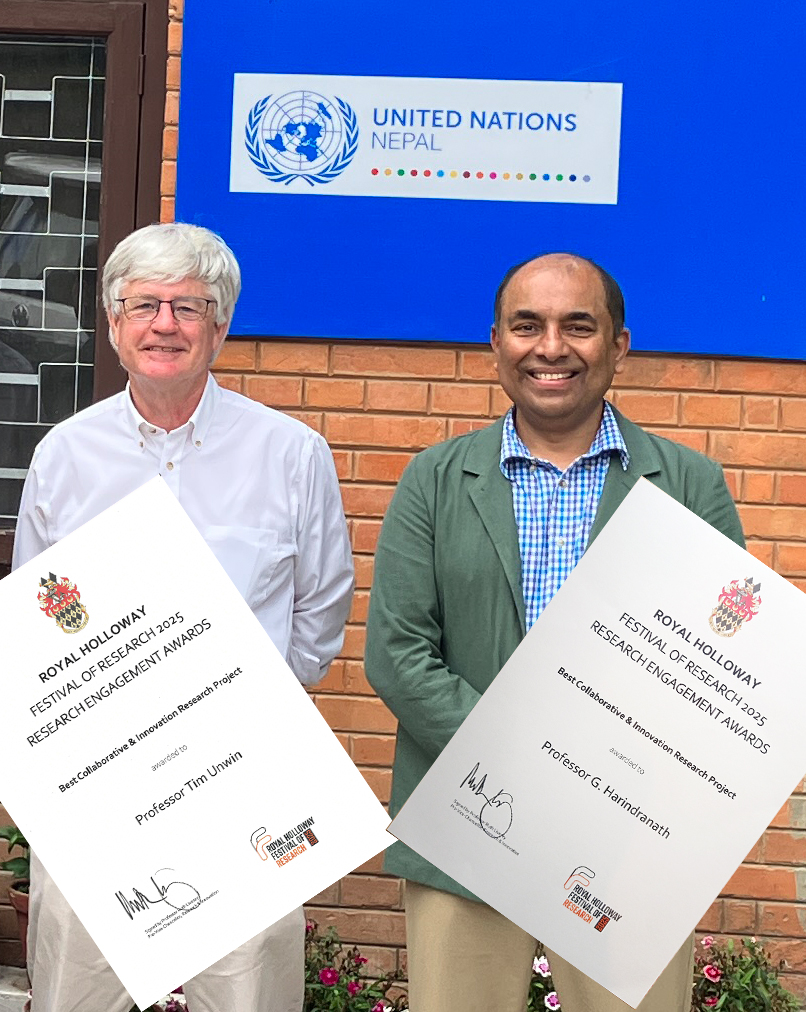
We are delighted to share the news that Profs G. ‘Hari’ Harindranath and Tim Unwin have received the award for “Best Collaborative and Innovation Research Project” from Royal Holloway, University of London for 2025 at their annual Festival of Research on 19th June for their ongoing research-practice with many other organisations across four continents on the safe, wise and secure use of digital tech in marginalised/peripheral communities, working especially with migrants and refugees. [The background to the image on the right is from one of their visits to the UNESCO offices in Nepal in 2023]
Their ‘project project was informed by social science research and resulted in the generation of interventions and training resources that were adopted by community groups and NGOs’ … To deliver outputs at scale, they have ‘engaged innovatively with international stakeholders, including third sector organisations (NGOs), international bodies (UNESCO, IOM, ILO) and key industry partners (community tech organisations). The sheer size, scale and duration of project activities are testament to the hard work’ they have invested. ‘Generating partnerships on such a global scale will not have come without its challenges, so [they] should be incredibly proud of [their] achievements in undertaking such a huge project’
Awards citation for research collaboration and innovation, Royal Holloway, University of London
More details of their work can be seen as follows:
Their main contributions on migrant use of digital tech within the UKRI GCRF funded MIDEQ project (2019-2024) can be fiund through these links:
Links to main work in Nepal (including freely available resources)
Guidance for small civil society organisations in English and Portuguese (for Mozambique)
Many organisations are contributing to this ongoing research, and full acknowledgement to them all is given in the links above.
A list of selected academic publications relating to this research:
Lorini, M.R., Harindranath, G. and Unwin, T. (2025) Responsible Digital: Co-Creating Safe, Wise and Secure Digital Interventions with Vulnerable Groups, Information Systems Frontiers, https://link.springer.com/article/10.1007/s10796-025-10611-4
Harindranath, G., Unwin, T., Lorini, M.R. (2024). The Design and Use of Digital Technologies in the Context of South–South Migration, in: Crawley, H. and Teye, J.K. (eds) The Palgrave Handbook of South–South Migration and Inequality, Cham: Palgrave Macmillan. https://doi.org/10.1007/978-3-031-39814-8_23
Harindranath, G. , Unwin, T. and Lorini, M.R. (2023) Rethinking digital tech policy for (and with) migrants, Chapter 8 in: UNRISD (United Nations Research Institute for Social Development) and MIDEQ (Migration for Development and Equality) Migration and Inequality in the Global South: Evidence from the MIDEQ Hub, Geneva: UNRISD, 36-40.
Harindranath, G. and Unwin, T. (2022) Digital technologies, migration and the SDG agenda, in: Piper, N. and Ditta, K. (eds) Elgar Companion to Migration and the SDGs, Cheltenham: Edward Elgar (in press)
Unwin, T., Marcelin, L.H., de Souza e Silva, J., Otero, G., Lorini, M.R., Anyadi, C., Gonçalves, D.M., Sato, D.P. and Harindranath, G. (2022) Uses of digital technologies by migrants from Haiti and to Brazil, Egham: UNESCO Chair in ICT4D, Royal Holloway, University of London, Working Papers No.4.
Majidi, N., Kasavan, C. & Harindranath, G. (2021) In support of return and reintegration? A roadmap for a responsible use of technology, in: McAuliffe, M. (ed.) Research Handbook on International Migration and Digital Technology, Cheltenham: Edward Elgar, pp. 220-236.
Unwin, T., Ghimire, A., Yeoh, S-G., New, S.S., Kishna, S.S., Gois, W., Lorini, M.R. and Harindranath, G. (2021) Uses of digital technologies by Nepali migrants in Malaysia, Egham: UNESCO Chair in ICT4D, Royal Holloway, University of London, Working Papers No.1.
Harindranath, G. and Unwin, T (2019), Digital technologies and migration: Reducing inequalities or creating new ones?, TREO Talk, International Conference on Information Systems, 15th December, Munich, Germany.
Harindranath, G. (2019) Digital technologies, migration and inequality, Presentation, Copenhagen Business School-Royal Holloway School of Management Joint Workshop, 16th September, Royal Holloway, UK.
To find out more about our work, do get in touch through our Contact Page.
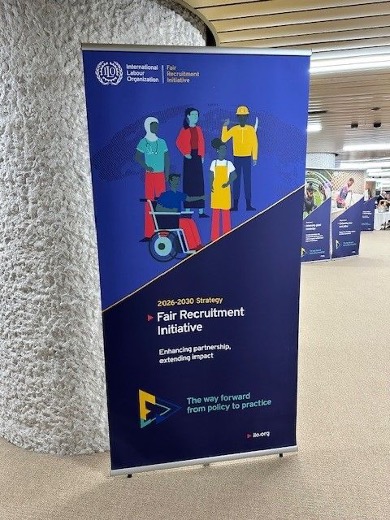
Digital technology is rapidly transforming the way migrant workers are recruited, bringing both new opportunities and serious risks. The interactive panel session examined emerging digital solutions that aim to promote fair recruitment – from tools used by workers to platforms leveraged by governments, inspectors and employers – and unpacked the associated risks and opportunities, and discussed actionable insights from participants on what works, what doesn’t, and how digital tech can be better harnessed to protect migrant workers.
Hari participated in a panel that also included representatives from the International Trade Union Confederation and The Adecco Group, one of the world’s largest human resources and temporary staffing firm.
Hari’s contribution questioned the uncritical application of digital tech in contexts of vulnerability that can cause harms, exacerbate existing inequalities and even create new ones. If digital technologies are to be used to advance fair recruitment of labour migrants, then it requires responsible digital practices that balance tech with supportive human interventions and a sustained focus on the safe, wise and secure use of digital tech by migrants.
Hari had previously been invited to contribute to the Global Forum on Migration and Development’s (GFMD) preparatory roundtables on ‘New Technologies and Digitalization: Improving Migration Management and Regular Migration Pathways’ in Geneva during February 2025 (and online in November 2024) in preparation for the 2025 GFMD Summit in Colombia.
Created in 2007, the Global Forum on Migration and Development (GFMD) is a state-led process connecting governments with civil society, the private sector, local and regional governments, youth, the UN system and other relevant stakeholders to helps shape the global debate on migration and development.
These significant policy engagement opportunities evidence the impact of our research-practice with vulnerable groups including migrants undertaken over the past six years, initially funded through a major UKRI GCRF grant and then through Royal Holloway’s Research England ODA and Social Purpose Research and Innovation Hub (SPRIH) grants (all in Nepal and South Africa) and through SSIA funding (in Brazil). Further details of this ongoing work can be found here (on the safe, wise and secure use of digital tech) and here (on our research-practice with migrants).
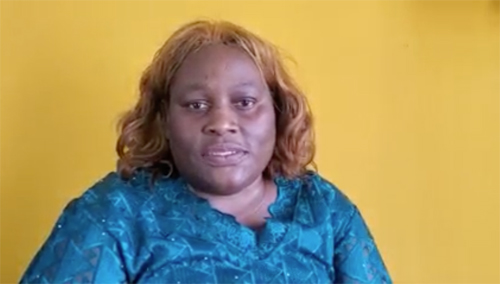
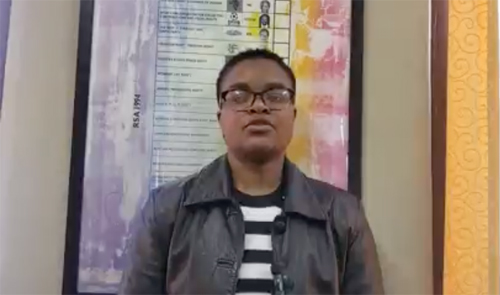
As part of our contribution to the UKRI GCRF funded MIDEQ project (2019-24), members of the ICT4D Collective (Dr. Maria Rosa Lorini, Prof. Tim Unwin and Prof. G ‘Hari’ Harindranath) worked with colleagues at the Scalabrini Institute for Human Mobility in Africa (SIHMA) in Cape Town to help train a group of migrants in video production. Our overall research-practice explored how migrants in South Africa (and other countries) wanted to use digital tech to improve their lives, and one of the things that these migrants to South Africa wished to learn was how to make better quality videos about their lives, their work and how to use digital tech safely (see here for more information).
Launch of Through Their Lives, in Cape Town, January 2024.
One output of this work was a powerful 30 minute film about their lives and aspirations entiteld Through Their Lives. Another was their creation of the Fusion Avenue channel on YouTube where they continue to post useful videos on all aspects of migrant life, as well as the safe use of digital tech. We also sought to introduce these migrants to organisations who might be able to use and further develop the skills they had gained, not least so that our work would have more sustainable outcomes lasting beyond the limited period of GCRF funding. A return visit to South Africa in October 2024 provided a valuable opportunity to explore ways further to enhance this process.
We have been delighted recently to receive positive and constructive feedback from SIHMA about how this work has continued, without our direct involvement.
Through your funding, we were able to support a group of migrant amateur media practitioners to co-create a series of short videos reflecting experiences and perspectives of people on the move. The project unfolded with both valuable successes and learning opportunities. (Fr. Filippo Ferraro, SIHMA Executive Director)
Our MIDEQ funding had only provided limited resources for training the migrants on the ground, and ideally we would have liked to have worked with them for longer in a more sustained way to provide greater opportunities for them to practise and develop their video making skills (see their Fusion Avenue channel). It was also not always easy for the migrants to participate in the training and find the time to practise, especially given their needs to balance such training with their other day to day tasks and income generating activities. Our initial training undoutedly enhanced their skills (see their reflections on outomes of our work together eight months after the end of MIDEQ), and has enabled many of them to improve their business profiles on social media. However, it was insufficient for them to acquire the level of skills necessary to produce video work of sufficient quality to earn a living from this alone. We were delighted, though, that SIHMA was able to support them and help to improve their skills. Through a small amount of further funding from us they were also able to provide new equipment for the migrants to improve the quality of their videos on Fusion Avenue. These challenges were again highlighted by SIHMA:
While the initial recordings were promising, a number of videos required reshooting and further editing to meet the desired quality. In response, we engaged an experienced external migrant collaborator to assist with editing and technical guidance. This collaboration greatly enhanced the final production outcomes. We also welcomed new participants, since we were not able to connect with those previously interviewed. They contributed fresh perspectives through interviews, enriching the diversity and authenticity of the narratives. To ensure sustainable impact, we purchased video equipment for Fusion Avenue that enabled them to produce content of a higher standard — an investment that we believe will support future initiatives beyond the scope of this project. (Fr. Filippo Ferraro, SIHMA Executive Director)
This crucially show the importance of continued support to migrants in helping them gain new skills, and we are immensely grateful to SIHMA for this crucial contribution.
Five videos were produced as a contribution to SIHMA’s “Narratives on human mobility” and “Atlas of African Migration”, and these are also available below (just click on the images below to watch the videos):
We are delighted that after a long process of ensuring that the quality and content were approproate, SIHMA was able to conclude that:
The final deliverables include a set of completed videos that stand as a testament to the creativity, resilience, and talent within migrant communities. These videos will be hosted on our SIHMA website and included in the initiatives “Narratives on human mobility” and “Atlas of African Migration”. This initiative has not only strengthened our training and outreach efforts, but it has also empowered beneficiaries with new technical skills and confidence in self-expression. (Fr. Filippo Ferraro, SIHMA Executive Director)
We look forward to continuing our work with migrants across southern Africa, to explore further how they can use digital tech to contibute positively to their lives. For our wider work on the Safe, Wise and Secure use of digital tech by economically poorer and more marginalised people across the world do access our resources here.
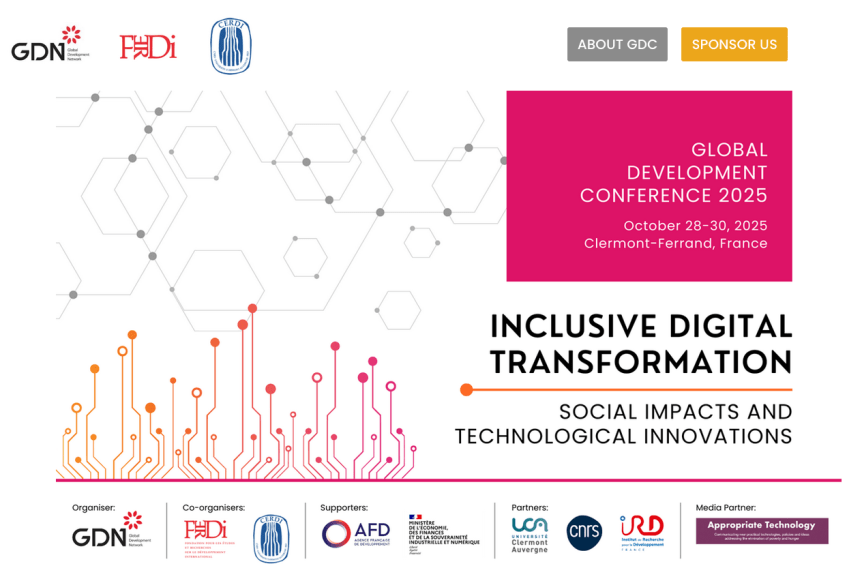
The ICT4D Collective is delighted to be assisting The Global Development Network (GDN) deliver its flagship Global Development Conference (GDC) 2025, taking place October 28-30 in Clermont-Ferrand, France, and virtually. Co-hosted by FERDI and CERDI, this year’s conference focuses on “Inclusive Digital Transformation – Bridging the Gap Between Promise and Reality.”
As ICT4D researchers and practitioners, we know technology holds immense potential for development, but we also see the risks of deepening inequalities and reinforcing existing power structures. GDC 2025 aims to foster a critical, evidence-based dialogue that moves beyond the hype. We’ll explore the complex interplay of social, economic, political, and ethical forces shaping our digital world, with a strong emphasis on learning from diverse global experiences, particularly within low- and middle-income countries (LMICs).
Get Involved Now! Call for Papers: this is the chance for researchers to share original research on digital inclusion, governance, the digital economy’s impact on social development, or technology for climate action. Contribute your evidence to inform policy and practice! Deadline: May 16, 2025.
What to Expect: GDC 2025 will feature inspiring keynotes, thought-provoking plenary discussions, and engaging, practical sessions designed for interaction. It’s a prime opportunity to connect with fellow researchers, policymakers, civil society representatives, and practitioners from across the globe.
Registration Coming Soon: Interested in attending, either in person or online? Participant registration will open shortly!
Stay updated and find all details on the official GDC 2025 website: conf2025.gdn.int
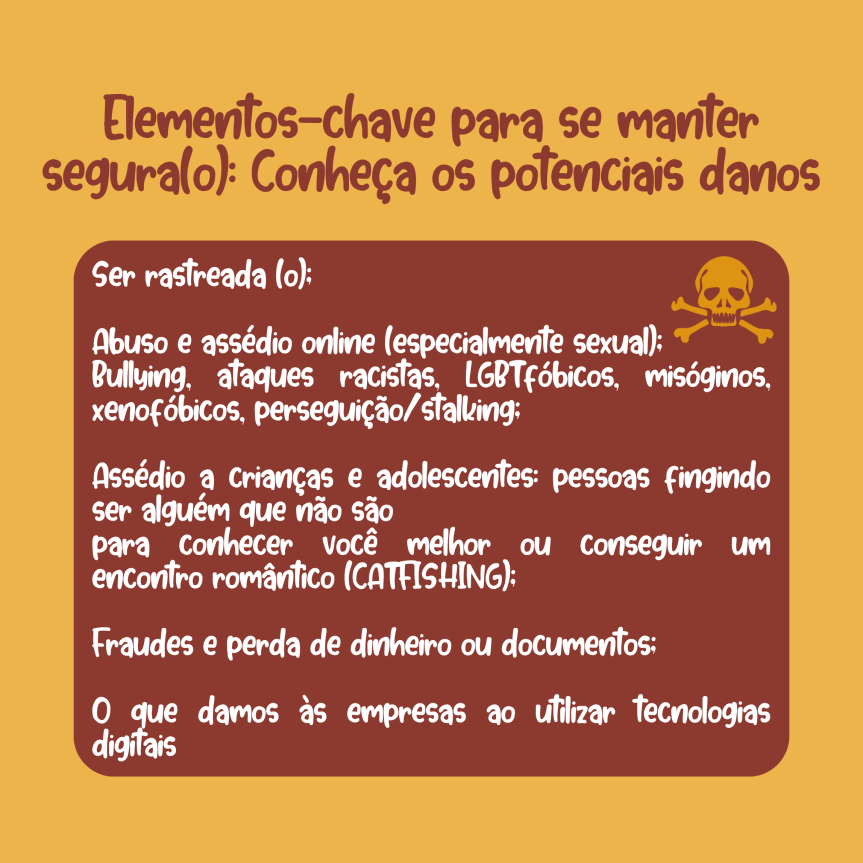
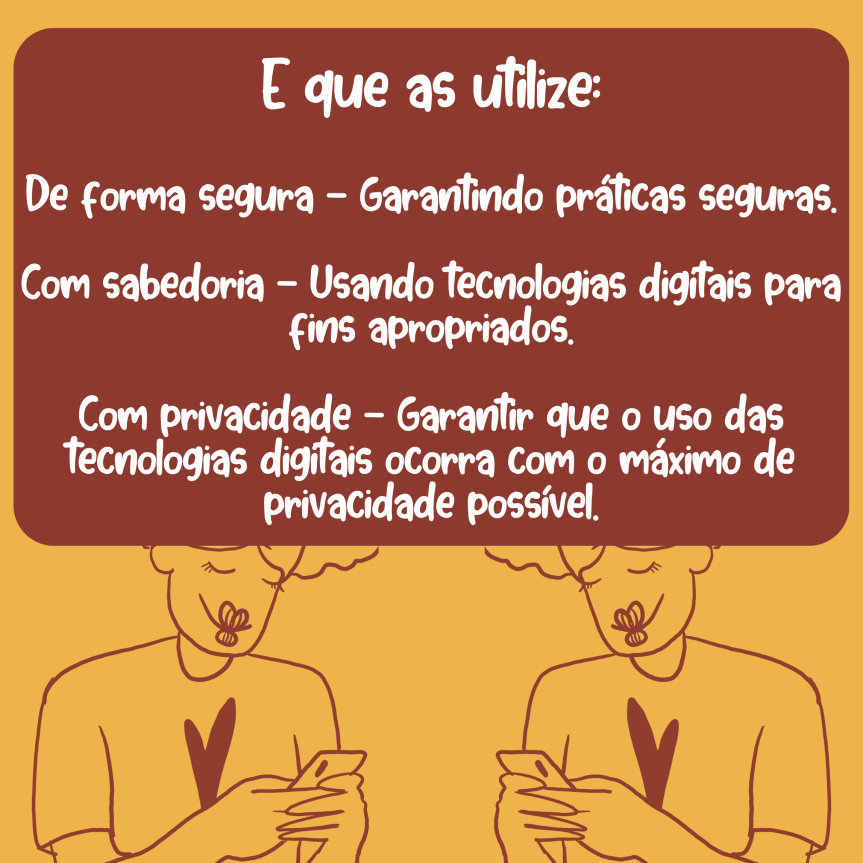
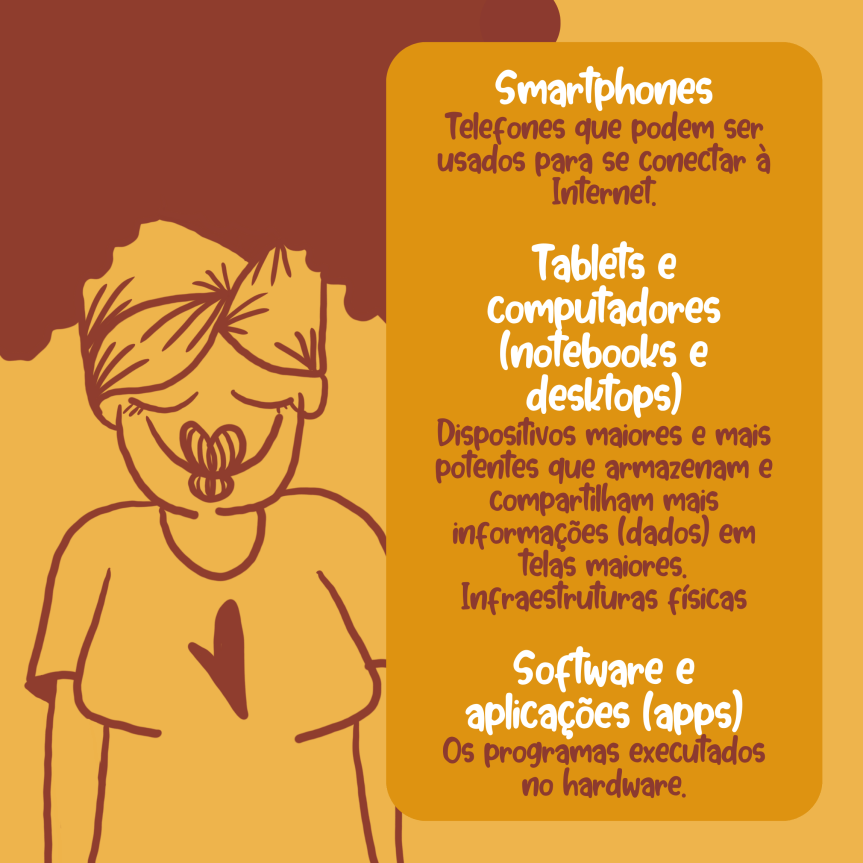
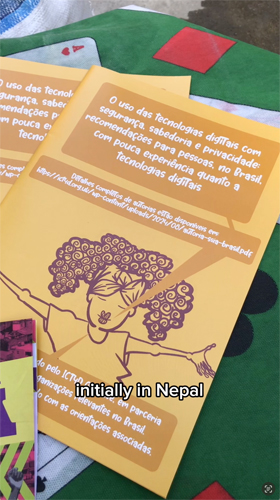
We have been working since 2020 with partners across the world to develop basic cybersecurity resources for migrants, especially in Nepal and South Africa (funded by UKRI GCRF) , and have more recently extended this work to other countries (with funding from ESRC Social Impact Accelerator, Reseaerch England ODA, and Social Purpose Funding throigh Royal Holloway University of London). One of the most exciting of these new initiatives has be the collaboration between G. “Hari” Harindranath and Tim Unwin from the ICT4D Collective, and Dr. Heloisa Meloni in Brazil. This has focused mainly on developing localised versions of our basic training materials originally developed in Nepal into Brazilian Portuguese, focusing especially on advice that would be useful to those living nas periferias and in the favelas.
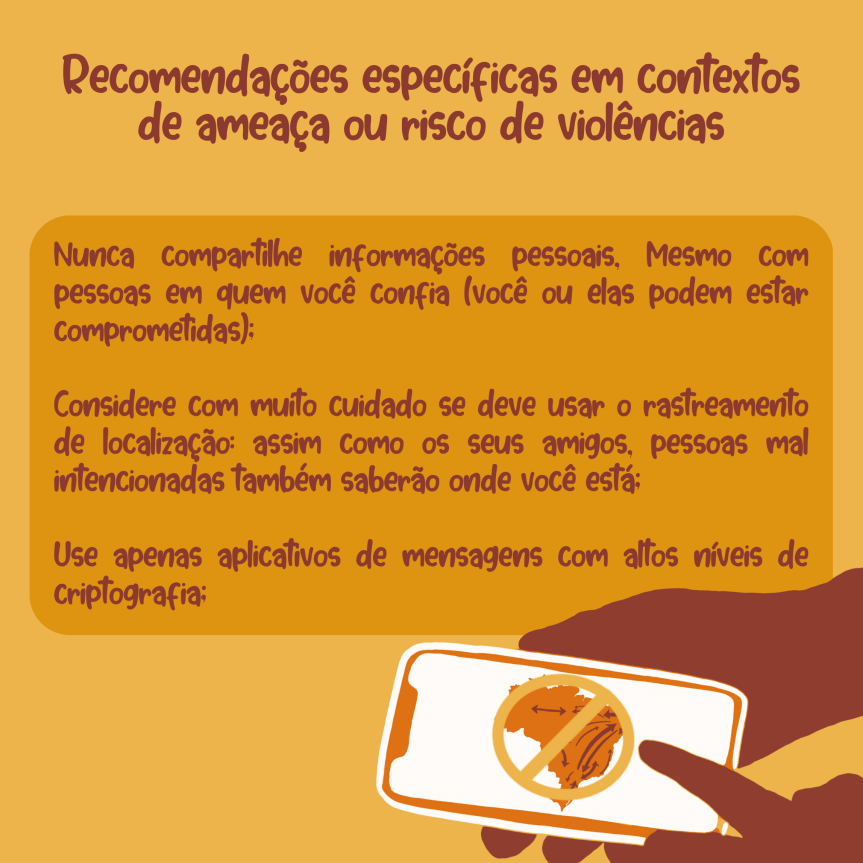
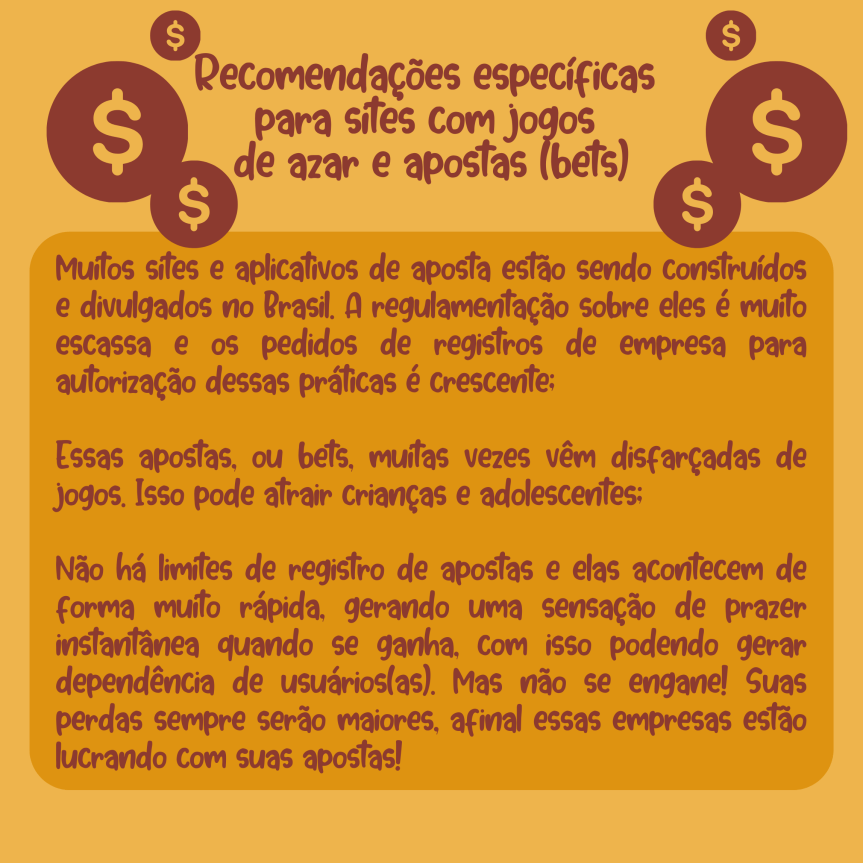
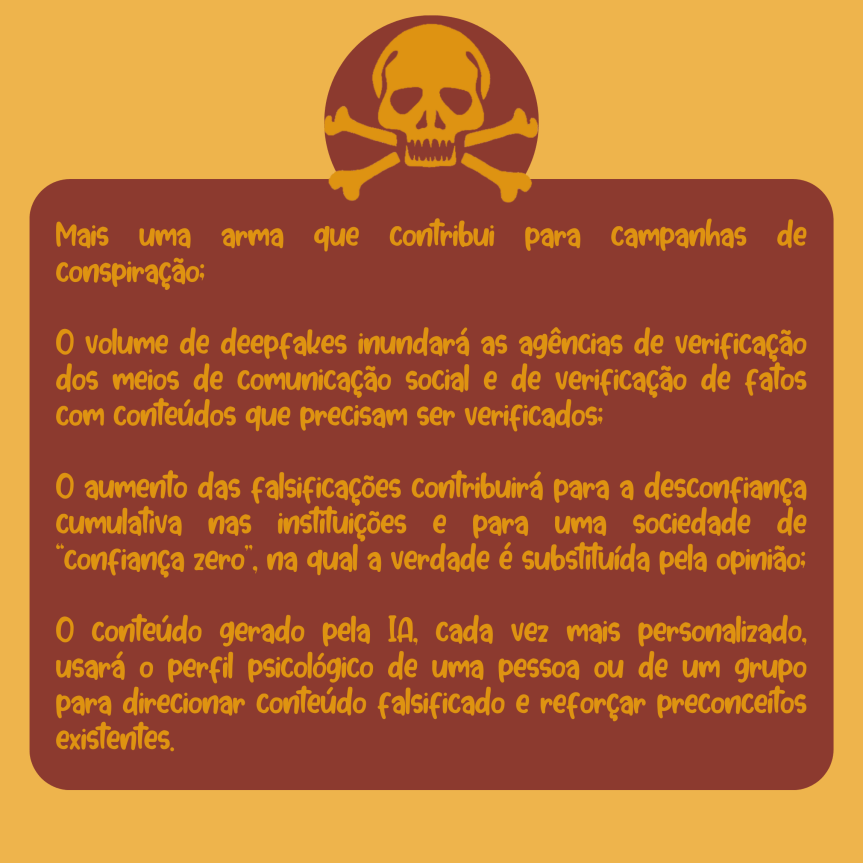
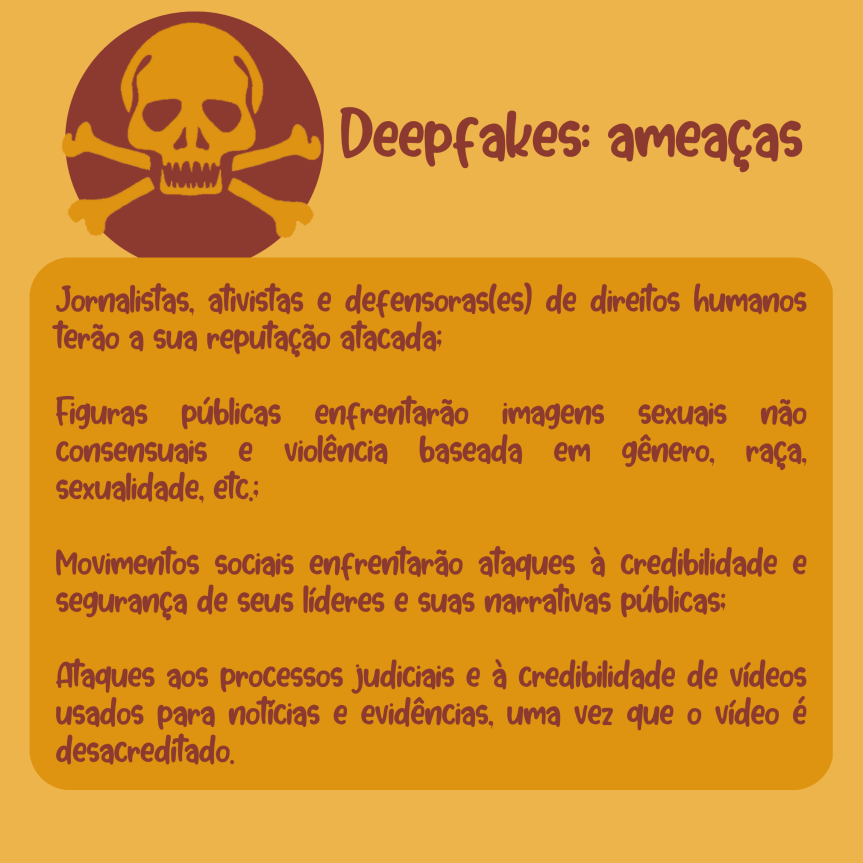
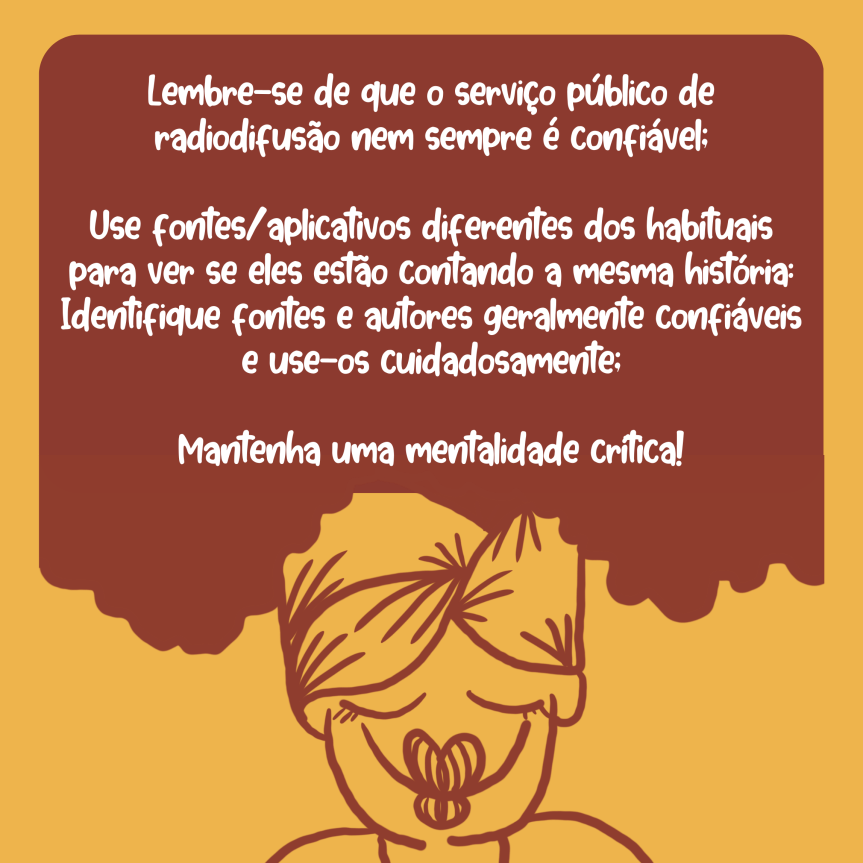
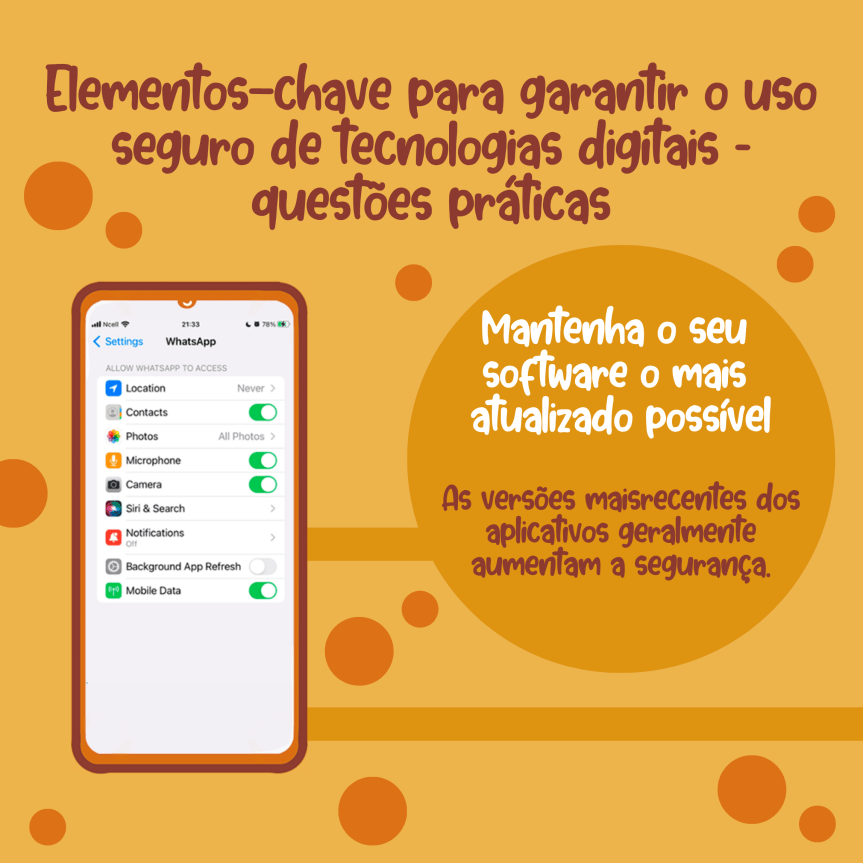
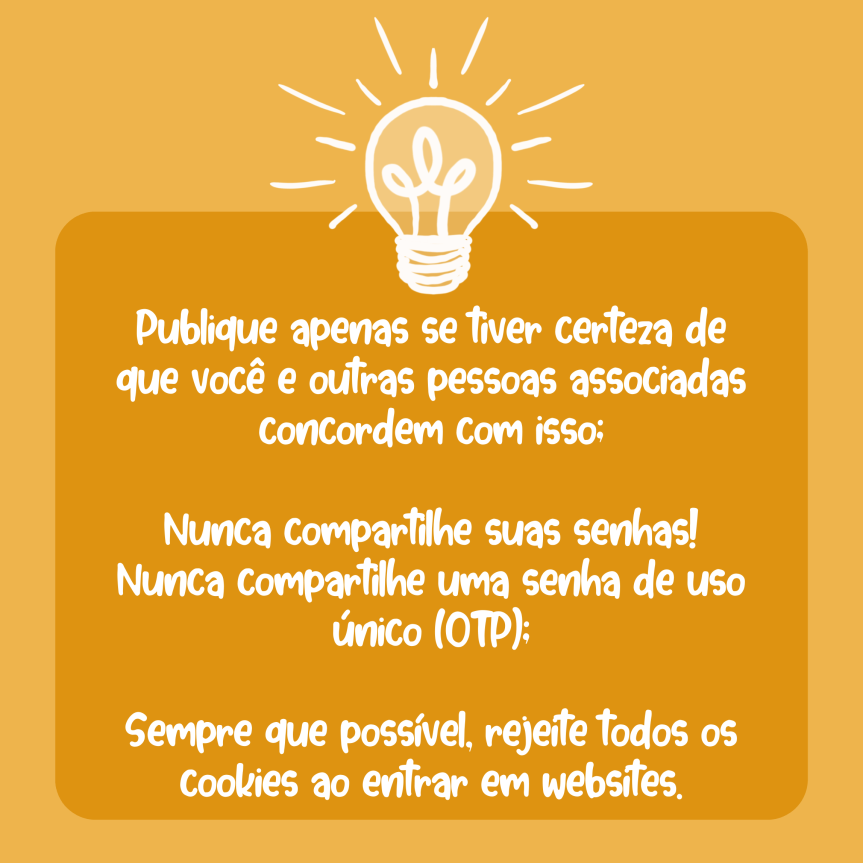
These resources were originally launched at a workshop on 12th September 2024 at the Casa Resistências in Maré, Rio de Janeiro, with a specific focus on how they could be used by the LBT community living there. Since then, the basic slide deck been subdivided into 16 short video clips by J Lo and Heloisa Melino and these can be shared on social media or used in many other ways to disseminate the advice on safe, wise and secure use of digital tech, especially for the LBT communities living in Brazil’s favelas. Some additional material is also included in clips 12-16 on topics such as deepfakes and using digital tech in violent contexts. Click on the links below to watch and listen to the videos:
We very much hope that these are helpful in many more Portuguese speaking contexts than just that for which they were original designed. They are made available under a Creatoive Commons BY SA license so they are free to use and adapt providing that new versions continue to be made available using the same license and appropriate credit is given.
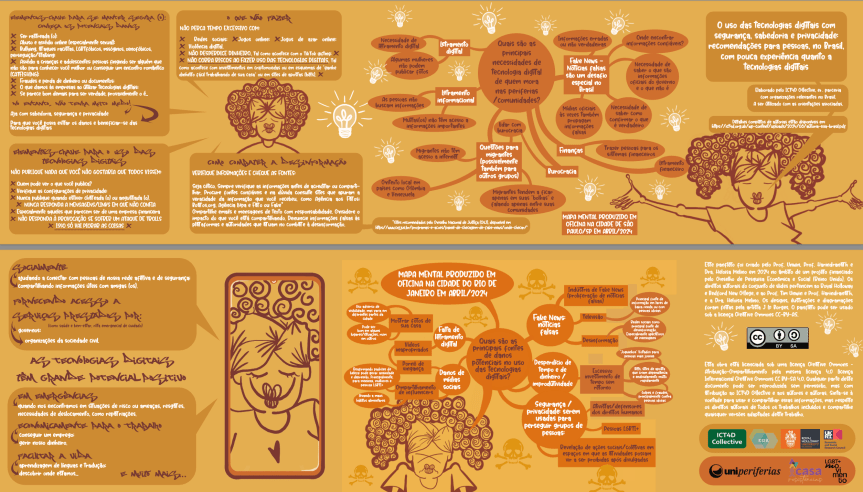
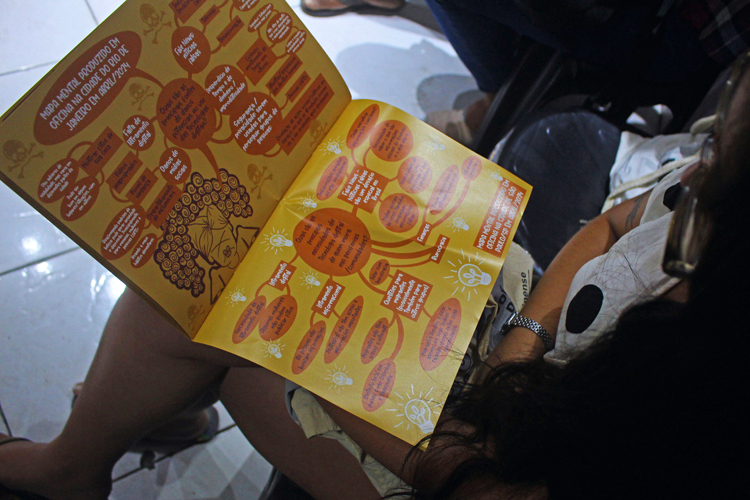
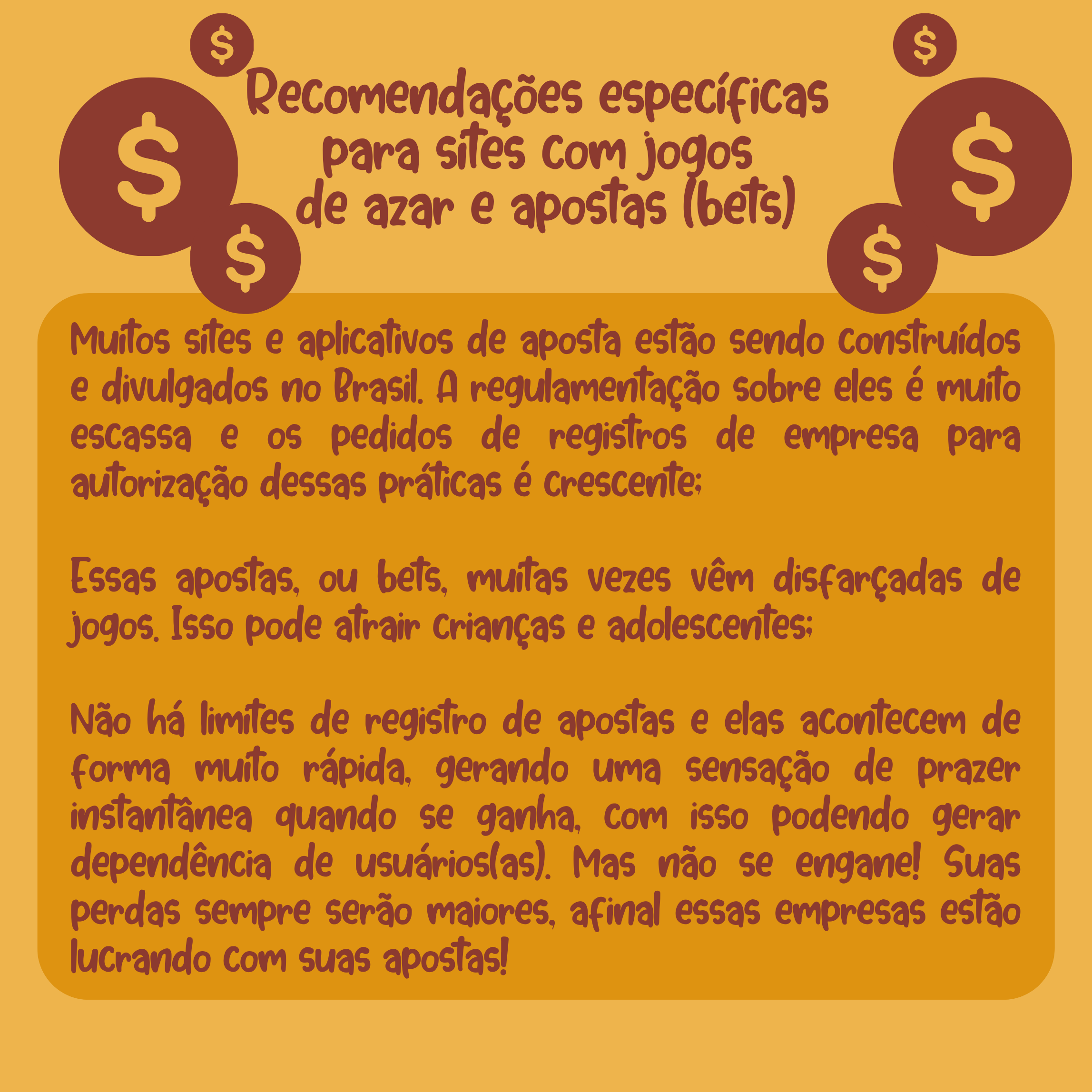
Building on our research-practice in the MIDEQ Hub, funded by the UKRI GCRF, between 2019 and 2024, we have been working with colleagues in Brazil during 2024 to reversion and develop resources on the safe, wise and secure use of digital technologies. These were originally created with migrants and migrant organisations in Nepal and South Africa, but discussions with Dr. Heloisa Melino in Rio de Janeiro in September 2023 suggested that they could also be useful for those living nas periferias of Brazil. Subsequent funding from the UK’s Economic and Social Research Council (ESRC) through its Social Science Impact Accelerator at Royal Holloway, University of London, enabled us to put this into action, and following design workshops in São Paulo and Rio de Janeiro in April 2024, a series of new resources were developed in formats that would be appealing, especially for the LBT community in Maré.
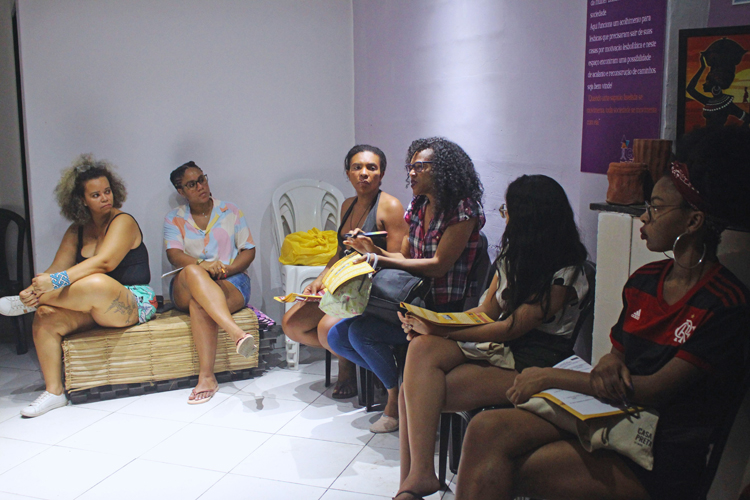
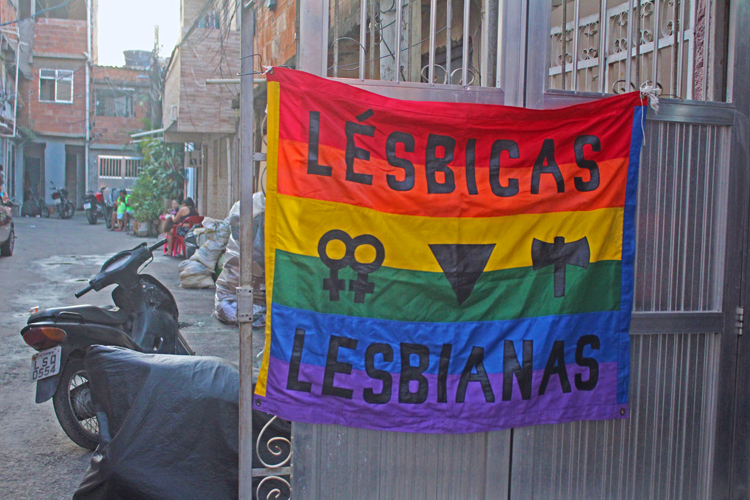
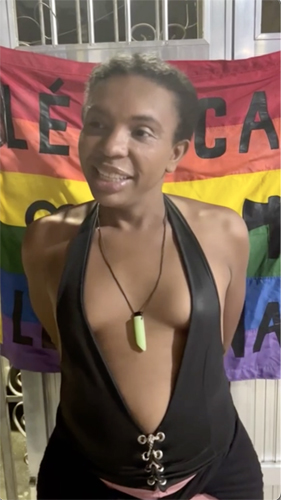
These resources were launched on 12th September at the Casa Resistências in Maré, Rio de Janeiro. This was a vibrant occasion and provided important validation both of the value of these resources, and of their significance especially for the LBT community. Huge thanks are due to our friend and colleague, Heloisa Melino, for all the work that she did in co-ordinating and delivering this inspirational event (see images below).
Participants in the launch workshop were eager to express their views about the value and importance of these materials, and created these inspiring videos (in Portuguese):
For more information about this research-practice do click in the links below: