By Prof. G. “Hari” Harindranath

Digital Awareness, Empowerment and Storytelling: A Digital Literacy, Online Safety and Video Storytelling Training Programme for Migrants, Refugees and Asylum Seekers in Cape Town, South Africa, 29 June – 4 July 2026
Prof. Harindranath was awarded £3660 Impact Support Funding from Royal Holloway, University of London to support impact activities delivered through partner organisation, Scalabrini Institute for Human Mobility in Africa (SIHMA), in Cape Town aimed at addressing critical digital literacy challenges affecting migrants, asylum seekers and refugees in South Africa, focusing especially on the safe, wise and secure use of digital tech. Building on the collaborative work undertaken with migrants in Cape Town and Johannesburg during the UKRI GCRF Migration for Development and Equality (MIDEQ) Hub’s ‘Digital Technologies and Inequalities’ work package led by Prof G. Hari Harindranath, Prof Tim Unwin and Dr Maria Rosa Lorini, this project delivered training activities to strengthen migrants’ digital competencies to ensure inclusion, protection, and participation. The training involved digital literacy, including the use of social media and online safety, and video storytelling, to provide vulnerable migrants with the ability to communicate effectively, share their experiences, and access opportunities.
Prior research through MIDEQ’s work package on digital technologies and inequality had highlighted the risks that result from limited digital literacy including online scams, misinformation, and exclusion from economic and social opportunities. Several intervention activities were delivered through MIDEQ including digital literacy training and video storytelling training to empower migrants to directly communicate their experiences in a context characterised by high levels of online and offline xenophobia and where migrant voices are often under-represented in mainstream narratives. The current project extended our MIDEQ work through another tranche of training, on this occasion led by our partner SIHMA, ensuring that such activities are embedded within their ongoing organisational activities and priorities.
The training was delivered under difficult circumstances as it coincided with a period of acute national tension around migration and anti-immigrant violence in South Africa during the last week of June 2026. The training was therefore compressed into five days rather than the six originally planned and due to safety concerns it was attended by 12 migrants rather than the 20 who had initially signed up. However, the project was still able to deliver important outcomes for those who participated and helped extend and sustain the legacy of our digital intervention work with migrants in South Africa and with SIHMA. Participant testimonials attest to improved technical digital and video storytelling skills acquisition, growth in confidence and self-awareness, better understanding of online consent and safety awareness (see their videos on videos Introspection and Thank you). In addition, this project also helped reconnect the participants with some of the migrants we had originally worked with during the MIDEQ project, facilitating continued community engagement and advocacy with institutional support from SIHMA. Their reflections on our ongoing work provide a very important source of understanding about the impact such initiatives can have, particularly when it is appreciated that everyone trained will then go on and share their knew knowledge with their families, friends and peers.
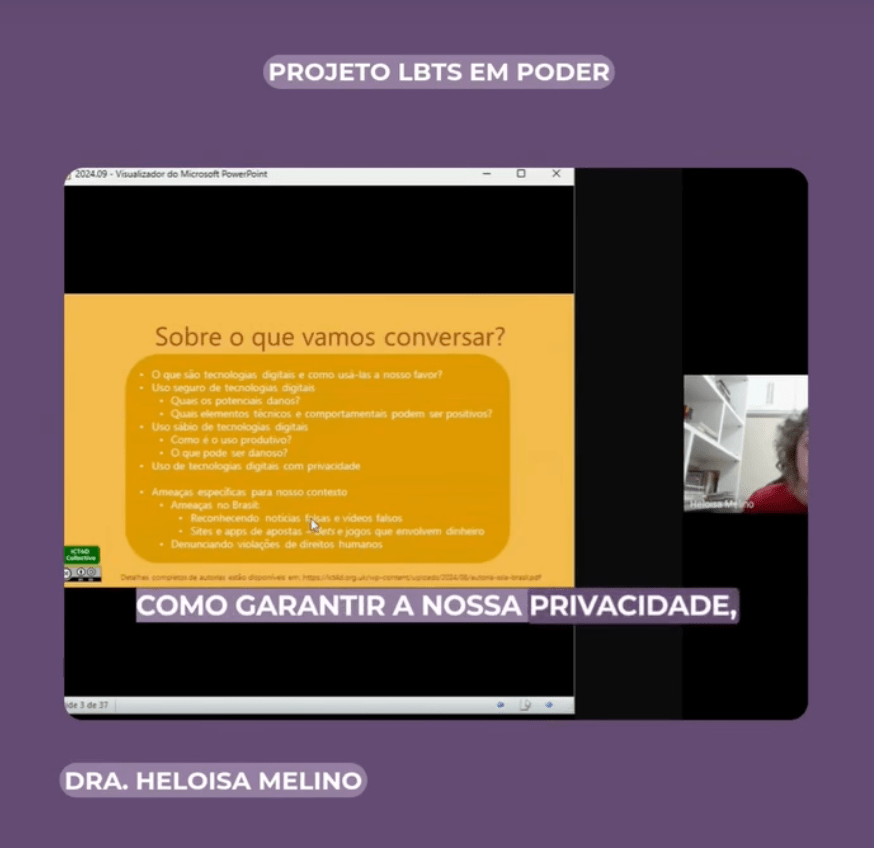
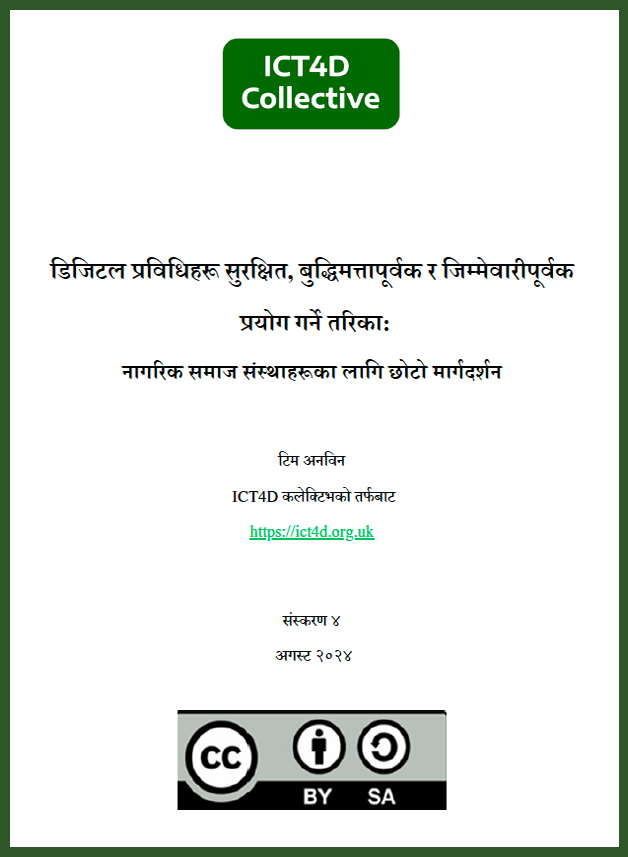
We thank Royal Holloway for the opportunity to continue our work in South Africa through this impact activity that helped reconnect with migrants previously trained through our MIDEQ project, build digital skills among a new and diverse group of vulnerable migrants, all while helping to embed and institutionalise such activities within the partner organisation in South Africa [for our related work in South America and Asia, see our country-level research pages for Brazil and Nepal)
A full report by our partner SIHMA is available here.