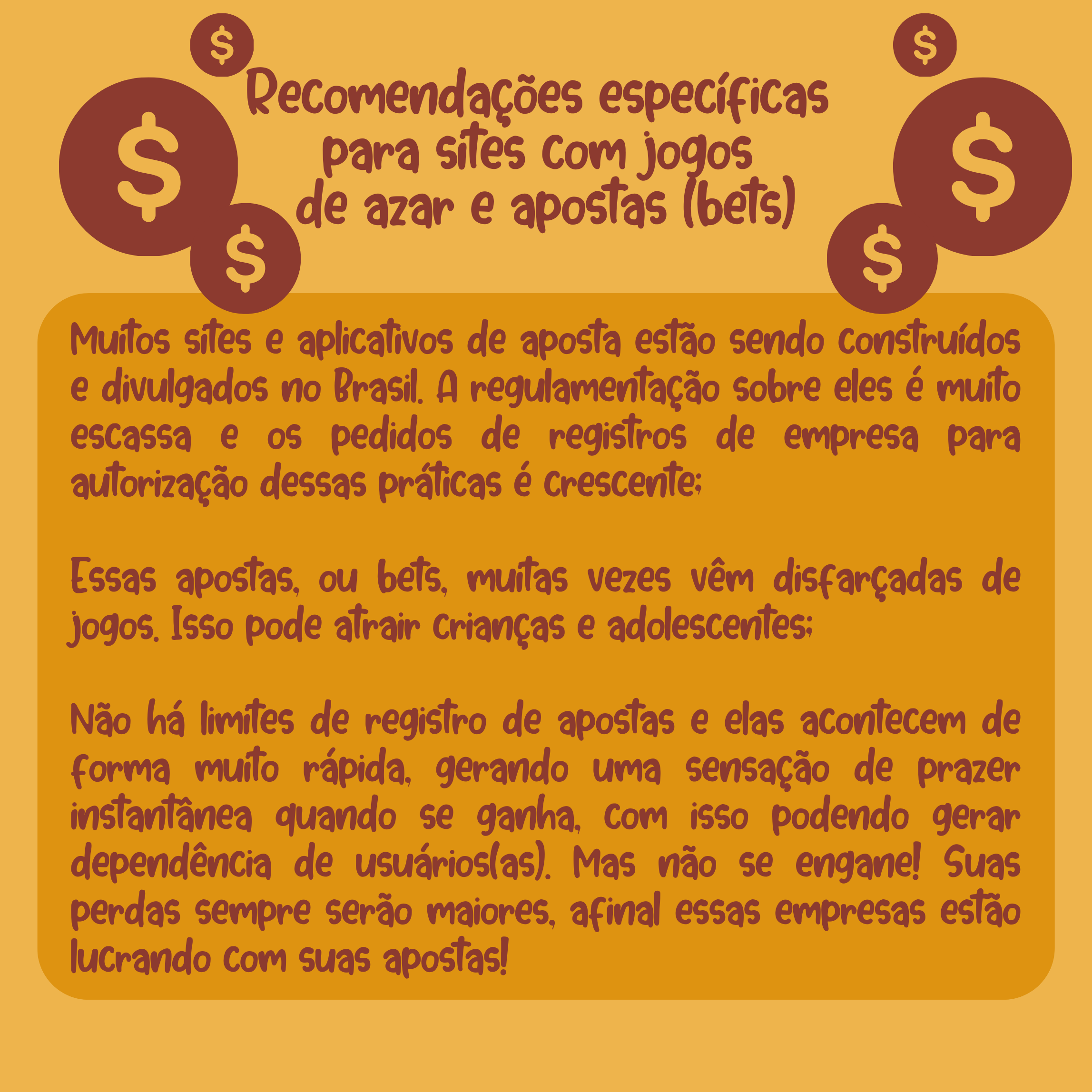
The main countries in which we worked with migrants to develop interventions that would improve their lives during the MIDEQ project were Nepal and South Africa (funded by UKRI GCRF, and led by Prof. G. “Hari” Harindranath and Prof. Tim Unwin). However, during conversations in Rio de Janeiro with Dr. Heloisa Melino (then working at IMJA) in September 2023, it became clear that some of the resources we had developed about the safe, wise and secure use of digital tech might be reversioned to serve the needs of people living at the peripheries of society (nas periferias) in Brazil. This was set against the wider context of discussions that we had been having with other members of the MIDEQ team about whether or not our research was really improving the lives of migrants and refugees (see our Working Paper, What works for migrants: reflections on research practice in the interests of migrants).
The design workshops
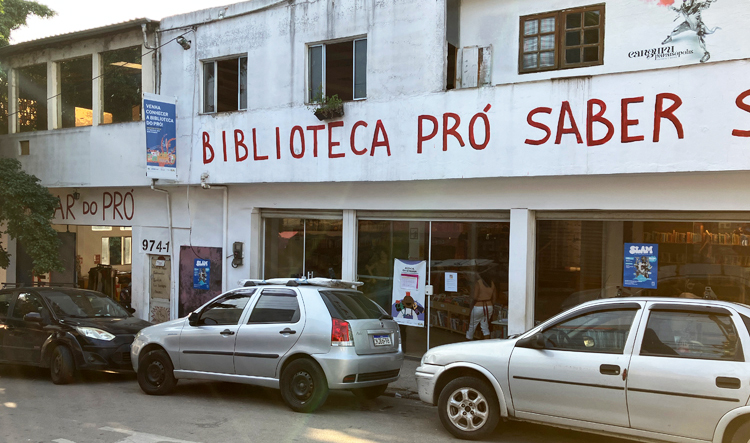
An offer of funding from the UK’s Economic and Social Research Council (ESRC) through its Social Science Impact Accelerator at Royal Holloway, University of London, enabled us to take this idea forward, and in April 2024 Tim Unwin and G. “Hari” Harindranath visited São Paolo and Rio de Janeiro to convene workshops and meet with organisations working with people at the peripheries, especially those living and working in the favelas of the two cities. We are especially grateful to Dr. Fernanda Scur for helping us in São Paolo, Dr. Heloisa Melino and colleagues at IMJA for assisting us in Rio de Janeiro, and to Emily Gow for all of her support in administering the grant.
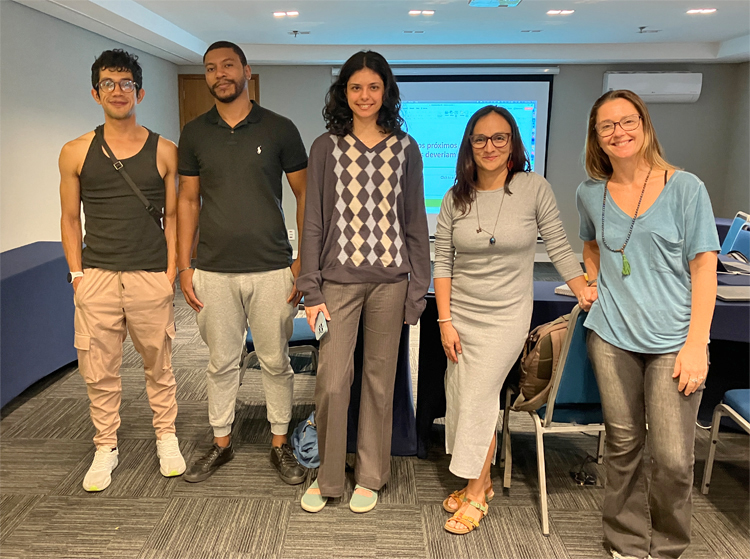
Workshop participants in São Paulo, April 2024

Workshop in Rio de Janeiro, April 2024
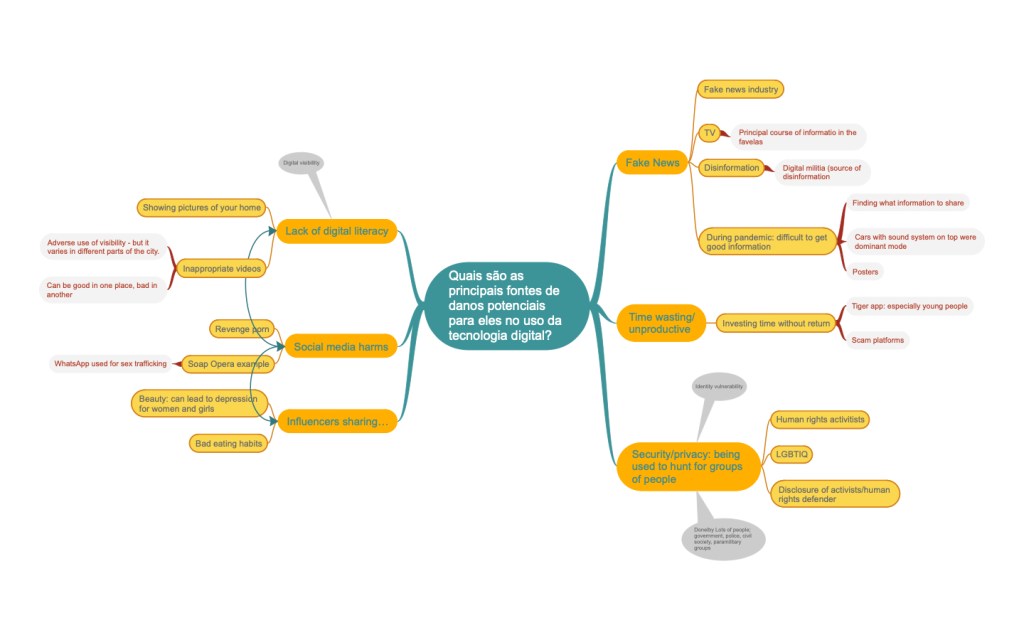
These workshops explored the main needs of digital tech by people living at the peripherires and the potential harms that they could encounter through such use, with the ultimate aim being to identify whether the resources we had previously created could usefully be reversioned in new formats to help them use digital tech more safely, wisely and securely. All of the workshop sessions were recorded in a series of mind maps, exemplified by this one from colleagues in Rio de Janeiro about the main harms of using digital tech.
Drawing on these workshops as well as discussions with other civil society organisations and colleagues at nic.br, we identified the following six main groups of people at the peripheries who participants thought could most benefit from such resources: immigrant youth, informal artisan entrepreneurs, single mothers with children, informal traders and service providers, senior citizens, and formerly gaoled LBT immigrant women. The next task was to agree on the best modalities for sharing information about the safe, wise and secure use of digital for reaching each group or community, with participants focusing on three main methods for reaching each group. Subsequently we explored the development of several of these approaches, including the use of short videos, pamphlets, street art, zines, and small group discussion themes. Participants also provided numerous suggestions for how the material contained in our original slide deck (developed in Nepal and South Africa) on the safe, wise and secure/private use of digital tech could be reversioned for the Brazilian context, and the new Portuguese language version of the slides and guidance notes for their use are provided below (thanks especially to Luana Guedes for the translations into Portuguese).
Resources in Brazilian Portuguese
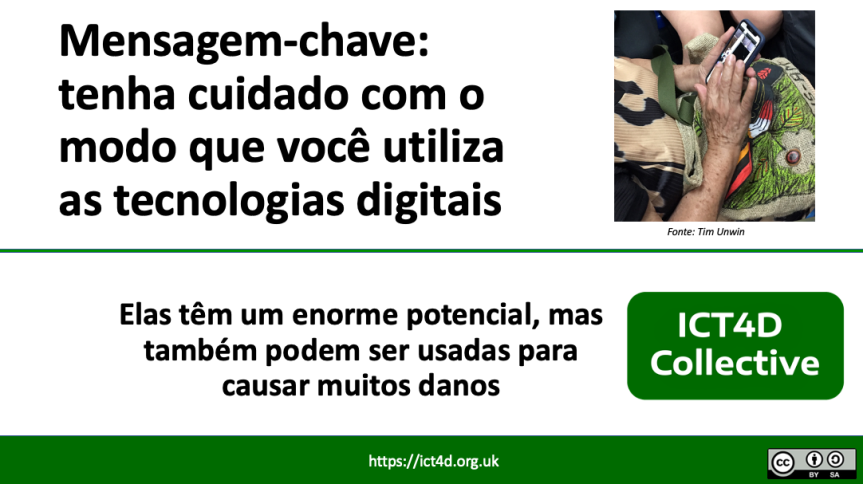

We were also asked if we could share some simple tips in Portuguese about basic video making, drawing on the work we had previously done as part of MIDEQ in South Africa and Nepal, so that the organisations that attended our workshops could learn from them. These are shared below (click on images for tips in Portuguese and English).


Subsequently, through the SSIA grant, we have worked with Dr. Heloisa Melino and her colleagues to develop a suite of resources in Brazilian Portuguese that are designed to appeal particulalry to the diverse communities nas periferias of Brazil. This work has now been carried forward on the ground by Heloisa Melina and colleagues (creating a slide deck and pamphlet, available in different formats below) and the new resources were launched at a workshop in Maré at the Nova Sede da Casa Resistências no Salsa e Merengueon on 12th September 2024.
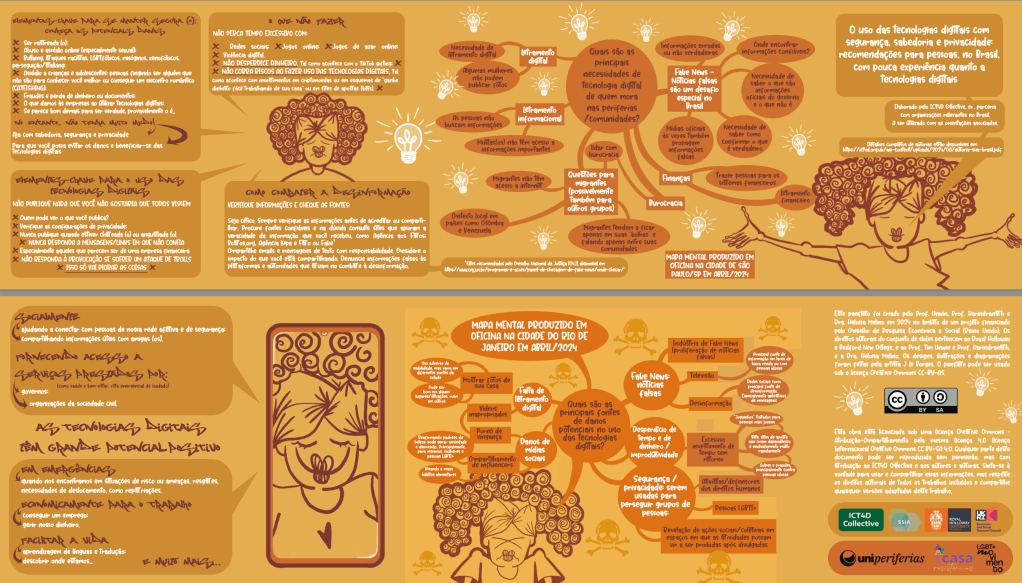
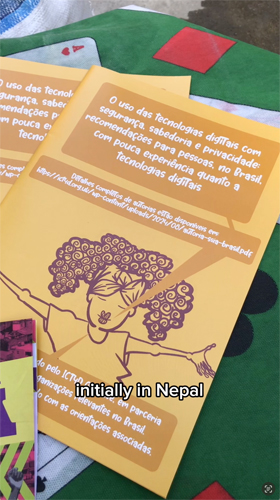
Two-page pamphlet entitled O uso das tecnologias digitais com segurança, sabedoria e privacidade: recomendações para pessoas, no Brasil, com pouca experiência quanto a tecnologias digitais (.pdf format)
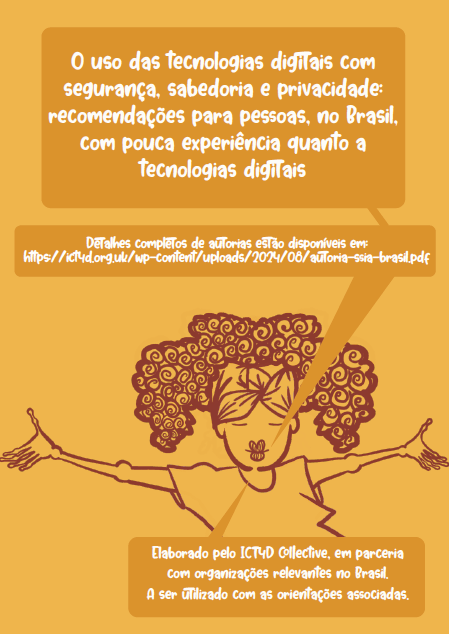
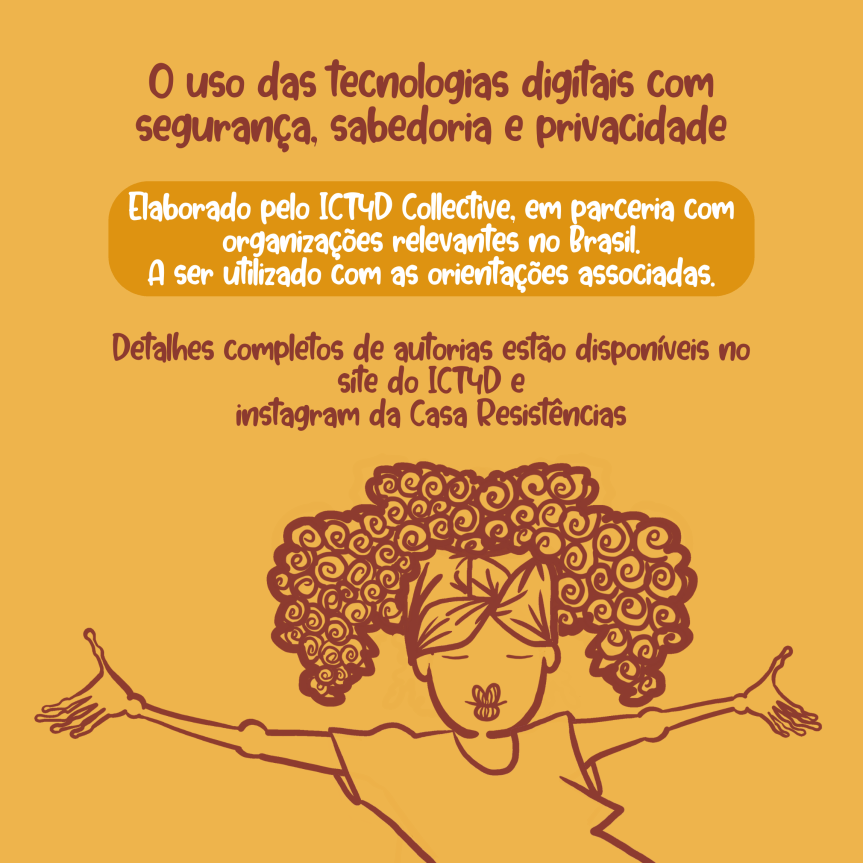
Cover and details of authorship and licensing (CC BY SA) of the above resources.
The launch workshop in Maré
The launch on 12th September 2024 was a vibrant occasion and provided important validation both of the value of these resources, and of their significance especially for the LBT community in Maré and indeed more widely – as shown in the images below. Huge thanks are due to our friend and colleague, Heloisa Melino, for all the work that she did in co-ordinating and delivering this inspirational event.

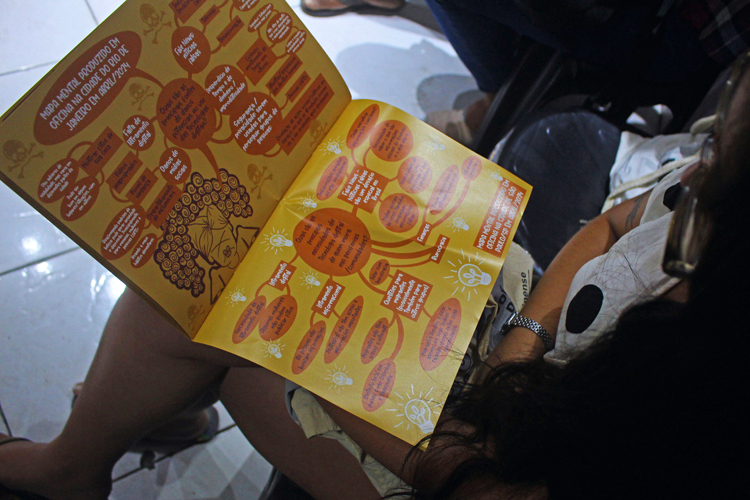

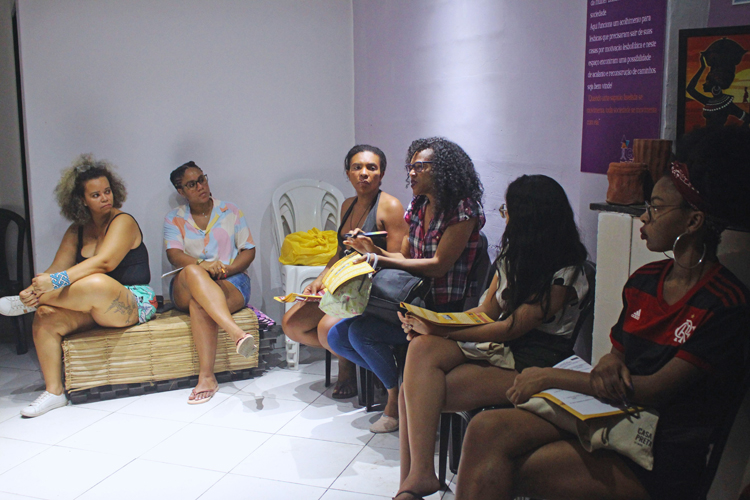
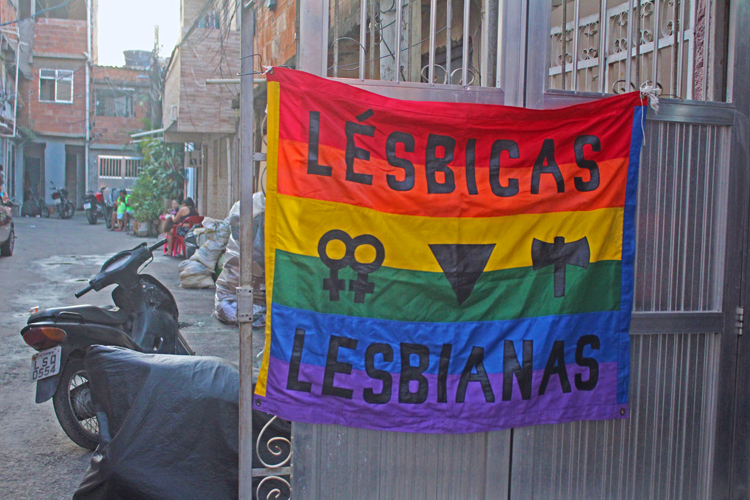
Two videos were also produced during the launch: one, a short video first posted on the Casa Resistências Instagram account, and the other a longer introduction to, and reflection about, the event with English sub-titles:

The text posted alongside the video on the Casa Resistências Instagram account speaks generously of the importance of these resources:
“Vou aprender a ler pra ensinar meus camaradas” Foi assim que nossa equipe produziu esse material tão bonito com o tema de segurança digital para moradores da favelas. Feito com a junção de todos os conhecimentos o lançamento contou com a presença de comunicadores comunitários da Maré, com a preciosa informação da advogada Heloisa Melino e com a troca de experiências entre um público que vive cotidianamente os perigos das fake news e suas consequências. Foi um lindo lançamento e agora esse material segue disponível. Curtiu? Quer esse material? Chama na DM!
Quer conhecer nosso cantinho? Ficamos na travessa colada no MC Salsa.[‘I’m going to learn to read in order to teach my comrades’ This is how our team produced this beautiful material on the subject of digital security for favela residents. Made with the combination of all our knowledge, the launch included the presence of community communicators from Maré, valuable information from lawyer Heloisa Melino and the exchange of experiences between a public that lives the dangers of fake news and its consequences every day. It was a beautiful launch and now this material is still available. Did you like it? Do you want this material? DM us! Want to see our little corner? We’re right next to MC Salsa.]
Participants in the launch workshop were eager to express their views about the value and importance of these materials, and created these inspiring videos (in Brazilian Portuguese) – click on the images to watch and listen:


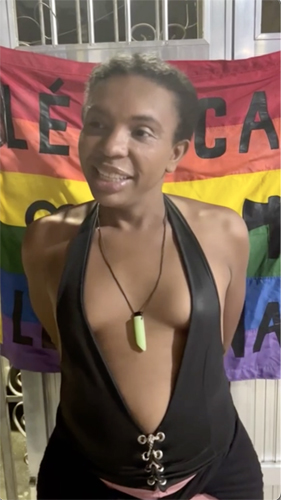
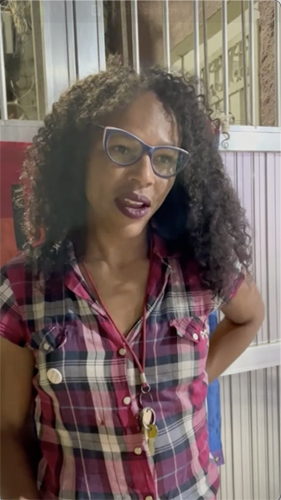
Short video clips based on the training resources
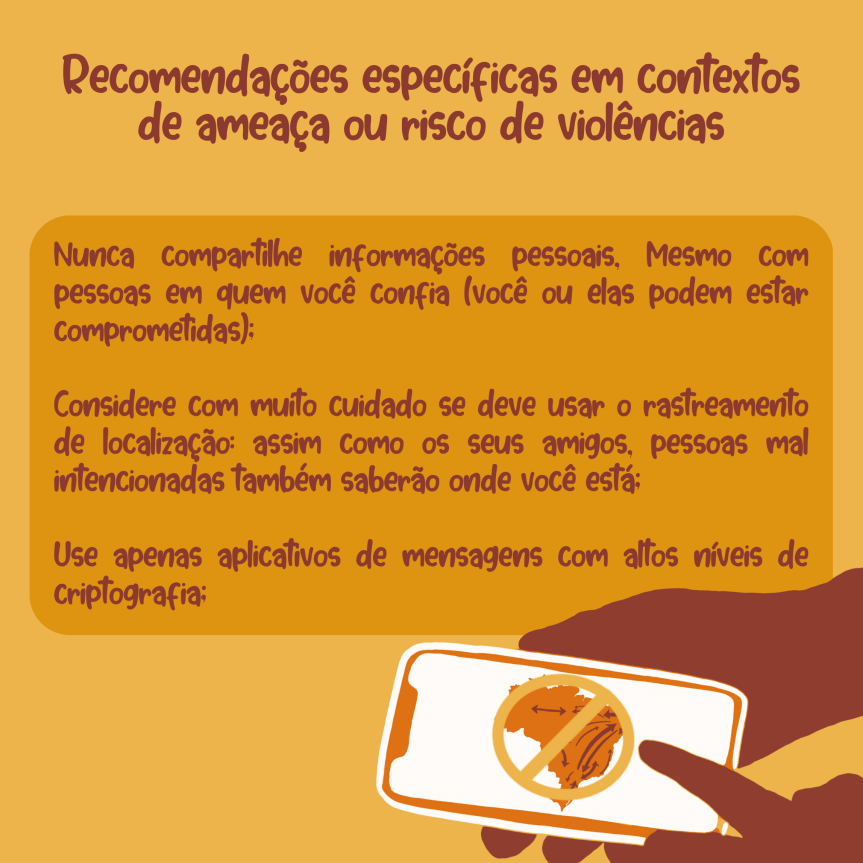
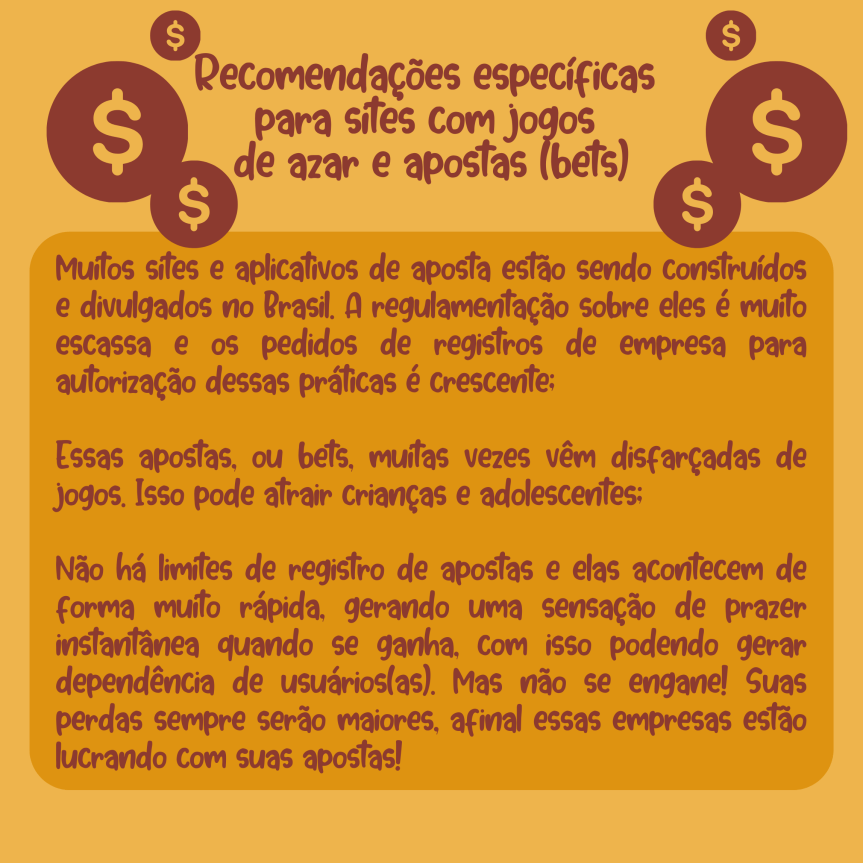
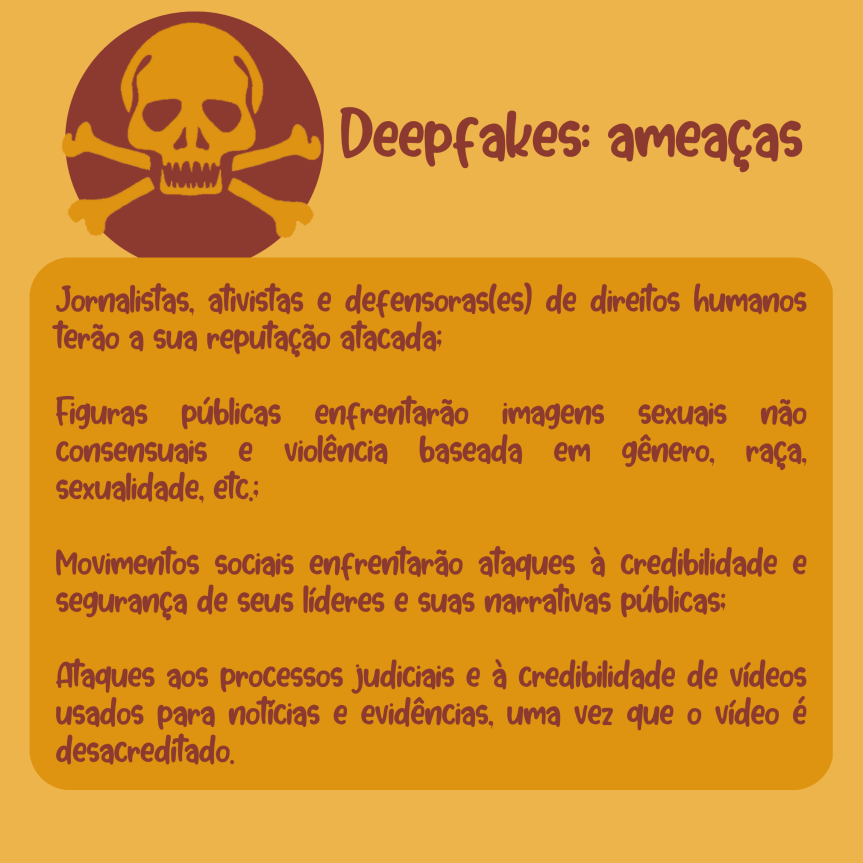
The basic slide deck developed with colleagues in Brazil has been subdivided into 16 short video clips by J Lo and Heloisa Melino and these can be shared on social media or used in many other ways to disseminate the advice on safe, wise and secure use of digital tech, especially for the LBGT communities living in Brazil’s favelas. There is also some additional material in clips 12-16 on topics such as deepfakes and using digital tech in violent contexts. Click on the links below:

- Créditos
- O que são tecnologias digitais
- As tecnologias digitais tem grande potencial positivo
- Necessidade de começar com as tecnologias digitais
- O uso seguro das tecnologias digitais
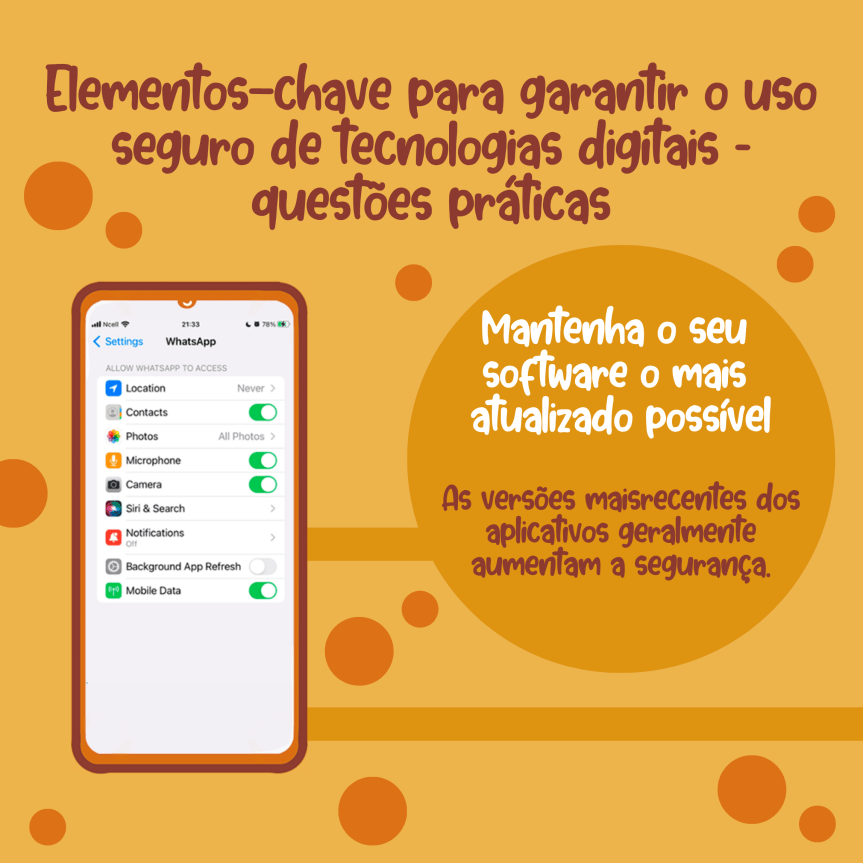
- Elementos-chave para o uso das tecnologias digitais
- Elementos-chave para se manter seguro – tecnicos
- Lembre-se dos contextos em que você usa as tecnologias digitais
- O uso das tecnologias digitais com sabedoria
- O uso das tec digitais com privacidade
- Lembretes Finais
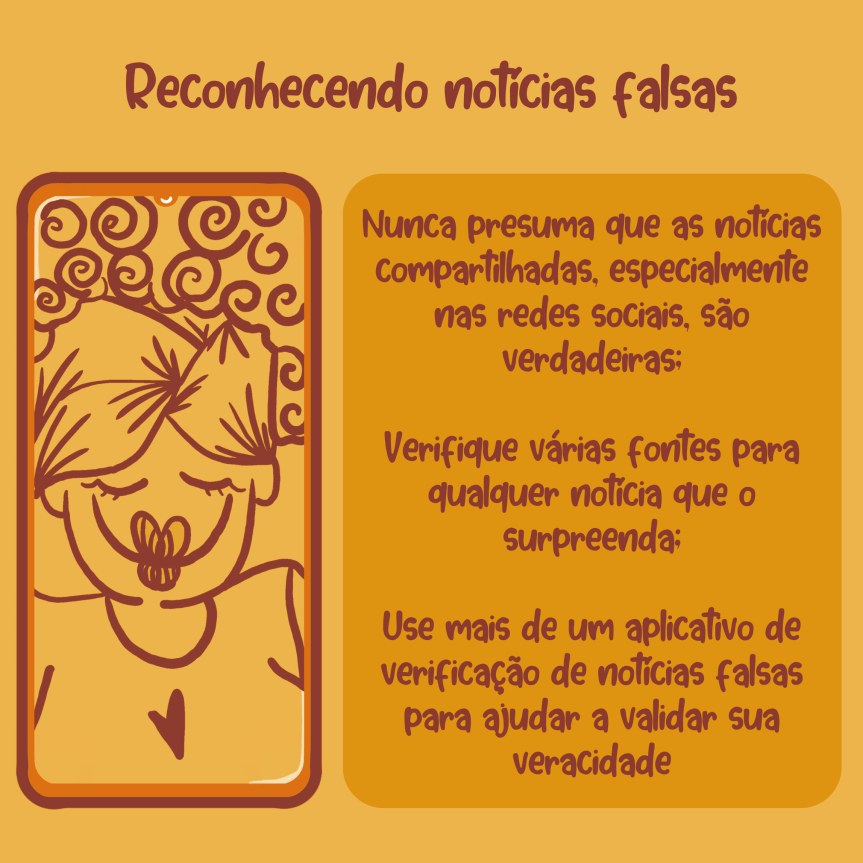
- Reconhecendo Notícias Falsas
- Evitando Golpes por E-mail
- Deepfakes – Ameaças
- Recomendações Específicas para sites do jogos de azar e apostas (bets)
- Recomendações específicas em contextos de ameaça ou risco de violências
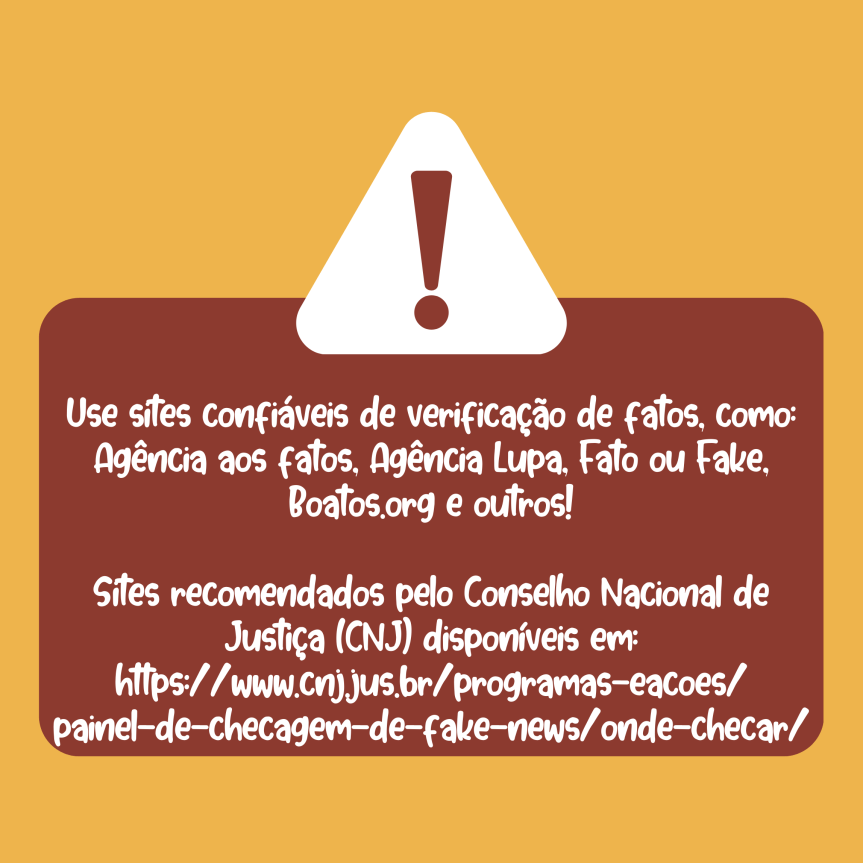
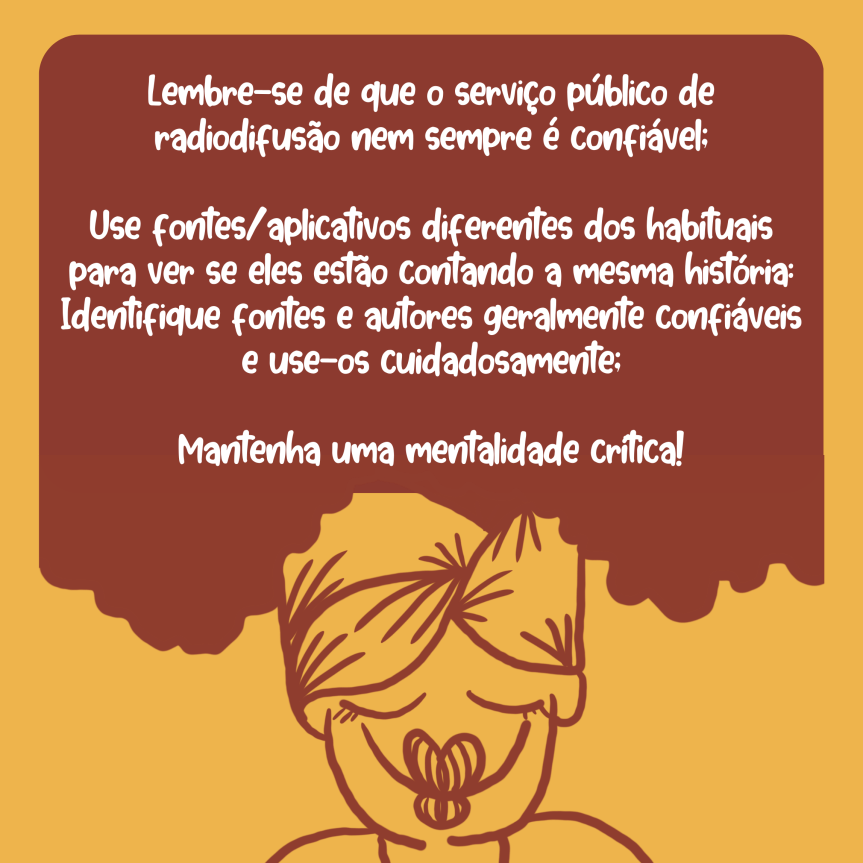
They have also prepared 51 separate images of different parts of the original booklet, so that these can easily be posted on social media (scroll through the slide show below to see them all; they can also be accessed individually through links from https://ict4d.org.uk/wp-content/uploads/2024/12/1.png to https://ict4d.org.uk/wp-content/uploads/2024/12/51.png):








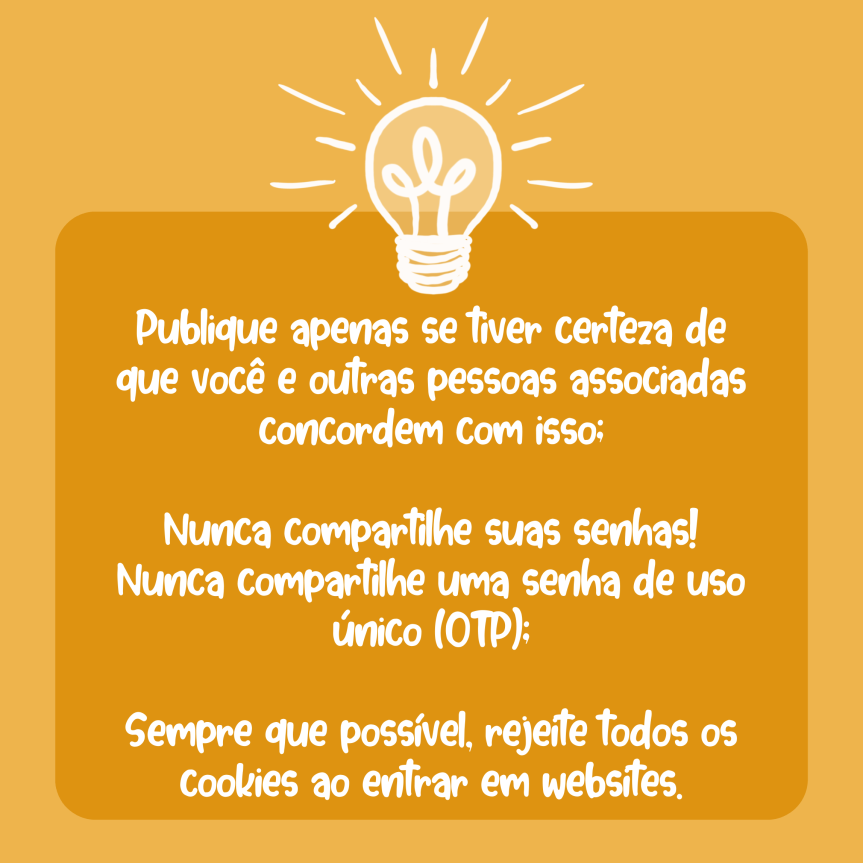
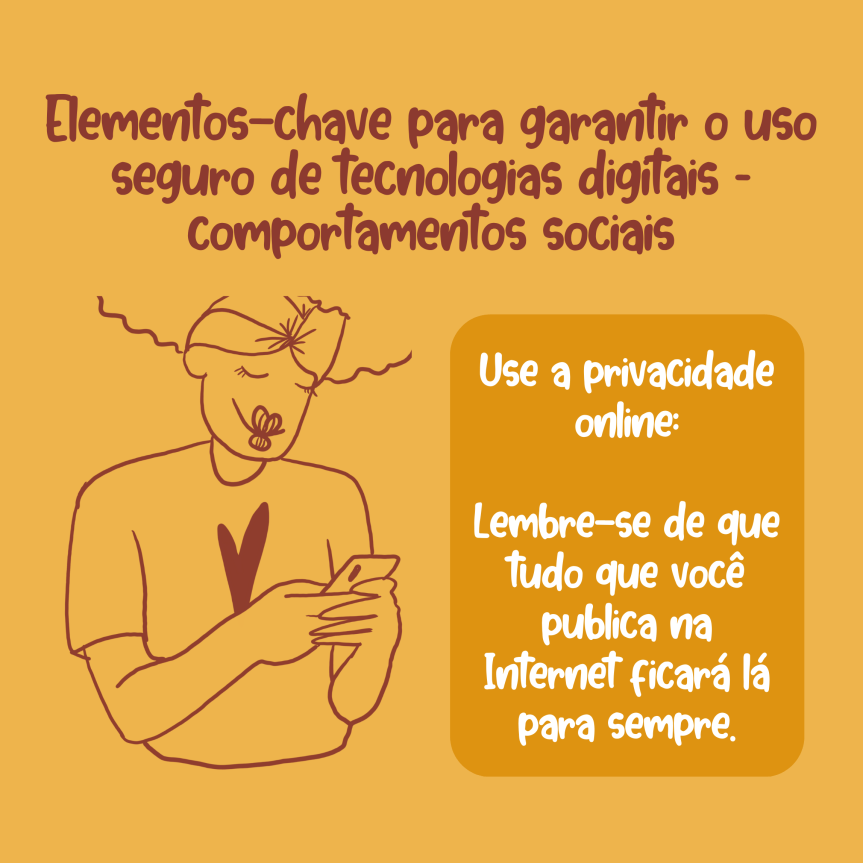


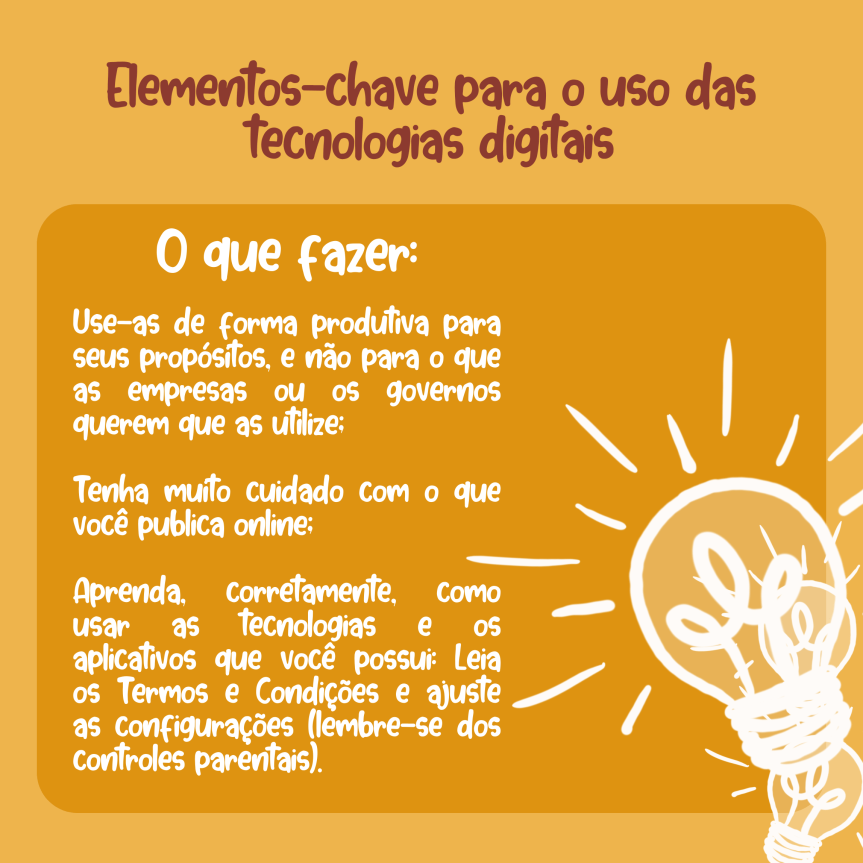

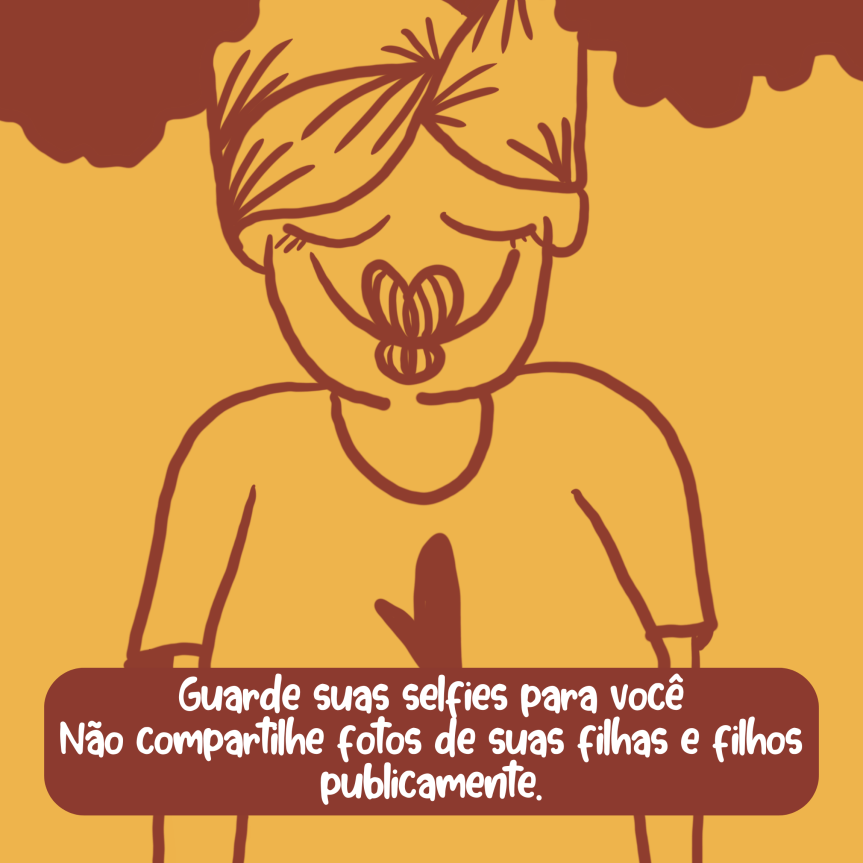
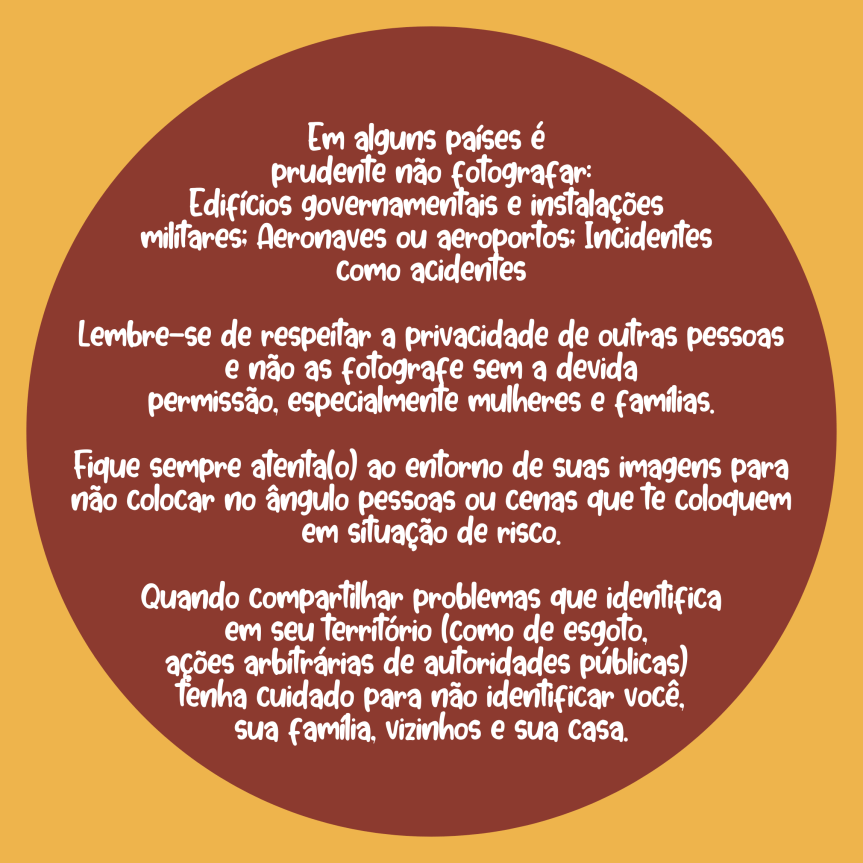




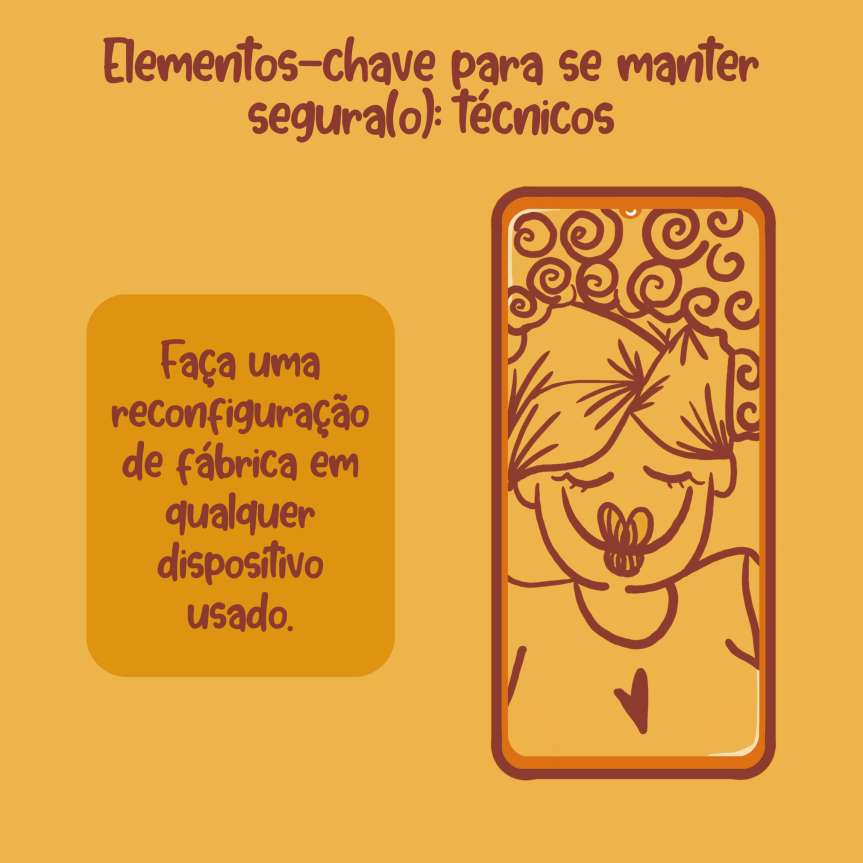


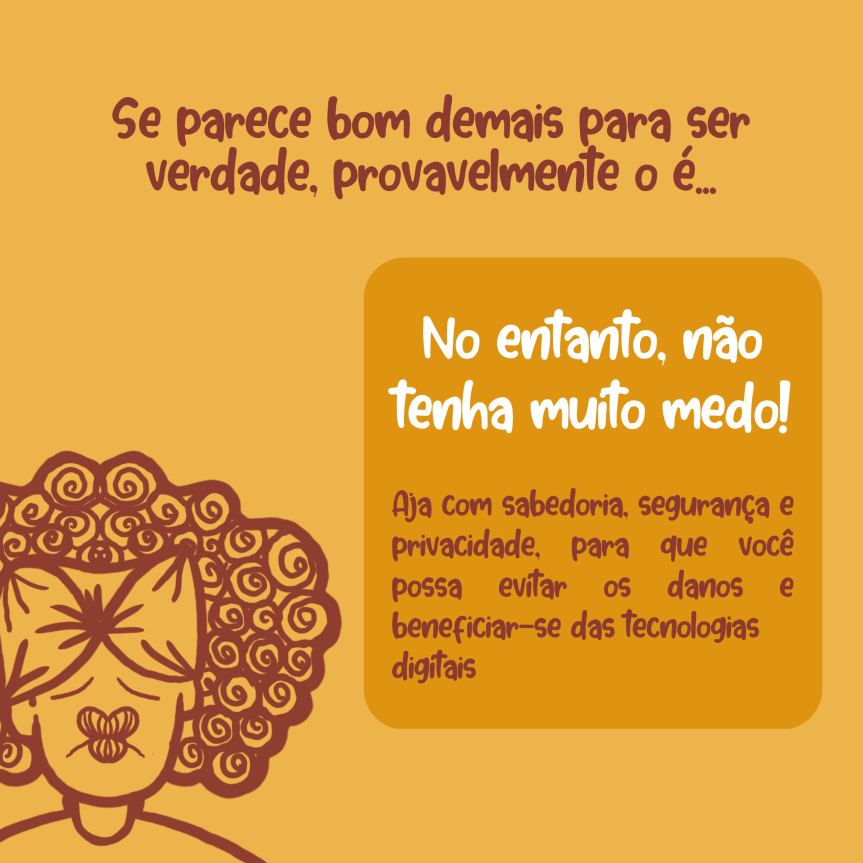
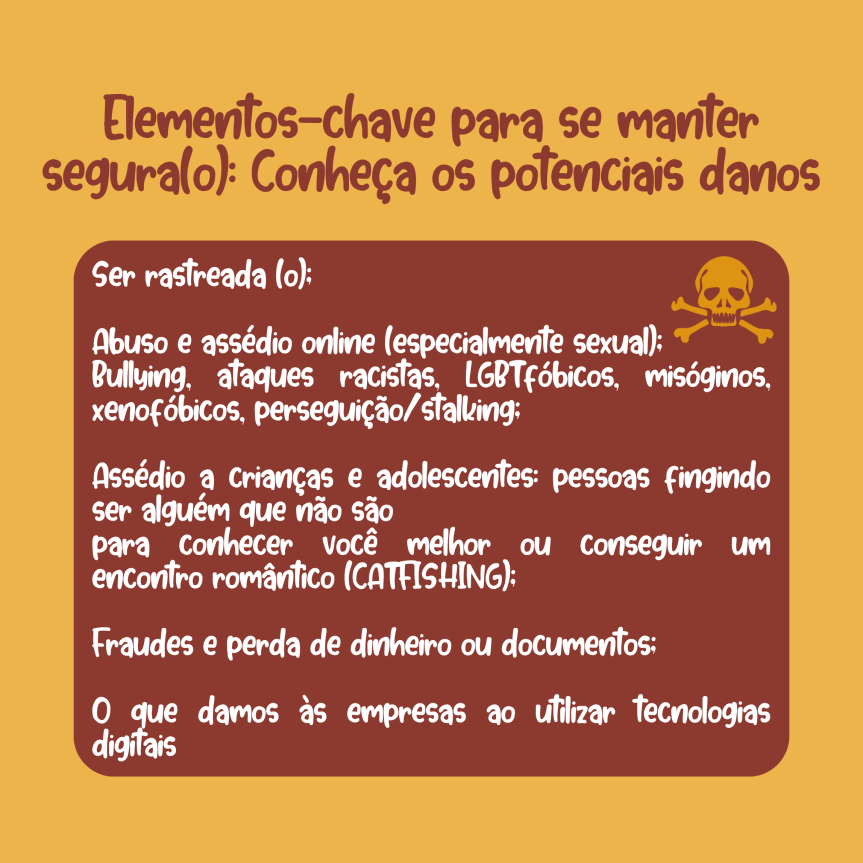


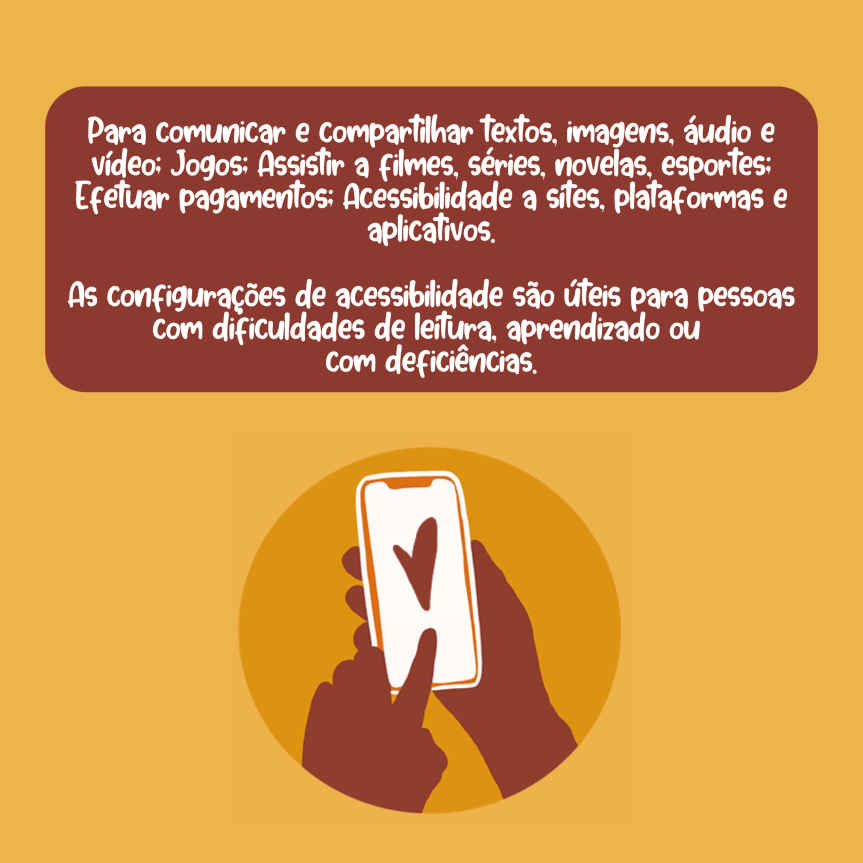


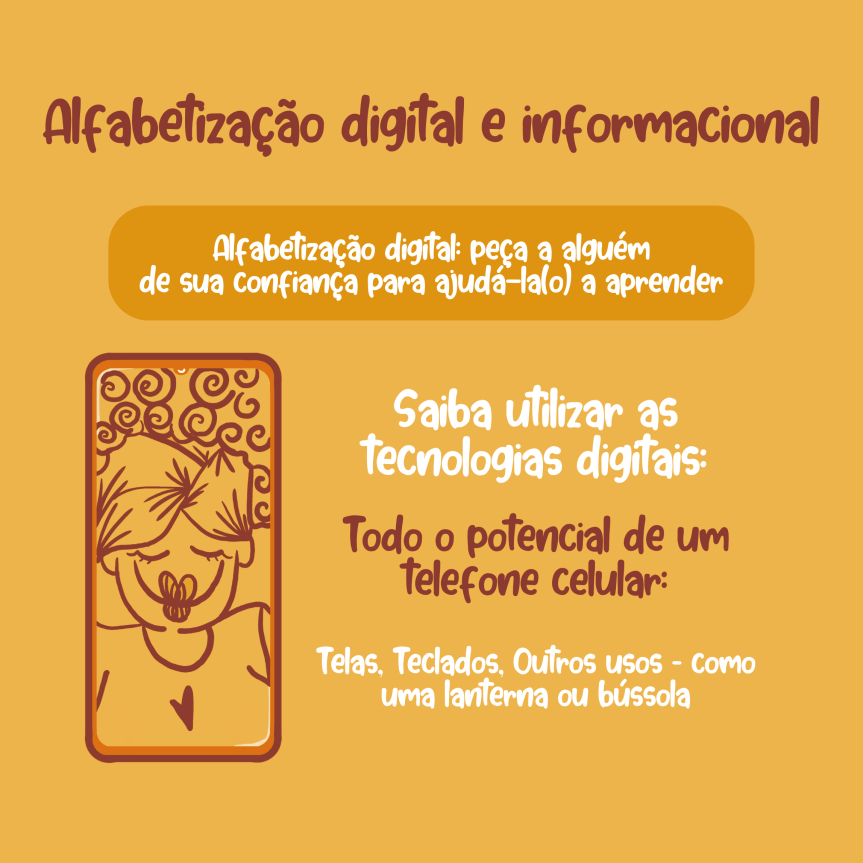
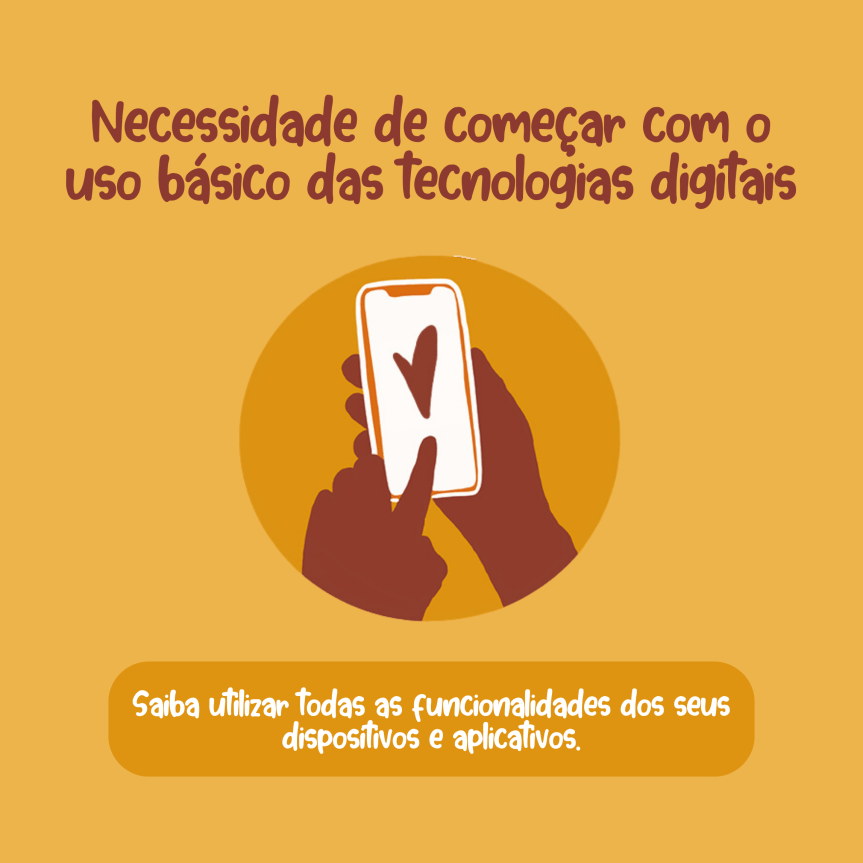
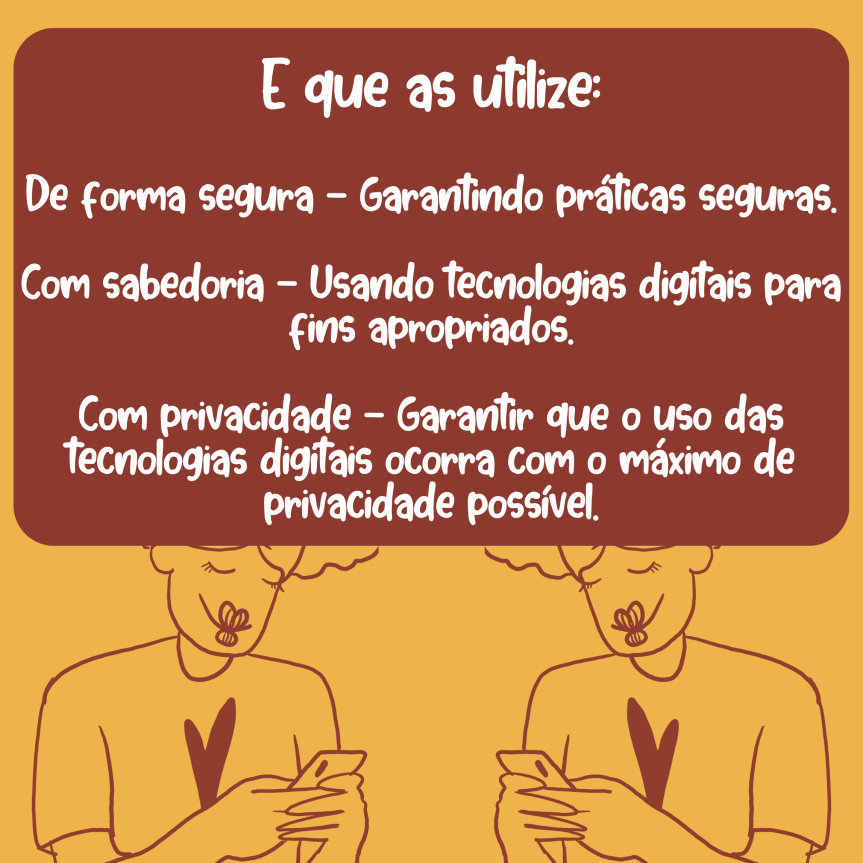

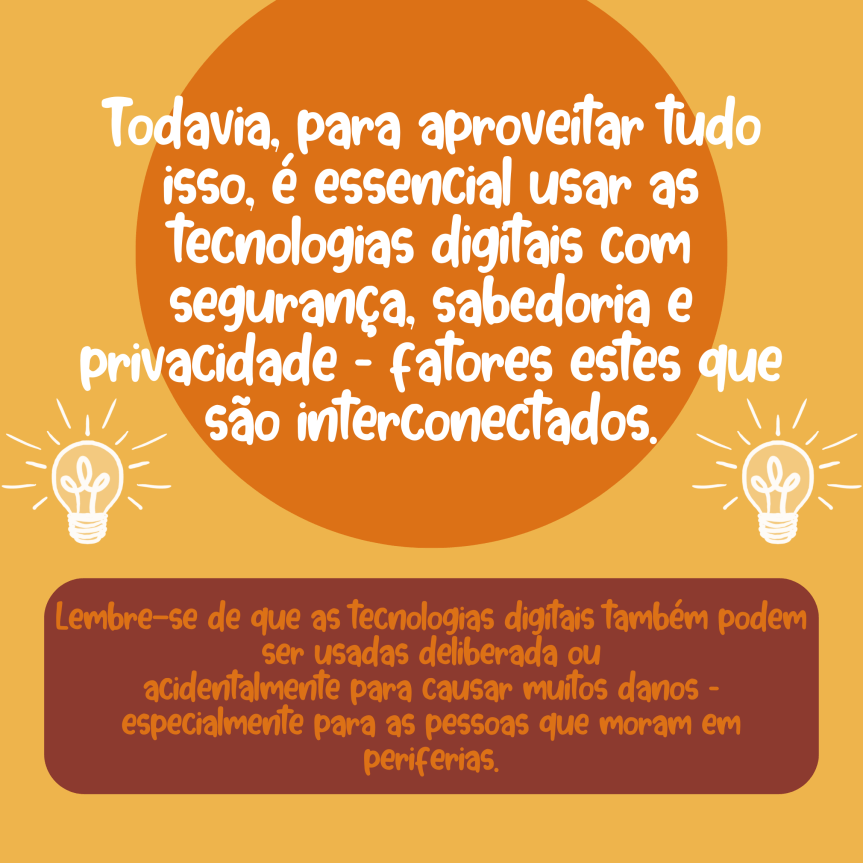

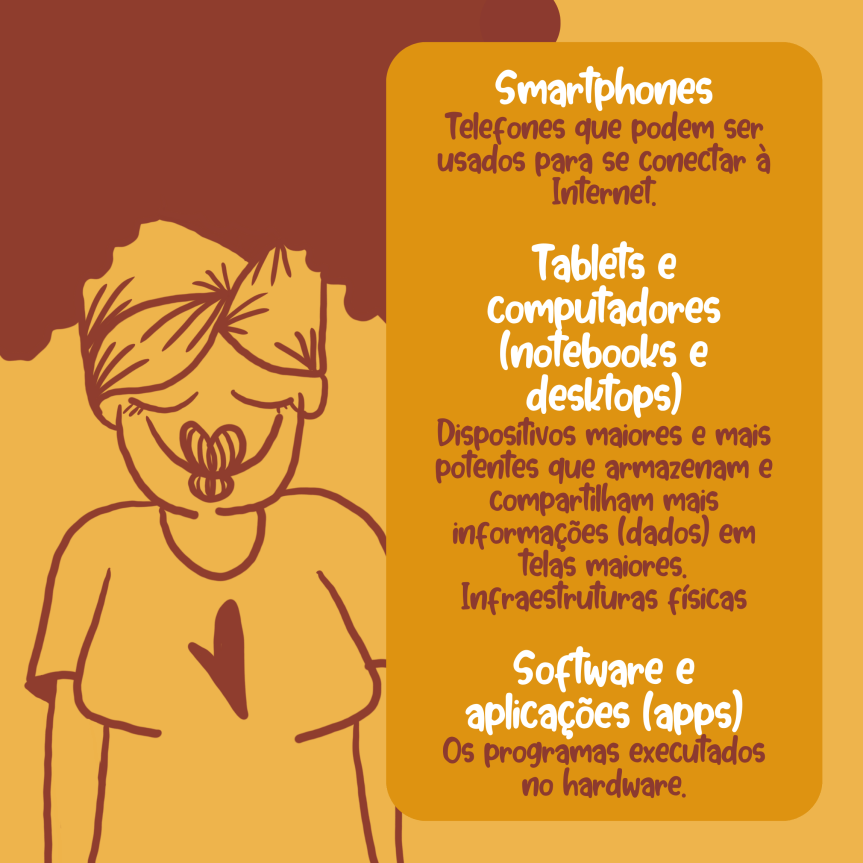
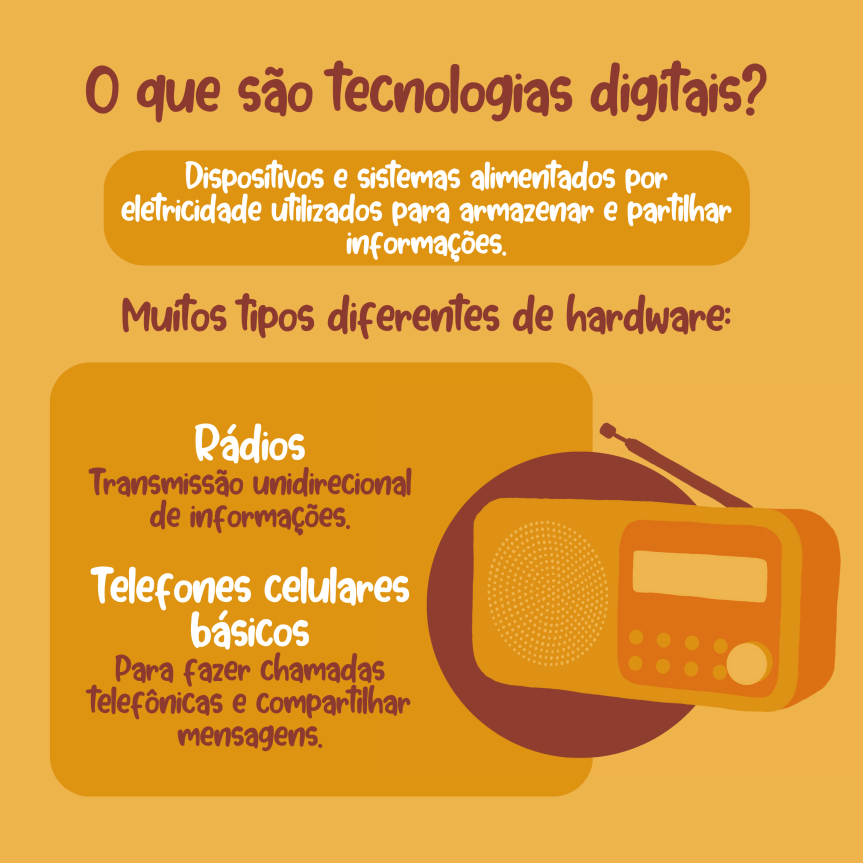
We very much hope that these are helpful in many more Portuguese speaking contexts than just that for which they were original designed. They are made available under a Creatoive Commons BY SA license so they are free to use and adapt providing that new versions continue to be made available using the same license and appropriate credit is given.
Extending our work: art as language
Prof Hari Harindranath returned to Rio de Janeiro in June/July 2025 to work with our local research partner, Dr Heloisa Melino, and organisations there for a series of follow-on activities funded by Royal Holloway’s Social Science Impact Accelerator (SSIA). These included three main activities (see post on exploring art as language for more details).
1. Amplifying our impact through dance
Through Dr. Melino’s nextworks, we began to work with Efeito Urbano – the first professional dance company in Morro da Providência. The dancers put on a stunning performance capturing the intertwining of physical and digital lives in the favelas of Rio. Choreographer Juliana Mello explained that the performance was a starting point for their new residency aimed at reflecting, through the language of dance, how the peripheral body navigates, resists and reinvents itself in the digital environment, with its strengths, pitfalls and invisibilities. Producer Ellen Pereira da Costa talked about the importance of engaging young people through artistic means to spread important messages such as the safe, wise and secure use of digital tech in their contexts which are often characterised by scams, identity theft and violence, both physical and online. Their aim was “to explore the potential of art as a language that activates different senses compared to textual narratives, by engaging the body and movement in the exchange of knowledge on a topic as urgent and necessary as this – particularly among vulnerable populations, who make up the core audience of Instituto Efeito Urbano”.


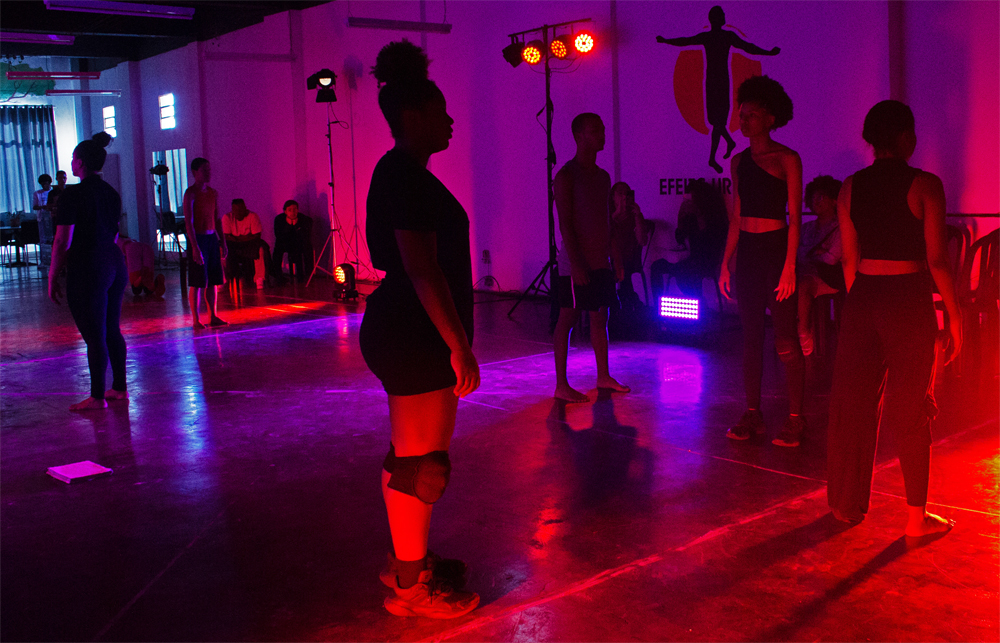
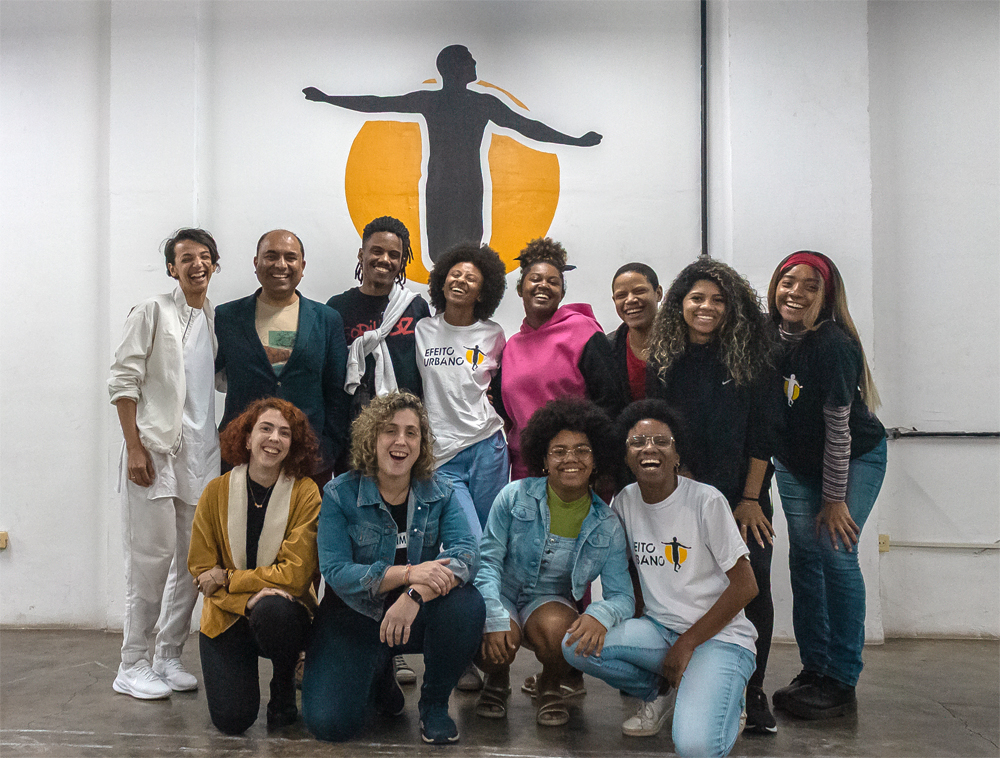
Click on the image below for a short edited video of their dance performance (or use this link to the video).

2. Extending our work
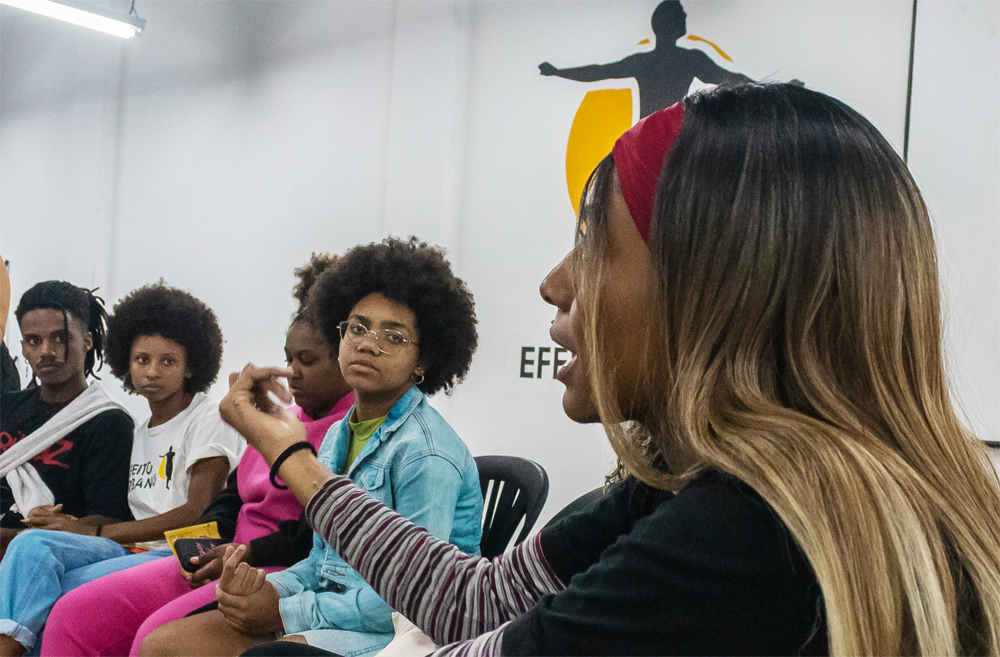
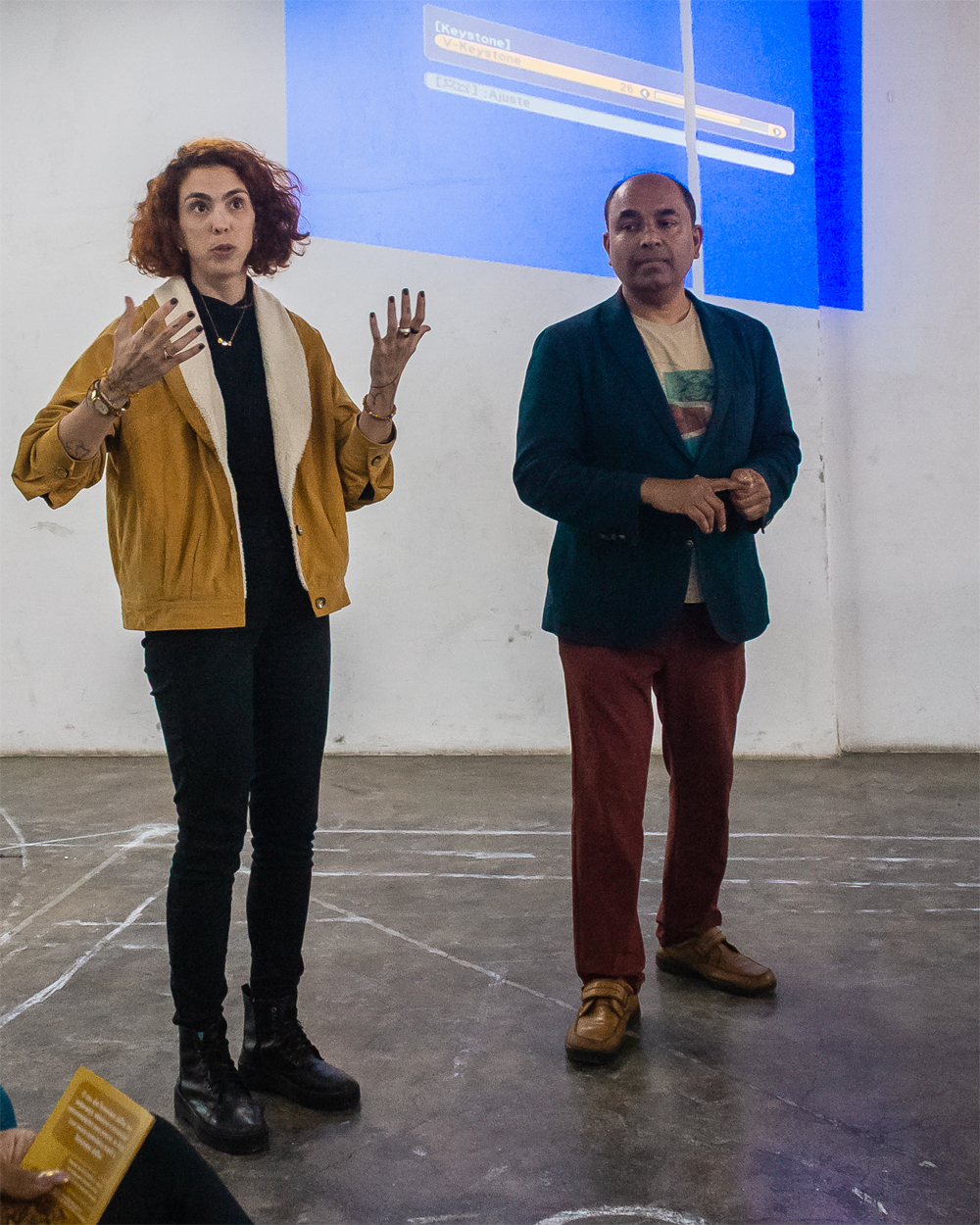
This visit allowed us to extend our work on digital safety nas periferias from our earlier focus on communities in the Maré favela of Rio de Janeiro to young people in the Morro da Providência favela and the surrounding areas. Following the Efeito Urbano performance, Hari and Heloisa led a workshop on the safe, wise and secure use of digital tech by vulnerable groups with some of the artists and members of the audience. Participants were keen to share their online experiences with each other and through the creation of a series of short videos.


3. Evidencing the impact of our ongoing work
We undertook an Outcomes Meeting to gather qualitative feedback on impacts and outcomes from our activities during 2024 with our main partner organisation, Casa Resistências in the Maré favela of Rio (see above). Kimberly Veiga from Casa Resistências explained that our collaboration had helped build capacity and enabled them to undertake further activities with local partners such as Fiocruz University on online safety for activists and others in the favelas. She spoke of the impact of online harms for people in her context including online scams, digital identity theft and violence.
This collaboration has allowed us to think about technology as a route to access rights and it has opened another avenue for us to obtain wider support… It has helped us connect with wider networks of support. We now exchange experiences and access support from across the country, including psychological and therapeutic care…Thanks to this collaborative work, we have now created a new agenda on digital for our organisation
Kimberly Veiga, Casa Resistências
The visit also enabled Hari and Heloisa to meet with Voz das Comunidades, a community media organisation based in the Complexo do Alemão (Alemão complex of favelas in Rio) where they presented their ongoing work on the safe, wise and secure use of digital tech in the peripheries. The team at Voz shared their experiences of working in the challenging context of the favelas and the importance of physical and online safety as they go about recording and reporting on community matters

4. Feedback and reflections from “art as language”
The folllowing three videos (click in the imagaes to watch) in Brazilian Portuguese (with English summaries) provide feedback and reflections from those involved in our work together in translating messsages about the safe, wise and secure use of digital tech through dance.

Talia says that she was not aware of the many issues pertaining to digital safety before our workshop as these are not widely discussed in her context. She believes that this is also intentional. Talia was part of the creation of the Efeito Urbano performance and, for her, it was through this creative process that she felt compelled to reflect on how digital security affected her life and that she herself did not recognise the actions she took to keep herself safe. She believes that digital technologies have a very positive potential for connection, but that for black and LGBT people, online violence comes more quickly and with greater intensity. Talia also notes that depending on who you choose to follow on social media, you may feel more represented, which she considers to be another positive aspect of digital technologies. She also talks of gambling websites which have become normalised in Brazil often leading the poor to spend their money on gambling rather than food. For her, the workshop was a way to change the way we look at our lives and such normalised aspects of Brazilian life (click here to watch).
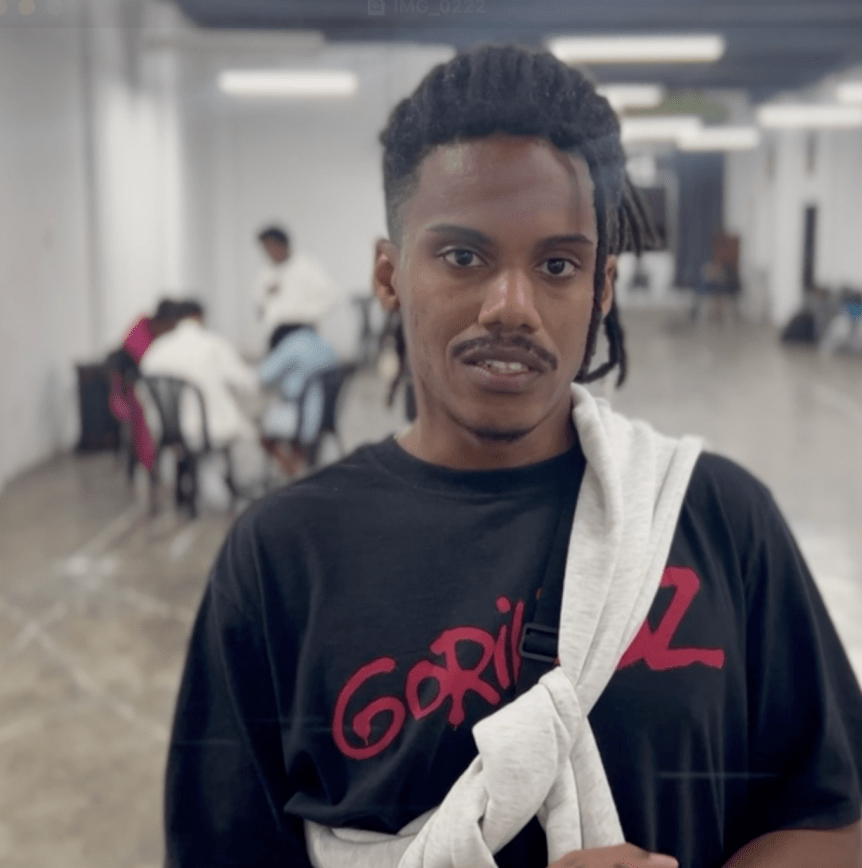
Felipe talks of ‘culture’ as part of the immune system of a people. He talks of how highly addictive online betting and gambling sites have ended up ‘polluting’ Brazilian culture, causing Brazilian people to lose touch with their fellow human beings and leaving them in isolated bubbles. Felipe believes it is important to rescue the basic aspect of community, which is physical and direct contact, to help combat the ‘pollution’ caused by harmful aspects of technology. Attending the performance and participating in the workshop on the safe use of digital technologies, for me, was part of strengthening this immune system that culture and contact between people in our community can help build (click here to watch)

Ellen Costa, the Executive Director from Efeito Urbano, says that the theme of digital awareness and safety is not very familiar among people involved with arts and social projects in favelas. It is usually heard of when someone is violated online, but to discuss what, in fact, is the safe, wise and secure use of digital technologies is something new. And she considers this to be very important, especially at projects like Efeito Urbano, a space for capacity building and arts training with people who use digital technologies and social networks every day. In this sense, connecting the workshop with the performance was extremely important and a “perfect wedding” (click here to watch).
Into the future…
We now need to find ways of rolling out these videos more extensively across Brazil. If you can help with this, please do let us know through our contact page. Further materials in Brazilian Portuguese are currently being developed and will be shared once they have been prepared.

Page first created by Tim Unwin on 8 May 2024
Latest revision 11 August 2025
 ICT4D Collective