Research-practice update South Africa, August 2023

Tim Unwin visited Cape Town between 23rd and 30th August to carry forward our work led by Maria Rosa Lorini with migrants in South Africa as part of the MIDEQ Hub. This visit focused especially on dissemination, monitoring and evaluation, and training skills, but it also provided an excellent opportunity to work with other colleagues in MIDEQ from the South African lead team at the University of Cape Town (UCT) and also the work package on creative resistance and well-being from the University of Glasgow

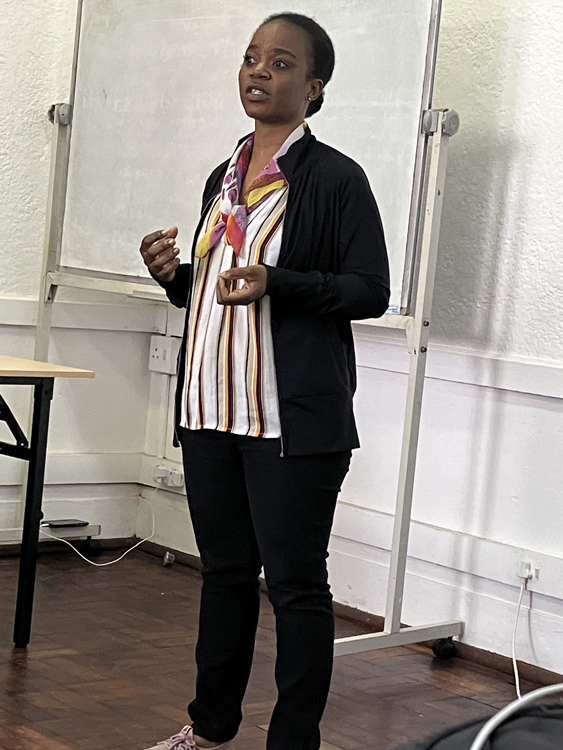
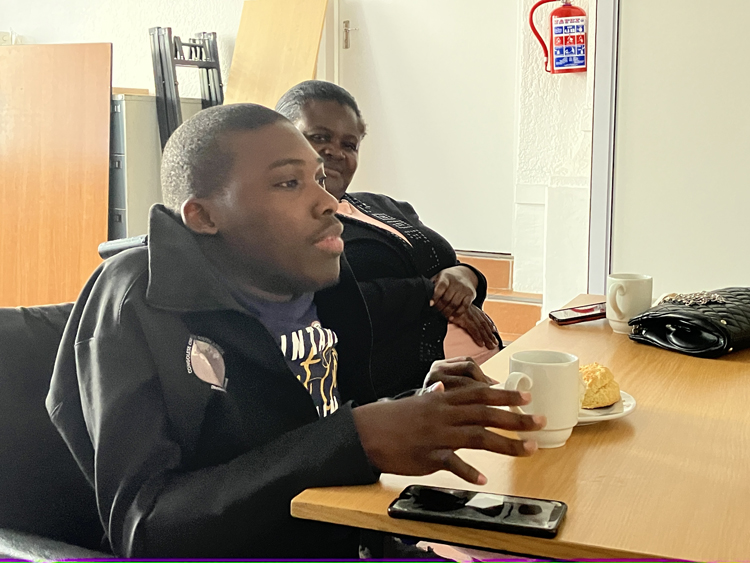
We held two workshops at the Scalabrini Centre of Cape Town with the group of migrants who have been trained in video production and in the safe, wise and secure use of digtital tech through our MIDEQ intervention. The first of these concentrated on ways through which these videos can be disseminated more widely, as well as the importance of rigorous monitoring and evaluation for us to understand the impact of these videos. Key ideas to emerge from the workshop were: that it is better to produce something of, say, 60% quality, rather than aiming to produce something of 95% quality but failing to deliver anything; the ways that short videos on social media platforms such as Instagram and TikTok can be used to direct other migrants to their Fusion Avenue videos on YouTube; and the need for individuals in any loosely knit organisation to take responsibility for some aspect of its work. We also explored the top five tips on Instagram success that Michelle Carlin had suggested.

The migrants had recently held a training workshop on safe, wise and secure use of digital tech for other migrants at Rugby, and so our second workshop was to draw out lessons from this and provide them with additional advice on how to train others. This involved them in delivering short training segments and having feedback from each other on what went well and what aspects they might try to improve.

As part of our dissemination strategy and in order to help make our work sustainable beyond the duration of funding from the UKRI GCRF, we also used the opportunity to have very productive practical discussions with organisations working at the interface between migration and digital tech about ways through which the migrants’ skills in video production could be used to make further videos for these organisations in the future. Among the organisations with whom we explored future collaboration on a range of modalities are the Scalabrini Centre of Cape Town, the Adonis Musati Project, the University of Cape Town’s Refugee Rights Unit, Cape Town TV, Phillipi TV, Africa Unite, Ubunthu-Betu in Samora Machel and JL Zwane in Gugulethu.

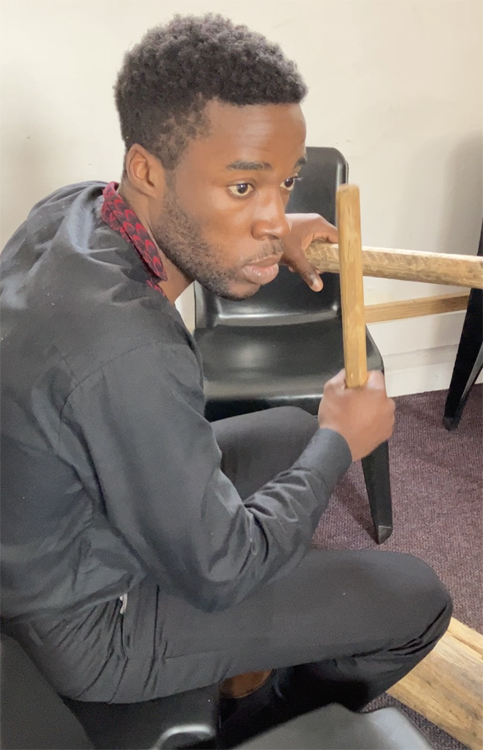
Finally, this visit provided an excellent opportunity to work together with colleagues from other work packages within MIDEQ, namely our South African country lead team ked by Dr. Faisal Garba at UCT, and Dr. Gameli Tordzro from the Univeristy of Glasgow. Gameli is a highly engaging and charismatic artist and musican whose research is in creative arts and translating cultures, language and education with a focus on African diaspora music, video film production, story and storytelling. He was in Cape Town working with about 25 migrants at Africa Unite to weave a story in words, music and culture about the experiences of African migrants, and it was truly humbling to watch them develop their very moving collective story and performance.

The UNESCO Chair in ICT4D at the WSIS Annual Forum 2023

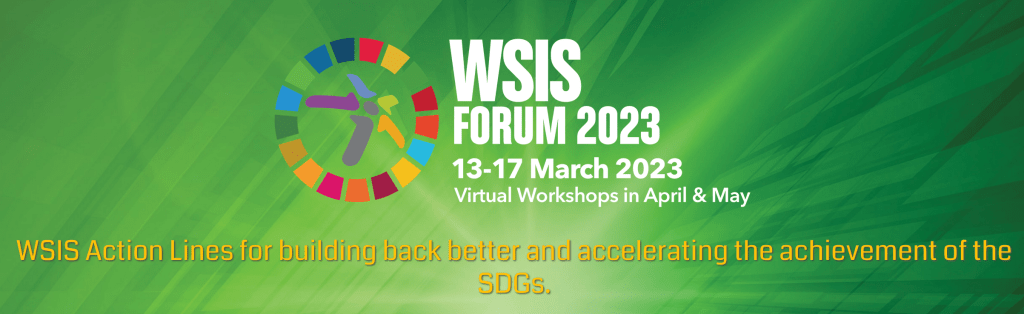
We are delighted that members of the UNESCO Chair in ICT4D at Royal Holloway, University of London, are involved in the following four sessions at this year’s WSIS Annual Forum in Geneva between 13th and 16th March 2023 (listed in chronological order):

  • Session 184: International Conference on Digital Transformation of Education: Road towards SDG 4 (Guest of Honour and Panellist), Thursday 16 March 09.00-09.45
  • Session 403: DESC Experiencing digital environment interactions in the “place” of Geneva (convenor) – this is a discussion-walk around Geneva commencing at the main entrance of CICG on Thursday 16 March from 16.00-18.30 (more details)
  • Session 204: DESC Reimagining the Interface between Digital Tech and the Physical Environment (convenor), Friday 17 March, 10.00-10.45 (more details)
  • Session 329: MIDEQ WP9 What migrants want: digital tech, inequality and migration (convenor), Friday 17 March, 11.00-11.45

Please do join us at these sessions, the last two of which will also be available for those wishing to join online. More information is available on the DESC sessions here.

Digital tech, inequality and migration

This post written by Prof G. Hari Harindranath was first published by MIDEQ at https://www.mideq.org/en/impact/digital-tech-inequality-and-migration on 20 December 2022, and is reproduced here with MIDEQ’s permission

Digital technologies and inequality is one of MIDEQ’s intervention work packages. As part of their Impact Initiatives, the team is currently working with migrants, migrant organisations, and tech companies with the support of international organisations to co-design and implement sustainable digital interventions that will help to reduce migrant-defined inequalities in Nepal and South Africa. The relationships the team has nurtured with stakeholders in Nepal and South Africa, especially with the help of the MIDEQ country leads there, provide a sound basis for the intervention plan.

These impact initiatives aim to contribute towards migrants’ well-being and empowerment through skills development, shared knowledge dissemination, increased networking amongst stakeholders (particularly international organisations, local organisations working with migrants, local technology developers and academia) and peer-to-peer encounters and exchanges.

Work Package 9 Sandpit

Nepal

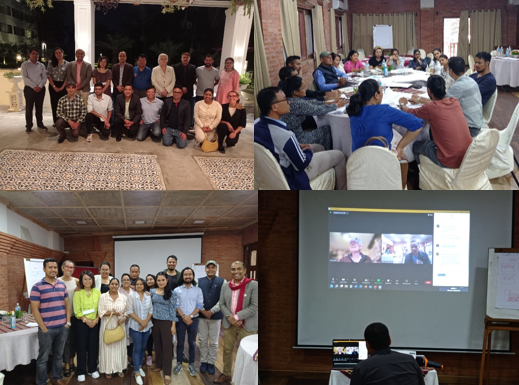
Work in Nepal kicked off in September 2022 with a sandpit and workshop led by MIDEQ colleagues Hari and Maria Rosa with Tim joining remotely. The event brought together five organisations representing migrants (AMKAS, Pourakhi, PNCC, NNSM and Helvetas’ SaMi project), five returnee migrants (two women and three men), six digital tech/media organisations (Ujyaalo Online, Hamro Patro, IME, AuraEd, NIC and GSMA), and six researchers (three from NISER Nepal and three facilitators from the UNESCO Chair in ICT4D at Royal Holloway, University of London) to collectively work together to arrive at ideas for one or more digital interventions that can be beneficial to migrants, returnees and their families in Nepal. The workshop resulted in three main ideas for digital interventions which are now in full swing with a further visit planned for late January 2023.

Migrant Navigator (Pardesiko Sarathy), a one-stop-shop for migrants using digital tech – This intervention aims to develop a digital gateway/portal that provides links to all migration related information in one place that can be trusted by migrants.

Preparing migrants for secure, safe and wise use of digital tech – Here the focus is on developing a one-hour digital preparedness programme on secure, safe and wise use of digital tech by migrants in the local languages.

Information sharing and awareness for migrants – This intervention will ensure that the first two are disseminated to address the widespread lack of awareness of migration related processes, apps and information.

The intervention work is also being supported by the National Innovation Centre in Kathmandu and Pokhara and Gandaki University in Pokhara where the team is engaging with a Migrant Resource Centre run in partnership with Helvetas’ SaMi project.

South Africa

In South Africa, the digital interventions aim to address inequalities and discrimination faced by migrants and to provide migrants the basic skills in using digital tech safely and wisely. Three sets of activities led by Maria Rosa in Johannesburg and Cape Town were completed in late 2022, with a subsequent visit planned in early-mid 2023. These were undertaken with the support and collaboration of local organisations working with migrants in Cape Town and Johannesburg including the Scalabrini Centre, DWAZ, UNISA, UCT, video production company (Stone in the Shoe), and digital literacy trainers. The team is working on the following below:

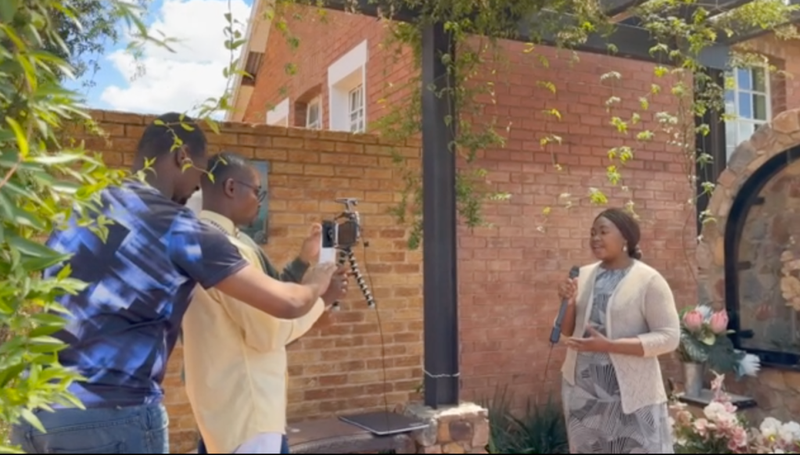
A series of videos by migrants for migrants developed in Johannesburg and Cape Town – These videos, created by migrants with the support of local professional video makers, cover a range of issues affecting migrants including the safe use of digital tech as well as lifestyle matters relevant to migrant communities. The videos help migrants share their knowledge while their role as content creators and presenters provide authenticity for the issues covered and create a trust effect among migrant communities. Check out some of the videos created by migrants here.

WP9

Workshops on communication, video creation and editing – The video creation intervention was accompanied by five-day workshops in both Cape Town and Johannesburg involving migrants and digital tech experts and professional video makers. The co-design workshops were based around themes of interest to the migrants leading to the creation of videos. The workshops also focused on the safe and secure use of digital technologies as well as ethical aspects related to the creation of video content.

Co-design workshops developing peer-to-peer networks and improving digital skills – This intervention involved workshops in both Johannesburg and Cape Town to train community leaders and activists in the building of safe offline solutions to connect groups of migrants residing in the same neighbourhood. Such networks will support those connected in emergency situations even when no mobile data is available, and they provide a means to coordinate support for vulnerable people as well as to share migrant-related information, including the videos created by migrants.

Follow-up visits to both Nepal and South Africa will include further collaborative efforts to learn lessons from the experiences as well as to ensure that these interventions are sustainable beyond the life of the MIDEQ project.