Many of the authors have contributed audio recordings of their vignettes. These are available here, but are also being shared on a regular basis through our blog and our podcast over the next six months. Do follow us on Apple Podcasts to listen to these inspiring examples of how digital tech can be used constructively by some of the world’s poorest and most marginalised people, but also the reasons why most such initiatives fail sufficiently to serve their interests.
This important book can be pre-ordered from Routledge using the link above, and for those who respond quickly there is a 20% reduction if you order before 23rd October 2025.
Following our impact activities in Brazil during 2024, Prof Hari Harindranath returned to Rio de Janeiro in June/July 2025 to work with our local research partner, Dr Heloisa Melino, and organisations there for a series of follow-on activities funded by Royal Holloway’s Social Science Impact Accelerator (SSIA). These included three main activities.
1. Amplifying the impact of our work through artistic means
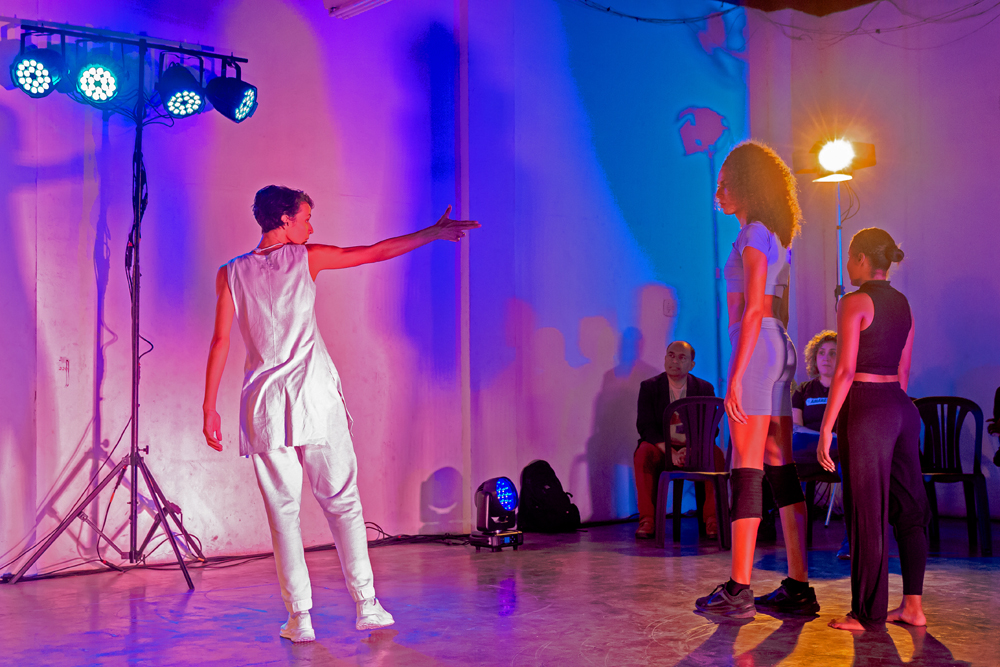
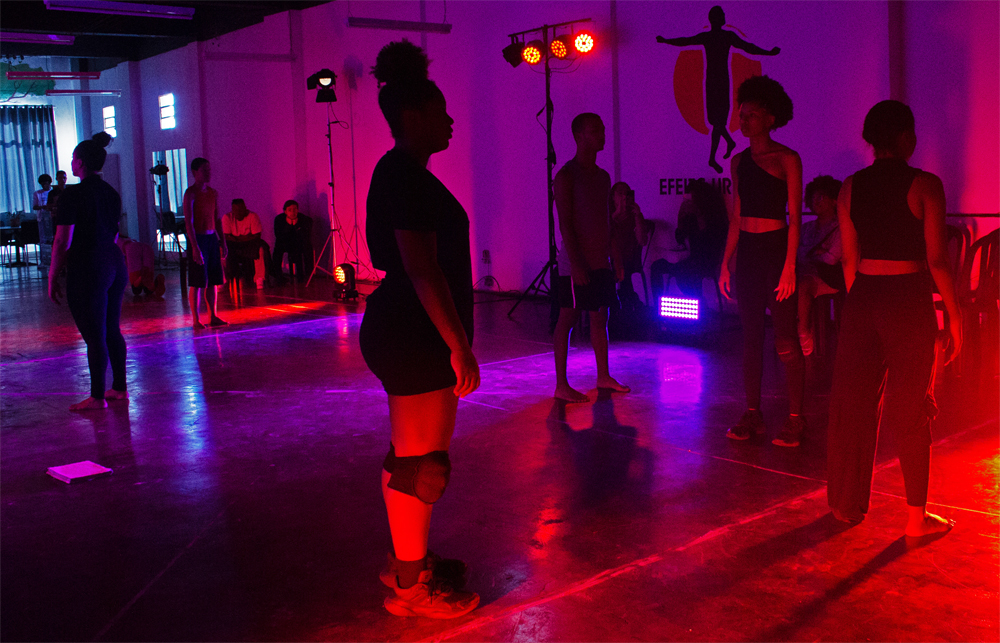
Efeito Urbano, an arts organisation and social project, based in the Providência favela of Rio de Janeiro, showcased a creative performance on digital safety in the periferias which drew on SSIA-funded work previously undertaken by Collective members, Prof Harindranath, Prof Tim Unwin and Dr Heloisa Melino and the experiences of the artists themselves with social networks and digital technologies.
Efeito Urbano is the first professional dance company in Morro da Providência and has developed its own concept of creation and research, Dança Urbana Negra Periférica, based on the pillars of race, gender and territory as well as traditional and contemporary Afro-referenced dances, in addition to the diverse expressions and cultural manifestations of experiences in the favelas and peripheries
The dancers put on a stunning performance capturing the intertwining of physical and digital lives in the favelas of Rio (link here to a short video). Choreographer Juliana Mello explained that the performance was a starting point for their new residency aimed at reflecting, through the language of dance, how the peripheral body navigates, resists and reinvents itself in the digital environment, with its strengths, pitfalls and invisibilities. Producer Ellen Pereira da Costa talked about the importance of engaging young people through artistic means to spread important messages such as the safe, wise and secure use of digital tech in their contexts which are often characterised by scams, identity theft and violence, both physical and online. Their aim was “to explore the potential of art as a languagethat activates different senses compared to textual narratives, by engaging the body and movement in the exchange of knowledge on a topic as urgent and necessary as this – particularly among vulnerable populations, who make up the core audience of Instituto Efeito Urbano”.
2. Extending our work on the safe, wise and secure use of digital technologies by vulnerable groups
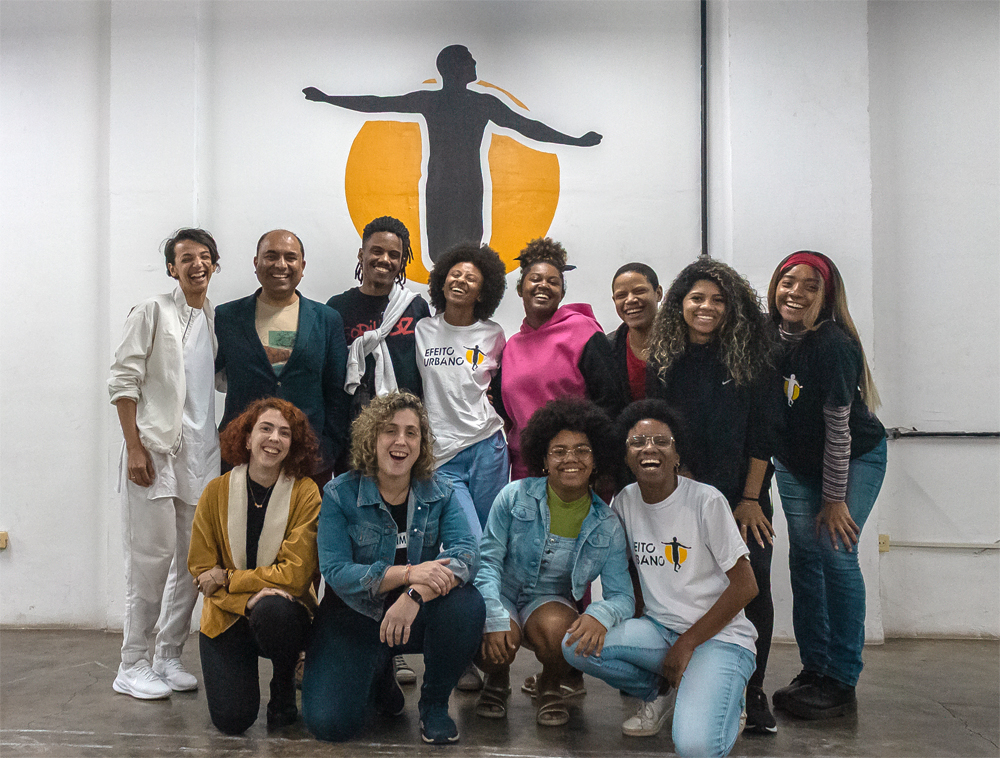
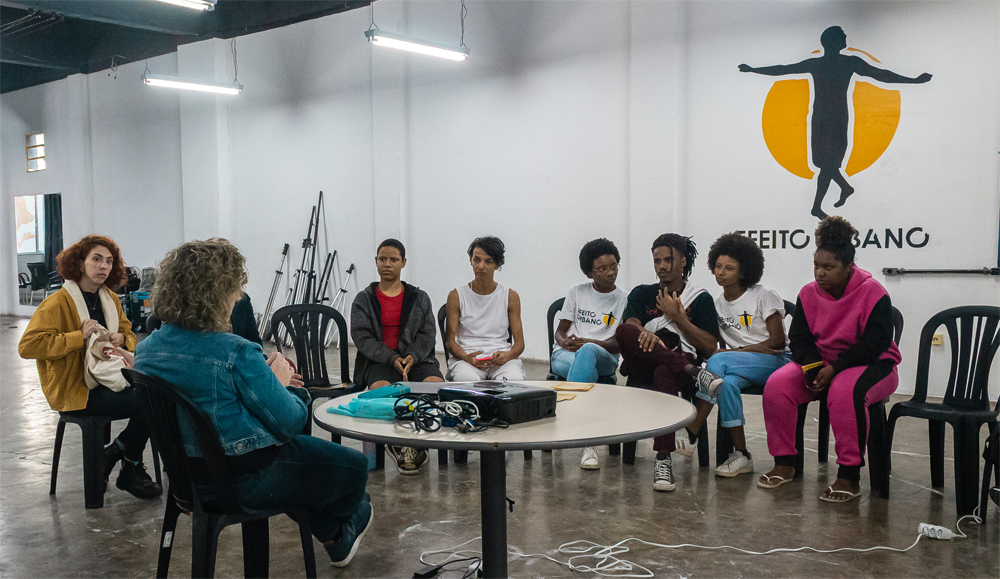
This visit allowed us to extend our work on digital safety nasperiferias from our earlier focus on communities in the Maré favela of Rio de Janeiro to young people in the Morro da Providência favela and the surrounding areas. Following the Efeito Urbano performance, Hari and Heloisa led a workshop on the safe, wise and secure use of digital tech by vulnerable groups with some of the artists and members of the audience. Participants were keen to share their online experiences with each other and through the creation of a series of short videos.
3. Evidencing the impact of our ongoing work
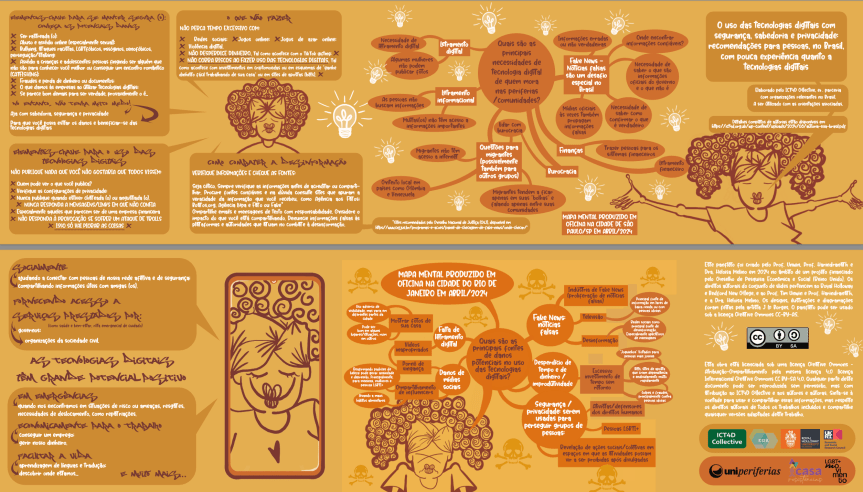
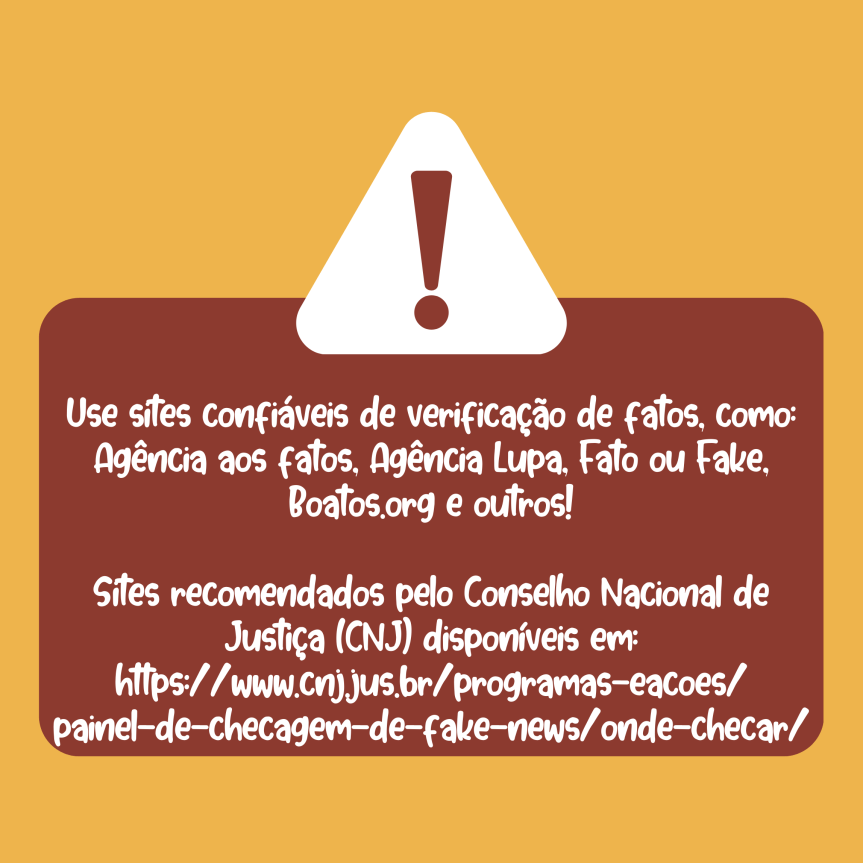
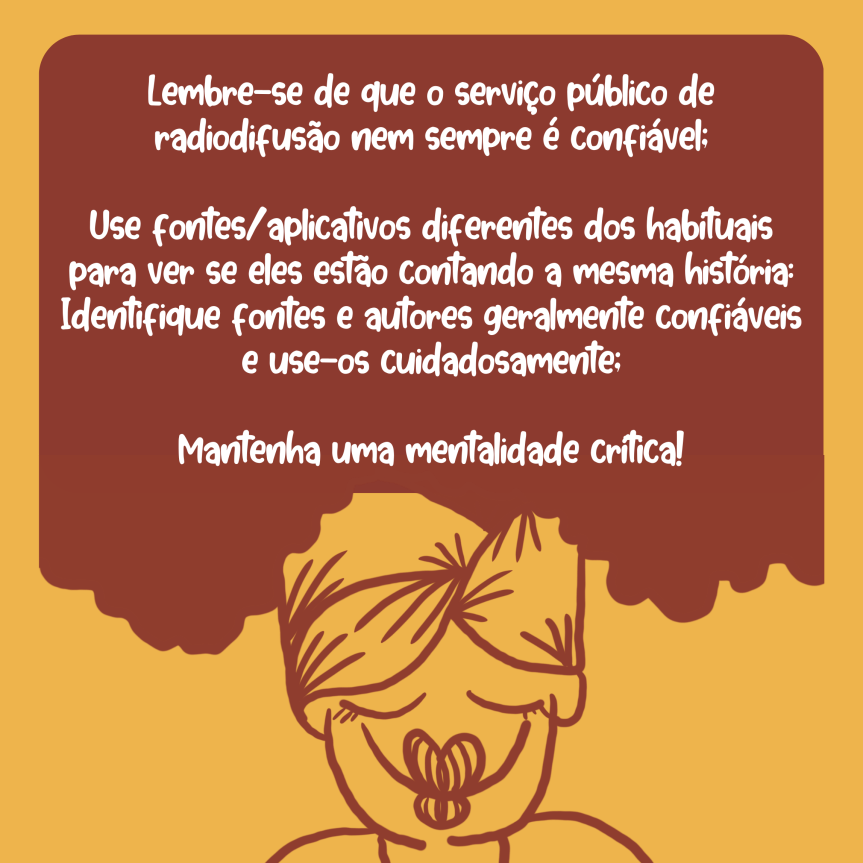
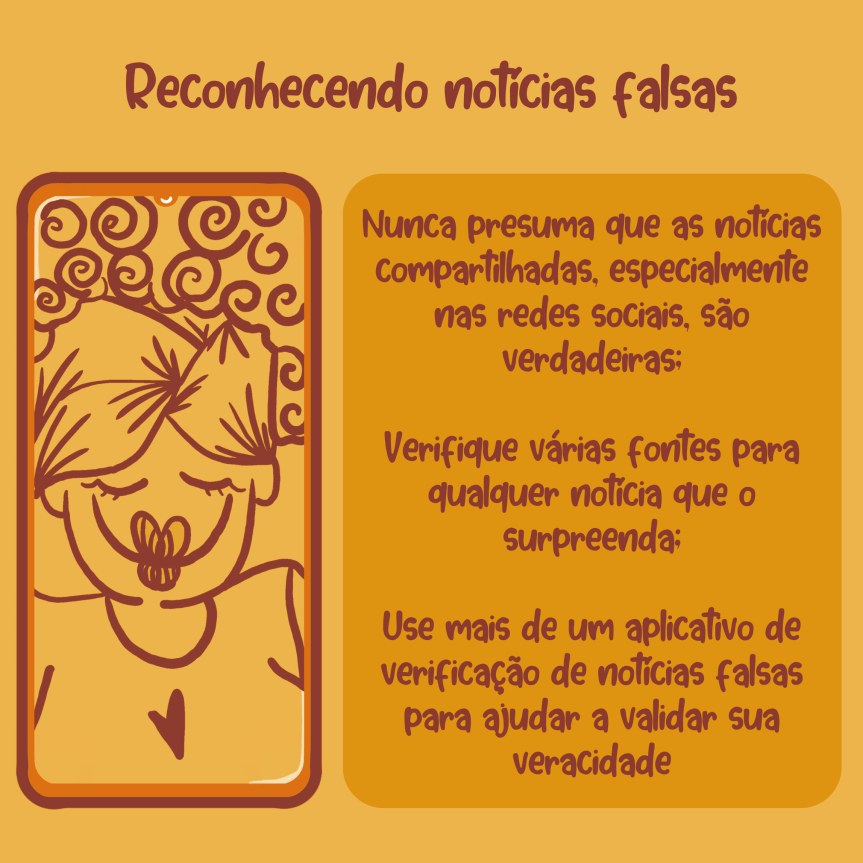
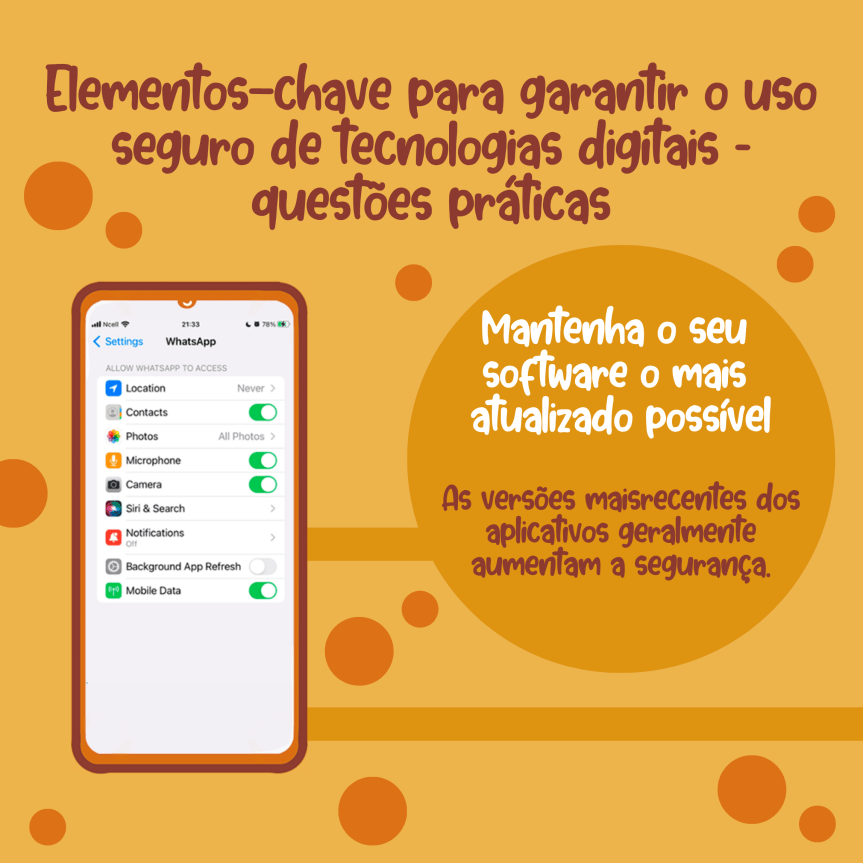
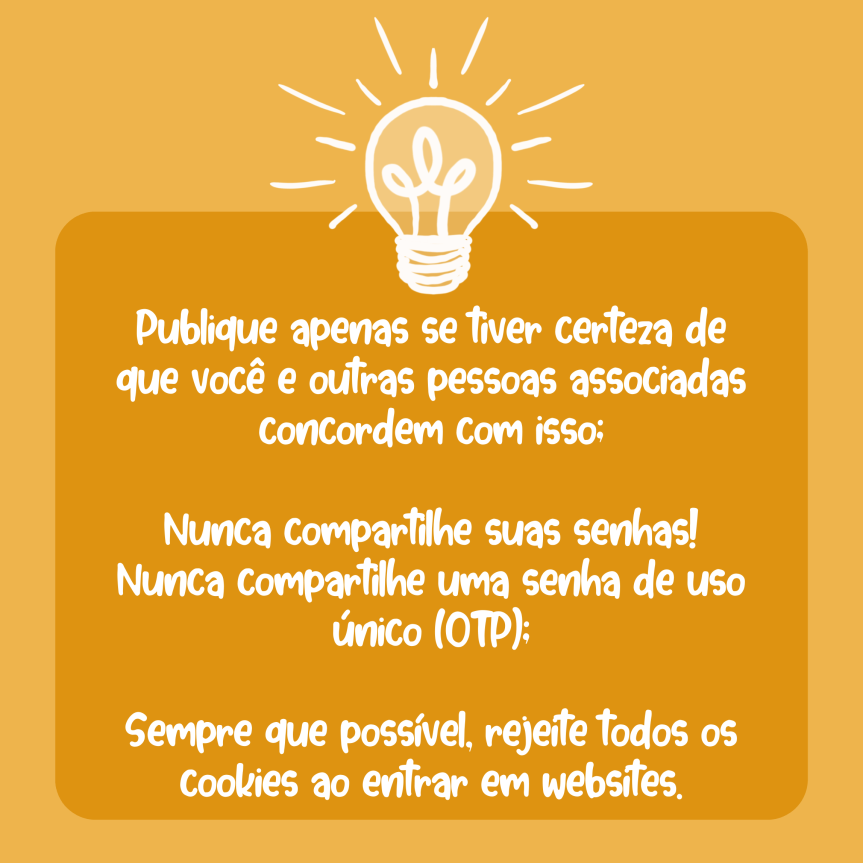
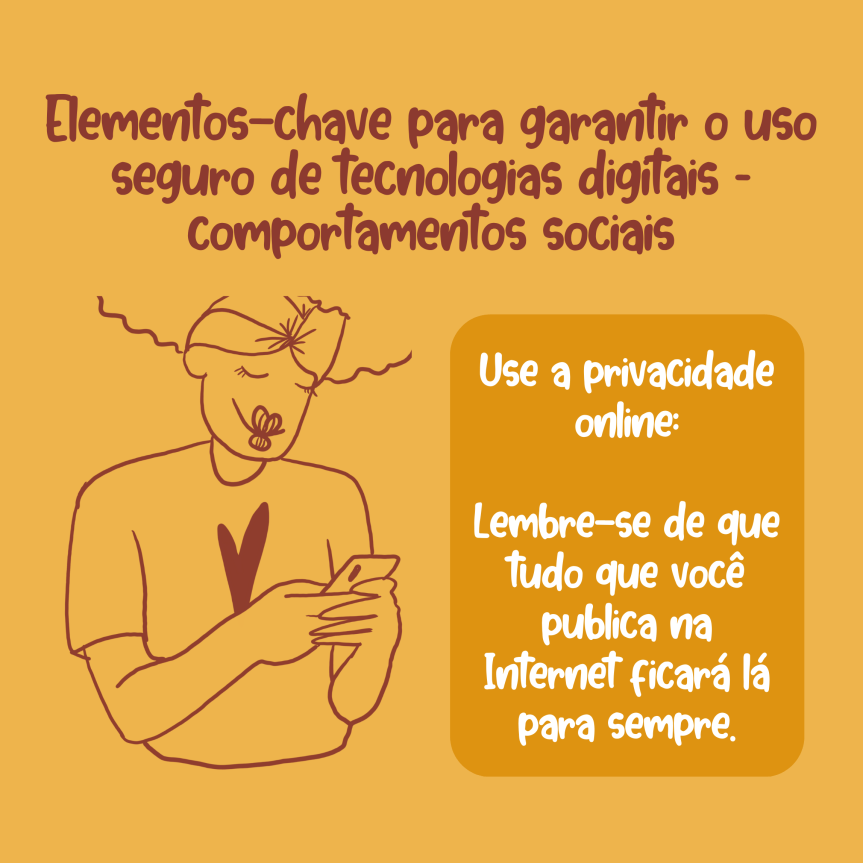
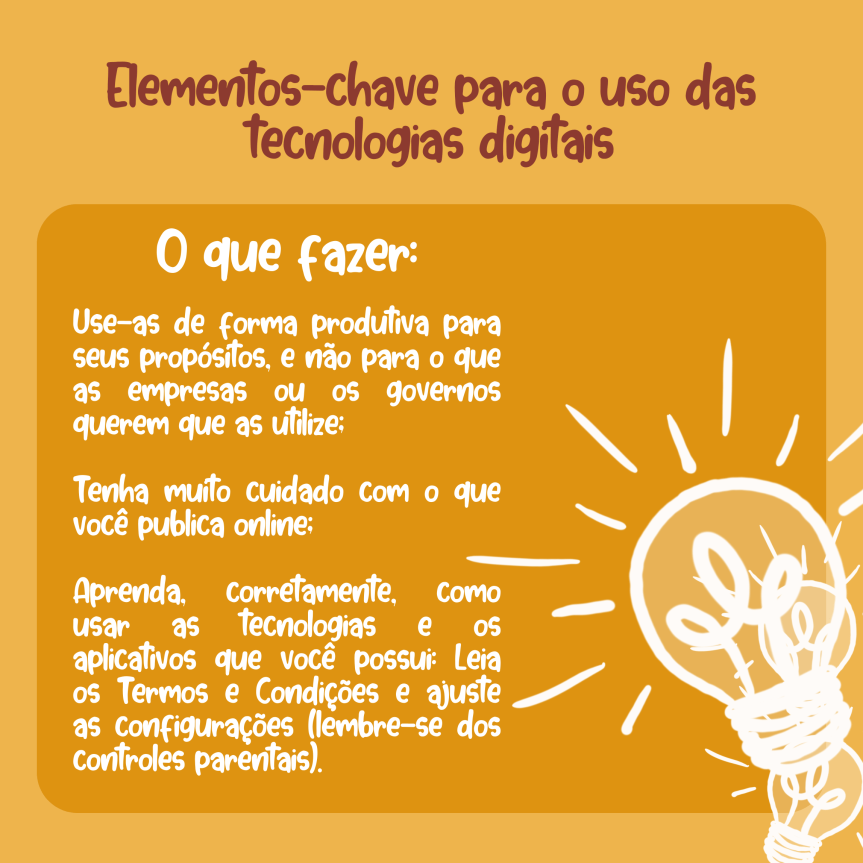
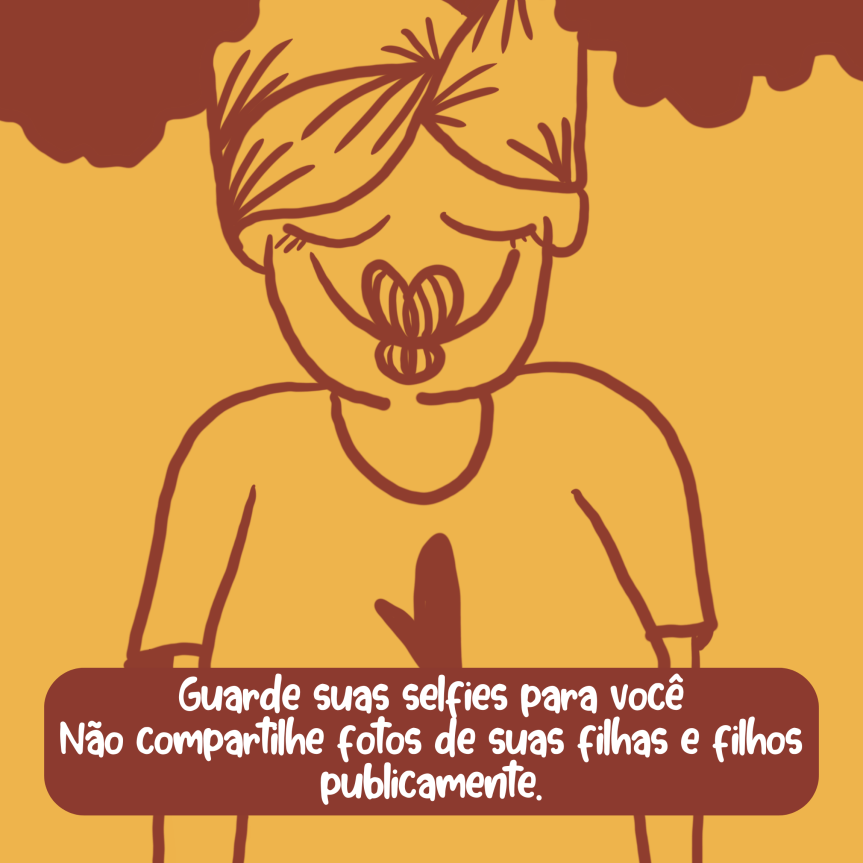
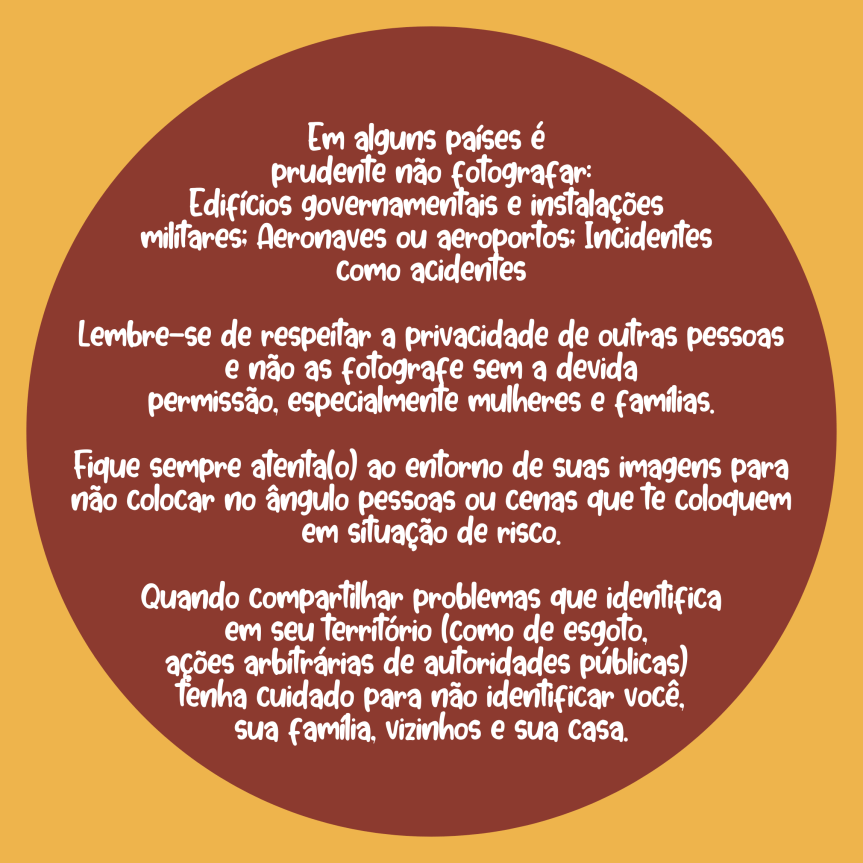
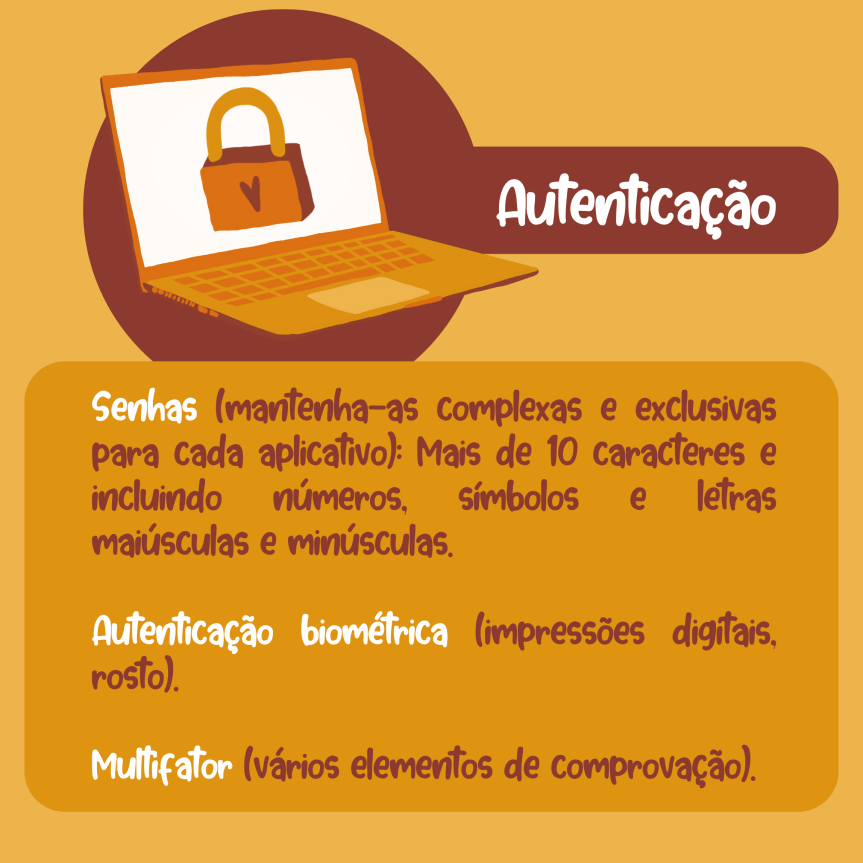
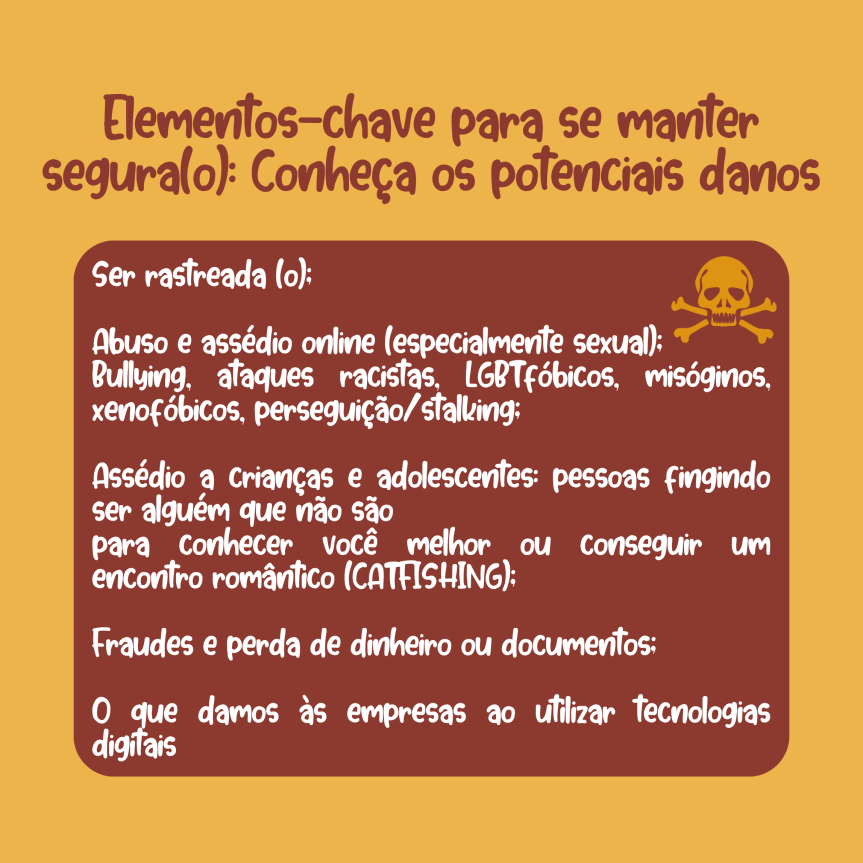
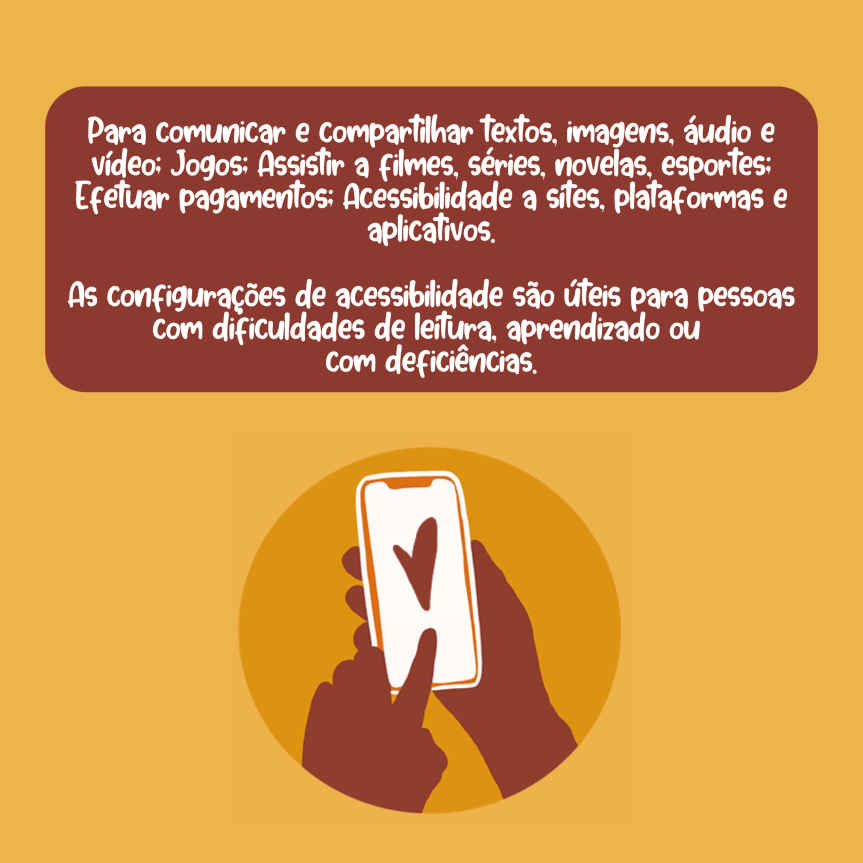
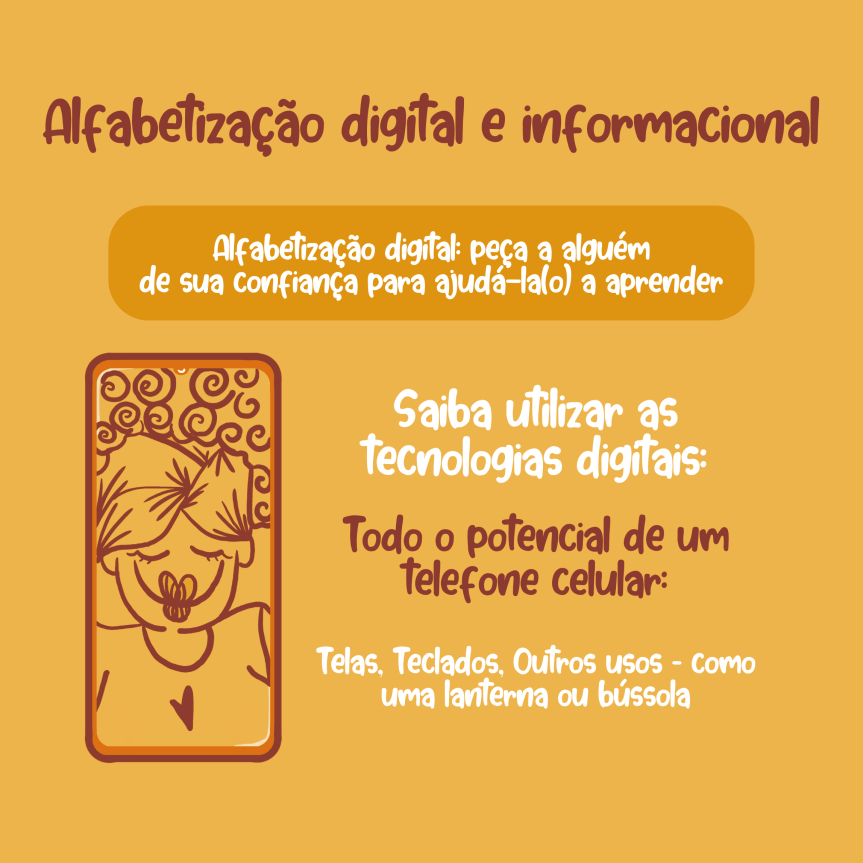
We undertook an Outcomes Meeting to gather qualitative feedback on impacts and outcomes from our activities during 2024 with our main partner organisation, Casa Resistências in the Maré favela of Rio. The team at Casa Resistências, an LBT advocacy organisation and a shelter for women fleeing violence and abuse, had previously collaborated with us on activities relating to the safe, wise and secure use of digital technologies nas periferiasincluding a workshop led by Dr Heloisa Melino and the creation of a range of beautiful resources on digital safety designed by local graffiti artist, JLo. These and related activities were aimed at helping activists and others remain safe online while they report on rights violations and undertake their advocacy campaigns. Hari’s visit offered the opportunity to reflect on our activities and their impacts and outcomes.
Kimberly Veiga from Casa Resistências explained that our collaboration had helped build capacity and enabled them to undertake further activities with local partners such as Fiocruz University on online safety for activists and others in the favelas. She spoke of the impact of online harms for people in her context including online scams, digital identity theft and violence.
This collaboration has allowed us to think about technology as a route to access rights and it has opened another avenue for us to obtain wider support… It has helped us connect with wider networks of support. We now exchange experiences and access support from across the country, including psychological and therapeutic care…Thanks to this collaborative work, we have now created a new agenda on digital for our organisation
Kimberly Veiga, Casa Resistências
Kimberly spoke of the cascading effect of our collaboration that led them to undertake activities relating to the challenges faced by lesbian mothers and the creation of trustworthy resources to support them, similar to the ones we helped create on the safe, wise and secure use of digital tech by vulnerable groups in the Brazilian periferias. Fernanda highlighted the importance of our resources not only as a means to disseminate messages on online safety at all the events they attend but also as a means to enhance the visibility of the broader advocacy work being undertaken by Casa Resistências.
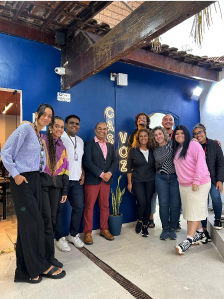
The visit also enabled Hari and Heloisa to meet with Voz das Comunidades, a community media organisation based in the Complexo do Alemão (Alemão complex of favelas in Rio) where they presented their ongoing work on the safe, wise and secure use of digital tech in the peripheries. The team at Voz shared their experiences of working in the challenging context of the favelas and the importance of physical and online safety as they go about recording and reporting on community matters.
Voz das Comunidades and their Social Impact team expressed interest in working with us in the future. So, watch this space!
In summary, our impact agenda in Brazil funded by SSIA has allowed us to work with multiple organisations and communities in the peripheries of Rio to spread awareness on the safe, wise and secure use of digital tech by vulnerable groups, helped build capacity of both individuals and organisations and reach a broader range of groups through engaging workshops and creative activities and multimedia outputs relevant to the local contexts in Brazil. Hari hopes to continue further collaborative work in Brazil with Heloisa given the interest and enthusiasm shown by local organisations.
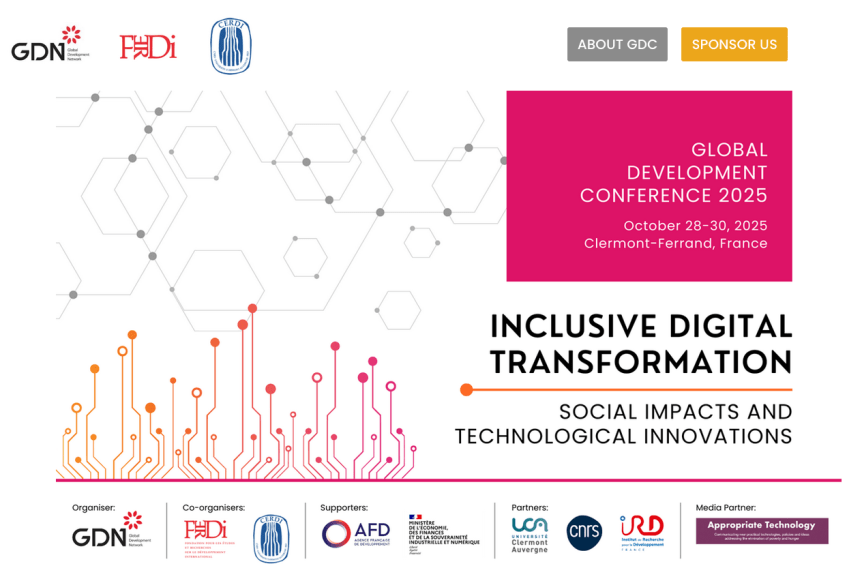
The ICT4D Collective is delighted to be assisting The Global Development Network (GDN) deliver its flagship Global Development Conference (GDC) 2025, taking place October 28-30 in Clermont-Ferrand, France, and virtually. Co-hosted by FERDI and CERDI, this year’s conference focuses on “Inclusive Digital Transformation – Bridging the Gap Between Promise and Reality.”
As ICT4D researchers and practitioners, we know technology holds immense potential for development, but we also see the risks of deepening inequalities and reinforcing existing power structures. GDC 2025 aims to foster a critical, evidence-based dialogue that moves beyond the hype. We’ll explore the complex interplay of social, economic, political, and ethical forces shaping our digital world, with a strong emphasis on learning from diverse global experiences, particularly within low- and middle-income countries (LMICs).
Get Involved Now! Call for Papers: this is the chance for researchers to share original research on digital inclusion, governance, the digital economy’s impact on social development, or technology for climate action. Contribute your evidence to inform policy and practice! Deadline: May 16, 2025.
What to Expect: GDC 2025 will feature inspiring keynotes, thought-provoking plenary discussions, and engaging, practical sessions designed for interaction. It’s a prime opportunity to connect with fellow researchers, policymakers, civil society representatives, and practitioners from across the globe.
Registration Coming Soon: Interested in attending, either in person or online? Participant registration will open shortly!
Stay updated and find all details on the official GDC 2025 website: conf2025.gdn.int
Projectitis is the bane of much good research and practice, whereby often well-intentioned people get caught up in a vicious cycle of bidding for project funding, delivering outputs, producing evidence of success, and then bidding again for new projects. All too frequently, insufficient effort is expended on supporting those involved to continue delivering positive outcomes in the years following the end of a project. In 2019 we were fortunate enough to be part of a successful bid for UKRI GCRF funding for a five year research Hub focusing on migration for development and equality (MIDEQ). By its end in 2024 it was clear that our work package on how migrants might benefit from using digital tech had only really just begun to generate outputs and outcomes to benefit the lives of the migrants and migrant organisations with whom we were working in Nepal and South Africa, and that more work needed to be done to help ensure that these outcomes became a lasting legacy of our work together.
Some of our reflections at the end of 2023 about how migrants might actually benefit from the millions of pounds spent on the academic research undertaken during MIDEQ were published as Unwin, T., Casentini, G., Harindranath, G. and Lorini, M.R. (2023) What works for migrants: reflections on research practice in the interests of migrants (Egham: ICT4D Collective, Working Paper 1). This reinforced our determination to try to find ways through which we could continue to support those with whom we had started working during MIDEQ, and we have been very fortunate to benefit from small amounts of continued funding from Royal Holloway, University of London (ESRC Social Science Impact Accelerator, and a Research England Block Grant) which has enabled us to revisit colleagues in South Africa and Brazil to encourage deeper and wider impact and outcomes. We are very grateful to the Research Impact team (Emily Gow and Rachael Kendrew) for all of their support and flexibility in helping us take this forward.
Most recently, we have also benefitted from a further small grant from Royal Holloway, University of London’s Social Purpose Research and Knowledge Exchange Funds to enable Hari Harindranath and Tim Unwin to return to Nepal for a short visit in January 2024 to help put in place structures that will enable the work we initiated to become further embedded within the activities of our partner organisations, thereby helping to ensure outcome continuity. This work initially focused on three main areas: the Pardesi portal (https://pardesi.org.np), training resources on the safe, wise and secure/private use of digital tech by migrants, and cybersecurity guidance for small civil society organisations. However, the visit also provided an opportunity to explore future collaborative initiatives, especially with our partner organisation ACORAB/CIN, the Association of Community Radio Broadcasters in Nepal.
Our original meetings with migrant organisations in Nepal in September 2022 had emphasised the need that they had identified for an overarching portal for migrants to provide accurate access to relevant and reliable information about all aspects of the migration process. This was not at all intended to duplicate existing information, but instead to provide a simple way for migrants to access the important information that they needed and that is already available on various disparate sites. Originally, we had supported many of the main migrant organisations and people within the local tech community to come together collectively to create this resource, not least so that all of the important entities felt involved in its creation and maintenance. However, it had become evident over the year since the end of MIDEQ that this needed to be complemented by firm direction and leadership to ensure effective updating and development of the portal, and as a result of meetings held during our visit we are delighted that Pourakhi, a human rights defender organization run by and for returnee Nepali women migrants, has agreed to take on this role.
Resources for migrants on the safe, wise and secure use of digital tech
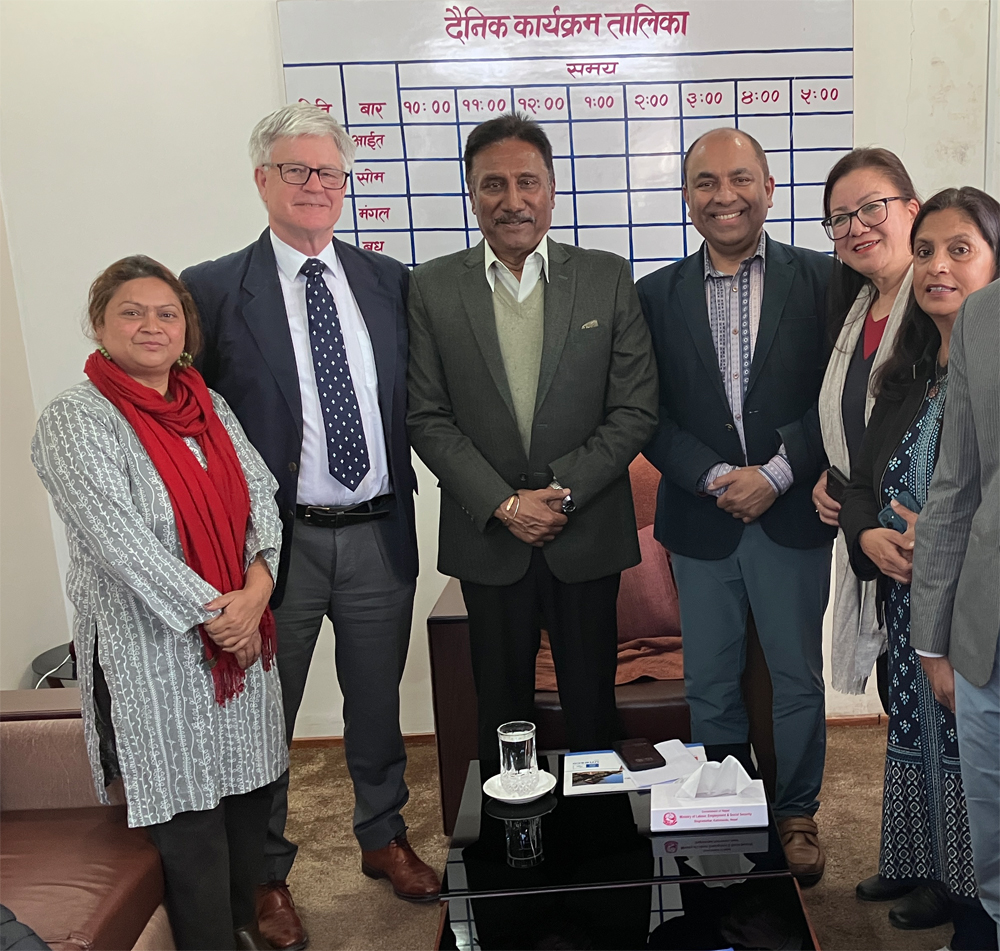
Meeting with Minister Sharat Singh Bhandari, Minister of Labour, Employment and Social Security, and colleagues from Pourakhi
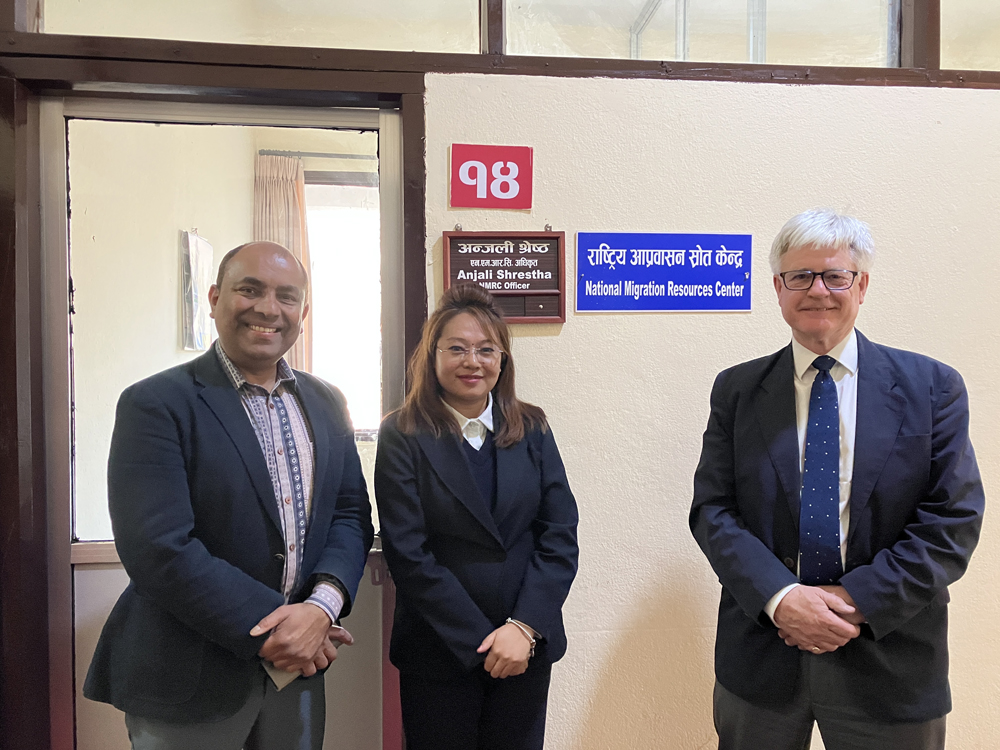
Meeting with Anjali Shrestha, National Migrant Resource Center Officer (NMRC)
During our original MIDEQ project we had developed a set of training resources in the six main languages used in Nepal to empower migrants to use digital tech safely, wisely and securely, with the original intention that these could be rolled out through the training provided by the Migrant Resource Centres (MRCs) in every province of the country. Despite previous meetings with government officials over the previous three years, changes in official roles and the evolution of government policies meant that we had not yet achieved this aim. Persistence and continued commitment nevertheless pays off, and we were delighted that we were able to share information about our work on this visit with the new Minister of Labour, Employment and Social Security, and that our good friend Anjali Shrestha (the National Migrant Resource Center Officer) has committed to finding ways through which counsellors at the MRCs can receive training based on the resources that we have already developed, supplemented by new posters and advice on key messages (see section on new resources being developed with ACORAB below).
Developing our partnership with ACORAB/CIN
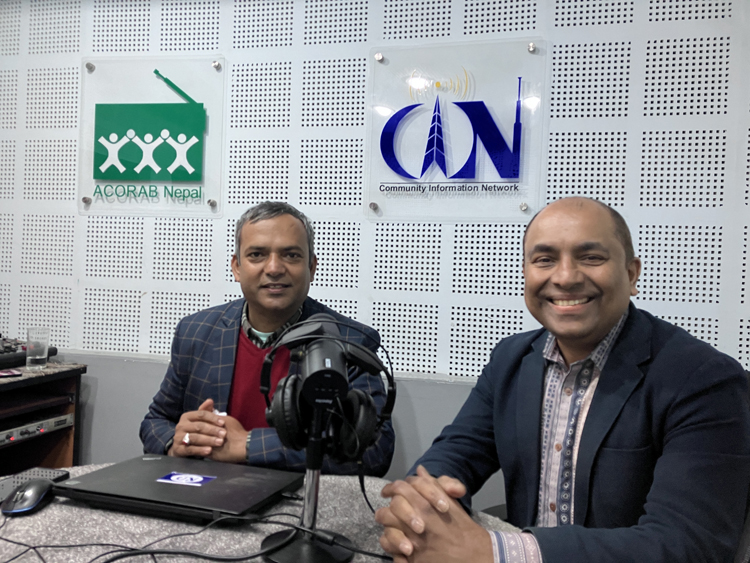
The ACORAB/CIN studio
The ACORAB/CIN studio
During our initial MIDEQ work we signed an official parntership Memorandum of Understanding with ACORAB/CIN, the Association of Community Radio Broadcasters in Nepal, who helped to disseminate our original resources on the safe, wise and secure use of digital tech to their regular audience of 6.7 million people across the country. We have comntinued to work together in training and advocacy, with ACORAB/CIN for example participating actively in the workshop we held at the WSIS+20 session on the future of community media in Geneva in May 2024. Our latest visit to Nepal helped to cement this relationship, with Tim Unwin delivering a seminar on Community Radio in an Increasingly Digital World, and agreements were also reached on the production and dissemination of new resources on the safe, wise and secure use of digital tech. These will include posters and podcasts on key issues of importance to migrant digital safety and privacy.
Sharing information and exploring new ideas with international organisations
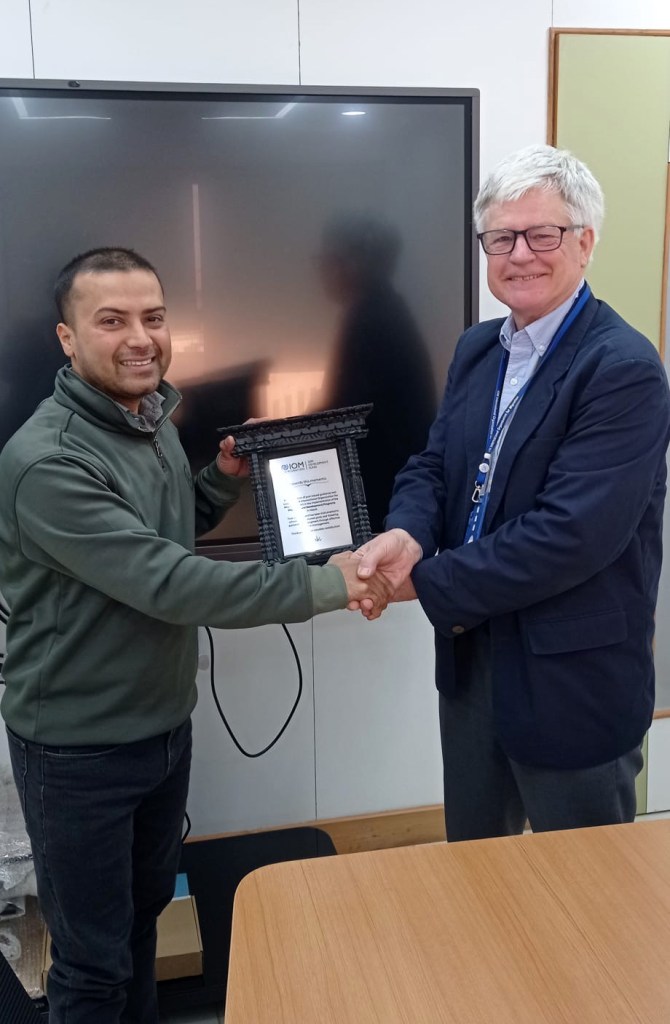
Tim Unwin receiving a certificate of appreciation from Prajwal Sharma at IOM
Meeting with Dollie Shaha at BBC Nepal
We worked closely with colleagues in international and bilateral organisations in Nepal during our original MIDEQ project and this visit provided a valuable opportunity to update colleagues in IOM, UNESCO, and the British Embassy about our work as well as to explore possible future synergies. All too often staff in these organisations move on to new roles and it is therefore very important to develop new personal relationships wtih their successors to ensure that valuable institutional links are maintained. This visit also provided a useful opportunity to meet with staff at BBC Nepal to learn about their work and relationships with ACORAB/CIN.
Meetings with migrant organisations and others involved in our MIDEQ work
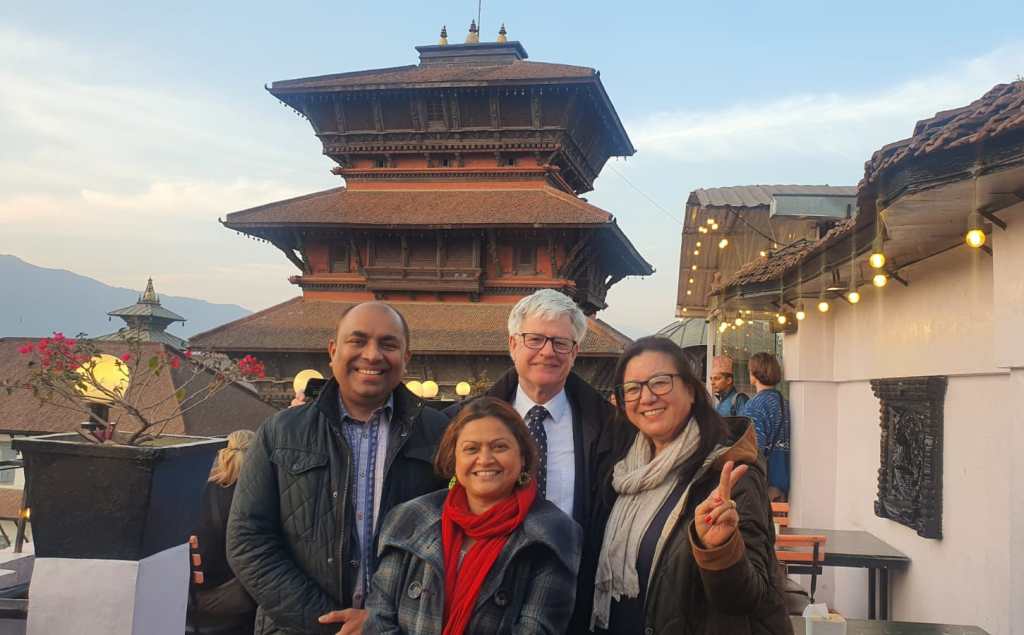
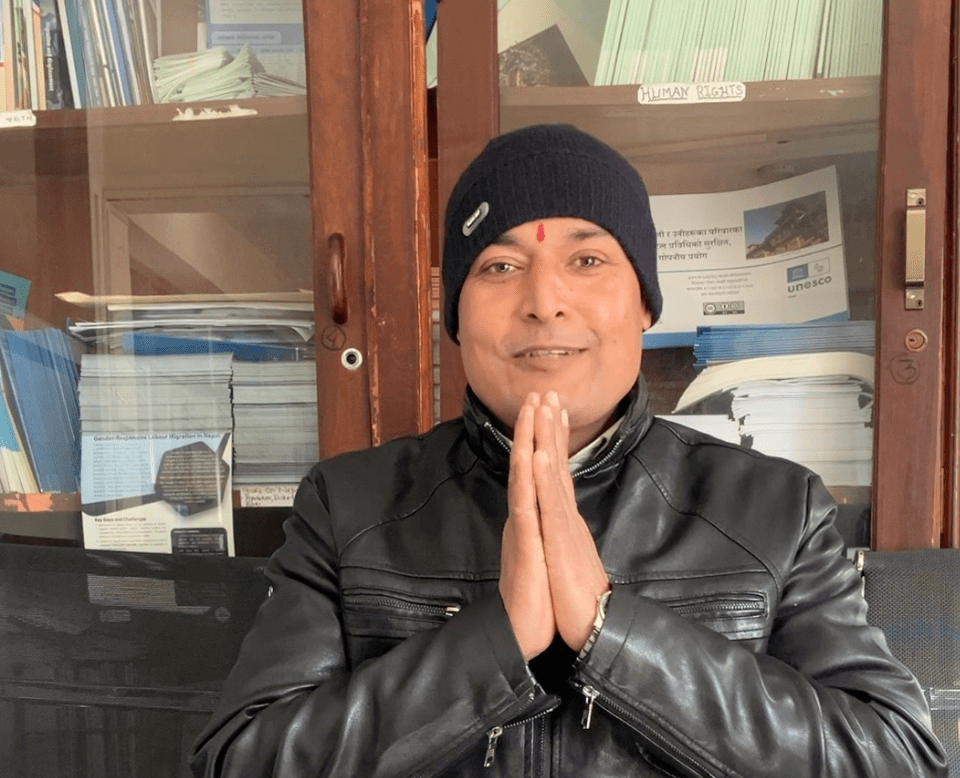
One of the main purposes of our visit was to meet with the local migrant organisations wth whom we had worked during MIDEQ to learn more about their current activities and how we might continue to work together both on the pardesi.org.np portal as well as on propagating messages about the safe, and secure use of digital tech. In addition to thos colleagues depicted above and below, we also met with Bijaya Kimari Rai Shrestha from AMKAS and Anita Ghimire from ISER-N.
Measuring the real outcomes of our work for the lives of individual migrants and their organisations remains difficult. We are very hopeful that as a result of our visit many new initiatives will take place that will help us together to achieve lasting outcomes:
Under Pourakhi’s oversight, working with many of our original MIDEQ colleagues, the pardesi.org.np portal will regularlly be updated and enhanced.
Our basic resources on the safe, wise and secure use of digital tech will be rolled out for all the counsellors in the 77 Migrant Resource Centres by the end of the year, and awareness raising posters and leaflets in relevant languages will also be made available for them.
Our cybersecurity resources for civil society organisations will be translated into Nepali and distributed to relevant organisations in Nepal.
ACORAB/CIN will continue to share information about the importance of cybersecurity at individual and organisational level through its support for local community radio stations.
At an organisational level, we will continue to work with ACORAB to help them engage appropriately in relevant digitalisation processes, and with IOM in the delivery of their Migration School.
Across all of these initiatives, we have put in place mechanisms to enable us better to understand the outcomes of our research-practice, not least so that we can share further information about what works and what challenges remain so that others can learn from our experiences. We believe that hearing from migrants themselves is one of the best ways to share such understandings (see videos here), and so this post closes with a short commentary from Swarna Kumar Sha from NNSM, the umbrella organization of civil society organizations in Nepal working in the field of labour migration and development, about his experiences of working with us.
We have been working since 2020 with partners across the world to develop basic cybersecurity resources for migrants, especially in Nepal and South Africa (funded by UKRI GCRF) , and have more recently extended this work to other countries (with funding from ESRC Social Impact Accelerator, Reseaerch England ODA, and Social Purpose Funding throigh Royal Holloway University of London). One of the most exciting of these new initiatives has be the collaboration between G. “Hari” Harindranath and Tim Unwin from the ICT4D Collective, and Dr. Heloisa Meloni in Brazil. This has focused mainly on developing localised versions of our basic training materials originally developed in Nepal into Brazilian Portuguese, focusing especially on advice that would be useful to those living nas periferias and in the favelas.
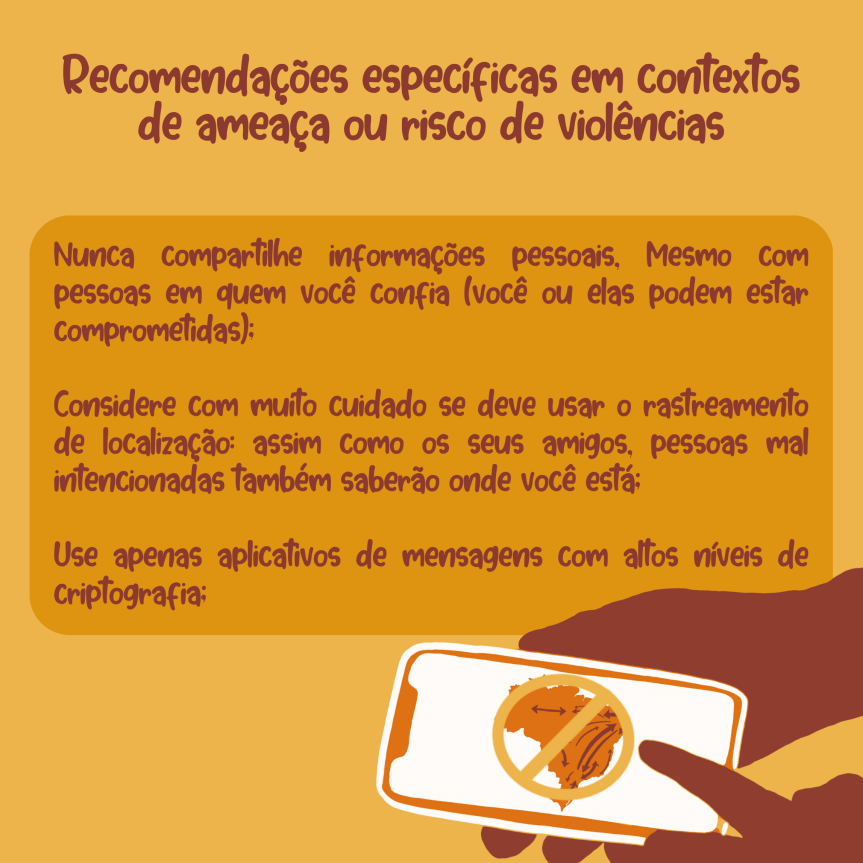
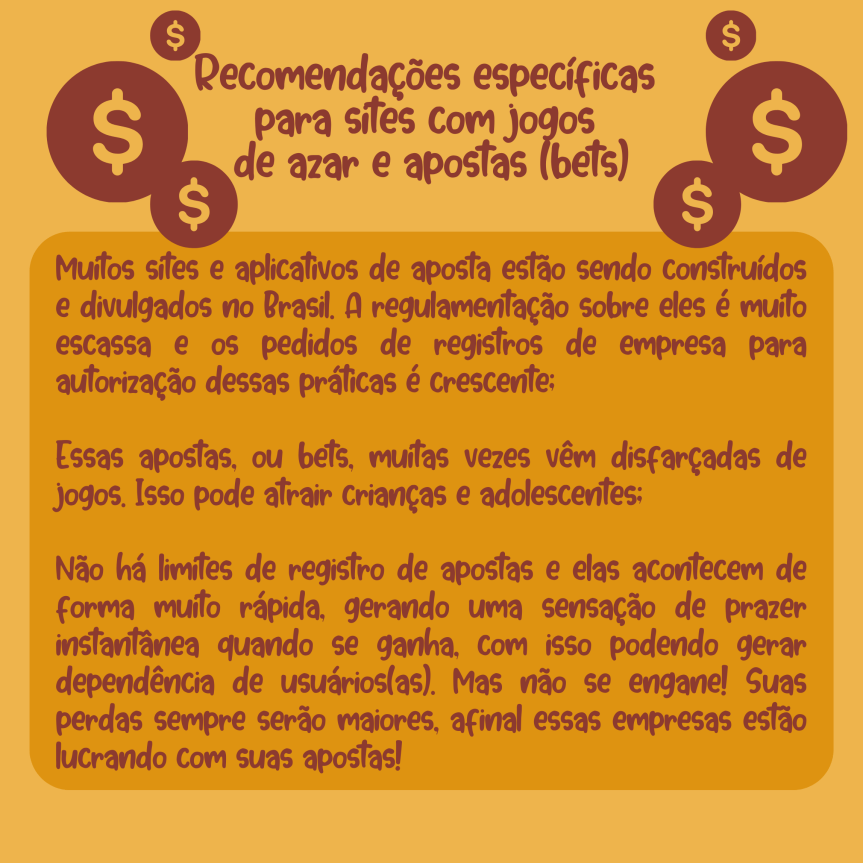
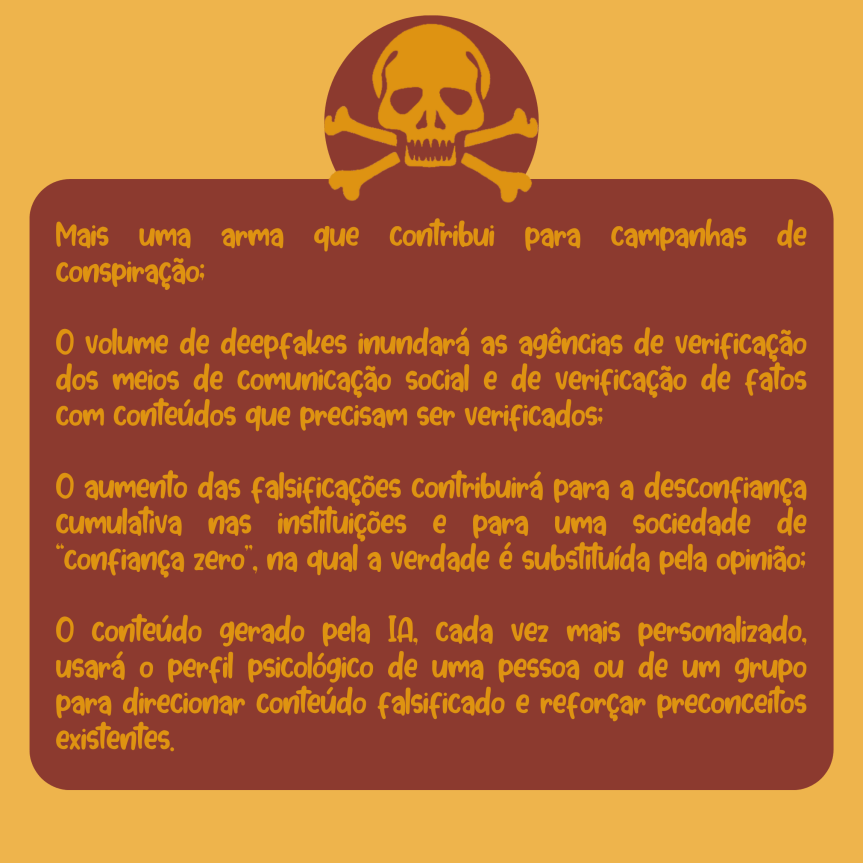
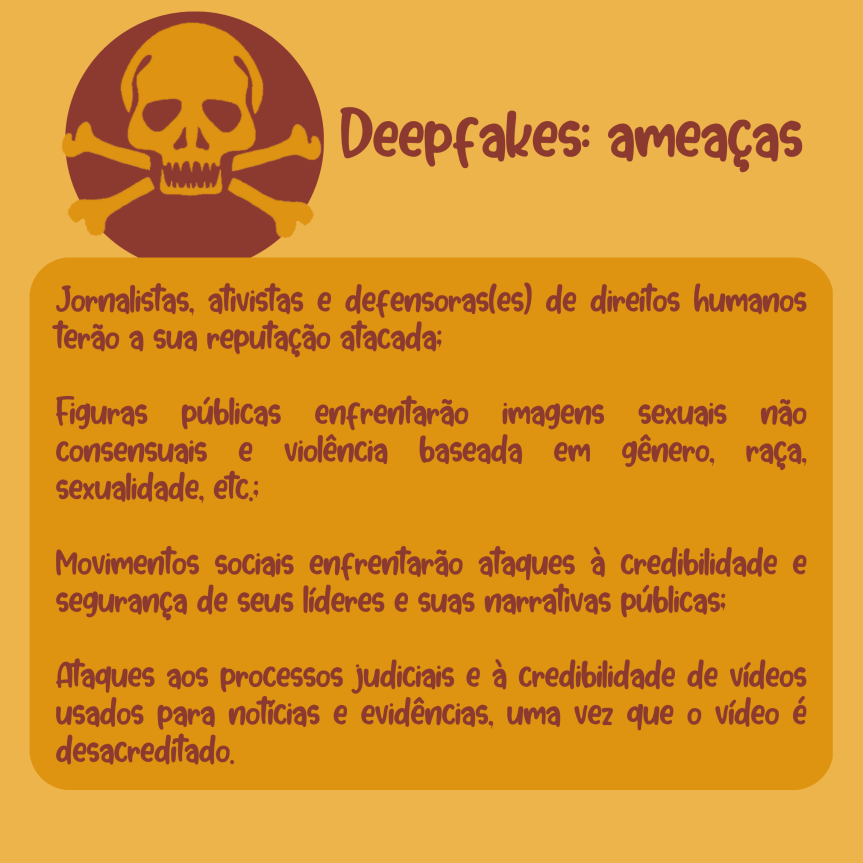
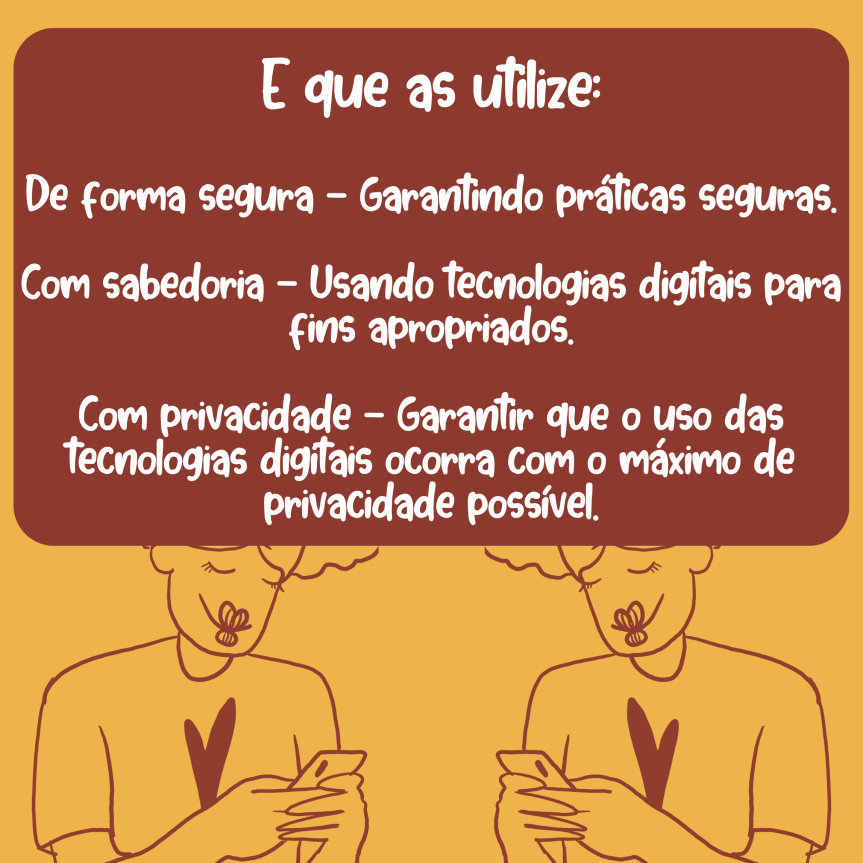
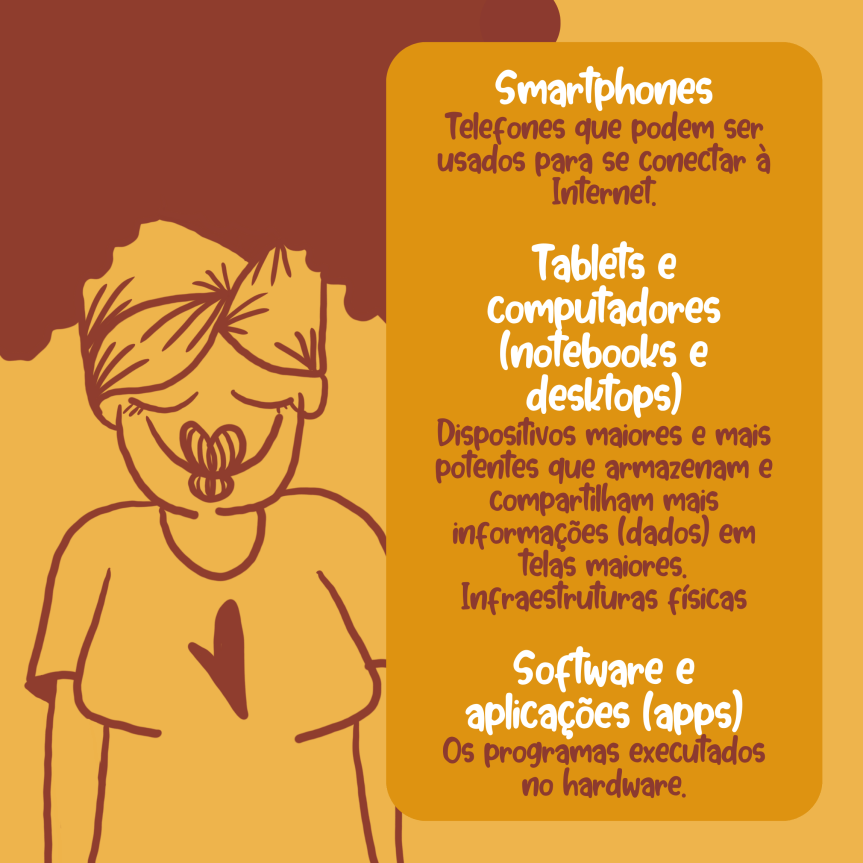
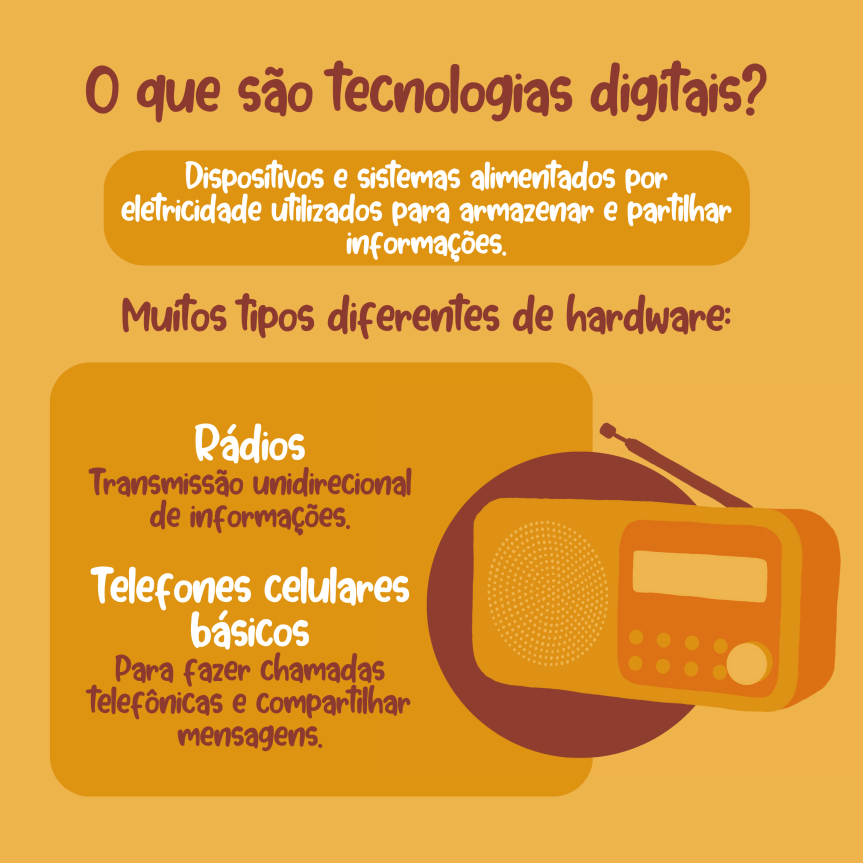
These resources were originally launched at a workshop on 12th September 2024 at the Casa Resistências in Maré, Rio de Janeiro, with a specific focus on how they could be used by the LBT community living there. Since then, the basic slide deck been subdivided into 16 short video clips by J Lo and Heloisa Melino and these can be shared on social media or used in many other ways to disseminate the advice on safe, wise and secure use of digital tech, especially for the LBT communities living in Brazil’s favelas. Some additional material is also included in clips 12-16 on topics such as deepfakes and using digital tech in violent contexts. Click on the links below to watch and listen to the videos:
We very much hope that these are helpful in many more Portuguese speaking contexts than just that for which they were original designed. They are made available under a Creatoive Commons BY SA license so they are free to use and adapt providing that new versions continue to be made available using the same license and appropriate credit is given.
The ICT4D Collective was delighted to be involved in delivering an online workshop/seminar with our partners ACORAB (the Association of Community Radio Broadcasters) and CIN (Community Information Network) in Nepal on 24th July. This drew on our previous work in Nepal, as well as the session on community radio that we ran earlier in the year at WSIS+20 together with other organisations and partners. These form part of our increasing work on cyber-security. Some 70 participants, mostly journalists from community radio stations, participated in the two-and-a-half hour workshop which had four main aims:
To share information and ideas about the work that members of the Collective have been doing, mainly with migrants, on the safe, wise and secure use of digital tech in Nepal, South Africa, Brazil and Mozamibique;
To provide participants with advice that will hopefully be of value to them both personally and in their professional lives;
To share resources on cyber-security that can be used through community radio to advise listeners in Nepal; and
An opportunity for discussion and dialogue between participants
The slide deck used for the workshop is available here, and we would love to hear any feedback or suggestions about the content through our contact page.
During one of our research visits to South Africa in January 2024 it became abundantly clear that many small and poorly resourced civil society organisations have little experience of using digital tech safely, wisely and securely. Drawing on good practices across the world, as well as our subsequent experiences in and with colleagues from Brazil, Nepal and Mozambiaue, we have therefore produced a short (12 page) guide to help such organisations understand the risks they are at from the use of digital tech and how they can be mitigated. This contains useful tips, graphics that can be copied and reversioned into posters, as well as links to more detailed sourcers of information, and it is freely available in English under a Creative Commons CC BY SA license.
Please get in touch using our contact page should you have any comments on how this could be improved or to discuss developing versions in other languages or for other contexts, and do please share information about this resource through your own networks.
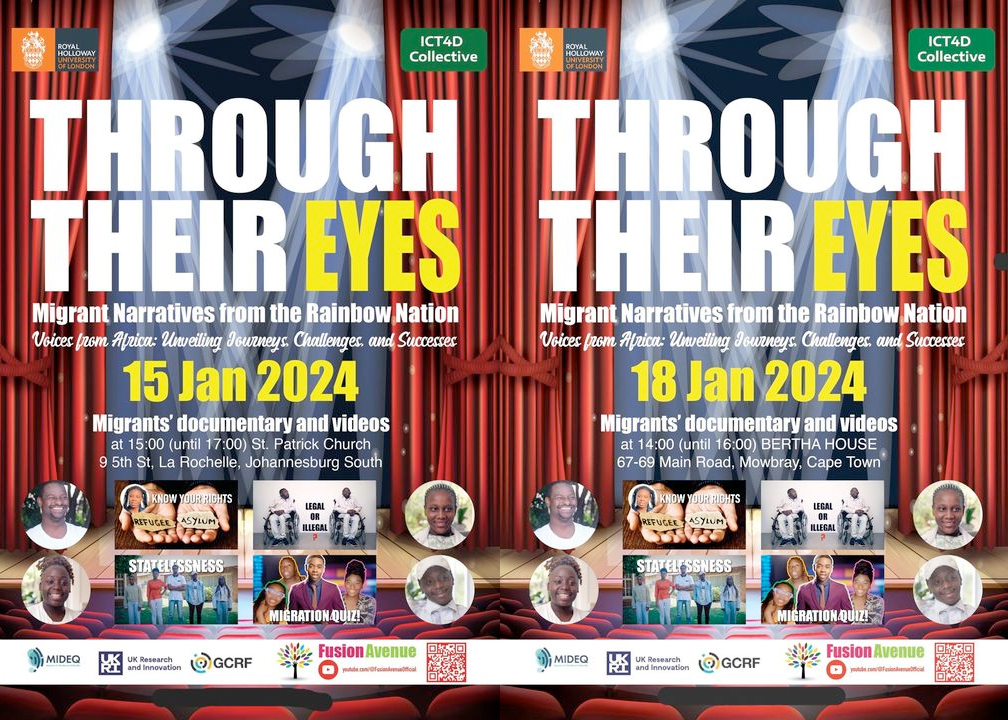
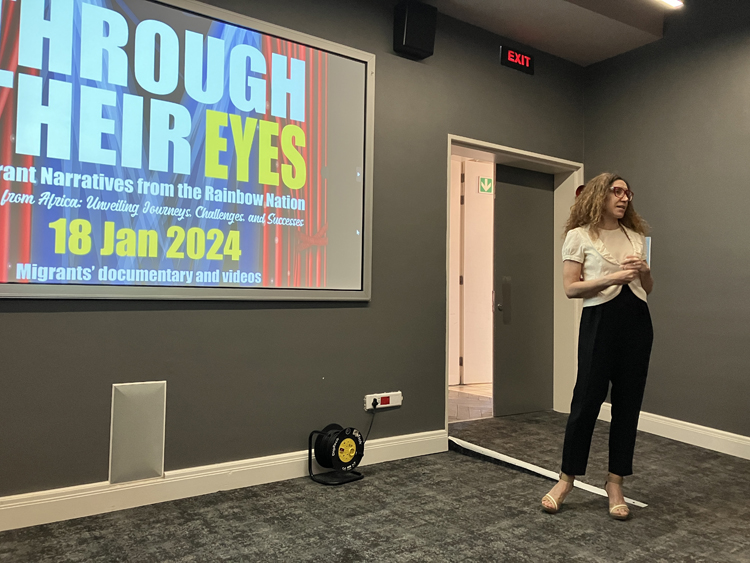
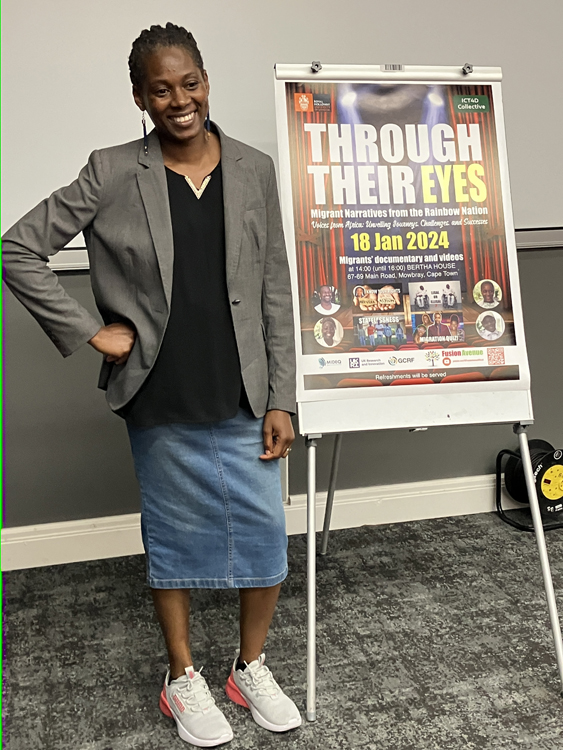
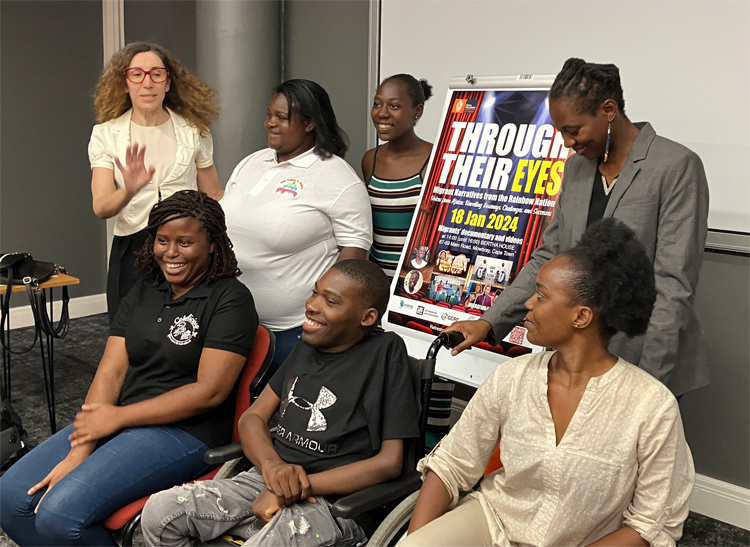
We were delighted to convene public launches on 15th January in Johannesburg and on 18th January in Cape Town for the interventions on which we have worked with migrants and migrant organisations in South Africa. The same format was followed in each location and included four main elements:
Premiere of a documentary film about the lives of the migrants with whom we have been working, entitled Through Their Eyes and produced by Simone Zanetti and Maria Rosa Lorini;
Presentation of videos made by the migrants following training by our work package, and introduction to their YouTube channel Fusion Avenue which features all the videos that they have made;
Information about the training they have been doing for others on the safe, wise and secure use of digital tech, following the training that they have received from our work package; and
Refreshments and networking.
These interventions were conceived and facilitated by the Digital Technologies and Migration work package (WP9) of the MIDEQ Hub funded by the UKRI Global Challenges Research Fund (GCRF). WP9 is led by Professor G. “Hari” Harindranath and Professor Tim Unwin CMG, with the support of Dr. Maria Rosa Lorini (who led the work in South Africa), based at the ICT4D Collective (Royal Holloway, University of London, UK). The resources were created collaboratively with migrants and organisations in both the Johannesburg and Cape Town regions, including the Scalabrini Centres in Cape Town and Johannesburg, the University of Cape Town, UNISA’s Information Systems Department, Stoneintheshoe, Rainbow Media, and SIHMA. Other organisations involved in the initiative have included Adonis Musati, Cape Town TV, Ubunti-Bethu, and JL Zwane
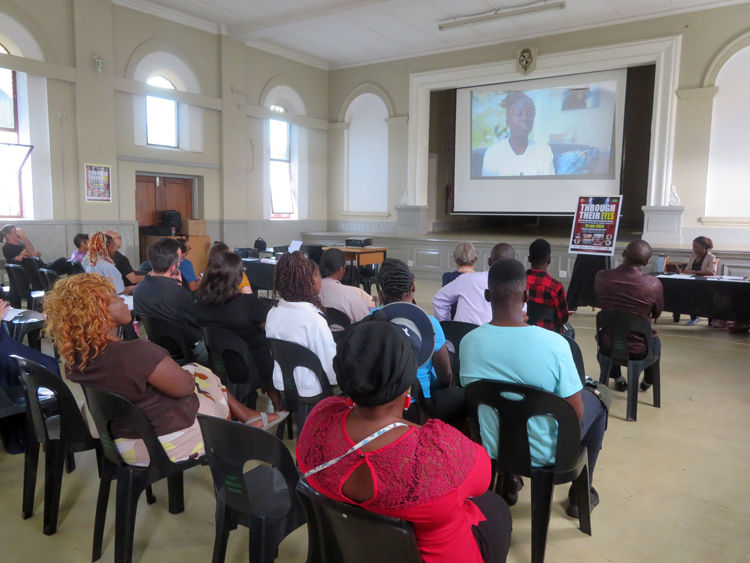
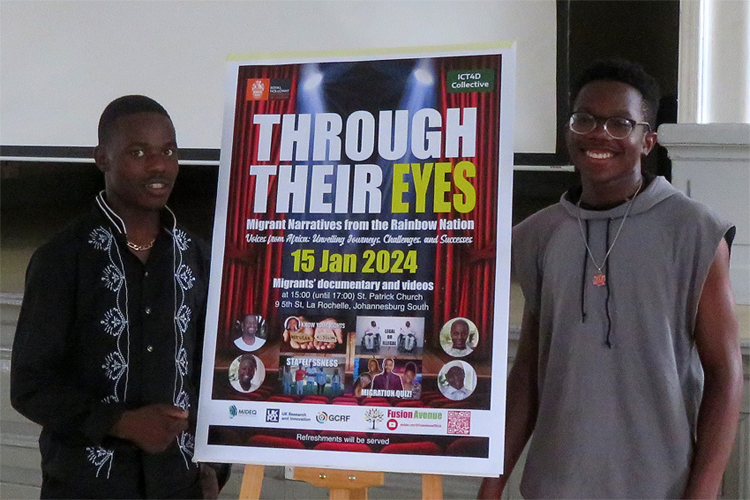
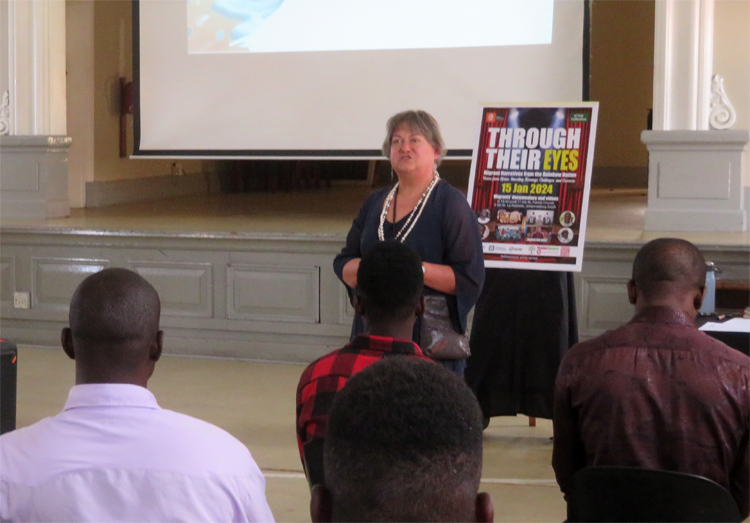
Johannesburg launch, 15th January
The Johannesburg launch was held at St Patrick’s Catholic Curch in La Rochelle (press release), and attracted people from the local community, migrants, universities and international organisations (click on arrows to go through the slide deck).
Cape Town launch, 18th January
The Cape Town launch was held at Bertha House, Mowbray (press release), and likewise attracted people from the local community, migrants, universities and international organisations (click on arrows to go through the slide deck).
A novel initiative to celebrate the International Day of the Girl Child took place in the vibrant city of Cape Town, South Africa, on 11th October. This was driven by a collective commitment to disseminate the importance of safe, wise and secure use of digital technologies, one of the corner stones of Work Package 9 (WP9) within the MIDEQ Hub funded by the UK government’s UKRI GCRF. This team is dedicated to harnessing the potential of digital tech to improve the lives of people and has dedicated much attention and care to discussing the side-effects of the digital world and to find ways to decrease any potential harms, especially when working with vulnerable groups.
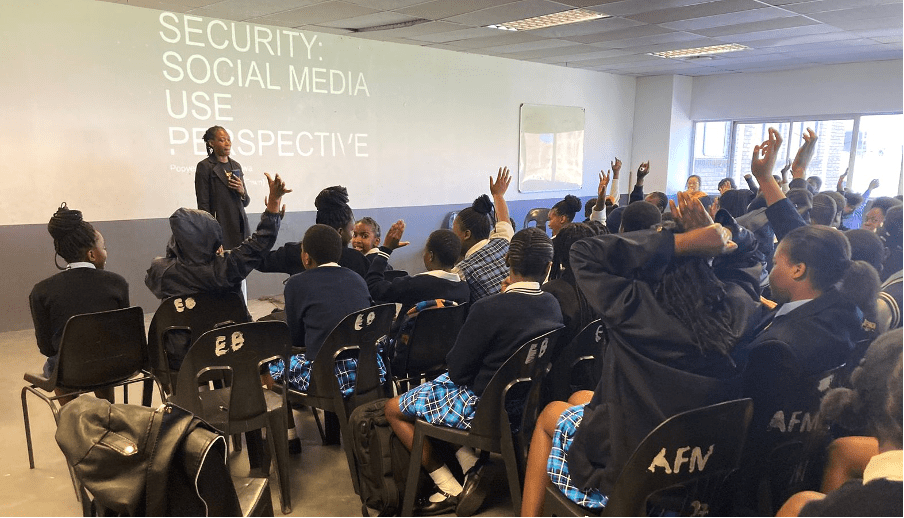
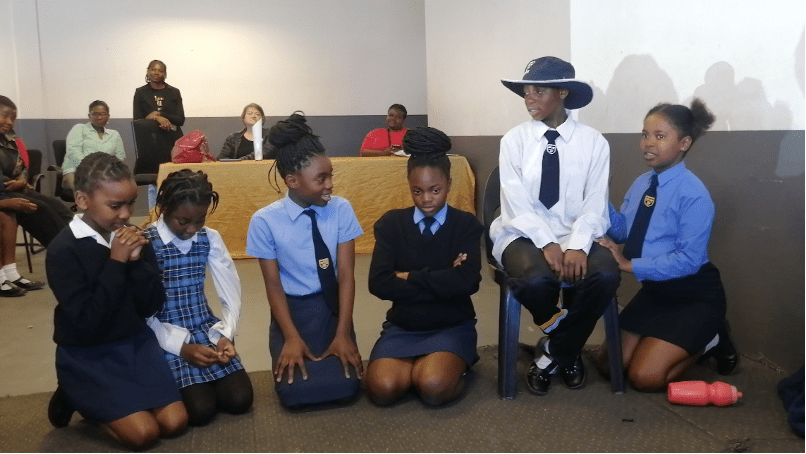
Five of the migrants living in South Africa and trained in digital skills through MIDEQ’s WP9, organised and managed an event that stands as a testimony to the importance given by people from many different backgrounds to the safe, wise and secure use of digital tech, and also witnesses the power of autonomous action and community engagement. The ‘Big Five’, as the activists called themselves in a comparison with the charismatic South African megafauna, took it upon themselves to participate in a school event dedicated to girls. This event took on added significance given the unique challenges faced by girls in the digital landscape, including issues of sexual harassment and trafficking, particularly within the migrant community. The school is situated in an area characterized by a significant concentration of migrants, and the teachers there are well-informed about the delicate issues associated with xenophobia and hate speech. Their stydents comprises girls from various nationalities, including Kenya, Zimbabwe, Zambia, Angola, and the Democratic Republic of Congo. Notably, the facilitators, who hail from Zimbabwe and the Democratic Republic of Congo, were themselves also able to glean valuable insights from the small group conversations during the activities.
Pascal Avenvuka Mbu-Letang interacting with the young students. Photo Credit: Hentie Wilson
The autonomy and initiative of these migrants trained through WP9 shone through as they seized the opportunity to impart crucial knowledge on online safety and security. As facilitators, they valued the school and specifically the chance to contribute to an event focused on girls’ perspectives. This was just the right arena with a relevant audience to spread messages and initiate a conversation with both students and teachers on risky digital behaviours that are too often underestimated. Above all in marginalised areas affected by limited infrastructures and high inequalities, parents and teachers do not consider digital risks as a priority to worry about. Nevertheless, as the facilitators highlighted during their talks, more and more often technology is the conduit of sexual harassment initially online and soon afterwards in person.
To emphasize the importance of being cautious and discerning while online, the speakers posed a provocative question to the students, asking them who assists them at school. The young audience quickly responded, stating that they have friends. However, when a similar inquiry was made regarding social media, the students became uncertain and struggled to formulate their responses. Throughout the session, the facilitators carefully avoided sounding judgmental about common mistakes or limited knowledge of online risks and solutions. Instead, they tactfully encouraged students to reflect on aspects such as the potential for online tracking when sharing personal pictures of their daily activities.
These migrants are among the founders of the Fusion Avenue YouTube Channel – a collective of migrants living in South Africa dedicated to exploring cultures, ideas, and viewpoints with the goal to bridge gaps, celebrate differences, and find common ground. With the consent of the school, the facilitators created a video reportage of the event, and have posted this on their channel (click also on the image below).
Join us on this journey as we delve into the details of this inspiring initiative, exploring how these dedicated facilitators catalysed the attention of their young audience and left a mark on the students and teachers with whom they engaged. This is a story of empowerment, autonomy, and the boundless potential of collaboratiion that we would like to tell though their own voices.
Memory Mwadziwana, one of the facilitators, captured the essence of the day in this way
“Ladies and gentlemen, welcome to a recap of the extraordinary International Girls Day event! Ladies and gentlemen, this is Memory, reporting on the extraordinary International Girls Day event that took place on October 11th at the Purpose Finders School. It was a day that resonated with empowerment, education, and unity, leaving a profound impact on both the girls and the teachers who took part.
The day kicked off with a briefing by our dedicated organizers, laying the foundation for what would become a transformative experience at Purpose Finders School.
An emotional prayer permeated the air, symbolizing hope and unity and setting the tone for the day’s events. It was followed by a shout-out to the remarkable facilitators and organizers, including Fusion Avenue, Women African Weavers, DMS Ministry, and Purpose Finders School. Their unwavering dedication forged a sense of community, creating a collaborative atmosphere that would define the day.
The girls took centre stage, sharing poignant poems that transcended mere performance; they became acts of self-expression and empowerment. The bond between teachers and students strengthened as educators gained a newfound appreciation for the incredible talents of their charges.
Theatre sketch by the students about early pregnancy (Photo credit: Marlene Sitah)
A highlight of the event was Pascal’s presentation on online safety and security. Trained by the MIDEQ Project, Pascal and her colleagues brought forth critical topics, including personal data exposure, digital harassment, hate speech, and online scams. In an age dominated by digital interactions, this knowledge proved invaluable.
Reiterating the importance of online safety, the event underscored the significance of being vigilant and informed in the digital world. Teachers expressed gratitude for the invaluable knowledge, and the girls left with newfound confidence.
Pascal Avenvuka Mbu-Letang presenting personal data belongingness and life to the young students. Photo Credit: Michael Kanyinda
Reporting from the Purpose Finders School, this is Memory, signing off with a heart full of inspiration and hope for the continued empowerment of young minds.”
At the end of the event, a debriefing session took place among the facilitators and the teachers who were keen to discuss further involvement of the ‘Big Five’ in this learning process, starting from themselves as educators.
From our side in MIDEQ WP9, we can only wish the Fusion Avenue team more successful events such as this!
Hari Harindranath, Maria Rosa Lorini and Tim Unwin from the ICT4D Collective (and Work Package 9 of MIDEQ), together with Guilia Casentini from SOAS (and Work Packages 1 and 3 of MIDEQ), convened a working session at the MIDEQ Symposium held in Rio de Janeiro on 21st September on “What works for migrants”. This focused especially on the ways through which members of the UKRI GCRF funded MIDEQ Hub have worked with (rather than “on” or “for”) migrants in the 12 countries where we have been working since 2019. It also addressed how we have sought to understand what migrants themselves have thought about our research-practice, and the monitoring and evaluation mechanisms we have used.
The workshop addressed four main themes:
How do we really know what migrants think about our work? (led by Maria Rosa Lorini)
What have we found to be effective ways of gathering empirical evidence about outcomes experienced by migrants? (led by Hari Harindranath)
What have we found to be effective ways of disseminating our outputs so that migrants benefit from them? (led by Giulia Casentini)
What are good forms of “output”/intervention to improve migrant lives? (led by Tim Unwin)
The enthusiastic group of researchers shown above from many different countries contributed to a very lively discussion that generated the mind map below (click on image for larger .pdf file).
We hope that this may become a useful tool for others wishing to undertake research-practice that aims positively to enhance the lives of migrants.
Tim Unwin visited Cape Town between 23rd and 30th August to carry forward our work led by Maria Rosa Lorini with migrants in South Africa as part of the MIDEQ Hub. This visit focused especially on dissemination, monitoring and evaluation, and training skills, but it also provided an excellent opportunity to work with other colleagues in MIDEQ from the South African lead team at the University of Cape Town (UCT) and also the work package on creative resistance and well-being from the University of Glasgow
We held two workshops at the Scalabrini Centre of Cape Town with the group of migrants who have been trained in video production and in the safe, wise and secure use of digtital tech through our MIDEQ intervention. The first of these concentrated on ways through which these videos can be disseminated more widely, as well as the importance of rigorous monitoring and evaluation for us to understand the impact of these videos. Key ideas to emerge from the workshop were: that it is better to produce something of, say, 60% quality, rather than aiming to produce something of 95% quality but failing to deliver anything; the ways that short videos on social media platforms such as Instagram and TikTok can be used to direct other migrants to their Fusion Avenue videos on YouTube; and the need for individuals in any loosely knit organisation to take responsibility for some aspect of its work. We also explored the top five tips on Instagram success that Michelle Carlin had suggested.
The migrants had recently held a training workshop on safe, wise and secure use of digital tech for other migrants at Rugby, and so our second workshop was to draw out lessons from this and provide them with additional advice on how to train others. This involved them in delivering short training segments and having feedback from each other on what went well and what aspects they might try to improve.
As part of our dissemination strategy and in order to help make our work sustainable beyond the duration of funding from the UKRI GCRF, we also used the opportunity to have very productive practical discussions with organisations working at the interface between migration and digital tech about ways through which the migrants’ skills in video production could be used to make further videos for these organisations in the future. Among the organisations with whom we explored future collaboration on a range of modalities are the Scalabrini Centre of Cape Town, the Adonis Musati Project, the University of Cape Town’s Refugee Rights Unit, Cape Town TV, Phillipi TV, Africa Unite, Ubunthu-Betu in Samora Machel and JL Zwane in Gugulethu.
Finally, this visit provided an excellent opportunity to work together with colleagues from other work packages within MIDEQ, namely our South African country lead team ked by Dr. Faisal Garba at UCT, and Dr. Gameli Tordzro from the Univeristy of Glasgow. Gameli is a highly engaging and charismatic artist and musican whose research is in creative arts and translating cultures, language and education with a focus on African diaspora music, video film production, story and storytelling. He was in Cape Town working with about 25 migrants at Africa Unite to weave a story in words, music and culture about the experiences of African migrants, and it was truly humbling to watch them develop their very moving collective story and performance.
As of 1st August 2023, the UNESCO Chair in ICT4D at Royal Holloway, University of London has reverted to its original identity as the ICT4D Collective. We are a group of very diverse researchers and practitioners from across the world, bound together by our commitment to the highest possible quality of research-practice relating to the use of digital technologies in the interests of the world’s poorest and most marginalised people.
Our last engagement as members of the UNESCO Chair in ICT4D: meeting staff and students at the NIC’s ICT and Electronics Innovation Lab in Pokhara, Nepal, July 2023
The Collective and the UNESCO Chair in ICT4D
The original ICT4D Collective was created in 2004, and evolved through an agreement in 2007 between UNESCO and Royal Holloway, University of London into the UNESCO Chair in ICT4D (Information and Communication Technologies for Development). UNESCO Chairs are groups of researchers in specific institutions undertaking work of direct relevance to UNESCO’s fields of competence, and they promote “international inter-university cooperation and networking to enhance institutional capacities through knowledge sharing and collaborative work”. Members of our UNESCO Chair have been very proud to have been associated with UNESCO for the last 16 years, and to have collaborated closely with many good friends in UNESCO’s Paris headquarters and field offices. We were also honoured that Houlin Zhao, the Secretary General of the International Telecommunications Union (ITU) between January 2015 and January 2023, and Jean Philbert Nsengimana, former Minister of Youth and Information and Communication Technology (MYICT) from Rwanda, were our Honorary Patrons.
The following are some of the things we have particularly enjoyed engaging in over the last 16 years:
Working together collegially in a truly multidisciplinary context, involving colleagues from Computer Science, Geography, Information Security, Law and Managament at Royal Holloway, University of London.
Creating one of the largest groups of postgraduates completing PhDs in the field of ICT4D during the late 2000s and early 2010s.
Crafting an extensive partnership network involving governments, the private sector and civil society, and sharing the lessons we have learnt about making partnerships successful.
Contributing our experiences in global discussions around the role of digital tech in international development, especially in the UN’s WSIS process (since its origins in 2003), and UNESCO’s many gatherings relating to education and technology.
Working on the ground in support of diverse groups of marginalised people, especially those with disabilities, out of school youth, women in patriarchal societies, and migrants and refugees.
We are now re-energised as the ICT4D Collective, with 22 founding members drawn from 13 countries – we welcome new members who share our aims and principles. Quick links to our research and practice are available below:
See also the ICT4D Facebook Group which we established in 2007 and now has >5,500 members
An exciting future…
We all look forward to continuing the work started by the original ICT4D Collective almost 20 years ago, although we remain very sad that the new leadership team at Royal Holloway, University of London did not see value in the institution continuing to have a UNESCO Chair. Perhaps we represented voices from the past; perhaps we have been too critical and anarchic; perhaps we have just been honest and spoken truth to power. Whatever the reason, we will continue to have fun working together, we will continue to challenge the status quo, we will continue to point out the many harms caused by the use of digital tech, and we will continue to work with and support the world’s poorest and most marginalised peoples.




















































 ICT4D Collective