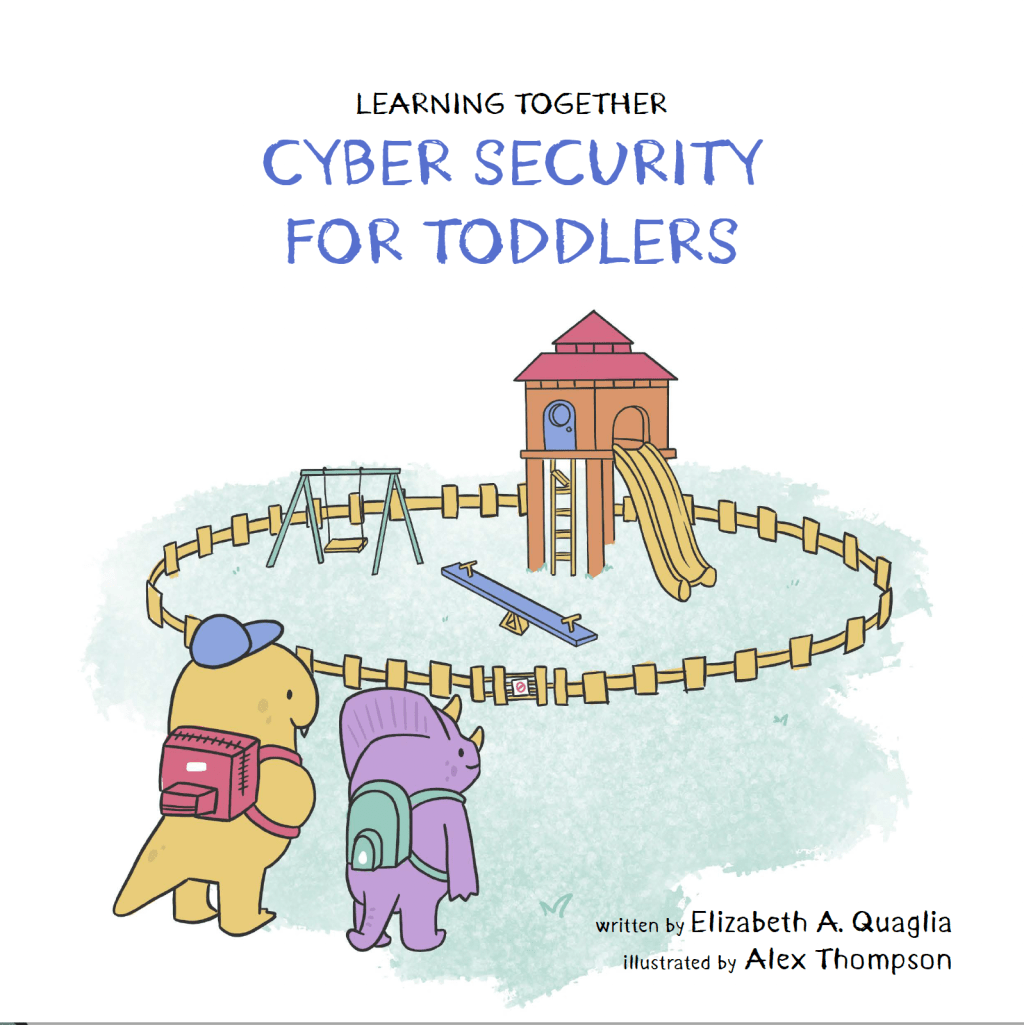
These are excellent learning guides aimed at children and adults who care for them, and introduce fundamental concepts in cyber security and cryptography. Glossaries at the end of each book provide really useful, clear explanations of what key terms in cybersecurity and cryptography mean, and how they have been used in the books – as illustrated below:
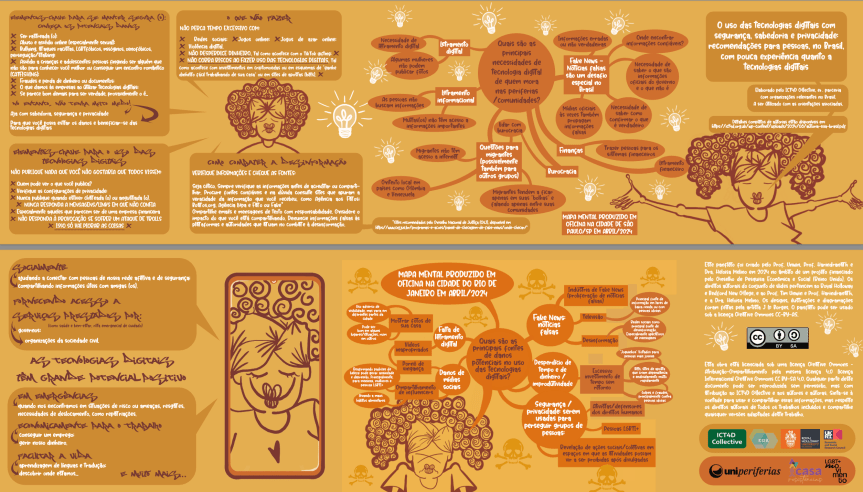
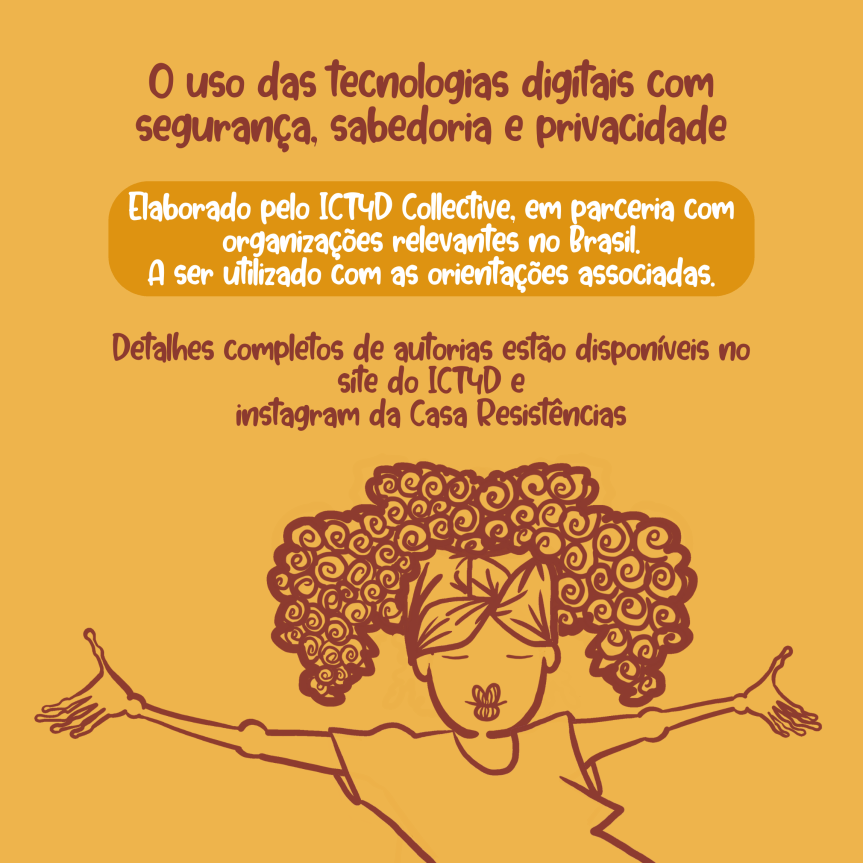
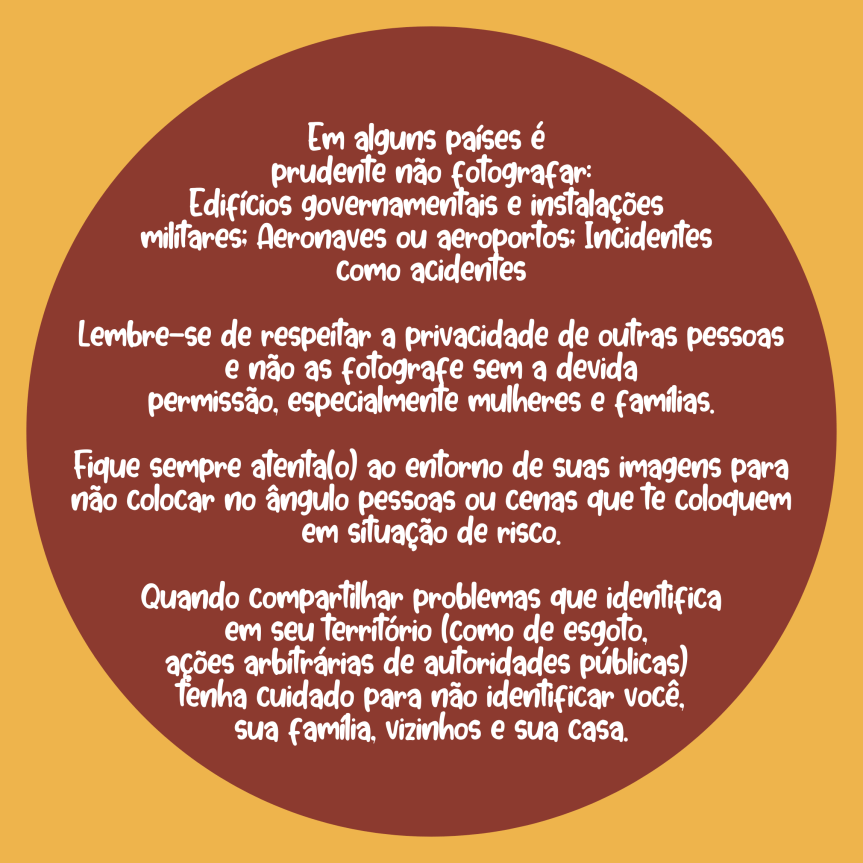
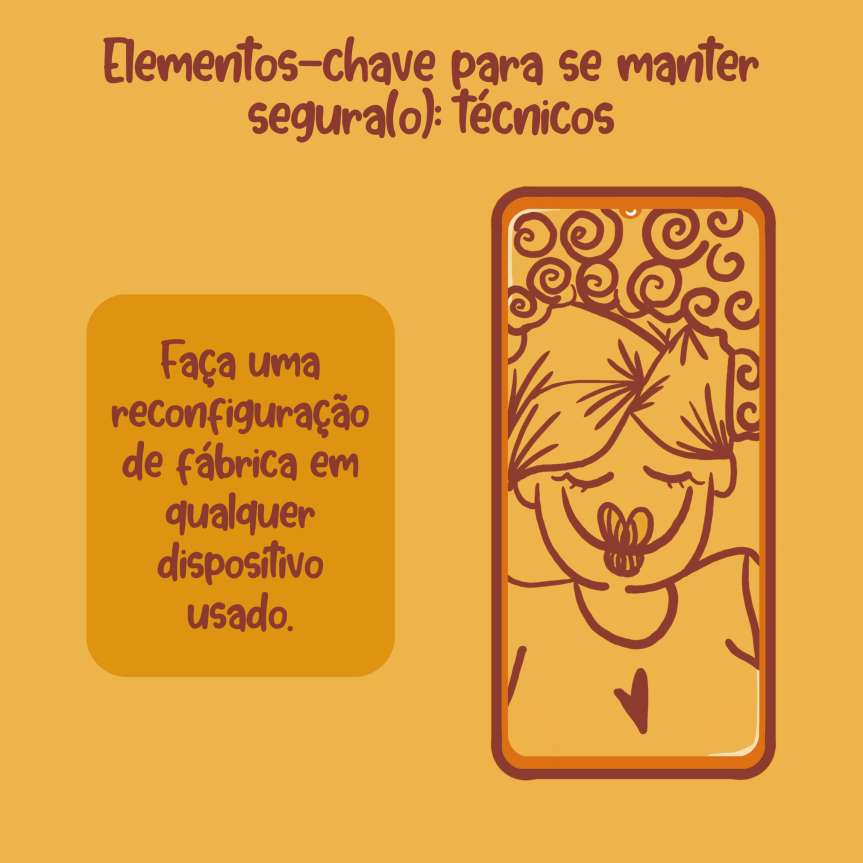
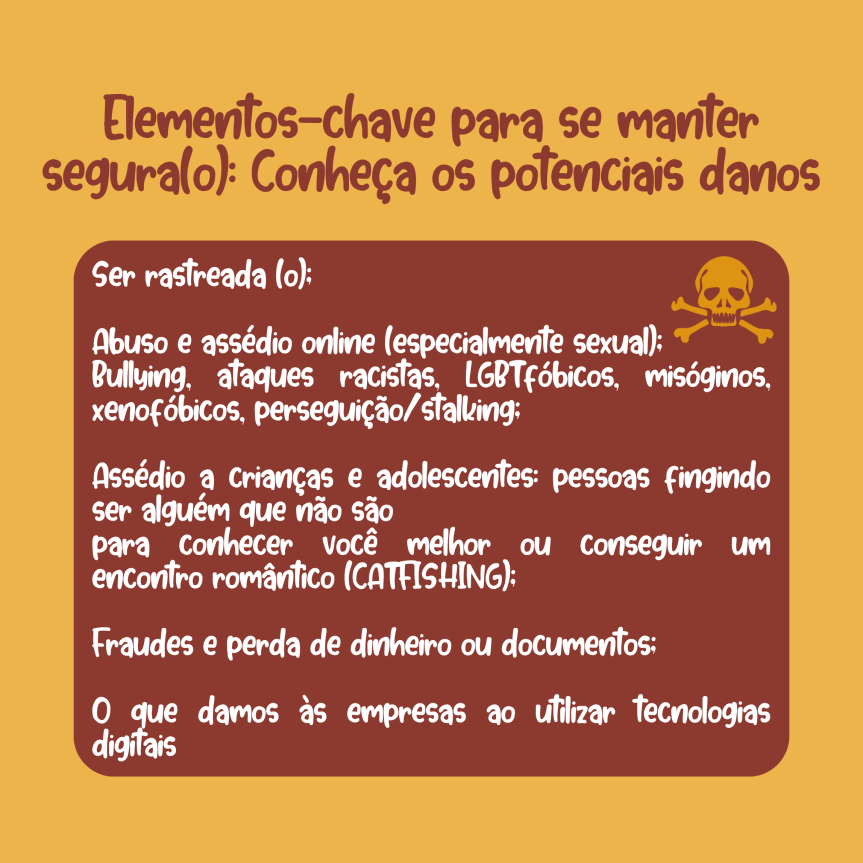
We have been working since 2020 with partners across the world to develop basic cybersecurity resources for migrants, especially in Nepal and South Africa (funded by UKRI GCRF) , and have more recently extended this work to other countries (with funding from ESRC Social Impact Accelerator, Reseaerch England ODA, and Social Purpose Funding throigh Royal Holloway University of London). One of the most exciting of these new initiatives has be the collaboration between G. “Hari” Harindranath and Tim Unwin from the ICT4D Collective, and Dr. Heloisa Meloni in Brazil. This has focused mainly on developing localised versions of our basic training materials originally developed in Nepal into Brazilian Portuguese, focusing especially on advice that would be useful to those living nas periferias and in the favelas.
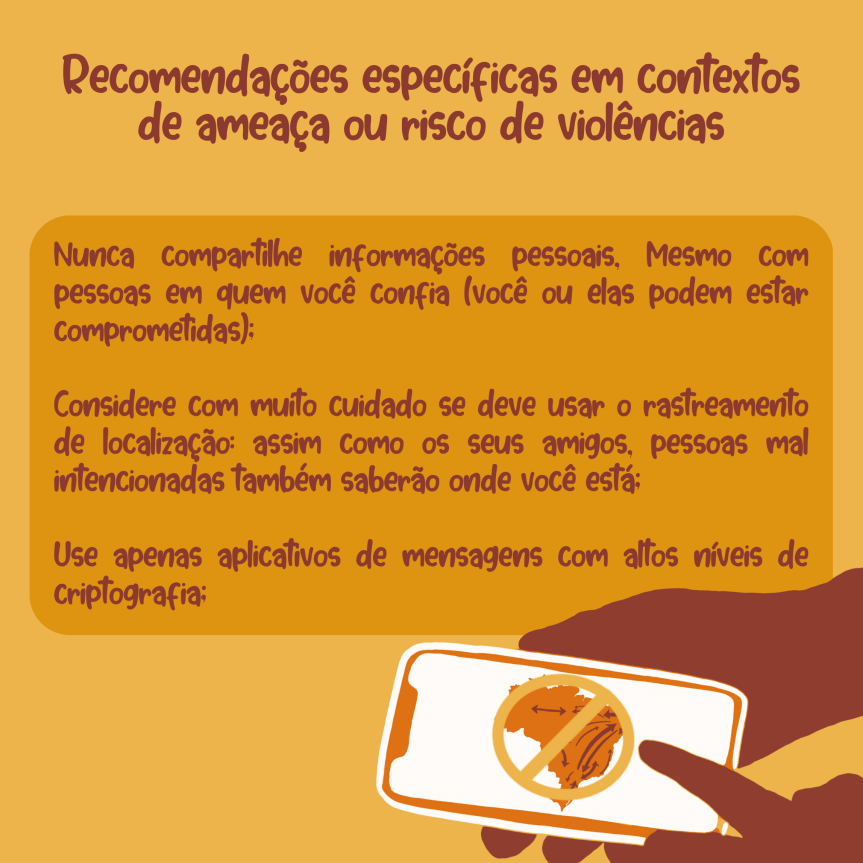
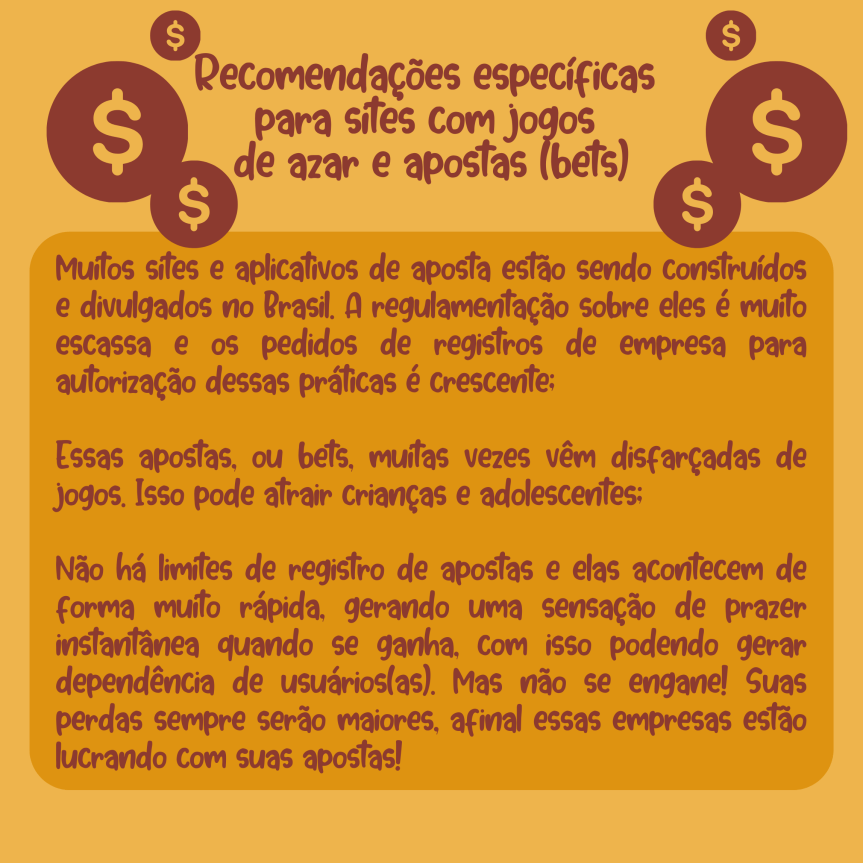
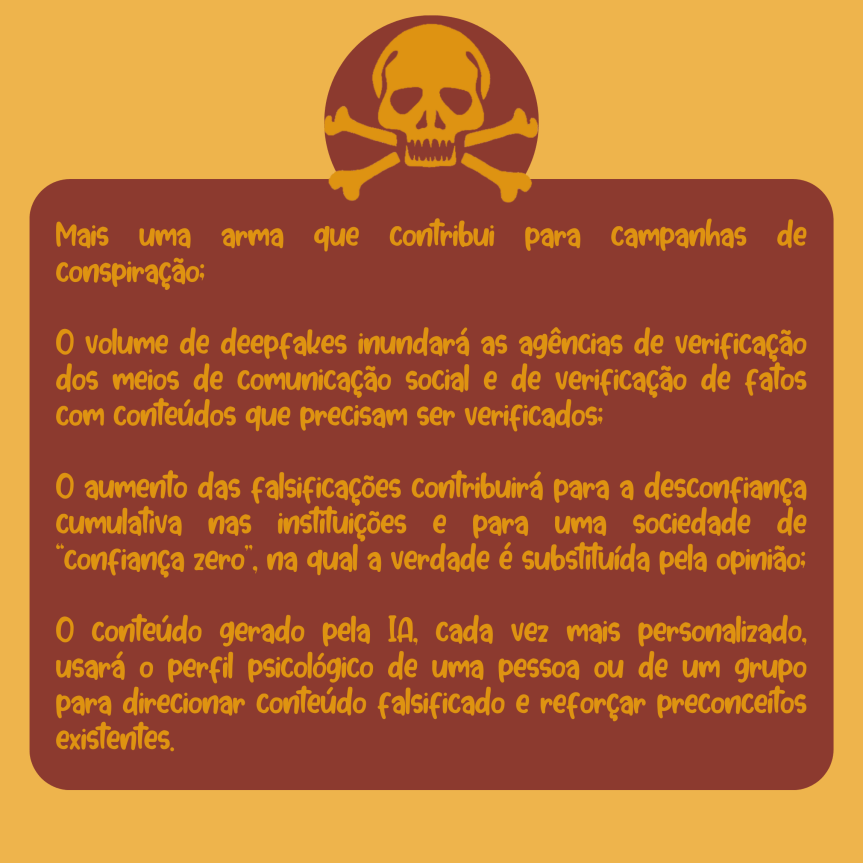
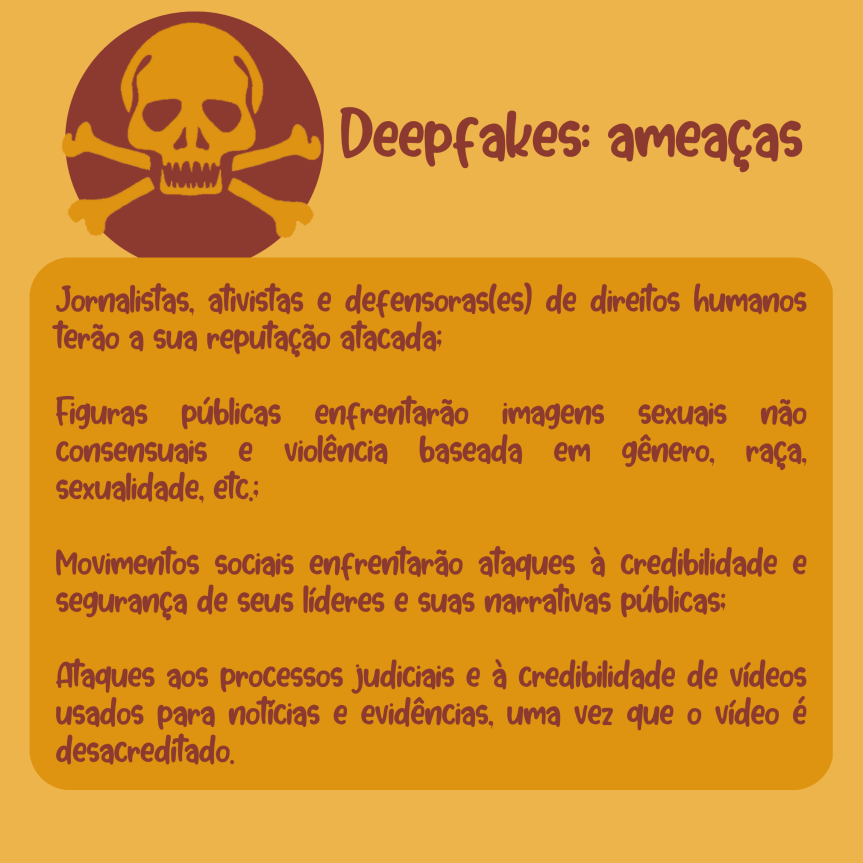
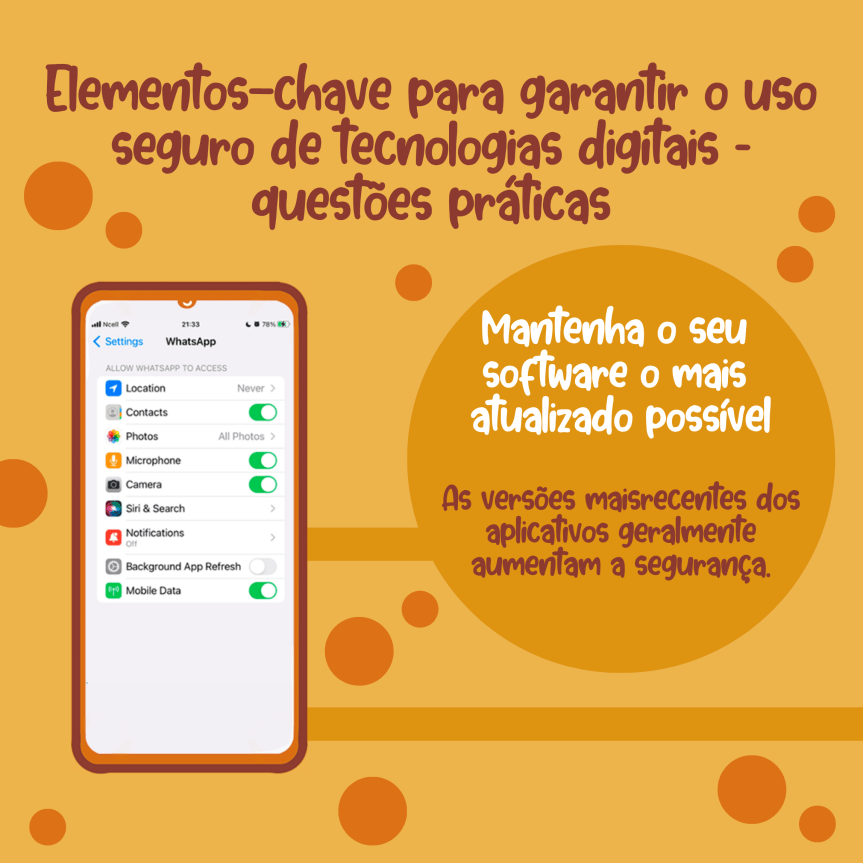
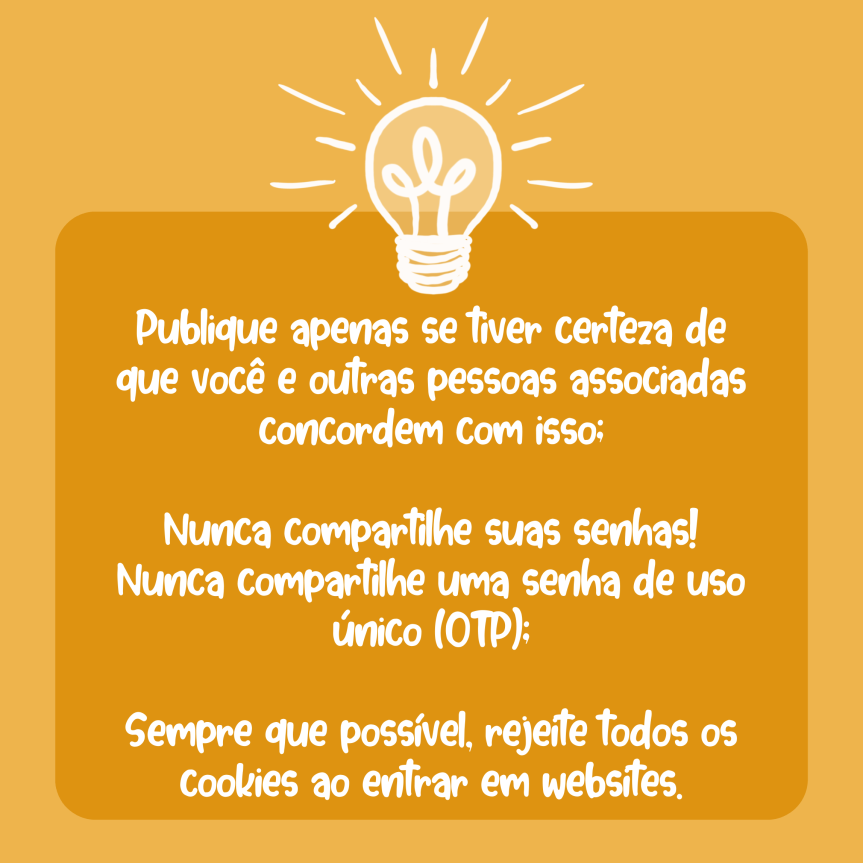
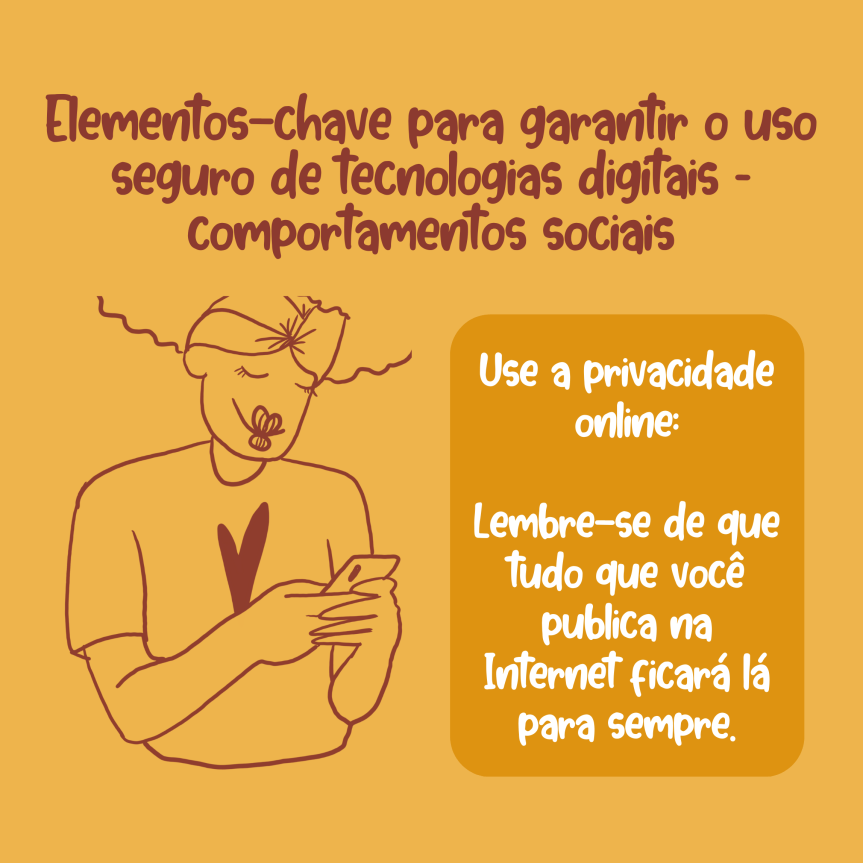
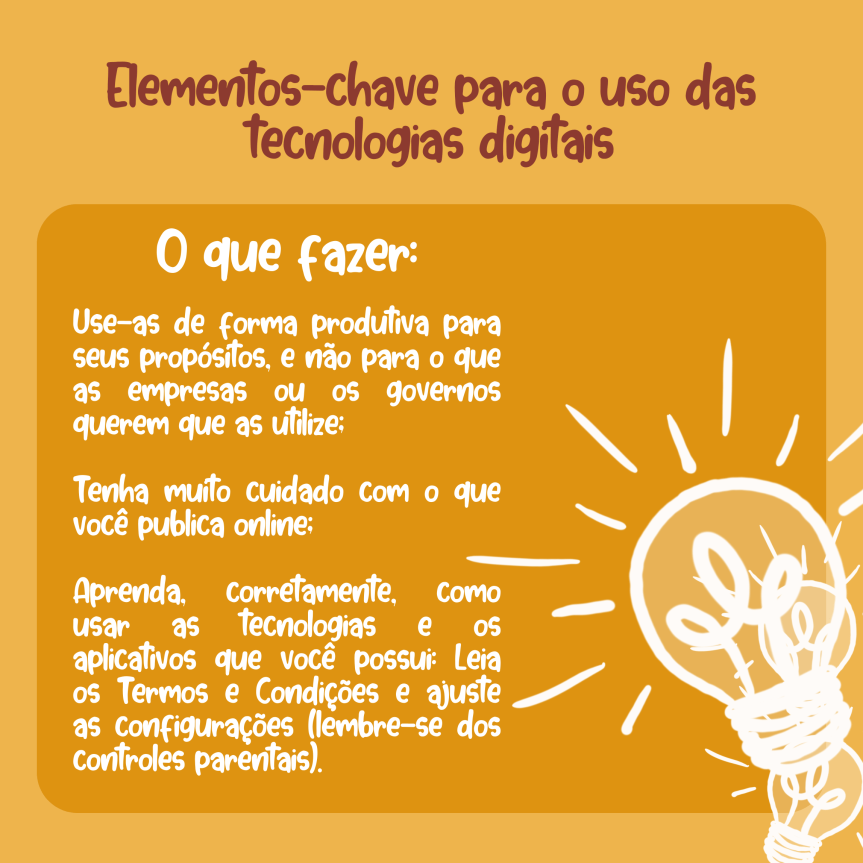
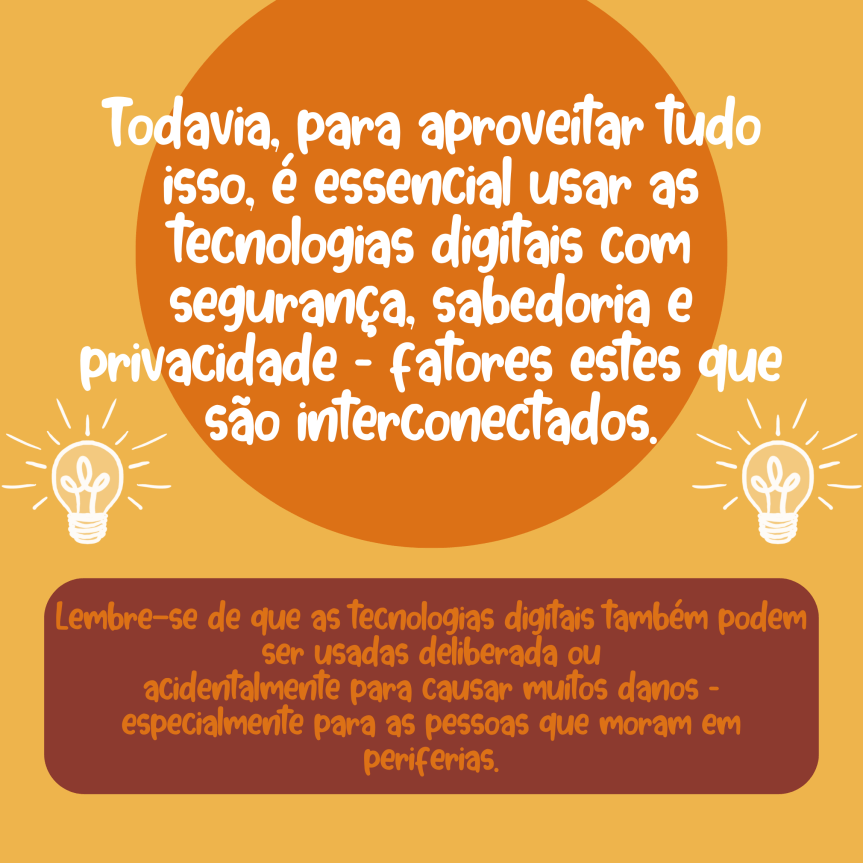
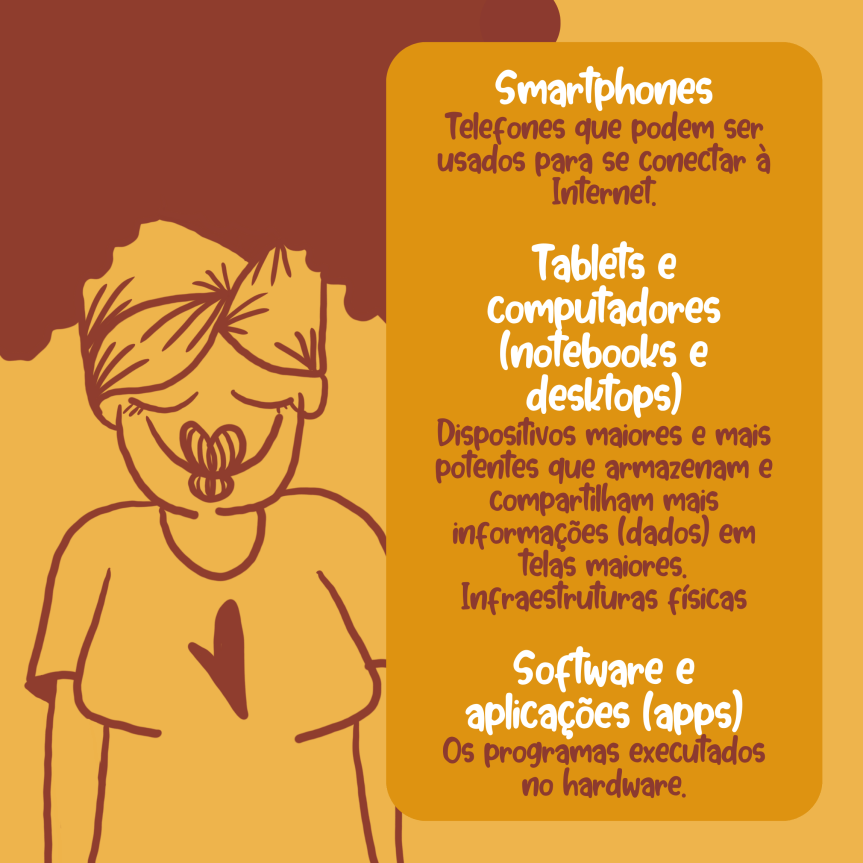
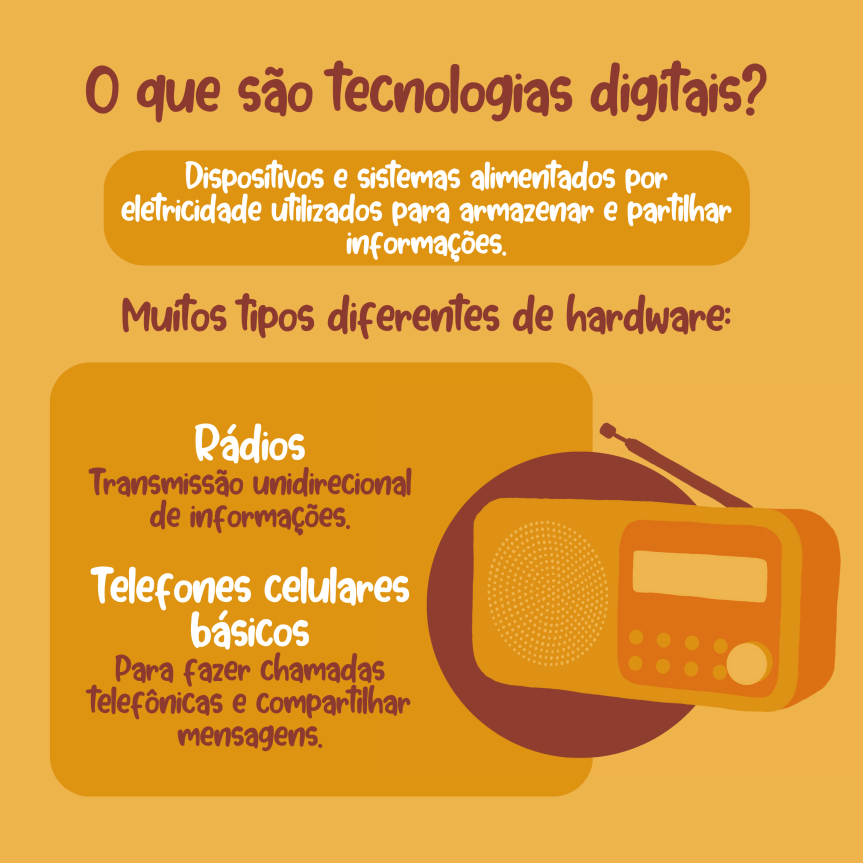
These resources were originally launched at a workshop on 12th September 2024 at the Casa Resistências in Maré, Rio de Janeiro, with a specific focus on how they could be used by the LBT community living there. Since then, the basic slide deck been subdivided into 16 short video clips by J Lo and Heloisa Melino and these can be shared on social media or used in many other ways to disseminate the advice on safe, wise and secure use of digital tech, especially for the LBT communities living in Brazil’s favelas. Some additional material is also included in clips 12-16 on topics such as deepfakes and using digital tech in violent contexts. Click on the links below to watch and listen to the videos:
We very much hope that these are helpful in many more Portuguese speaking contexts than just that for which they were original designed. They are made available under a Creatoive Commons BY SA license so they are free to use and adapt providing that new versions continue to be made available using the same license and appropriate credit is given.
As of 1st August 2023, the UNESCO Chair in ICT4D at Royal Holloway, University of London has reverted to its original identity as the ICT4D Collective. We are a group of very diverse researchers and practitioners from across the world, bound together by our commitment to the highest possible quality of research-practice relating to the use of digital technologies in the interests of the world’s poorest and most marginalised people.
Our last engagement as members of the UNESCO Chair in ICT4D: meeting staff and students at the NIC’s ICT and Electronics Innovation Lab in Pokhara, Nepal, July 2023
The Collective and the UNESCO Chair in ICT4D
The original ICT4D Collective was created in 2004, and evolved through an agreement in 2007 between UNESCO and Royal Holloway, University of London into the UNESCO Chair in ICT4D (Information and Communication Technologies for Development). UNESCO Chairs are groups of researchers in specific institutions undertaking work of direct relevance to UNESCO’s fields of competence, and they promote “international inter-university cooperation and networking to enhance institutional capacities through knowledge sharing and collaborative work”. Members of our UNESCO Chair have been very proud to have been associated with UNESCO for the last 16 years, and to have collaborated closely with many good friends in UNESCO’s Paris headquarters and field offices. We were also honoured that Houlin Zhao, the Secretary General of the International Telecommunications Union (ITU) between January 2015 and January 2023, and Jean Philbert Nsengimana, former Minister of Youth and Information and Communication Technology (MYICT) from Rwanda, were our Honorary Patrons.
The following are some of the things we have particularly enjoyed engaging in over the last 16 years:
Working together collegially in a truly multidisciplinary context, involving colleagues from Computer Science, Geography, Information Security, Law and Managament at Royal Holloway, University of London.
Creating one of the largest groups of postgraduates completing PhDs in the field of ICT4D during the late 2000s and early 2010s.
Crafting an extensive partnership network involving governments, the private sector and civil society, and sharing the lessons we have learnt about making partnerships successful.
Contributing our experiences in global discussions around the role of digital tech in international development, especially in the UN’s WSIS process (since its origins in 2003), and UNESCO’s many gatherings relating to education and technology.
Working on the ground in support of diverse groups of marginalised people, especially those with disabilities, out of school youth, women in patriarchal societies, and migrants and refugees.
We are now re-energised as the ICT4D Collective, with 22 founding members drawn from 13 countries – we welcome new members who share our aims and principles. Quick links to our research and practice are available below:
See also the ICT4D Facebook Group which we established in 2007 and now has >5,500 members
An exciting future…
We all look forward to continuing the work started by the original ICT4D Collective almost 20 years ago, although we remain very sad that the new leadership team at Royal Holloway, University of London did not see value in the institution continuing to have a UNESCO Chair. Perhaps we represented voices from the past; perhaps we have been too critical and anarchic; perhaps we have just been honest and spoken truth to power. Whatever the reason, we will continue to have fun working together, we will continue to challenge the status quo, we will continue to point out the many harms caused by the use of digital tech, and we will continue to work with and support the world’s poorest and most marginalised peoples.
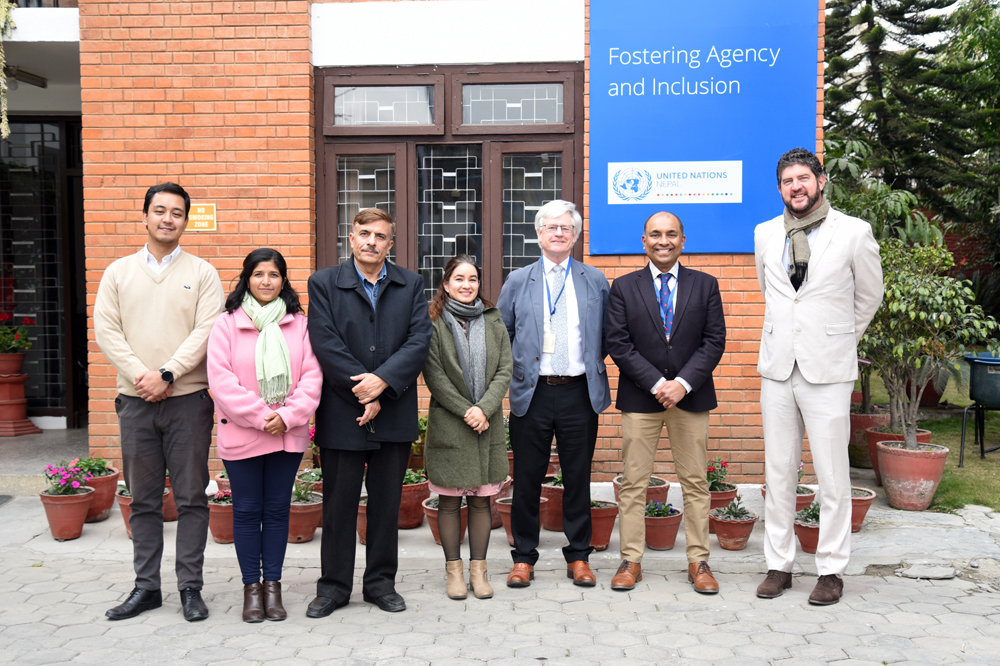
Profs “Hari” Harindranath and Tim Unwin were delighted to visit colleagues at the UNESCO Office in Kathmandu during their recent visit to Nepal (26 January – 5th February) as part of our contribution to the work of the MIDEQ Hub (funded by the UKRI GCRF). This provided an excellent opportunity for them to brief the UNESCO Office team about our MIDEQ-related work in Nepal, and also the wider activities of our UNESCO Chair in ICT4D, including the use of digital tech in education, TEQtogether, and the Digital-Environment System Coalition. It was a real pleasure to learn from Michael Croft (Director) and his team about the various activitites on which the Office focuses, and to discuss ways of collabroating in the future.
We are already building on this visit, and are very grateful to them for their advice on developing training materials and a portal for Nepali migrants and their families to gain information about all aspects of the migration process. This visit was such a good example of how UNESCO Chairs can work closely with UNESCO’s offices around the world to help achieve the organisation’s overall goals. We were made to feel so welcome, and the conversations were full of enthusiasm and passion for how UNESCO and its Chairs can contribute together to support Nepal’s people. We very much hope that other colleagues in our UNESCO Chair as well as our partners will also consider ways through which they too can support the UNESCO Office in Kathmandu.
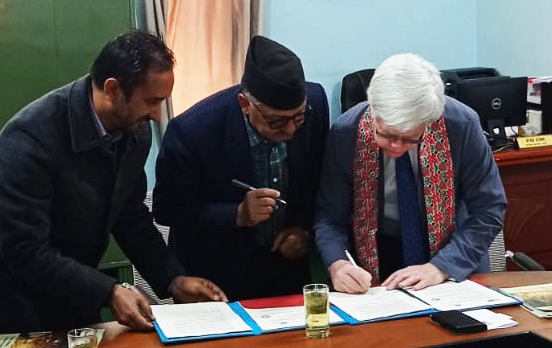
The UNESCO Chair in ICT4D at Royal Holloway, University of London signed a new partnership agreement with Gandaki University, Pokhara during a visit of our Chairholder, Tim Unwin, and Professor Harindranath to the university on 1st February 2023. The University, situated in the valley of the lakes below the Fishtail and Annapurna mountains, was established in 2019 to provide world class education in keeping with recent international trends in university education. It has particular interests in ways through which digital technologies can benefit Nepali society and economic development, and one of its first degree programmes is the Bachelor of Information Technology degree.
Signing the MoU with Gandaki University
Our partnership has five broad outputs:
Joint workshops, events and conferences to explore aspects of the inter-relationships between digital technologies, inequalities, social change and international development in the context of Nepal
High quality research and publications on digital technologies, inequalities, social change and international development in Nepal
Research visits and exchanges between partners, especially to enhance the experiences of early career researchers
Joint funding applications to relevant funding agencies and research councils
Policy recommendations on areas of mutual interests
and is intended that these will in turn lead to the following outcomes:
Nepalese migrants and their families use digital technologies more safely, securely and wisely to improve their lives and livelihoods
Enhanced understanding globally, but especially in the UK and Nepal, about the creation and use of digital technologies, and their influence on social and economic inequalities
Wiser processes and activities implemented by companies in Nepal and the UK to mitigate the negative impacts of the development and use of digital technologies by migrants
Improvement in global policy making relating to the use of digital technologies by and for migrants
Enhanced collaboration between academics, policy makers and practitioners in effecting changes to the ways in which digital technologies are designed and used so that their potential harms are mitigated and their benefits for the poorest and most marginalised are enhanced, especially in the contexts of Nepal and migration
The university is currently building a new campus on the eastern outskirts of Pokhara, and Tim and Hari were invited on 2nd February to see the progress on construction that has already been made, illustrated in the photographs below.
Department of Pharmacy
Valley running past the new campus
Invention and Innovation Centre
The catalyst for this partnership has been the work of the UNESCO Chair in ICT4D on technology, inequality and migration in Nepal as part of the UKRI GCRF funded MIDEQ Hub, but it is hoped that this will provide many further opportunities for future collaboration, and discussions are already underway with some of our Affiliated Members in the region exploring fiurther synergies.
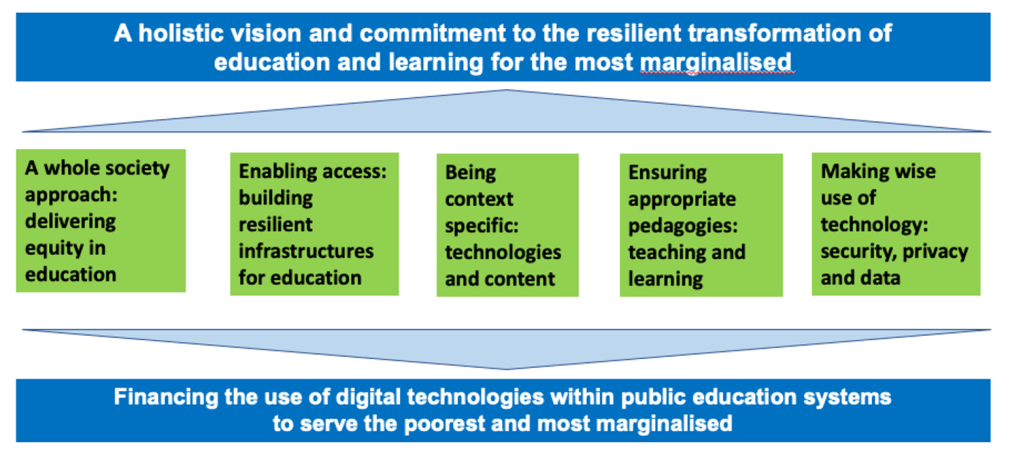
We are excited to release further details of the programme for the launch of the report on Education for the Most Marginalised post-COVID-19: Guidance for governments on the use of digital technologies in education which will be from 2pm-4pm GMT on Friday 18th December. Please register here to receive joining instructions. Further details about the initiative are available here.
Caroline Wright (Director General, British Education Suppliers Association)
Waleed Al Ali (General Co-ordinator Digital School Initiative, Mohammed Bin Rashid Global Initiatives, UAE) (by video)
Video reflections:
Amina Umohoza (Digital Opportunity Trust, Youth Leadership Advisory Board, Rwanda; CEO of Saye Company and the Founder of Dukataze)
Helen Crompton (Associate Professor Teaching and Learning, Old Dominion University)
Insights on the report’s Guidance Notes:
Ensuring resilient connectivity: Christopher Yoo (John H. Chestnut Professor of Law, Communication, and Computer and Information Science at the University of Pennsylvania Law School, and the founding director of the Center for Technology, Innovation, and Competition), Leon Gwaka (University of Pennsylvania) and Müge Haseki (University of Pennsylvania)
Keeping Safe and Local Context: Azra Naseem (Director, Blended and Digital Learning, Aga Khan University, Pakistan)
Small Island States and the importance of sustainable electricity: Javier Rua (former Director of Public Policy for Sunrun; former Chairman, Puerto Rico Telecommunications Regulatory Board)
The importance of OER and Creative Commons: Paul West (Senior Education Adviser, West and Associates; and South Africa Chapter Lead, Creative Commons)
The final programme, including any revisions will be available by 16th December.
Speakers will talk for a maximum of 5 minutes each, enabling there to be a lively and forthright discussion afterwards. We welcome all those committed to empowering the poorest and most marginalised through the use of digital technologies in education to join the conversation, and work together to implement the report’s recommendations.
Funded by the FCDO and World Bank through the EdTech Hub.
The meeting was designed to set in motion all of the activities and processes for the Inception Phase of the eight-year Hub, focusing especially on
The Hub’s overall vision
The work of our three main spheres of activity
Research
Innovation, and
Engagement
Our governance structure
Our theory of change
Our ethical and safeguarding frameworks
Our communication strategy, and
Our use of Agile and adaptive approaches
The Hub aims to work in partnership to “galvanise a global community in pursuit of catalytic impact, focusing on evidence so we can collectively abandon what does not work and reallocate funding and effort to what does”. Moreover, it is “committed to using rigorous evidence and innovation to improve the lives of the most marginalised”.
Above all, as the pictures below indicate, this meeting formed an essential part in helping to build the trust and good working relationships that are so essential in ensuring that this initiative, launched in June 2019, will achieve the ambitious goals that it has set.
The new Hub aims to undertake and promote the highest quality of comparative and longitudinal research at the interface between technology and education, and then share the findings widely so that everyone is better aware about how technology can best serve the learning interests of the poorest and most marginalised. This builds in part on the UNESCO Chair in ICT4D’s long established experience on technology and learning, dating back to Tim’s leadership of the UK Prime Minister’s Imfundo initiative (2001-2004) creating partnerships for IT in education in Africa, our DelPHE and EDULINK funded collaboration with African universities, the wider work of the World Economic Forum and UNESCO Partnership for Education initiative between 2007 and 2011, and the cohort of PhD students doing research at the UNESCO Chair in ICT4D on technology and learning in Africa in the latter 2000s , including David Hollow and Marije Geldof.
We are all very excited to be a part of this new initiative, which will be the largest ever education and technology research and innovation programme designed specifically to improve teaching and learning, especially in poorer countries. It is a clear example of the ways through which research undertaken within the UNESCO Chair in ICT4D is having real global impact, and is the second £20 m grant to have been awarded to consortia that include members of the Chair in the last six months, the other being the UKRI GCRF South-South Migration, Inequality and Development Hub.
Tim Unwin, our Chairholder of the UNESCO Chair in ICT4D, was recently in Macau and Shenzhen, China, in his role as a member of the Advisory Board of the United Nations University Computing and Society Institute. During this visit, colleagues at the Institute had arranged for him to participate in Teledifusão de Macau (TDM)’s prime time Talk Show with Kelsey Wilhelm. This was a great opportunity to share some of his current thinking about the interface between digital technologies and humans!
The show is now available on YouTube, and begins with an overview of the current state of ICT for development, before going on to discuss
ways through which people with disabilities can be empowered through the use of technology,
the importance of new technologies being inclusive, because otherwise they lead to new inequalities,
working “with” the poorest and most marginalised rather than for them,
the role of new technologies such as AI and blockchain in serving the interests of the rich rather than the poor,
cyborgs and the creation of machine-humans and human-machines, and finally
some of the ethical issues that need to be discussed if we are to balance the benefits of new technologies whilst limiting their harm.
The Internet Society has just published a new report on Internet Access and Education. This makes interesting reading. In summary it argues that “The Internet has immense potential to improve the quality of education, which is one of the pillars of sustainable development. This … briefing outlines ways in which policymakers can unlock that potential through an enabling framework for access to the Internet. It sets out five priorities for policymakers: infrastructure and access, vision and policy, inclusion, capacity, and content and devices. Together these represent key considerations for unlocking access to the Internet in support of education”.
They will be holding an online seminar on 6th December to discuss these issues, which we be moderated by Ben Petrazzini, IDRC, and will include the following speakers:
Tomi Dolenc, Academic and Research Network (ARNES), Slovenia
Miguel Brechner, Ceibal Plan, Uruguay
Dirk Hastedt, IEA, Netherlands & Germany
Shireen Yacoub, Edraak.org, Jordan
Patrick Muinda, Ministry of Education and Sports, Uganda








































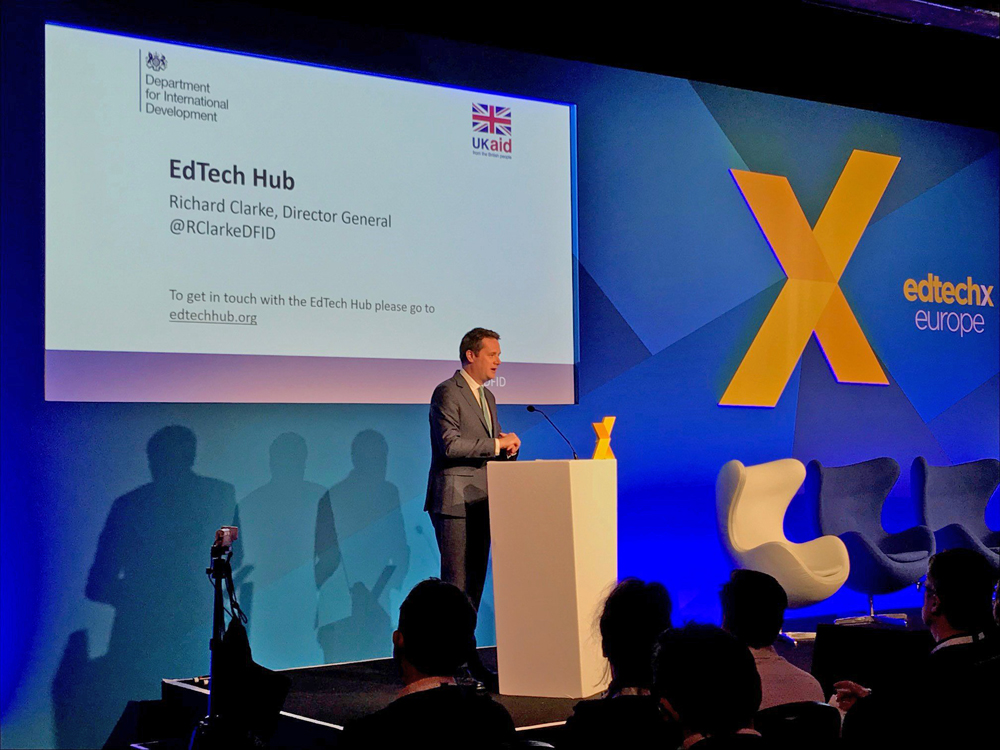 Richard Clarke, Director General
 Tim Unwin, our Chairholder of the UNESCO Chair in ICT4D, was recently in Macau and Shenzhen, China, in his role as a member of the Advisory Board of the
  ICT4D Collective