Outputs of collaboration with the Scalabrini Institute for Human Mobility in Africa

As part of our contribution to the UKRI GCRF funded MIDEQ project (2019-24), members of the ICT4D Collective (Dr. Maria Rosa Lorini, Prof. Tim Unwin and Prof. G ‘Hari’ Harindranath) worked with colleagues at the Scalabrini Institute for Human Mobility in Africa (SIHMA) in Cape Town to help train a group of migrants in video production. Our overall research-practice explored how migrants in South Africa (and other countries) wanted to use digital tech to improve their lives, and one of the things that these migrants to South Africa wished to learn was how to make better quality videos about their lives, their work and how to use digital tech safely (see here for more information).

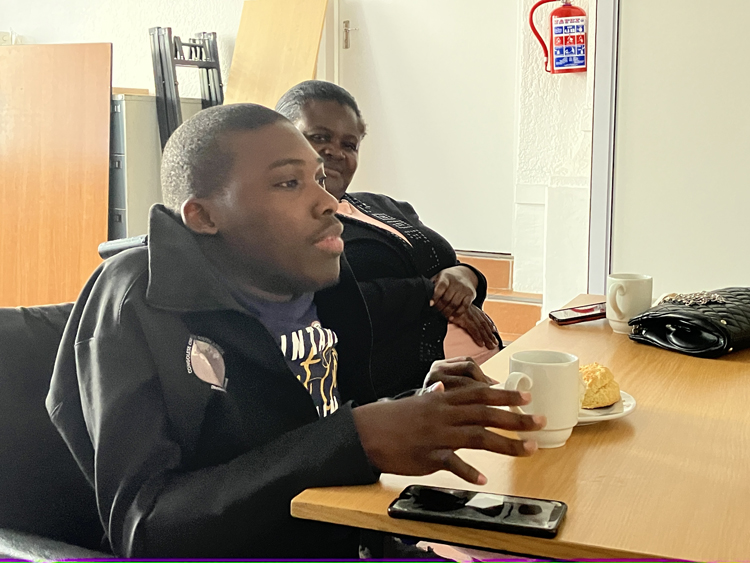
Launch of Through Their Lives, in Cape Town, January 2024.

One output of this work was a powerful 30 minute film about their lives and aspirations entiteld Through Their Lives. Another was their creation of the Fusion Avenue channel on YouTube where they continue to post useful videos on all aspects of migrant life, as well as the safe use of digital tech. We also sought to introduce these migrants to organisations who might be able to use and further develop the skills they had gained, not least so that our work would have more sustainable outcomes lasting beyond the limited period of GCRF funding. A return visit to South Africa in October 2024 provided a valuable opportunity to explore ways further to enhance this process.

We have been delighted recently to receive positive and constructive feedback from SIHMA about how this work has continued, without our direct involvement.

Through your funding, we were able to support a group of migrant amateur media practitioners to co-create a series of short videos reflecting experiences and perspectives of people on the move. The project unfolded with both valuable successes and learning opportunities. (Fr. Filippo Ferraro, SIHMA Executive Director)

Our MIDEQ funding had only provided limited resources for training the migrants on the ground, and ideally we would have liked to have worked with them for longer in a more sustained way to provide greater opportunities for them to practise and develop their video making skills (see their Fusion Avenue channel). It was also not always easy for the migrants to participate in the training and find the time to practise, especially given their needs to balance such training with their other day to day tasks and income generating activities. Our initial training undoutedly enhanced their skills (see their reflections on outomes of our work together eight months after the end of MIDEQ), and has enabled many of them to improve their business profiles on social media. However, it was insufficient for them to acquire the level of skills necessary to produce video work of sufficient quality to earn a living from this alone. We were delighted, though, that SIHMA was able to support them and help to improve their skills. Through a small amount of further funding from us they were also able to provide new equipment for the migrants to improve the quality of their videos on Fusion Avenue. These challenges were again highlighted by SIHMA:

While the initial recordings were promising, a number of videos required reshooting and further editing to meet the desired quality. In response, we engaged an experienced external migrant collaborator to assist with editing and technical guidance. This collaboration greatly enhanced the final production outcomes. We also welcomed new participants, since we were not able to connect with those previously interviewed. They contributed fresh perspectives through interviews, enriching the diversity and authenticity of the narratives. To ensure sustainable impact, we purchased video equipment for Fusion Avenue that enabled them to produce content of a higher standard — an investment that we believe will support future initiatives beyond the scope of this project. (Fr. Filippo Ferraro, SIHMA Executive Director)

This crucially show the importance of continued support to migrants in helping them gain new skills, and we are immensely grateful to SIHMA for this crucial contribution.

Five videos were produced as a contribution to SIHMA’s “Narratives on human mobility” and “Atlas of African Migration”, and these are also available below (just click on the images below to watch the videos):

From Cameroon
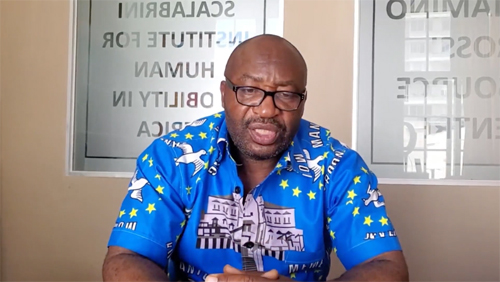
From DRC

From Somalia
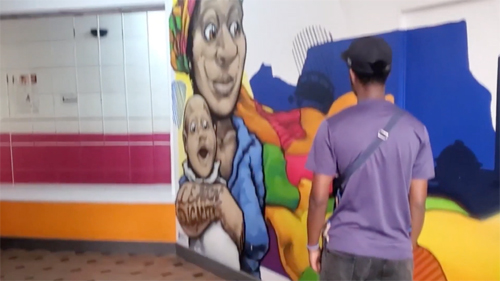
From Zambia
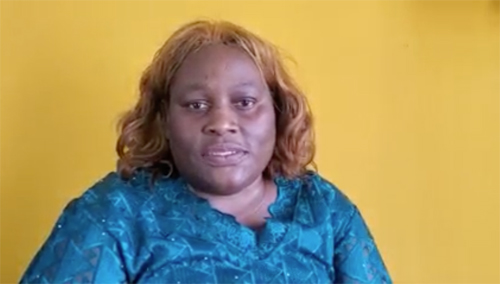
From Zimbabwe
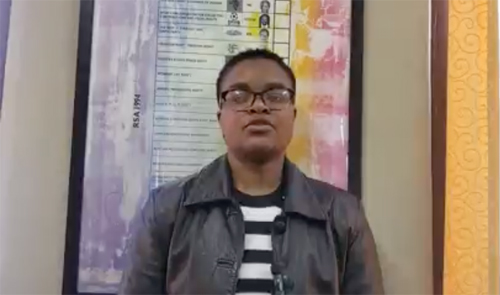
For larger versions of these videos see SIHMA’s Atlas of African Migration.

We are delighted that after a long process of ensuring that the quality and content were approproate, SIHMA was able to conclude that:


The final deliverables include a set of completed videos that stand as a testament to the creativity, resilience, and talent within migrant communities. These videos will be hosted on our SIHMA website and included in the initiatives “Narratives on human mobility” and “Atlas of African Migration”. This initiative has not only strengthened our training and outreach efforts, but it has also empowered beneficiaries with new technical skills and confidence in self-expression. (Fr. Filippo Ferraro, SIHMA Executive Director)

We look forward to continuing our work with migrants across southern Africa, to explore further how they can use digital tech to contibute positively to their lives. For our wider work on the Safe, Wise and Secure use of digital tech by economically poorer and more marginalised people across the world do access our resources here.
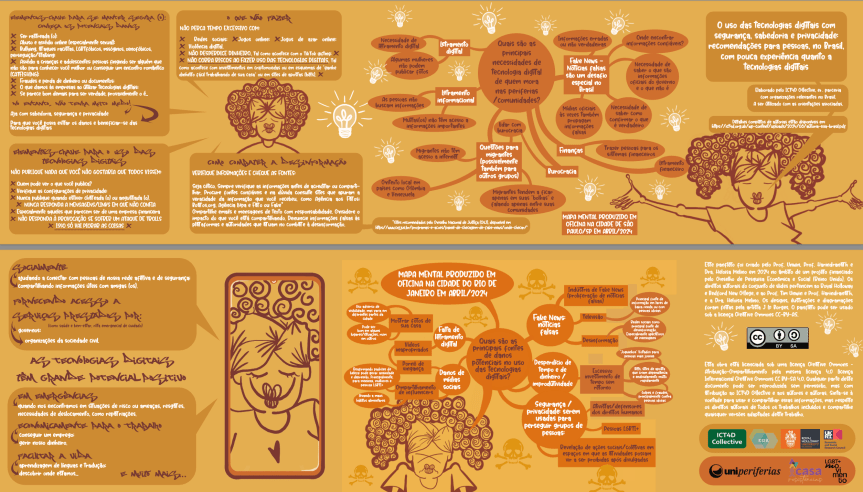
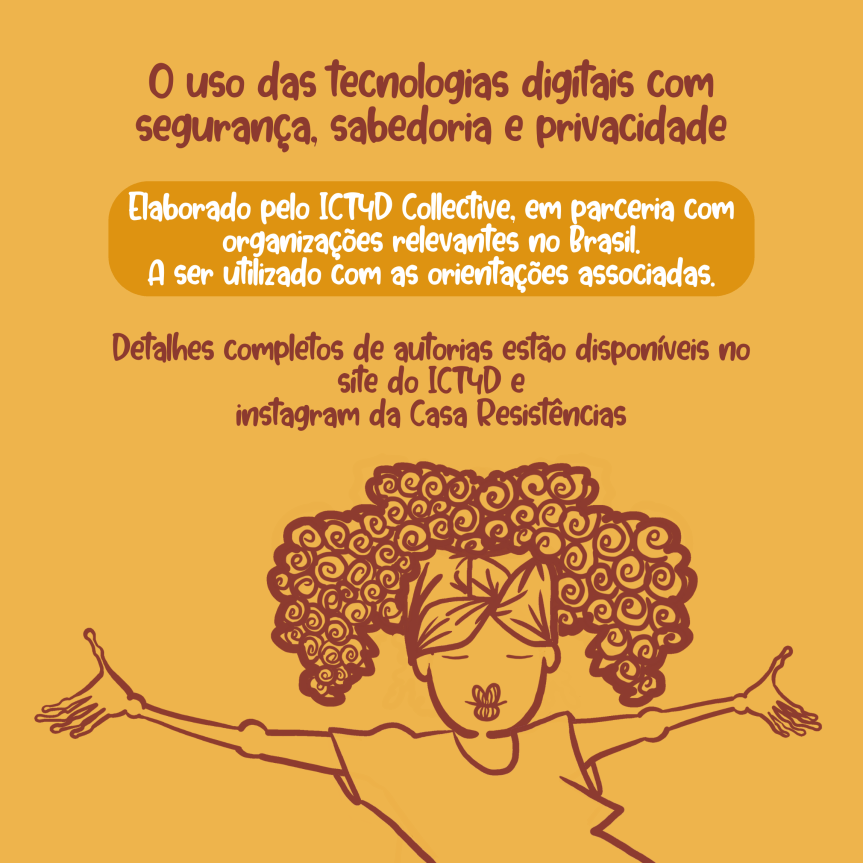
New social media resources in Brazilian Portuguese on cybersecurity for people living at the peripheries and in the favelas

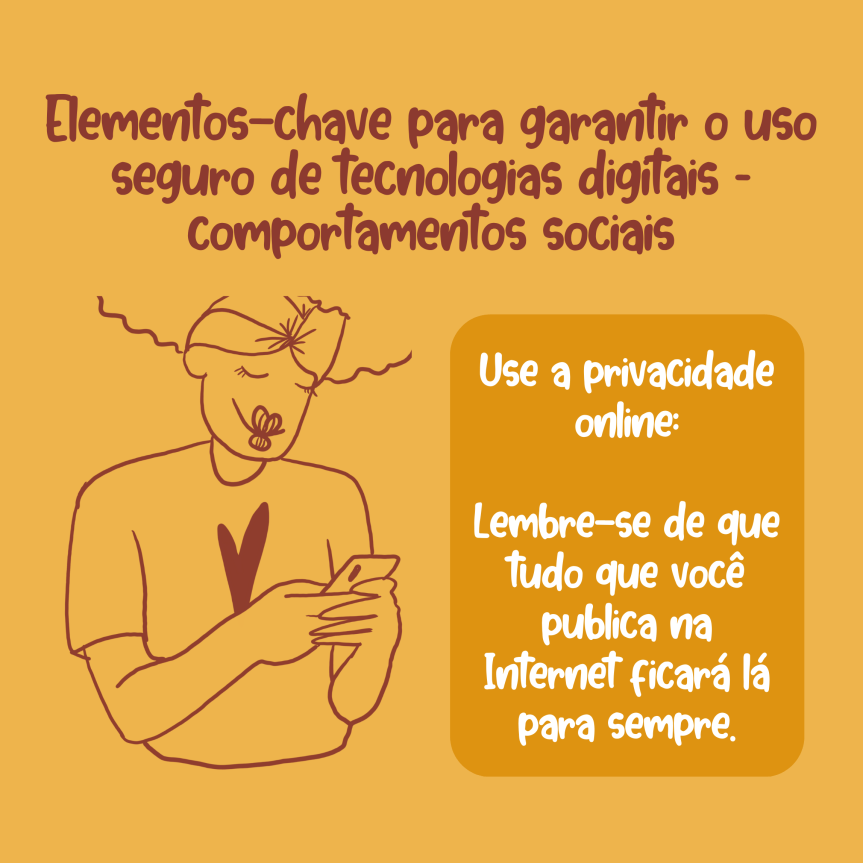
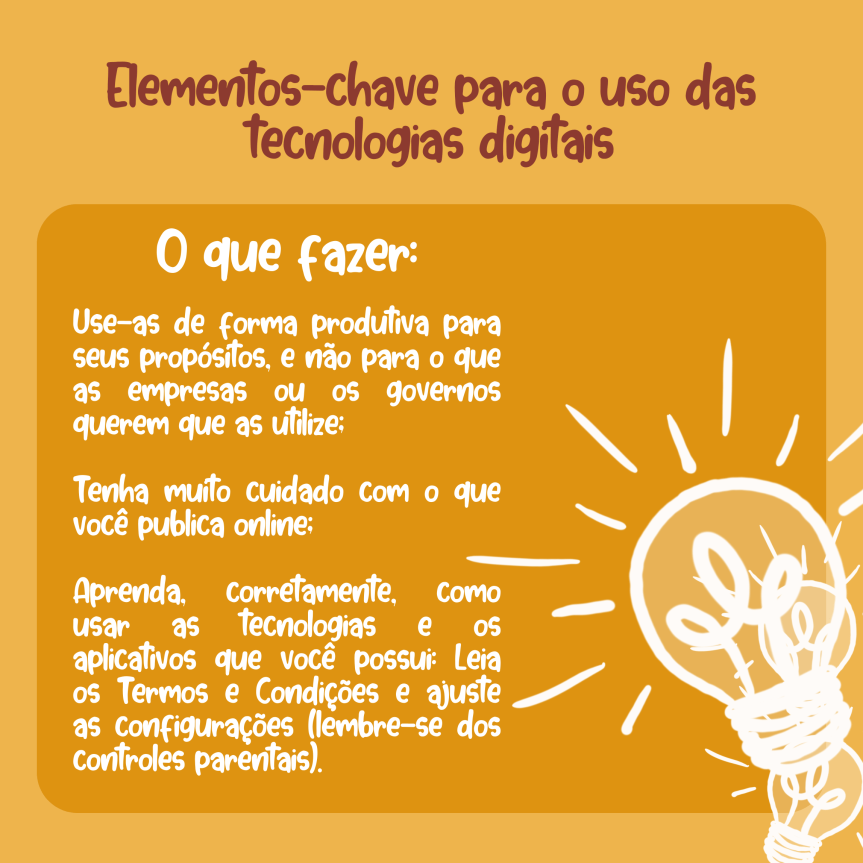
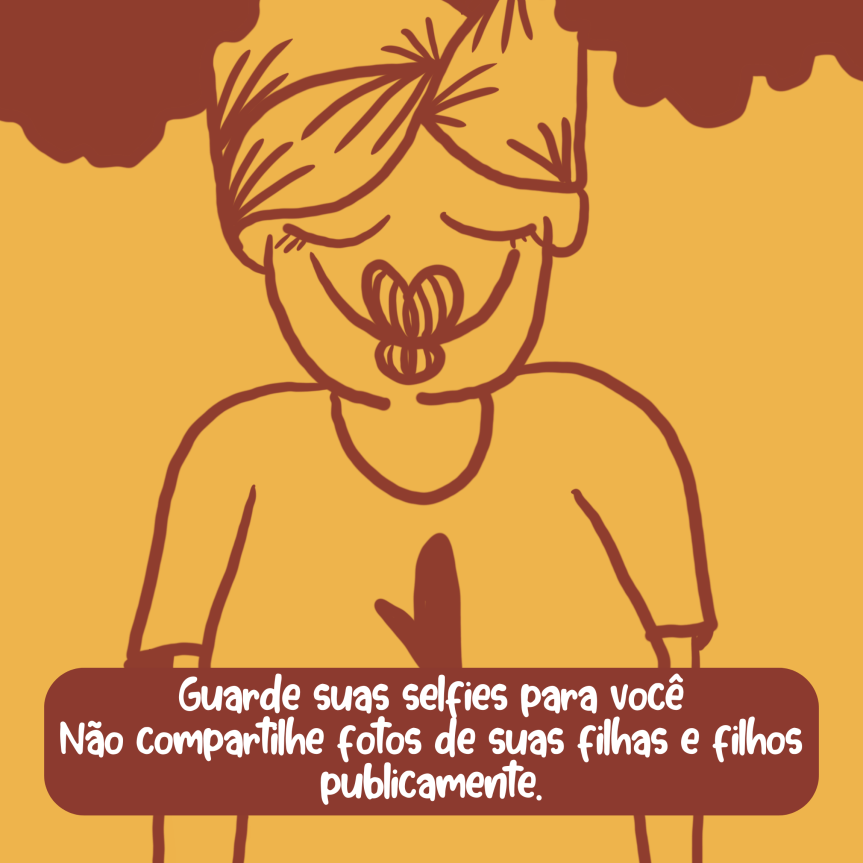
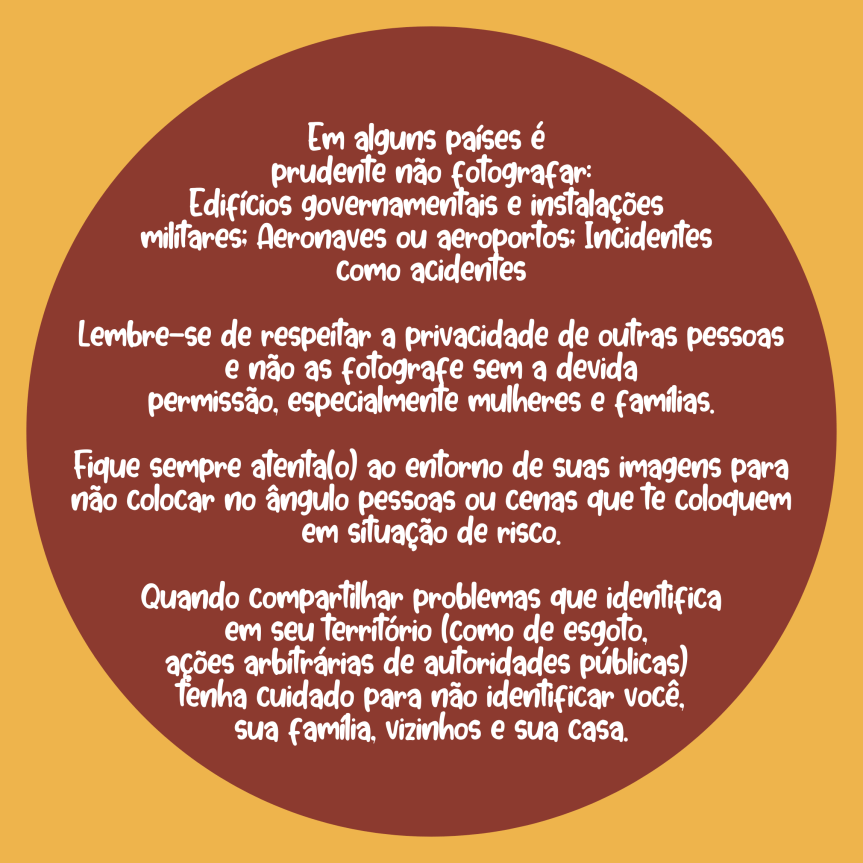
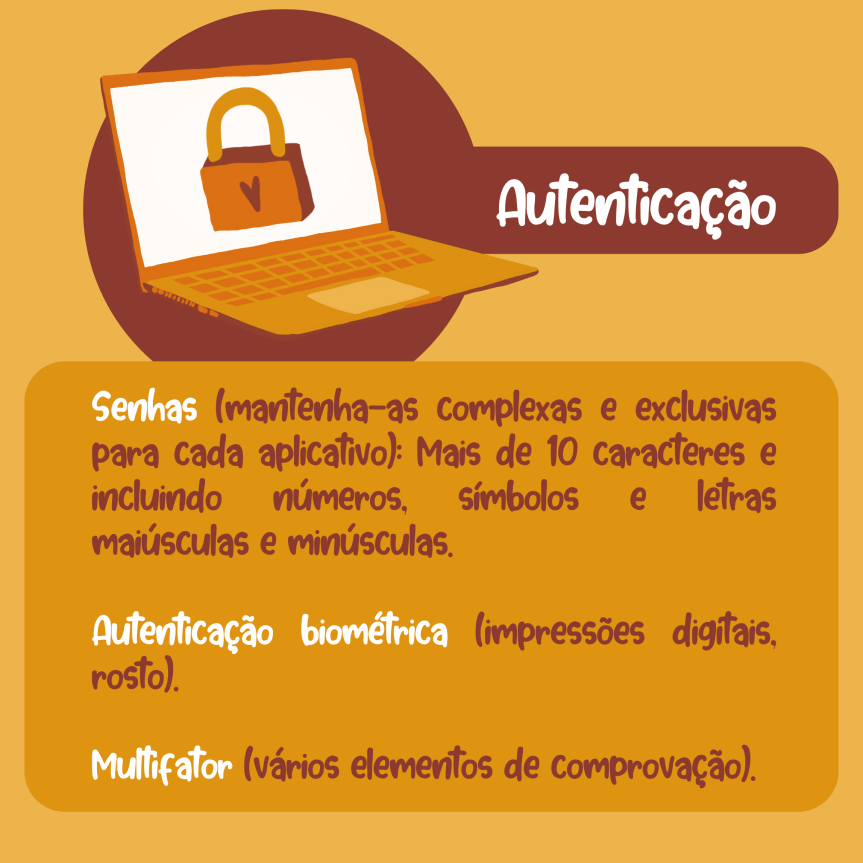
We have been working since 2020 with partners across the world to develop basic cybersecurity resources for migrants, especially in Nepal and South Africa (funded by UKRI GCRF) , and have more recently extended this work to other countries (with funding from ESRC Social Impact Accelerator, Reseaerch England ODA, and Social Purpose Funding throigh Royal Holloway University of London). One of the most exciting of these new initiatives has be the collaboration between G. “Hari” Harindranath and Tim Unwin from the ICT4D Collective, and Dr. Heloisa Meloni in Brazil. This has focused mainly on developing localised versions of our basic training materials originally developed in Nepal into Brazilian Portuguese, focusing especially on advice that would be useful to those living nas periferias and in the favelas.

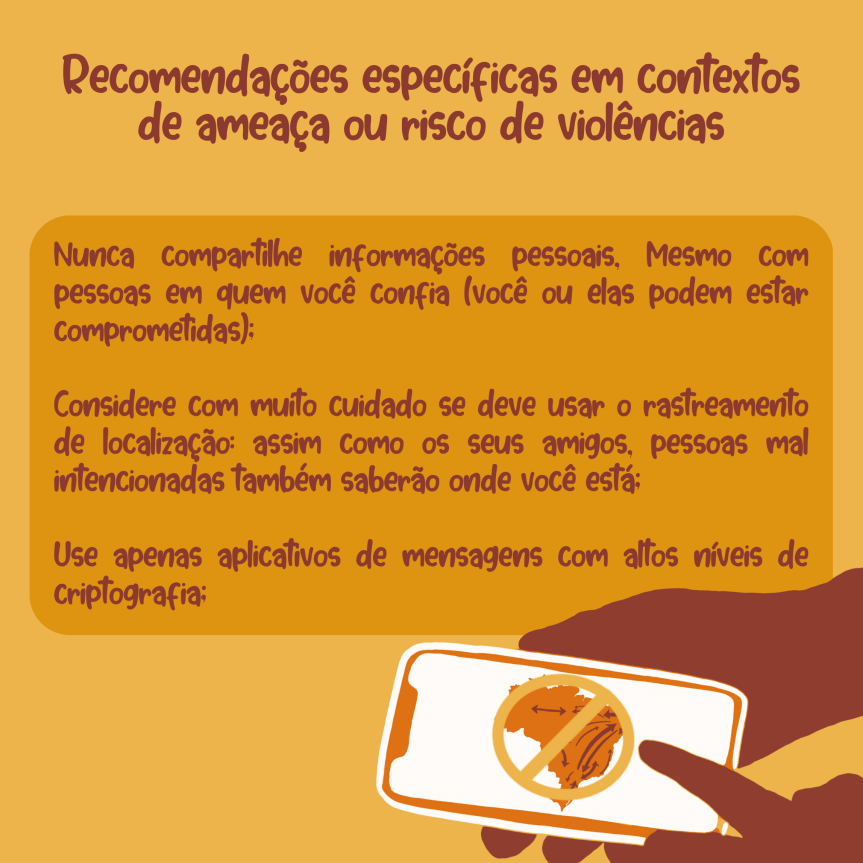
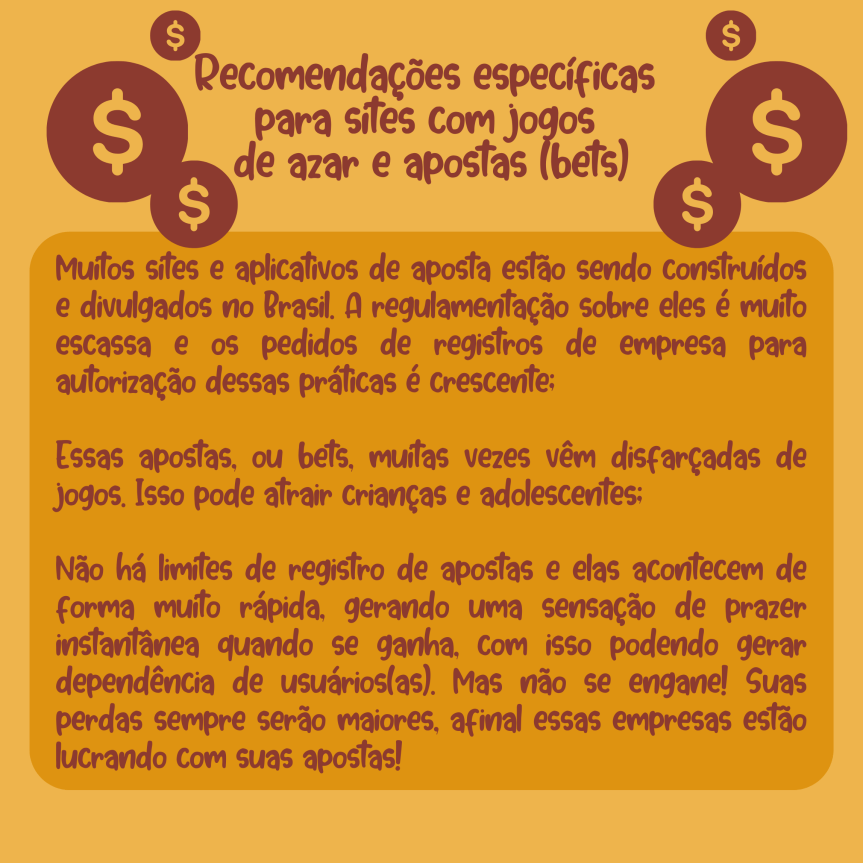
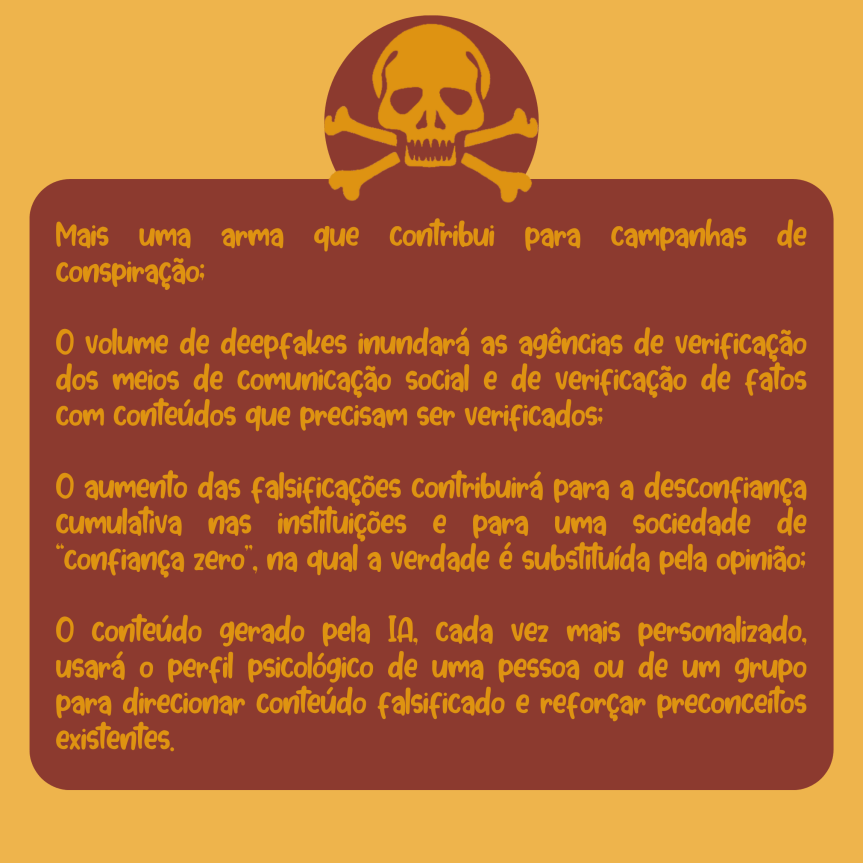
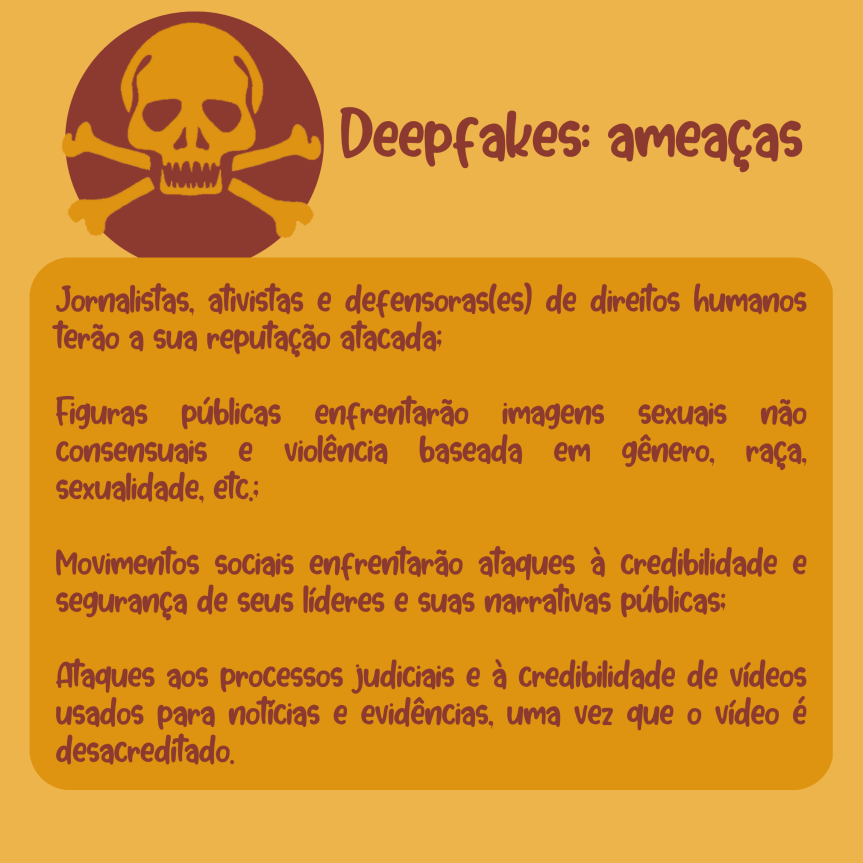
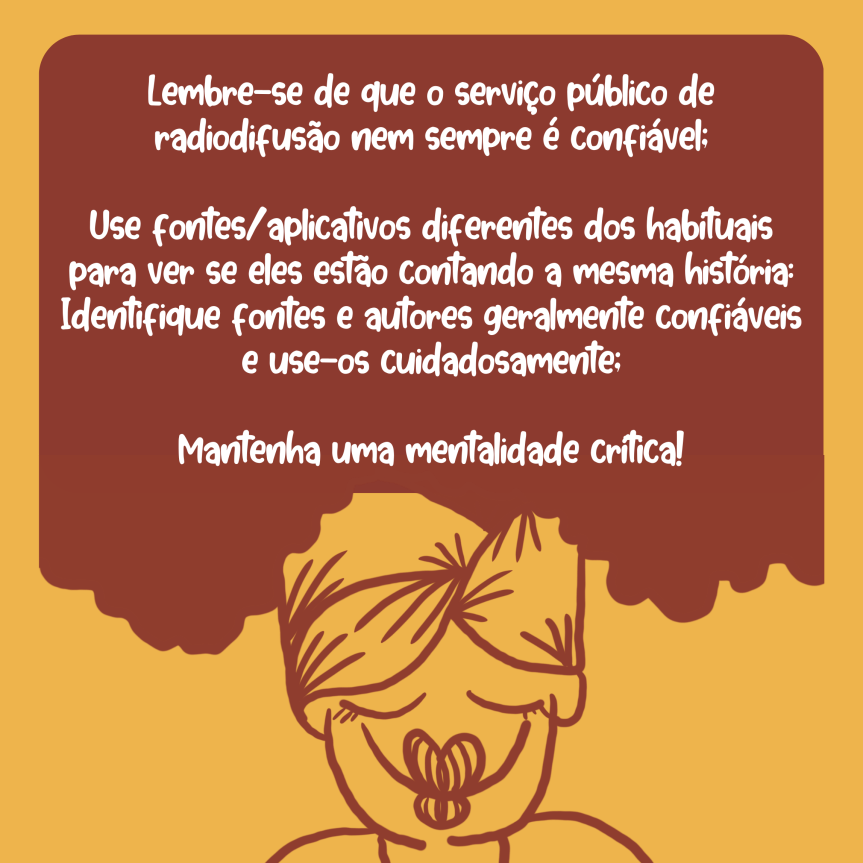
These resources were originally launched at a workshop on 12th September 2024 at the Casa Resistências in Maré, Rio de Janeiro, with a specific focus on how they could be used by the LBT community living there. Since then, the basic slide deck been subdivided into 16 short video clips by J Lo and Heloisa Melino and these can be shared on social media or used in many other ways to disseminate the advice on safe, wise and secure use of digital tech, especially for the LBT communities living in Brazil’s favelas. Some additional material is also included in clips 12-16 on topics such as deepfakes and using digital tech in violent contexts. Click on the links below to watch and listen to the videos:

  1. Créditos
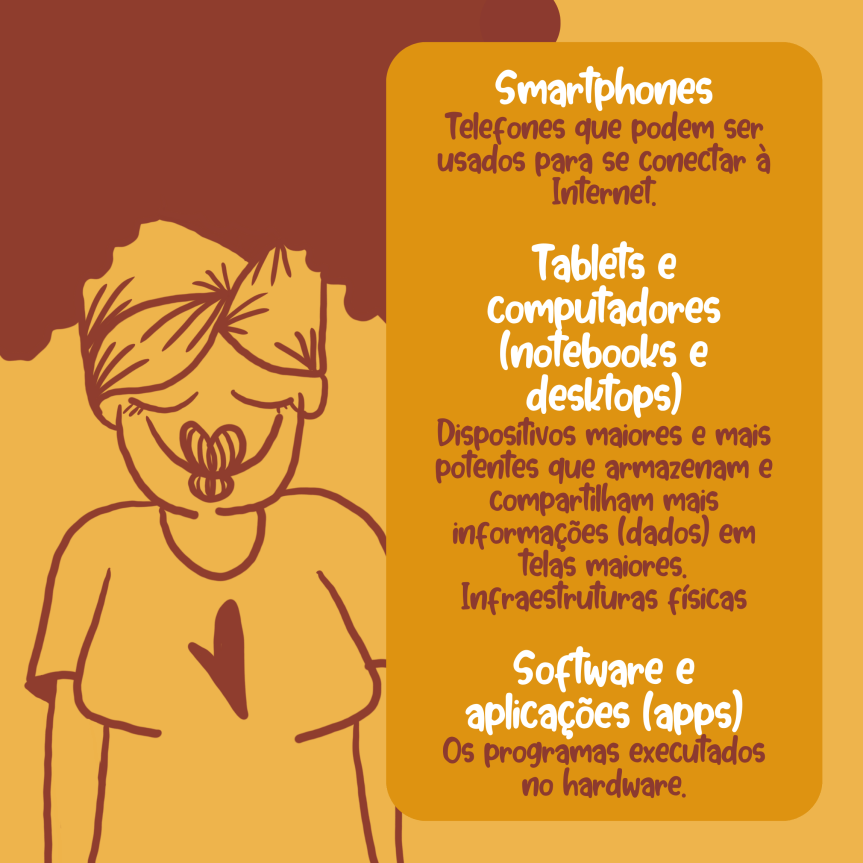
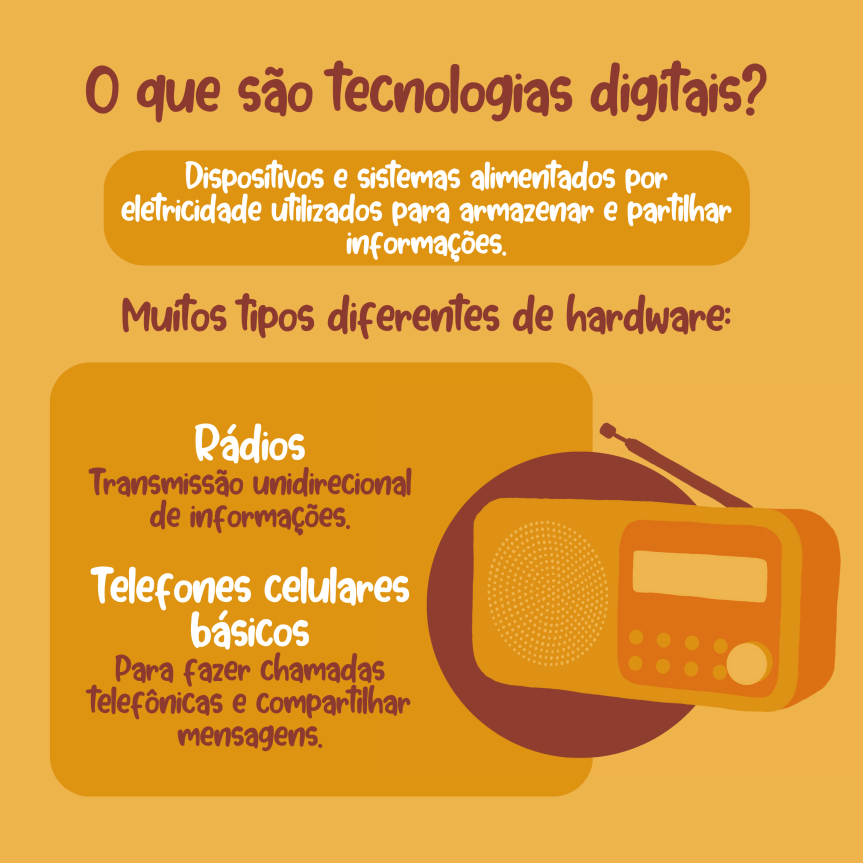
  2. O que são tecnologias digitais
  3. As tecnologias digitais tem grande potencial positivo
  4. Necessidade de começar com as tecnologias digitais
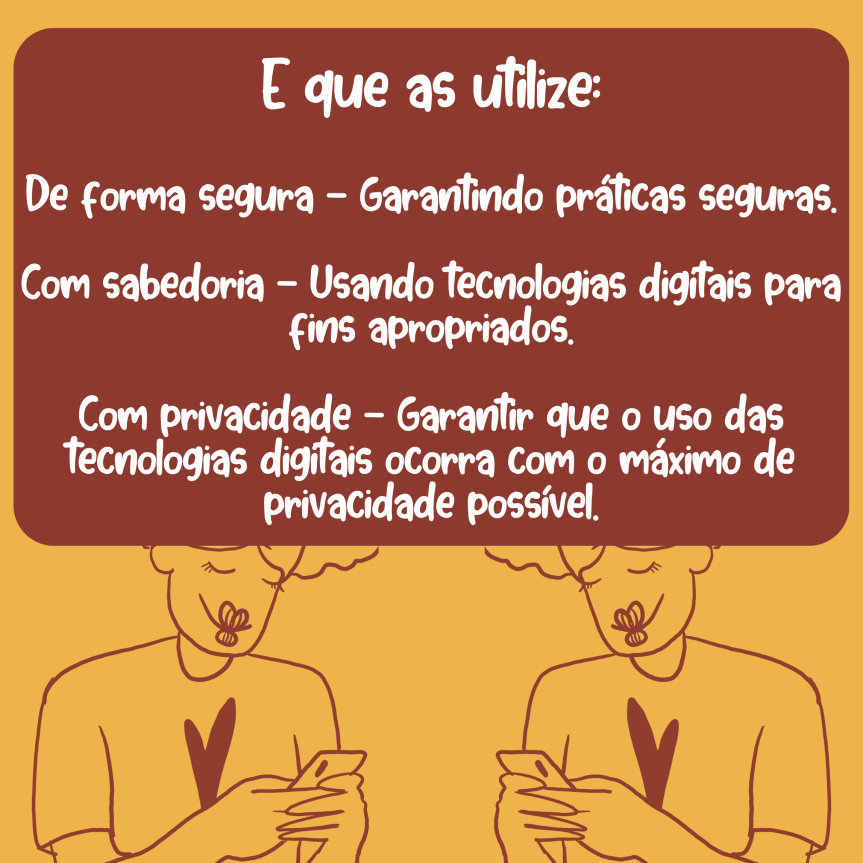
  5. O uso seguro das tecnologias digitais
  6. Elementos-chave para o uso das tecnologias digitais
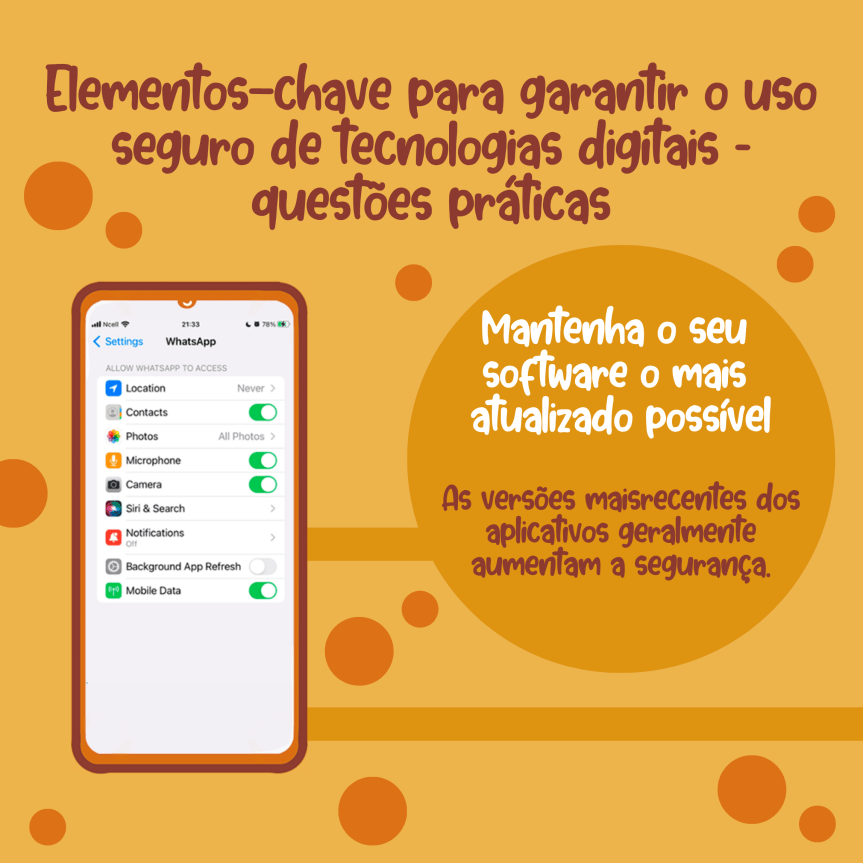
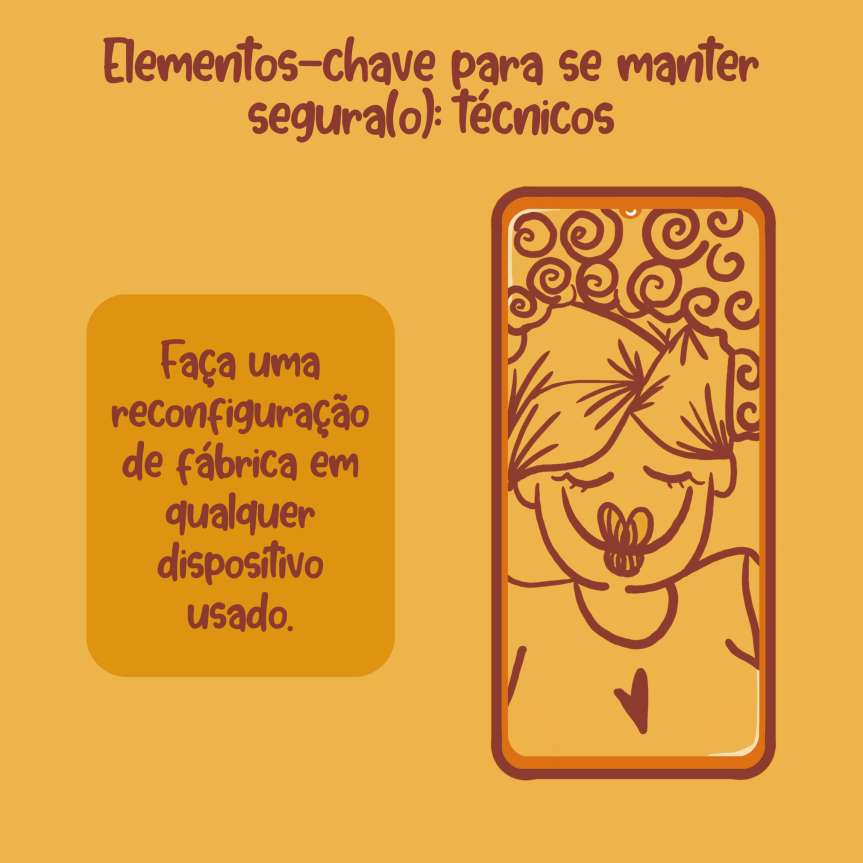
  7. Elementos-chave para se manter seguro – tecnicos
  8. Lembre-se dos contextos em que você usa as tecnologias digitais
  9. O uso das tecnologias digitais com sabedoria
  10. O uso das tec digitais com privacidade
  11. Lembretes Finais
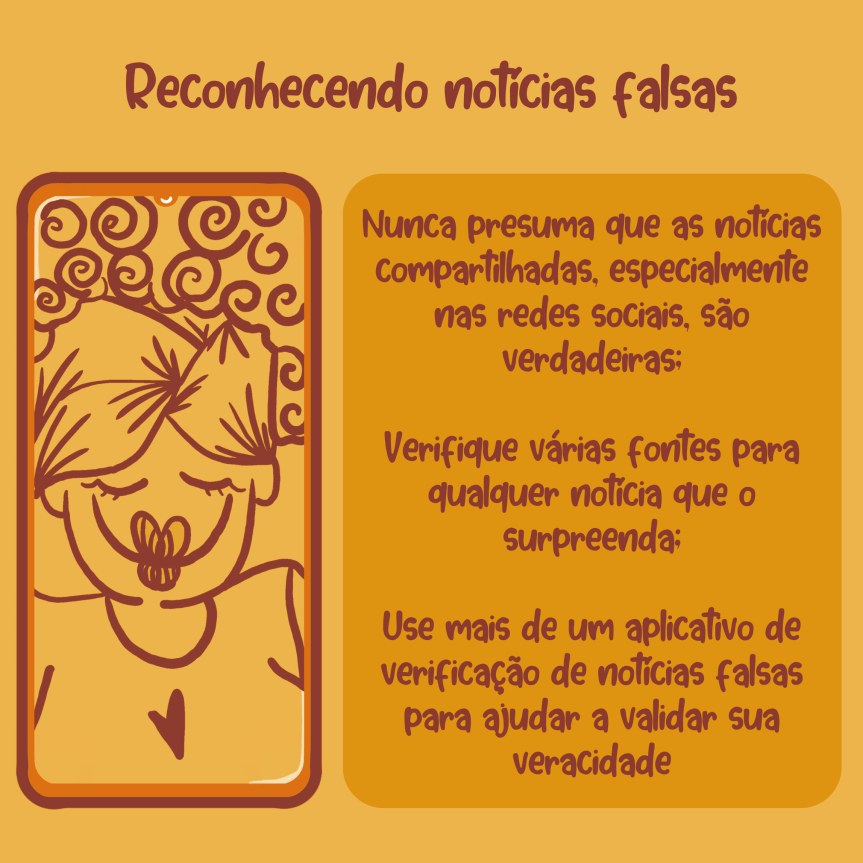
  12. Reconhecendo Notícias Falsas
  13. Evitando Golpes por E-mail
  14. Deepfakes – Ameaças
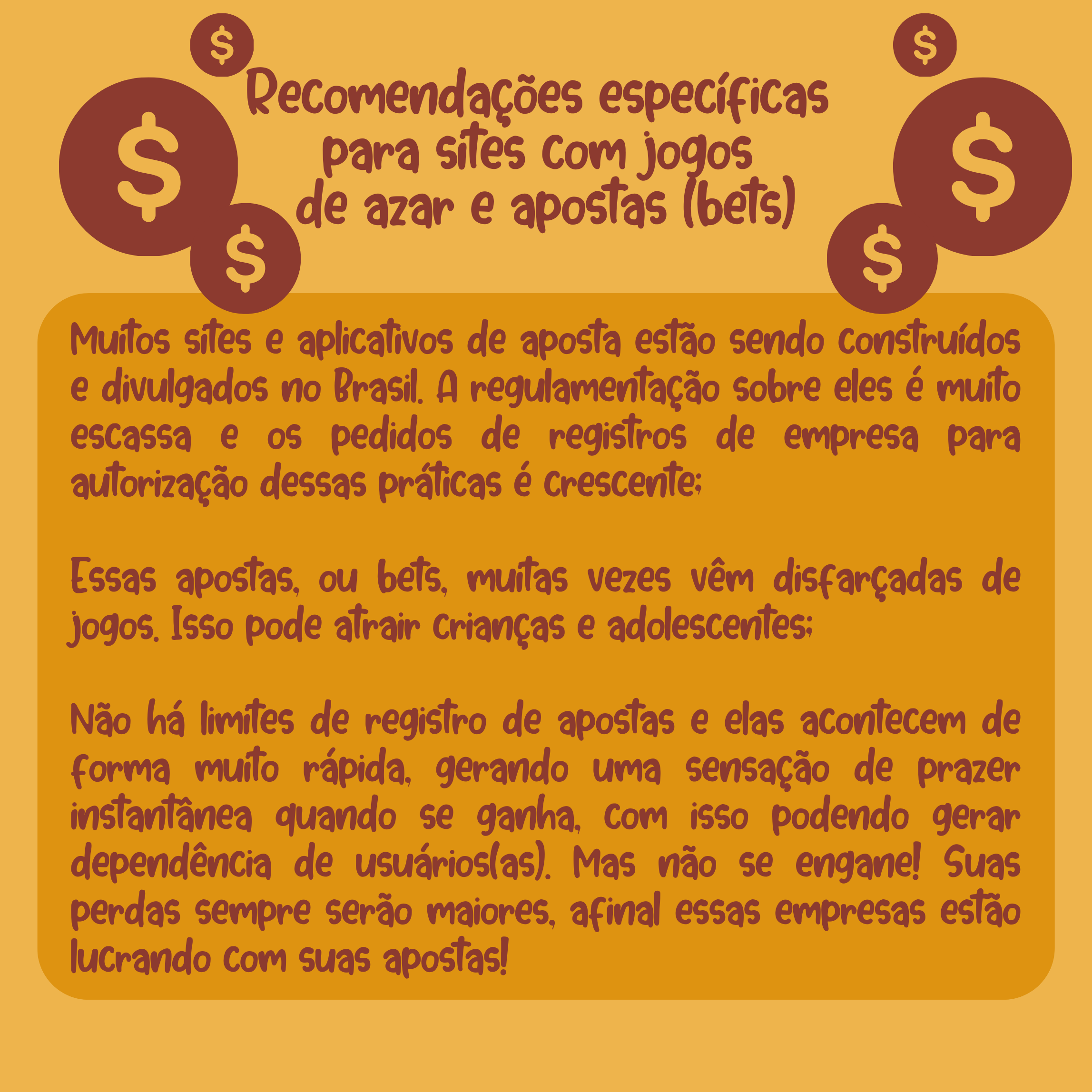
  15. Recomendações Específicas para sites do jogos de azar e apostas (bets)
  16. Recomendações específicas em contextos de ameaça ou risco de violências

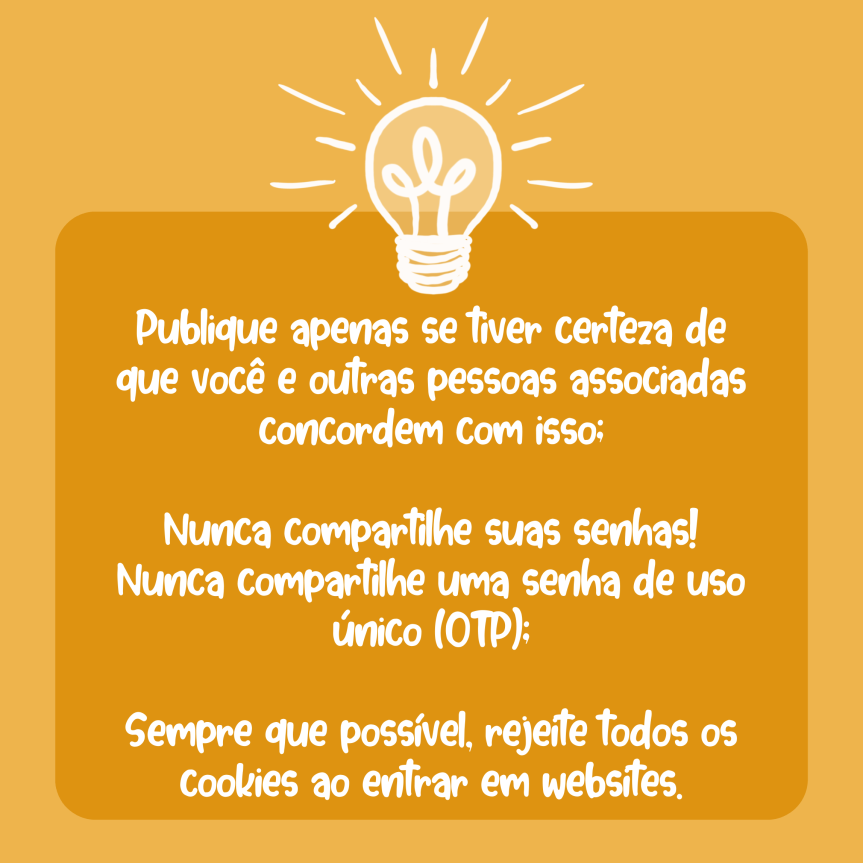
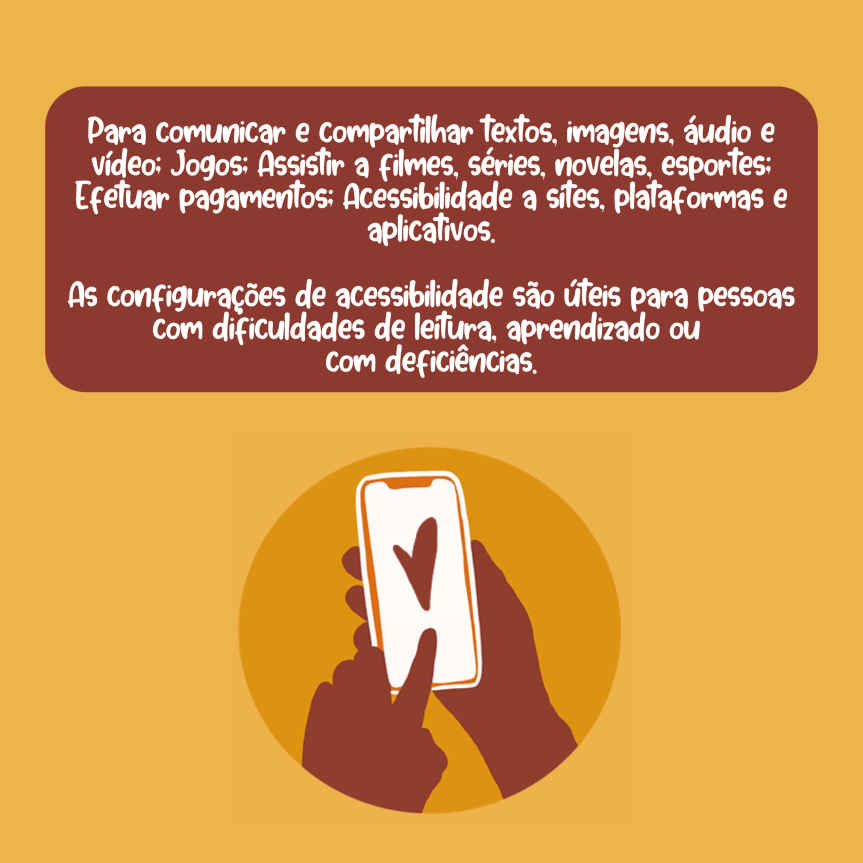
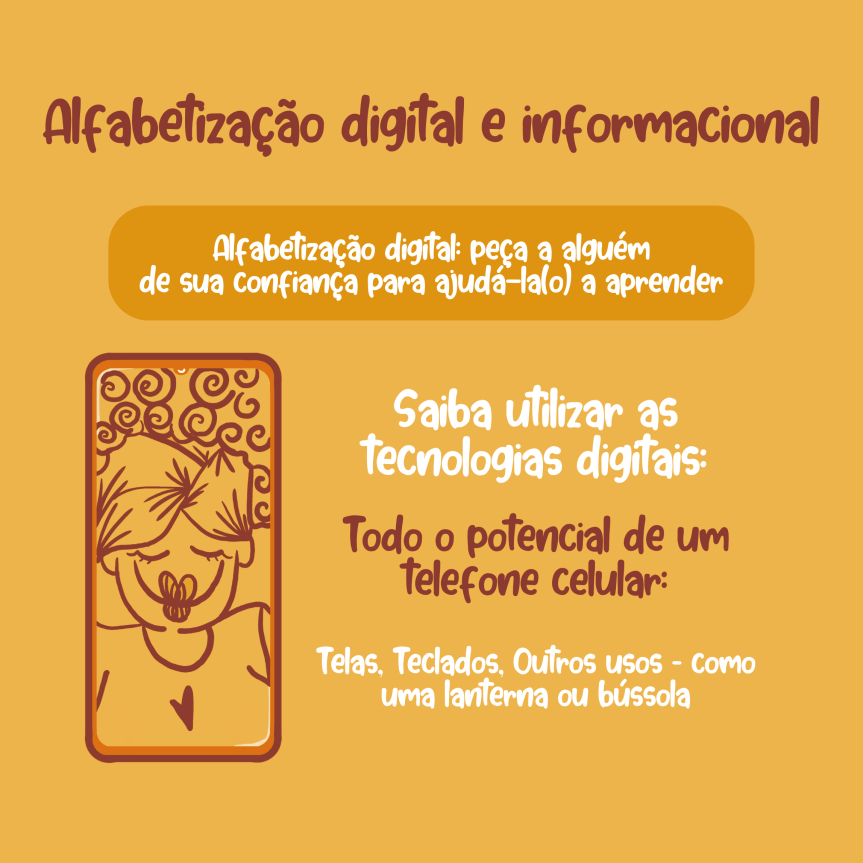
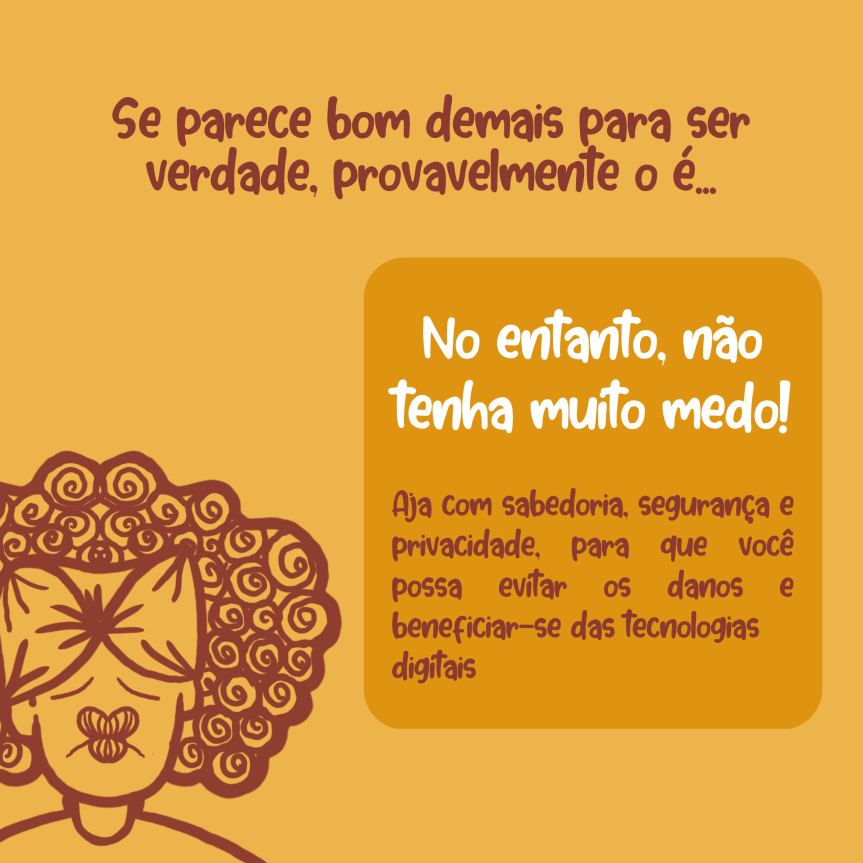
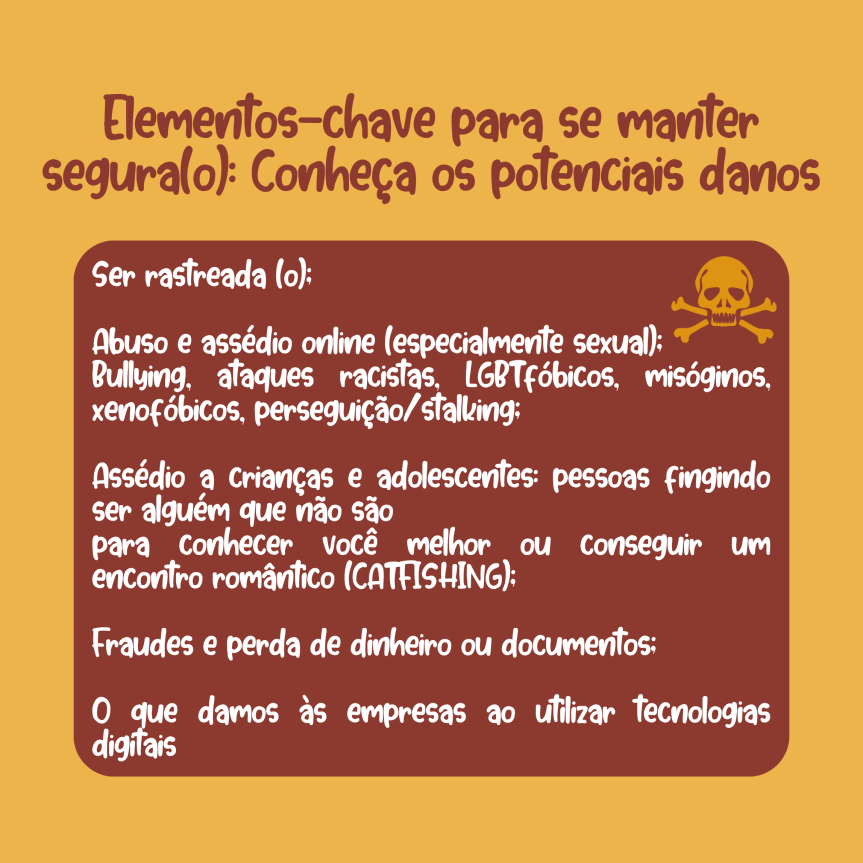
They have also prepared 51 separate images of different parts of the original booklet, so that these can easily be posted on social media (scroll through the slide show below to see them; they can also be accessed individually through links from https://ict4d.org.uk/wp-content/uploads/2024/12/1.png to https://ict4d.org.uk/wp-content/uploads/2024/12/51.png):

We very much hope that these are helpful in many more Portuguese speaking contexts than just that for which they were original designed. They are made available under a Creatoive Commons BY SA license so they are free to use and adapt providing that new versions continue to be made available using the same license and appropriate credit is given.

Empowering Dreams: International Girls Day at Purpose Finders School, Cape Town

Maria Rosa Lorini and Memory Mwadziwana

A novel initiative to celebrate the International Day of the Girl Child took place in the vibrant city of Cape Town, South Africa, on 11th October.  This was driven by a collective commitment to disseminate the importance of safe, wise and secure use of digital technologies, one of the corner stones of Work Package 9 (WP9) within the MIDEQ Hub funded by the UK government’s UKRI GCRF.  This team is dedicated to harnessing the potential of digital tech to improve the lives of people and has dedicated much attention and care to discussing the side-effects of the digital world and to find ways to decrease any potential harms, especially when working with vulnerable groups.

Five of the migrants living in South Africa and trained in digital skills through MIDEQ’s WP9, organised and managed an event that stands as a testimony to the importance given by people from many different backgrounds to the safe, wise and secure use of digital tech, and also witnesses the power of autonomous action and community engagement. The ‘Big Five’, as the activists called themselves in a comparison with the charismatic South African megafauna, took it upon themselves to participate in a school event dedicated to girls. This event took on added significance given the unique challenges faced by girls in the digital landscape, including issues of sexual harassment and trafficking, particularly within the migrant community. The school is situated in an area characterized by a significant concentration of migrants, and the teachers there are well-informed about the delicate issues associated with xenophobia and hate speech. Their stydents comprises girls from various nationalities, including Kenya, Zimbabwe, Zambia, Angola, and the Democratic Republic of Congo. Notably, the facilitators, who hail from Zimbabwe and the Democratic Republic of Congo, were themselves also able to glean valuable insights from the small group conversations during the activities.

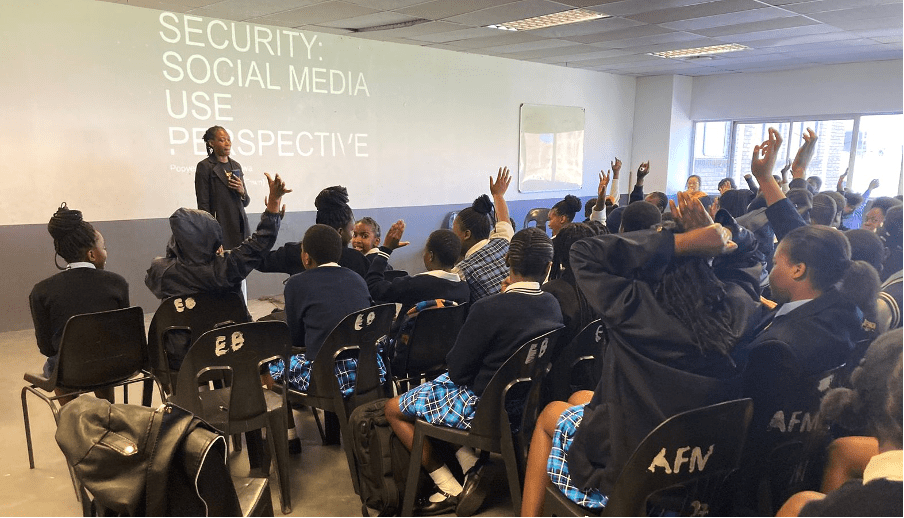
Pascal Avenvuka Mbu-Letang interacting with the young students. Photo Credit: Hentie Wilson

The autonomy and initiative of these migrants trained through WP9 shone through as they seized the opportunity to impart crucial knowledge on online safety and security. As facilitators, they valued the school and specifically the chance to contribute to an event focused on girls’ perspectives. This was just the right arena with a relevant audience to spread messages and initiate a conversation with both students and teachers on risky digital behaviours that are too often underestimated. Above all in marginalised areas affected by limited infrastructures and high inequalities, parents and teachers do not consider digital risks as a priority to worry about. Nevertheless, as the facilitators highlighted during their talks, more and more often technology is the conduit of sexual harassment initially online and soon afterwards in person.

To emphasize the importance of being cautious and discerning while online, the speakers posed a provocative question to the students, asking them who assists them at school. The young audience quickly responded, stating that they have friends. However, when a similar inquiry was made regarding social media, the students became uncertain and struggled to formulate their responses. Throughout the session, the facilitators carefully avoided sounding judgmental about common mistakes or limited knowledge of online risks and solutions. Instead, they tactfully encouraged students to reflect on aspects such as the potential for online tracking when sharing personal pictures of their daily activities.

These migrants are among the founders of the Fusion Avenue YouTube Channel – a collective of migrants living in South Africa dedicated to exploring cultures, ideas, and viewpoints with the goal to bridge gaps, celebrate differences, and find common ground.  With the consent of the school, the facilitators created a video reportage of the event, and have posted this on their channel (click also on the image below).

Join us on this journey as we delve into the details of this inspiring initiative, exploring how these dedicated facilitators catalysed the attention of their young audience and left a mark on the students and teachers with whom they engaged. This is a story of empowerment, autonomy, and the boundless potential of collaboratiion that we would like to tell though their own voices.


Memory Mwadziwana, one of the facilitators, captured the essence of the day in this way

Ladies and gentlemen, welcome to a recap of the extraordinary International Girls Day event! Ladies and gentlemen, this is Memory, reporting on the extraordinary International Girls Day event that took place on October 11th at the Purpose Finders School. It was a day that resonated with empowerment, education, and unity, leaving a profound impact on both the girls and the teachers who took part.

The day kicked off with a briefing by our dedicated organizers, laying the foundation for what would become a transformative experience at Purpose Finders School.

An emotional prayer permeated the air, symbolizing hope and unity and setting the tone for the day’s events. It was followed by a shout-out to the remarkable facilitators and organizers, including Fusion Avenue, Women African Weavers, DMS Ministry, and Purpose Finders School. Their unwavering dedication forged a sense of community, creating a collaborative atmosphere that would define the day.

The girls took centre stage, sharing poignant poems that transcended mere performance; they became acts of self-expression and empowerment. The bond between teachers and students strengthened as educators gained a newfound appreciation for the incredible talents of their charges.

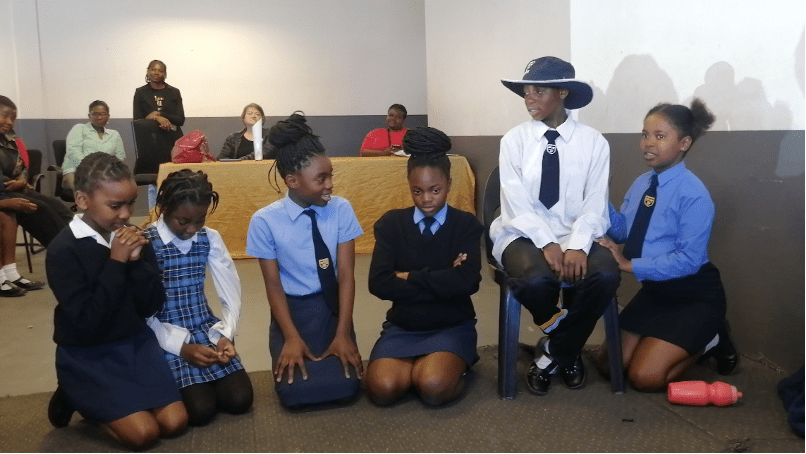
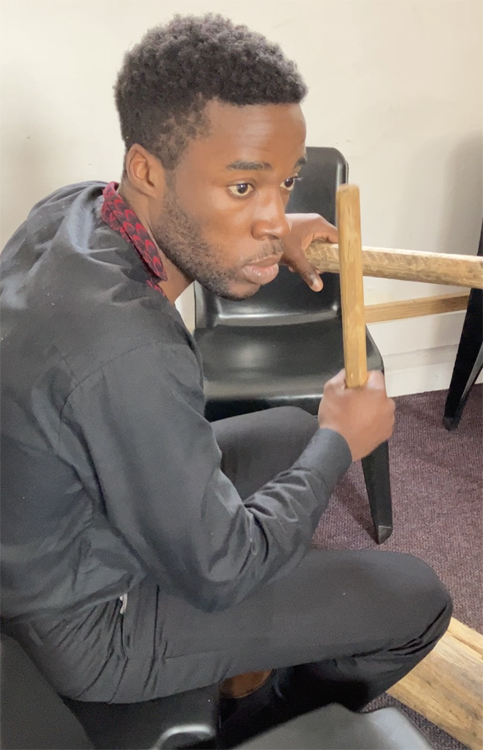
Theatre sketch by the students about early pregnancy (Photo credit: Marlene Sitah)

A highlight of the event was Pascal’s presentation on online safety and security. Trained by the MIDEQ Project, Pascal and her colleagues brought forth critical topics, including personal data exposure, digital harassment, hate speech, and online scams. In an age dominated by digital interactions, this knowledge proved invaluable.

Reiterating the importance of online safety, the event underscored the significance of being vigilant and informed in the digital world. Teachers expressed gratitude for the invaluable knowledge, and the girls left with newfound confidence.

Pascal Avenvuka Mbu-Letang presenting personal data belongingness and life to the young students. Photo Credit: Michael Kanyinda

Reporting from the Purpose Finders School, this is Memory, signing off with a heart full of inspiration and hope for the continued empowerment of young minds.”


At the end of the event, a debriefing session took place among the facilitators and the teachers who were keen to discuss further involvement of the ‘Big Five’ in this learning process, starting from themselves as educators.

From our side in MIDEQ WP9, we can only wish the Fusion Avenue team more successful events such as this!

Empowering migrants through training in video production

By Maria Rosa Lorini

Video content has become an essential tool for sharing experiences, information, and solutions in the contemporary world. This medium can be an especially powerful means for migrants to connect, inform, and advocate for change. Surveys, interviews and focus groups with migrants in South Africa conducted between 2020 and 2022 as part of our research-practice within the MIDEQ Hub pointed to the potential benefits that training in digital video production could have in empowering migrants, specifically for sharing their life experiences (stories), helping fellow migrants, and shedding light on issues they face. This post describes the creation and implementation of a two-week workshop held at the Scalabrini Centre of Cape Town in November 2022 in collaboration with local tech developers.  This subsequently formed a model for further workshops in Johannesburg and set in motion many other activities to improve the skills of migrants (see overview of our interventions with migrants in Nepal and South Africa).

The training workshop

The first week of the workshop was theory-based, and the second focused on practical video creation techniques. Its overall aim was to uplift and empower migrant voices while prioritizing safety and security, above all for the most vulnerable people, and also to leveraged open and free resources and video optimization strategies.

Week One: building a foundation and staying safe

The initial phase of the workshop was dedicated to building a strong foundation for digital storytelling while emphasizing the importance of online safety. Participants, from a dozen Sub-Saharan African countries, gathered to learn about the critical aspects of online safety and security., noting that the nuances of digital safety are paramount, especially when sharing personal experiences or sensitive information (see their video THINK).

Participants were guided by experts who shared valuable insights into protecting their online presence while engaging with social media and digital tools. This included strategies for safeguarding our digital presence, including

  • adopting strong, unique passwords for each online account,
  • enabling two-factor authentication whenever possible,
  • staying informed about the latest cybersecurity threats and best practices
  • exercising caution when sharing personal information online, and
  • being wary of phishing attempts and suspicious links.

Protecting our online identities, financial data, and privacy settings, and minimizing the risk of being targeted by hate speech or discrimination were also essential components of the activities. The participants were encouraged to maintain a balance between sharing their experiences and protecting their well-being.

The workshop also took participants on a journey of discovery, introducing them to the potential of digital technologies for entrepreneurship, social mobilization, and community networking (see their video on e-business). Migrants often face unique challenges in their new homes, and digital tools can provide a platform to address these issues effectively. The theoretical sessions aimed to provide participants with the knowledge and confidence to utilize these tools effectively and safely.

Week Two: turning theory into practice while staying safe and leveraging free and Open resources

The second week enabled participants to learn about some of the technical aspects of video creation. They were introduced to techniques that allowed them to create potentially impactful videos without necessarily showing themselves on camera. This was particularly valuable for those who wanted to share their experiences while minimizing the risk of being identified and targeted.

The workshop emphasized the use of free and open software and content that are readily available on the web. Tools such as CapCut were introduced to allow participants to edit, enhance, and produce their own videos without any financial barriers. This made video creation accessible to all regardless of the devices used, although paying for connectivity often remains a challenge for the migrants. From shooting techniques to sound recording, from video editing to lighting, many details were covered so that they could all create their own videos using their smartphones. Nevertheless, more sophisticated devices such as external microphones for sound quality, stabilizers, and extra lightning were also demonstrated during the training to show the difference they can make and how to replicate the same good-quality results without using any such extra equipment. The initial videos produced as training activities  showed how good-quality videos can be produced simply and easily, using accessible and free software. This empowerment through knowledge and frugal technology was a cornerstone of the workshop’s philosophy.
This quick reminder by one of the trainers highlights the main skills that the migrants were taught.

Reflections

The importance of good-quality video production

There were three main reasons why we focused on producing good-quality video production in the workshop.

  • Our commitment to engaging with other organizations: This part of our work aimed to reach out to organizations working with migrants in South Africa, and we hope that the migrants trained through the workshop will go on to make videos for such organizations. High-quality videos are more likely to be shared and promoted by these organizations. A well-produced video captures attention, effectively conveys its message, and aligns with the professionalism expected by these institutions.
  • Anonymity: Participants learned how to create avatars or use online, free, and readily available materials to anonymize their videos, avoiding the need to show their faces in case of sensitive topics or risk of online harassment.
  • Cost efficiency: these techniques helped minimize production costs as there was no requirement to constantly shoot new material around the city.

The dual benefit of anonymity and cost efficiency empowered participants to share their stories in high quality video without exposing their identities and without breaking the bank.

The impact and maximizing visibility

The same philosophy applied to the strategies for maximizing the visibility and impact of these videos. Participants were taught how to create captivating thumbnails that would grab viewers’ attention, craft relevant video descriptions to enhance searchability, and use special effects to engage and entice their audiences. Most also implemented a call to action at the end of each video to generate reactions and spark discussions, ensuring their content had a lasting impact.

At the end of the two-week workshop, participants showcased their videos to their peers and mentors. The diversity of topics covered was astounding, ranging from practical advice on navigating South Africa’s bureaucracy to heart-warming personal stories of resilience and triumph. These videos were not just about sharing experiences but also about shedding light on difficult situations and inequalities faced by migrants.

These migrants were able to become advocates for change through their videos. They created videos about organizations that help migrants (such as the Scalabrini Centre), highlighted the challenges faced (see Statelessness), prepared tutorials,and suggested solutions to improve their lives (see Tips for newcomers). They brought attention to the vibrant migrant community in South Africa, fostering greater understanding and empathy among the broader population.

Low-tech production for high and safe impact

This workshop also demonstrated the power of combining digital skills with a desire to share knowledge and experiences safely and effectively. Empowering migrants through video creation enriched their lives and our understanding of the diverse tapestry of human experiences. By leveraging free resources and implementing visibility strategies, this initiative enabled migrants to share their voices and also potentially to reach a wide audience, fostering greater empathy, understanding, and positive change.
This intervention has given voice to a community that often remains unheard. It is a testament to the transformative potential of technology matched with skills development and networking in addressing the challenges faced by migrants and helping them to improve their their lives better.

Finally, have a look at this fun video they created. Do also watch their initial feedback from participating in this workshop provided as part of our commitment to transparent monitoring and evaluation.

Research-practice update South Africa, August 2023

Tim Unwin visited Cape Town between 23rd and 30th August to carry forward our work led by Maria Rosa Lorini with migrants in South Africa as part of the MIDEQ Hub. This visit focused especially on dissemination, monitoring and evaluation, and training skills, but it also provided an excellent opportunity to work with other colleagues in MIDEQ from the South African lead team at the University of Cape Town (UCT) and also the work package on creative resistance and well-being from the University of Glasgow

We held two workshops at the Scalabrini Centre of Cape Town with the group of migrants who have been trained in video production and in the safe, wise and secure use of digtital tech through our MIDEQ intervention. The first of these concentrated on ways through which these videos can be disseminated more widely, as well as the importance of rigorous monitoring and evaluation for us to understand the impact of these videos. Key ideas to emerge from the workshop were: that it is better to produce something of, say, 60% quality, rather than aiming to produce something of 95% quality but failing to deliver anything; the ways that short videos on social media platforms such as Instagram and TikTok can be used to direct other migrants to their Fusion Avenue videos on YouTube; and the need for individuals in any loosely knit organisation to take responsibility for some aspect of its work. We also explored the top five tips on Instagram success that Michelle Carlin had suggested.

The migrants had recently held a training workshop on safe, wise and secure use of digital tech for other migrants at Rugby, and so our second workshop was to draw out lessons from this and provide them with additional advice on how to train others. This involved them in delivering short training segments and having feedback from each other on what went well and what aspects they might try to improve.

As part of our dissemination strategy and in order to help make our work sustainable beyond the duration of funding from the UKRI GCRF, we also used the opportunity to have very productive practical discussions with organisations working at the interface between migration and digital tech about ways through which the migrants’ skills in video production could be used to make further videos for these organisations in the future. Among the organisations with whom we explored future collaboration on a range of modalities are the Scalabrini Centre of Cape Town, the Adonis Musati Project, the University of Cape Town’s Refugee Rights Unit, Cape Town TV, Phillipi TV, Africa Unite, Ubunthu-Betu in Samora Machel and JL Zwane in Gugulethu.

Finally, this visit provided an excellent opportunity to work together with colleagues from other work packages within MIDEQ, namely our South African country lead team ked by Dr. Faisal Garba at UCT, and Dr. Gameli Tordzro from the Univeristy of Glasgow. Gameli is a highly engaging and charismatic artist and musican whose research is in creative arts and translating cultures, language and education with a focus on African diaspora music, video film production, story and storytelling. He was in Cape Town working with about 25 migrants at Africa Unite to weave a story in words, music and culture about the experiences of African migrants, and it was truly humbling to watch them develop their very moving collective story and performance.

Top five tips for aspirant influencers on Instagram

Our research-practice in Nepal (led by Hari Harindranath) and in South Africa (led by Maria Rosa Lorini) as part of our contribution to MIDEQ places considerable emphasis on migrants gaining relevant skills so that they can use digital technologies safely, wisely and securely (or privately). Video production forms an important element of this training for three main reasons: so that migrants can share their experiences with each other about why these issues are so vital; so that they can improve their own skills in video production to enhance their visibility on social media; and so that together we can share qualitative evidence about the impact of our work.

A recent conversation between the social influencer Michelle Carlin and Tim Unwin about what advice we might offer to would-be influencers led to her agreeing to make this short video about the five most important pieces of advice she has to offer, especially for those using Instagram. Michelle, a sommelier from Mexico, is one of the top wine-related influencers on Instagram (@mina.wine), with more than 100,000 followers, and she is also an educator and content creator for theeasywine.com, so her advice is well-worth taking (follow her also on X/Twitter at @purpleandwine).

Michelle’s top five tips are:

  1. You must find your own mojo that you feel passionate about and makes you happy;
  2. Follow others to learn from and get inspired by them;
  3. Understand that you are creating a community and interact with them;
  4. It is a full-time job and so you need to be posting all the time; and
  5. Understand that social media algorithms are always changing.

Huge thanks to Michelle for these great tips – muchas gracias!