The ICT4D Collective was delighted to be involved in delivering an online workshop/seminar with our partners ACORAB (the Association of Community Radio Broadcasters) and CIN (Community Information Network) in Nepal on 24th July. This drew on our previous work in Nepal, as well as the session on community radio that we ran earlier in the year at WSIS+20 together with other organisations and partners. These form part of our increasing work on cyber-security. Some 70 participants, mostly journalists from community radio stations, participated in the two-and-a-half hour workshop which had four main aims:
To share information and ideas about the work that members of the Collective have been doing, mainly with migrants, on the safe, wise and secure use of digital tech in Nepal, South Africa, Brazil and Mozamibique;
To provide participants with advice that will hopefully be of value to them both personally and in their professional lives;
To share resources on cyber-security that can be used through community radio to advise listeners in Nepal; and
An opportunity for discussion and dialogue between participants
The slide deck used for the workshop is available here, and we would love to hear any feedback or suggestions about the content through our contact page.
During one of our research visits to South Africa in January 2024 it became abundantly clear that many small and poorly resourced civil society organisations have little experience of using digital tech safely, wisely and securely. Drawing on good practices across the world, as well as our subsequent experiences in and with colleagues from Brazil, Nepal and Mozambiaue, we have therefore produced a short (12 page) guide to help such organisations understand the risks they are at from the use of digital tech and how they can be mitigated. This contains useful tips, graphics that can be copied and reversioned into posters, as well as links to more detailed sourcers of information, and it is freely available in English under a Creative Commons CC BY SA license.
Please get in touch using our contact page should you have any comments on how this could be improved or to discuss developing versions in other languages or for other contexts, and do please share information about this resource through your own networks.
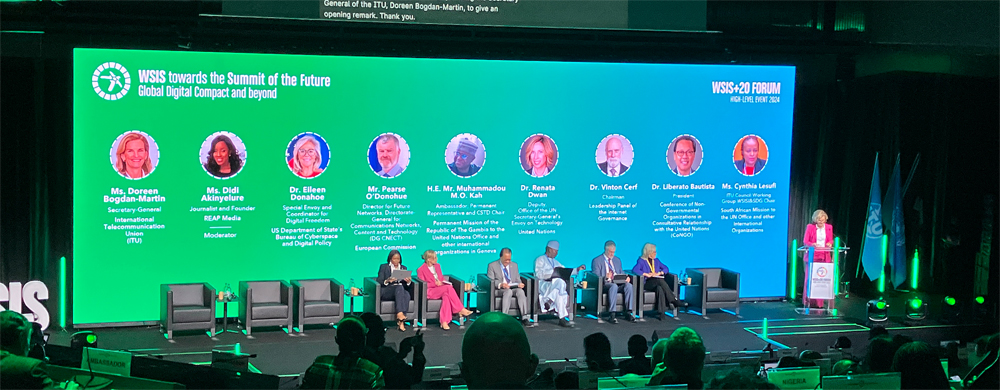
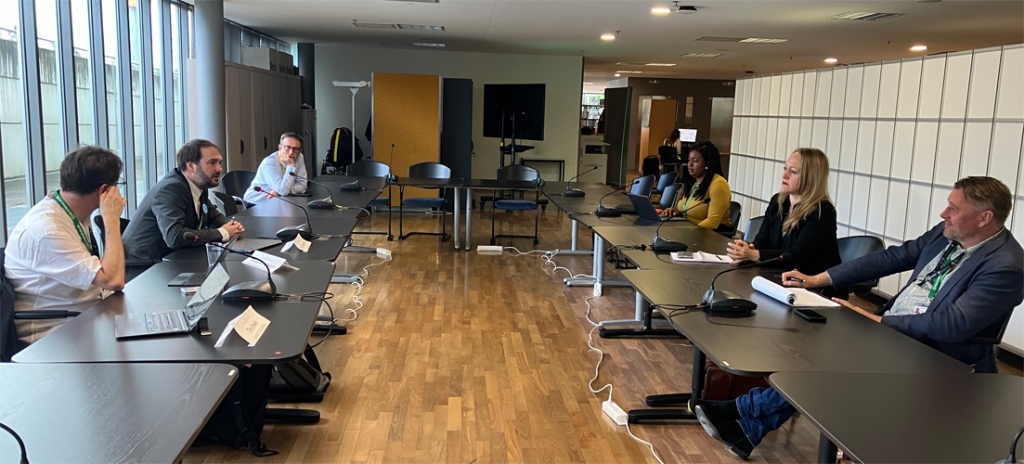
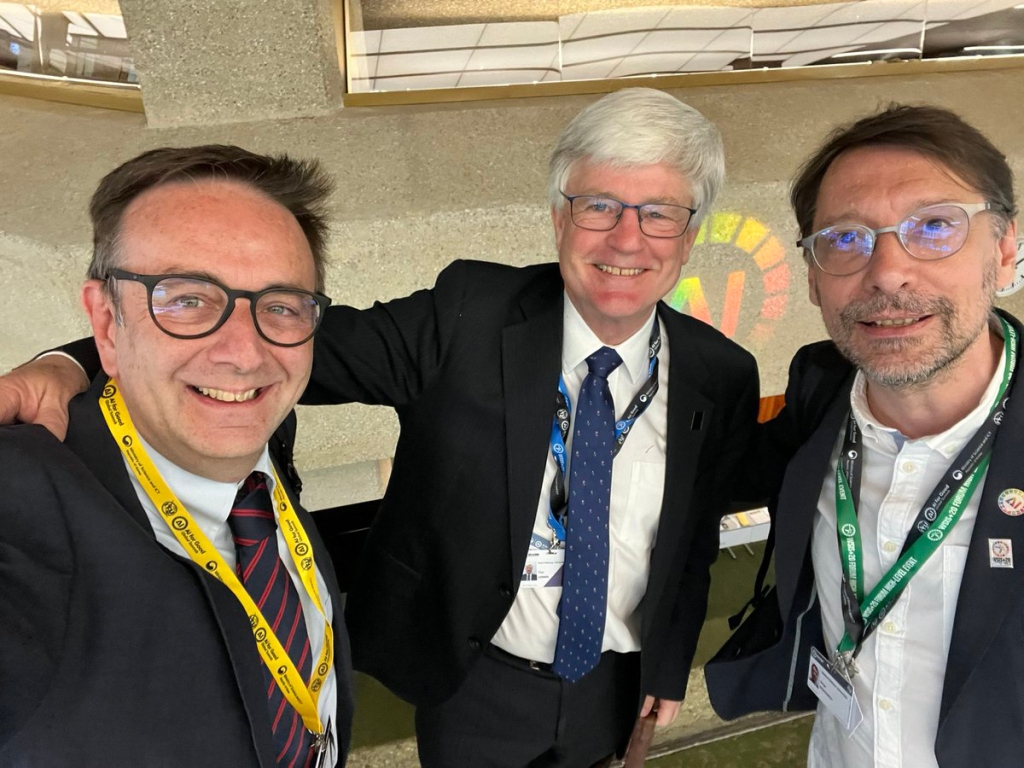
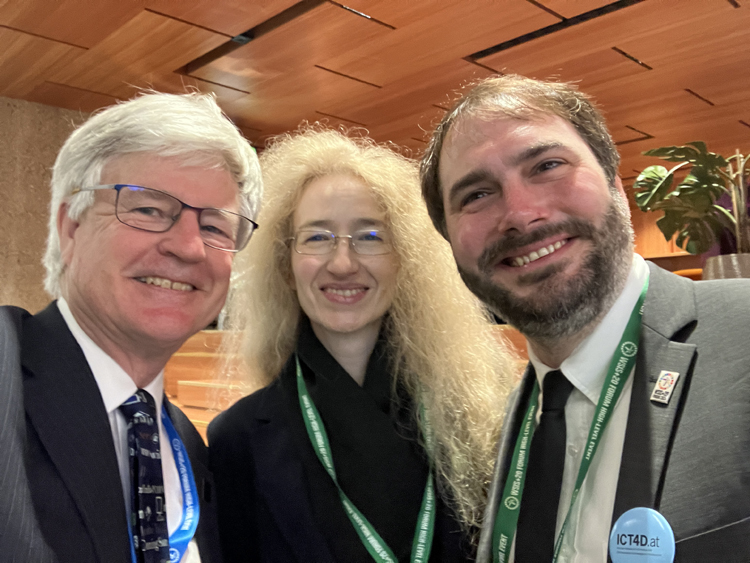
Members of the ICT4D Collective and friends had an exciting and very busy time in Geneva during the 20th anniversary meeting of the World Summit on the Information Society between 26th and 31st May, 2024. Our full agenda is available here, but we summarise below details of the two main sessions that we convened.
Community Media Networks: envisioning the future (Session 331)
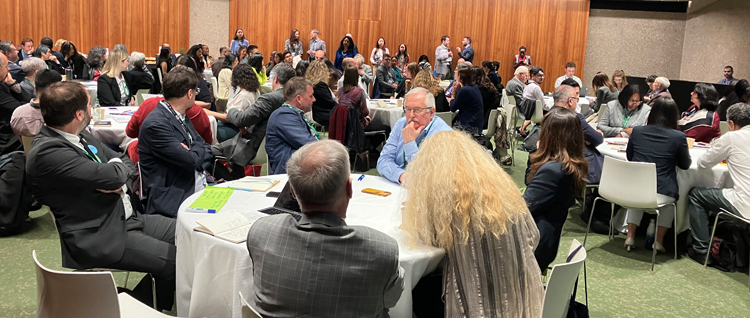
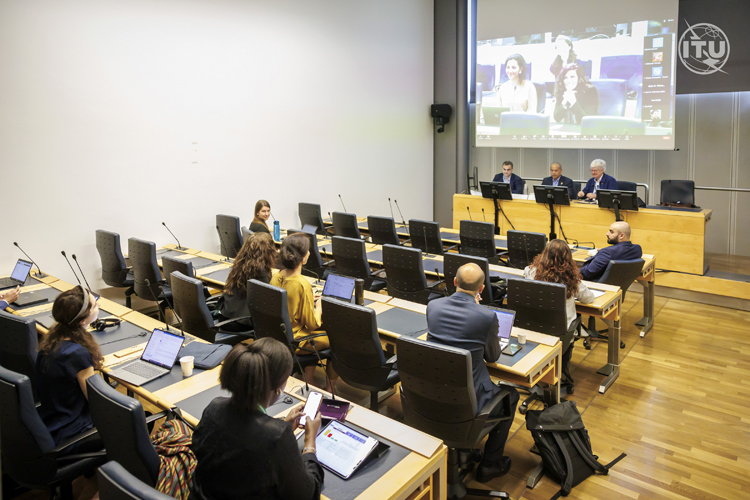
We convened this session on 29th May with ACORAB/CIN , BNNRC, TaC-Together, Youth IGF, Cape Town TV, CEMCA, and ICT4D.at, highlighting the importance of community media in reaching some of the world’s most isolated and marginalised people. Our very distinguished line-up of speakers and moderators included (in order of speaking): Pramod Tandukar (Executive Director, ACORAB, Nepal), AHM Bazlur Rahman (CEO, Bangladesh NGOs Network for Radio and Communication), Dr. R Sreedher (Tele Learning and Community Radio Practitioner), and Philomena Gnanapragasam (CEO Asia-Pacific Institute for Broadcasting Development), with Tim Unwin (ICT4D Collective) and Paul Spiesberger (ICT4D.at) also being moderators.
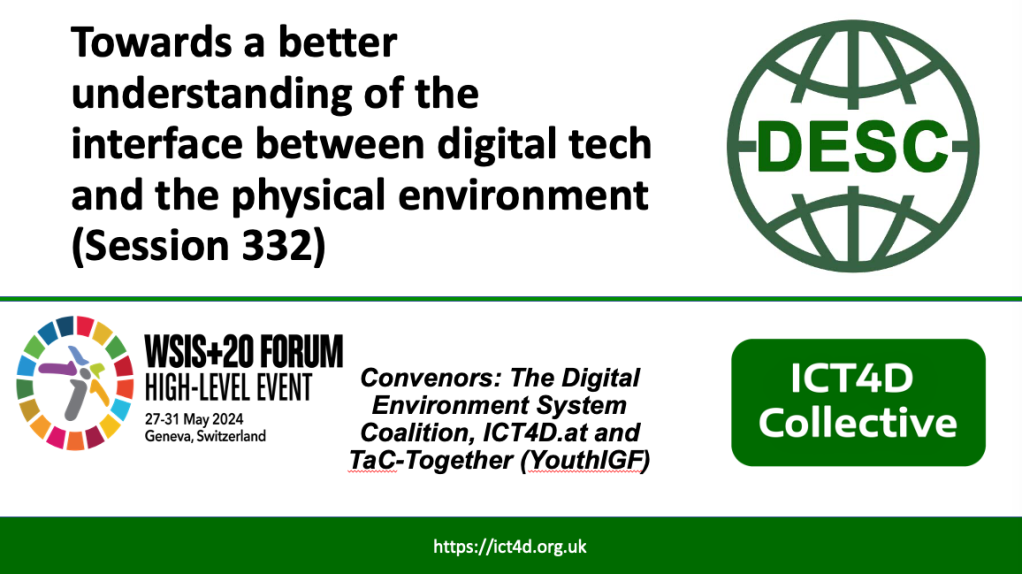
Towards a better understanding of the interface between digital tech and the physical environment (Session 332)
This session (convened by The Digital Environment System Coalition, ICT4D.at and TaC-Together with YouthIGF) provided an overview of the agenda being developed by the Digital-Environment System Coalition (DESC), and an outline of our proposed contribution to the ITU’s Partner2Connect initiative. It emphasised the need for a completely new was of understanding the interactions between digital tech and the environment, that is much more holistic than the existing emphasis of the “global community” mainly on climate change, carbon emissions, and e-waste.
The ICT4D Collective is delighted to be participating actively in the upcoming WSIS+20 week of activities in Geneva, especially since 2024 is also the 20th anniversary of the foundation of the Collective, which was created in 2004 to conduct the highest possible quality of research in the field of ICT4D primarily in the interests of poor people and marginalised communities, and making the results of this available freely to the global community.
Geneva from the ITU
Members of the Collective are actively engaged mainly in the following sessions at WSIS+20:
All of these events have been convened jointly with our partners and friends or we have been invited to participate in their sessions as speakers and moderators, and we are most grateful to them for such collaboration. Please do join us at WSIS+20 – we promise to try to make our involvement exciting, interactive and challenging. Should you wish to contact us and arrange meetings during WSIS, do please use our contacts page.
Overall the conference is worth a visit to see yet another aspect of the ICT4D movement. The ICT4D conference is more an event from the private sector for the private sector and governments. Although some researchers were present, many of the exhibition booths and sessions were held by for-profit organisations. Everyone working in the ICT field as an engineer understands that ICTs need constant funding for software development and maintenance and there is nothing wrong with earning money while doing some good with ICTs. It is estimated that 70% of ICT4D projects fail and having a business model behind any ICT4D initiative can only be a plus if it successfully balances profits and benefits for its users. Unfortunately some sectors such as education or health can never be profitable if you do not discriminate the most marginalized. One challenge we saw was that this is yet another ICT4D event where only a subsection of the movement is represented. Others such as researchers, UN organisations, target groups (marginalized people) or engineers were mostly absent. This also applies to other conferences where for instance the private sector is absent and we do not know of any event or conference where all stakeholders are involved equally – please let us know if you do.
Ghana’s Minister of Communications and Digitalisation, Hon. Ursula Owusu-Ekuful, opened the 12th ICT4D Conference. She emphasized Ghana’s leadership in digitalization while acknowledging the global connectivity gap and the need for digital inclusion for older generations. This timely conference coincided with a critical situation in Africa at the time, with multiple submarine cable cuts disrupting internet access across Sub-Saharan Africa. These challenges underline the importance of building sustainable, local digital infrastructure for long-term progress in Africa’s digital transformation.
What was rather troubling was the involvement of Microsoft and their keynote speech where they wrapped their business case into a shiny development aid gift wrapping paper. The Microsoft speaker started to explain that we are living in an overall changing world and the new big factor is artificial intelligence (AI). He stated that some countries are left behind and Microsoft wants to solve this problem. 10 million for Microsoft’s OpenAI to close the “digital divide” and “democratizing” AI by providing access to the people – where the problem starts. Once more the “digital divide” is misused and a 2 billion offline population is connected to a system where they will become customers rather than free citizens. Furthermore, why would you call connecting people to a product “democratizing” it? Microsoft will call all the shots and is owning the technology. Just as ever and today, they will not open their technologies for anyone but themselves and call acquiring more customers “democratizing”. Do not let you get fooled by the “Open” in their product’s name. OpenAI is not controlled, owned nor adaptable by the people. Only open source LLMs and open source software can live up to these high standards of a democratized technology and Microsoft/OpenAI defiantly do not. In the second part he presented the true reason why they sponsored the event, their Digital Development Program (DDP):
“During UNGA78, we also unveiled Microsoft’s Digital Development Program (DDP). Our DDP program is a comprehensive platform that supports low- and middle-income countries who receive international development assistance. These countries, with 1.8 billion citizens, represent 23% of the world’s population. Participating countries will benefit from pro bono digital advisory, affordable cloud solutions, skilling, and capacity building tools to help governments modernize their infrastructure and provide critical services. Cape Verde, Angola, and Ethiopia are among the first countries leading the way in harnessing the potential of this program and to have a real impact towards a more equitable and inclusive digital economy.”
In short, they will grant governments of low- and middle-income countries 35% discount on Microsoft products until 2030. Full price from 2030 onwards of course. Not only is this just plain business and has not much to do with development, it also has the following consequences:
Governments of low- and middle-income countries will be completely depended on a foreign software company and lose their sovereignty
In the future all software related expenditures of governments will go outside their economies to the pockets of an US based company
No local software industries will evolve as it will be impossible to compete with the 35% discount – Microsoft plans here on the long run to destroy all local competitors
The US government will further expand its soft power and will control foreign national infrastructure to surveil internal communication of other governments
“The Principles for Digital Development serve as a compass for those working to promote sustainable and inclusive development in today’s complex digital landscape. Using these Principles as a starting point, policymakers, practitioners, and technologists will be better equipped to ensure that all people can benefit from digital initiatives and from the broader digital society.”
Digital Development Guidebook
The Digital Development Guidebook was presented and discussed. Overall a good guidebook and definitely worth reading and discussing. The checklists seem to be thought through and helpful for future projects. Listing expert organization, underline the importance of open source software and a focus on digital literacy is something we very much appropriate. A bit confusing is the fact that the guidebook advocates for Digital Public Goods, ownership, free and open source software while probably nobody at the conference was using Linux nor other free software while Microsoft was promoting exactly the opposite in their keynote and they mark “ChatGPT” as the main achievement in 2022?
Projects, Talks & Discussions
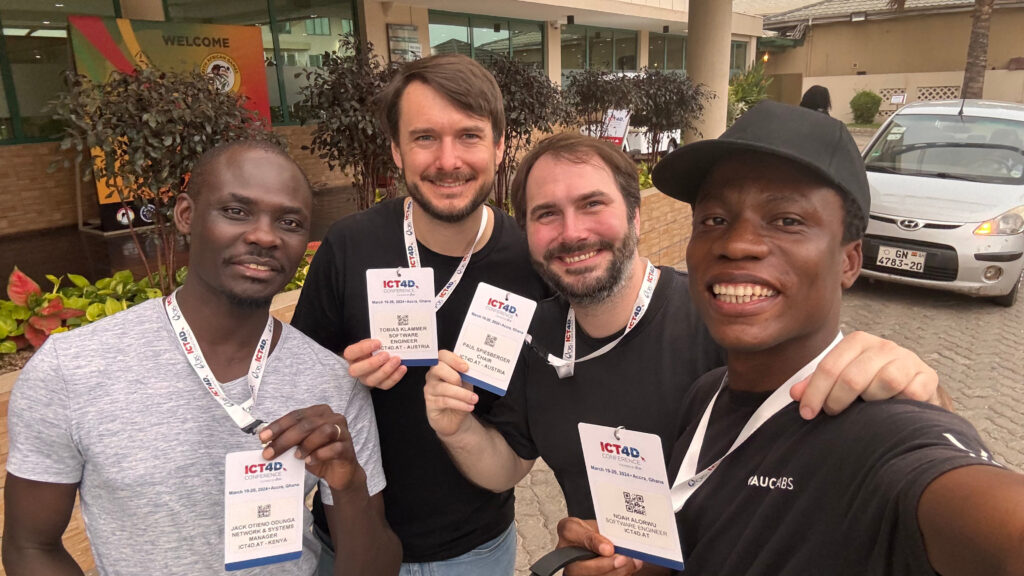
This blog post is a collaboration between Tobias, Jack and Paul who report from sessions they visited and overall impressions.
Reimagining Digital Transformation through Digital Public Goods (DPGs)
Speakers: Abisola Fatokun, Sabeen Dhanani, Ms. Nita Tyagi, Dileep Bapat, Seth Akumani, Lauren Kahn, and Moritz Fromageot
Decision-makers and development professionals across the globe have increasingly understood the importance of Digital Public Goods (DPGs). DPGs promise significant changes in communication between citizens and authorities and in the way services are provided. A key example of the introduction of DPGs was the introduction of an eHealth system in India based on the Aadhaar ID. Due to the size of the Indian population it was not possible to reuse respectively import an existing system from another country. Another key point was that the solution was not pushed from the top down, but rather according to the approaches of “Empowerment comes when people build solutions” and “it is people who bring in the transformation”. DHIS 2 was mentioned several times as a prime example for a successful Digital Public Good. The discussion concluded in the statement that people design solutions that meet their needs – It’s not digital transformation, it is people transformation.
Speakers “Enabling Tech access for local market Systems strengthening”: James Haithcoat, Sildio Mbonyumuhire, Meshack Mbinda, Dorien Asampana, Karen Hampson, Gidraf Wachira, Andrew Karlyn, and Worlali Senyo Speakers “Harnessing Technology for a Climate-Smart Future”: Karen Hampson , Gidraf Wachira, Andrew Karlyn, Dorien Asampana, and James Haithcoat
The Big Discussion on Food Security and Climate Tech stressed the power of technology to bolster local markets, optimizing supply chains and connecting producers directly to consumers. It also highlighted the need to leverage technology for a climate-smart future, promoting precision farming, weather forecasting tools, and resilient crops. The conversation acknowledged the digital divide in rural areas, emphasizing the importance of last-mile solutions like solar-powered equipment to bridge the gap and ensure farmer access to information and markets. Farm Radio was recognized as a vital tool for understanding farmers’ needs, underlining the importance of listening to the listeners to tailor effective solutions. Federated data was seen as crucial for documenting farmers and informing policy decisions, emphasizing the need for collaboration and data sharing to achieve food security and sustainability. Ultimately, the discussion resonated with the message of collective action: “Those of us who can do more should do more, but together we can do a lot.” In his contribution, Worlali Senyo, a member of ICT4D.at and the Country Manager of Farmerline Limited, highlighted a significant financial gap that must be addressed to empower farmers to fulfil their responsibilities. He emphasized the importance of ensuring poverty alleviation among farmers and advocated for a comprehensive approach that incorporates introducing them to the carbon market. Farmerline Limited is already walking the walk. They are equipping farmers with cutting-edge tools for monitoring, traceability, and data analysis. This not only helps farmers, but also paves the way for a future where they can benefit from carbon credits.
The crux of the food security challenge hinges on our resource allocation. The quandary lies in our allocation of efforts: are we truly prioritizing effective food distribution, whereby regions facing scarcity are systematically pinpointed and supplied with surplus from areas of abundance within national, continental, or global contexts? Or are we inadvertently tilting the balance towards a singular focus on production efficiency, channelling our energies solely into boosting yields without adequately addressing the pressing issue of equitable food access and distribution? This dilemma presents a compelling research opportunity. By delving deeper into the effectiveness of both distribution and production efforts, we can illuminate the path towards a more comprehensive and sustainable solution for global food security.
Greening ICT4D: Tackling our impact on the environment and climate
Speakers: Mariela Machado, Morten Risgaard, Ms. Onica N. Makwakwa and Joel Urbanowicz (Moderator)
The Plenary discussion on “Greening ICT4D: Tackling our Impact on the Environment and Climate” highlighted innovative initiatives like Japan’s Smart Farming, showcasing the potential of technology to reduce the agricultural sectors carbon footprint. However, a critical challenge emerged – the inadequate management of electronic waste (e-waste), particularly in Sub-Saharan Africa. This exposes a significant gap in the region’s approach to sustainable waste management.
A Call to Action: Addressing the E-Waste Challenge
The discussion emphasized the need for a multi-pronged approach:
Policy and Strategy Formulation: There’s is a pressing need for robust policies and strategies that encourage responsible e-waste management by producers, consumers, and waste handlers. Research efforts should explore effective policy frameworks that incentivize environmentally sound practices throughout the e-waste life cycle.
End-of-Life Management Solutions: Organisations more so in Sub-Saharan Africa lacks proper infrastructure and cost-effective solutions for handling e-waste at the end of its lifespan. Research is crucial to develop sustainable e-waste collection, recycling, and disposal systems tailored to the region’s context.
E-waste Reuse and Refurbishment: Exploring the potential for e-waste reuse and refurbishment can significantly extend the lifespan of existing equipment and reduce the need for new electronics. Research could investigate ways to create local markets and incentives for refurbishing and reusing e-waste.
Infrastructure Sharing and Global Collaboration
The discussion recognized the importance of infrastructure sharing as a means to minimize the carbon footprint of ICT4D initiatives. Additionally, it highlighted the need for substantial global efforts, particularly in the Global South, where a lack of adequate e-waste management policies and infrastructure presents a critical gap in sustainable development. Collaboration across different stakeholders – governments, NGOs, technology companies, and research institutions – is crucial to bridge this gap.
Bridging the Gap: A Sustainable Future for ICT4D
By addressing these challenges and gaps, ICT4D initiatives can contribute to a more sustainable future for Sub-Saharan Africa. This will allow the region to bridge the digital divide in an environmentally responsible manner, ensuring inclusive growth and a greener future.
Speakers: Nyagaki Gichia, Lindsay Kincaid, Daniel Ganyoame, Maryam Lawan, Vincent Wang (Moderator)
It was a vivid discussion about education and hubs/spaces where learning can happen. Most parents think these spaces are only for children, so how could a hub become inclusive for all ages to access education? Bringing in parents as participants into their children’s education raises its importance and also targets adult’s education. One presented solution was to offer services for adults such as searching online for jobs so they get in touch with the hubs or schools.
The following challenges for education were mentioned:
Safe space for women to find comfort, make it social and look at the social context. Usually women come with their kids and you need child care taking to facilitate time for education.
Localize content, use local dialect to make material accessible
Context of family – the husband often needs to approve so his wife can participate
Always take the cultural context in consideration. One speaker mentioned that in one of their projects, instead of free t-shirts for women’s graduation they handed out free scarf as most women came fully covered due to their Muslim background
Young girls needed to be at home to do choirs and the program needs to consider this. Parents need to be on board
Connecting the Unreached; Accelerating Dignified Development to Amplify Shared Prosperity
Speaker: Ms. Peace Delali
I was not expecting much from BLUETOWN Ltd.’s presentation at this panel discussion. It felt like another company pitch. But then Ms. Peace took the stage, and everything changed. She was not there to sell; she was there to share the incredible work BLUETOWN is doing to bridge the digital divide. Their approach is ingenious. They use a network of strategically placed, solar-powered base stations to deliver local cloud content to students and underserved communities. They even empower locals to monitor the network, troubleshoot basic issues, and escalate problems when needed. This creates a sustainable model that keeps content local and avoids the high cost of undersea cables.
BLUETOWN’s projects are a shining example of how to make ICT truly accessible in Sub-Saharan Africa and the greater global south. Their focus on local content ensures its relevance and accessibility, while their community involvement creates a sense of ownership and long-term impact. This is the kind of innovative thinking we need to bridge the digital divide and empower people everywhere.
I was tuning into a session from Cadasta about mapping land for vulnerable communities via GIS technologies. Their “tools empower vulnerable communities to affordably and easily document, map, and secure inclusive land and resource rights at scale for a more sustainable and equitable planet” as vast land has not yet officially claimed by the people who actually live there since generations. They mentioned the following projects they worked on:
Protecting Indigenous Land through self recognition and registration in Cambodia Indigenous peoples Organization
VSG Association of Saamaka Authorities – Empowering Saamaka Communities: Strengthening Territory Governance and Resources Management
JKPP Indonesian Community Mapping Network
They focus a lot on training people and illustrated how they categorize “mappers” from beginners to experts and what kind of services in terms of trainings & technologies they then offer.
In the end participants raised the question if they are also working with governments as just mapping without officially acknowledging would not be enough. They do work with governments but this adds further complexity to a project and often officials are not welcoming to these kind of empowerment. Unfortunately, what I completely missed in the discussion and presentation was the fact that land often is claimed by more than just one person or group. It is still unclear to me how they decide who actually has the right to map a certain area and then state that they own it? Someone who can afford their services and is in control of the technology can raise claims to properties of others which showcases the power such a technology encapsulated.
In the final months of our MIDEQ WP9 team’s interventions working with migrants in South Africa, a remarkable phenomenon emerged — a “yeast effect” that represented the catalytic effect of the impact of colaboration between academia, NGOs, migrant communities and individual participants. This effect symbolises the organic growth and replication of positive outcomes, as individuals who were initially trained by our team together with local colleagues and experts became catalysts for change within their own communities and associations.
Adapting and Propagating Learning Materials
One of the cornerstones of our intervention was the adaptation and propagation of learning material used in the initial workshops we organised and ran. Recognizing the importance of tailoring educational resources to local contexts, we worked with local educators and experts and with the initial participants to create relevant learning material on issue relating to the use of digital tech by migrants. A special focus was on security and safety online and on content creation (to see more about our initiative and trainings), ensuring their accessibility and relevance to the communities we and they served.
After a series of workshops run by our team between November 2022 and August 2023, some of the trainees started organising sessions and training people in their own communities. During presentations to different audiences, such as chairmen of migrant associations, women community leaders, NGOs representatives and teenagers, the new trainers further adapted the learning material to suit the specific needs and understandings of each group. All examples were carefully crafted to resonate with the audience and address their concerns, responding to feedback from local stakeholders and demonstrating their commitment to meeting emerging challenges and empowering individuals with relevant skills and knowledge.
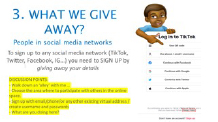
Furthermore, the team of trainers began developing new PowerPoint presentations that addressed frequently asked questions and were designed to be engaging and captivating for the public. Some examples of these slides are illustrated below.
From the Power Point Presentation created by the Fusion Avenue team in Johannesburg
From the Power Point Presentation created by the Fusion Avenue team in Cape Town
Targeted Events, Outreach, Collaborations and Partnerships
Our efforts encompassed a diverse range of events such as documentary presentations (see our blog about recent events) and targeting specific groups of stakeholders. From migrants and migrant associations to local communities, international organizations, academics, and media, we engaged with a wide spectrum of audiences to ensure the broad dissemination of knowledge and resources. A key highlight of this part of the intervention was the implementation of peer-to-peer knowledge sharing initiatives. Through video creation and dissemination, as well as face-to-face workshops run by migrants for migrants, we witnessed at first hand the power of community-led education. Individuals who were trained in our initial workshops took on leadership roles, becoming educators and advocates within their own communities. This is how the Fusion Avenue team of trainers presents and sponsors their work to support more organisations and communities:
Central to the success of these interventions was a spirit of collaboration and partnership. We worked closely with local stakeholders such as the Adonis Musati Project, international organizations such as the Scalabrini Centre, academia and research institutes such as SIHMA, and migrant associations such as MAGSA to leverage collective expertise and resources. This collaborative approach not only enhanced the effectiveness of our interventions but also fostered a sense of ownership and created the bases for the continuation and sustainability of the activities within the communities we served. This collaboration of groups from 12 different African countries represents a significant step forward in fostering solidarity and collective action among diverse migrant communities.
Together, they are now working on a common agenda in Johannesburg and Cape Town related to the safe, secure, and wise use of digital technologies, as well as communication skills and changing the narratives around migration. This collaboration represents a significant step forward in fostering solidarity and collective action among diverse migrant communities.
Measuring Impact and Ensuring Sustainability
The impact of the intervention was quantifiable, with hundreds of individuals already having been trained and reached through the different activities convened by the migrants with whom we worked. More than 200 people have been trained during the last 5 months by 12 of the 30 trainees in our original workshops. The rest of the participants are using the acquired skills to get a job and to fulfil their personal aims.
The majority of the activities carried on by the ‘new trainers’ covered more than one 4-hours session with each group of people. This approach ensured sufficient knowledge transmission, not least by allocating enough time to do practical exercises during the session including such things as how to change the settings on personal social media accounts. It also enabled the testing of information reception during the re-cap done by the trainees at the start of every new session.
Every participant completed a feedback form to give back impressions on the quality of the activity and suggestions for improvements. In the case of school teachers, community leaders and representatives of organisations and associations, the learning material was always requested by the trainees so that they could further disseminate the lessons learned (all our materials were created using Creative Commons BY-SA licenses). Some interviews and appreciative letters also witness this commitment. The administrator of the Congolese Society of South Africa Diana Bongongo highlights below what she learned from our trainees – now trainers! – and how she will herself become another yeast of change!
Integration of lessons learned into existing programmes
As part of our commitment to knowledge exchange and continuous improvement, we have shared our journey through a documentary film covering our interventions in South Africa. Additionally, we leveraged social media and collaborated with research hubs and NGOs to disseminate videos created by migrants, ensuring that our learnings reached a wider audience and had a lasting impact. But perhaps more importantly, our focus was on ensuring the continuation of these activities beyond the intervention period. Through partnerships with local stakeholders (including migrant organizations, associations, community leaders, local media companies, and school teachers) and integration of training resources into existing programs, we laid the groundwork for long-term sustainability and community empowerment. Our learning material is for instance now being used by the Scalabrini Centre in Cape Town, which reaches out to 1,500 migrants trained face-to-face yearly. Cape Town TV is also supporting the dissemination of the videos produced as well as the preparation of focused programs on migration.
Additionally, local non-migrant organizations such as Ubuntu Bethu have been instrumental in deploying workshops on digital safety and content creation in marginalized communities where many migrants reside. These partnerships have expanded the reach of our intervention to people living with constraints and limited access to the type of support and trainings offered elsewhere, and provide much needed advice for job search in areas with more than 50% rate unemployment, and for online safety in area of high gender based violence. The new partnerships and collaboration have also sparked further discussions around inequalities faced by migrants in areas affected by severe deprivation for all residents, furthering our collective efforts for social change.
In conclusion, the yeast effect of our intervention exemplifies the transformative potential of collaborative efforts in uplifting migrants and the wider communities in which they live. By harnessing the power of community engagement, peer-to-peer learning, and targeted outreach, we not only empowered individuals but also laid the foundation for sustainable change that will continue to flourish long after the intervention has ended.
This second segment centred on the secure utilization of information technology for safe migration, and featured Swarna Kumar Jha, the Coordinator of the National Network for Safe Migration-NNSM Nepal, and Sindhu Aryal, the Secretary General of Pourakhi Nepal, both of whom have worked tirelessly with us over the last couple of years in helping to develop the https://pardesi.org.np portal and training resources on the safe, wise and secure use of digital tech (as part of the work of the MIDEQ Hub funded by UKRI GCRF). It was broadcast on February 17, 2024, immediately following the Sajha Khabar news bulletin at 7 am, as part of their regular programme “Sajha Nepal”. It has already garnered 243 views on their Facebook channel. However, “Sajha Khabar” is also distributed to over 300 community radio stations throughout Nepal, reaching over 6.7 million people, which will significantly extend the reach of the social media channel for this episode.
The programme also incorporates vox pops from survivors who have recounted their challenges while employed as migrant workers, and a report presented by Ms. Sushila Shrestha (from the 19:10-minute mark to the 22:20-minute mark) greatly enhances the programme’s interest.
We are delighted to hear that the training resources on safe, wise and secure use of digital tech by migrants, originally developed in Nepal (as part of the MIDEQ Hub, funded by UKRI GCRF) and reversioned specifically for women in Southern Africa have recently been used by our good friends at the Domestic Workers Association Zimbabwe (DWAZ) to deliver training to 1911 of their members in Zimbabwe, South Africa, Botswana and Namibia. DWAZ was set up by Mendy Lusaba in 2021 (see this interview about her in Lionesses of Africa), and it has a centre in Zimbabwe that offers training in housekeeping, cooking and baking, gardening and care work. They also have a domestic worker netball team for the mental health of domestic workers.
In January this year, we met up with Mendy in Johannesburg, where she joined the launch of our work in South Africa that had trained migrants in video making amd the safe use of digital tech, and she made the astute observation that little digital literacy training available in the region includes sessions on the safe, wise and secure use of digital tech (watch this short video where she speaks about this). Working with her and others in South Africa, we therefore reversioned our resources specifically so that they focused on the needs of women and girl migrants there, and it is great to see them being used in this way. The resources include a slide deck and guidance notes on how they can be used and adapted by trainers, and is available freely under a CC BY-SA licence. We are continuing to develop this and we are currently working in Brazil to produce a Portuguese language version that can also be adapted for countries such as Mozambique and Angola.
Everyone is vulnerable to the many harms enabled through the use of digital tech, and it is very important that these are mitigated so that people can indeed benefit from them. Women and girls in Southern Africa are particularly vulnerable to online sexual harassment, scams, bullying, being tracked, exploitation, fake news and identity theft. The training deck is designed for people with little previous knowledge about using digital tech, and includes specific guidance on how to avoid these harms. It was developed together with migrants and migrant oprganisations, and combines this practical approach with existing good practices recommended in the relevant literature. It is divided into four main sections: an introduction covering digital literacy basics, the safe use of digital tech, how to use these technologies wisely, and how to use them privately and securely, and it also includes a short list of recommendations for further reading.
Example of final slide from the training resources
Should you use these resources, please let us know and share suggestions for how they could be improved, and don’t forget to satisfy the requirements of the CC BY-SA licence so that iothers can also benefit from your work.
We are delighted to see our recent partnership agreement with ACORAB and CIN in Nepal already bearing fruit. This was designed in part to share information about the safe, wise and secure use of digital tech, especially in remote areas of the country, as well as providing migrants with information about the new portal https://pardesi.org.np that we helped to craft with a range of migrant organisations and tech developers as part of our contribution to the MDEQ Hub.
Sajha Nepal Episode 1: Featuring Kabiraj Upreti from the Department of Labour and Occupational Safety, Government of Nepal and Aayush Pradhananga from AuraEd.
ACORAB, the Association of Community Radio Broadcasters, Nepal, and CIN, their Community Information Network, have collaboratively developed radio programmes based on some of the resources we have developed with our partners in Nepal. Two recent broadcasts show the considerable importance of community radio as a means for sharing information:
A Public Service Announcement developed earlier in 2024 which included a short section about safe migration had received 4,900 views on Facebook by 6th February, and its final broadcast was on 12th February. By today (14th February) it had received 5,600 views and 452 likes.
ACORAB also extended an invitation to several individuals that we had recommended to participate in a radio programme on secure use of information technology for safe migration, and Kabiraj Upreti from the Department of Labour and Occupational Safety and Aayush Pradhananga from AuraEd were able to participate in a recording session on 5th February. Subsequently this was aired on 7th February immediately following the Sajha Khabar news bulletin at 7 am, as part of their regular program “Sajha Nepal”, and it has also already reached over 1,000 views on Facebook, with 45 likes.
There are more than 300 community radio stations in ACORAB’s network, and these reach over 6.7 million people throughout Nepal, many of whom will have also heard these broadcaste. We are incredibly grateful to everyone at ACORAB and CIN, especially their programme manager Ayeesha Joshi, for helping to make this happen, and look forward to hearing in due course from some of those who have listened to the broadcasts about how they have changed their digital behaviours as a result.
We very much look forward to continuing our work with ACORAB and CIN, and to help them develop their broadcasting capacity, drawing on good practices globally, and optimising the use ot digital technologies.
Members of the ICT4D Collective are delighted to announce a new partnership with ACORAB, the Association of Community Radio Broadcasters, Nepal, and CIN, their Community Information Network. This follows meetings in Kathmandu in December 2023, mainly concerning the dissemination of resources we have developed collaboratively with migrant organisations in Nepal through our research-practice in the MIDEQ Hub (funded by UKRI GCRF). We are very excited that information about the https://pardesi.org.np portal and our learning resources on the safe, wise and secure use of digital tech in the six main languages used in Nepal have already been shared across their network of 382 community radio stations in the country.
The intended outputs of the partnership include:
Jointly convening awareness raising programmes in Nepal on community radio and digital tech
Jointly convening sessions at relevat international meetings on community radio and development
Joint training programs to enhance the technical skills of community radio broadcasters on utilizing ICT tools
Explorations of innovative ways to merge ICT with community radio for better outreach and impact
Identification of resources for joint projects that aim to enhance the role of ICT in community radio and vice versa
Joint development and broadcasting of advice of safe, wise and secure use of digital tech, especially for migrants.
We anticipate that these will help achieve the following outcomes:
Enhanced capacity of commuity radio broadcasters in Nepal
The work of ACORAB and CIN is better known in the international community
More sustainable development and use of community radio in Nepal, especially by migrants and their families
Enhanced well-being of people in Nepal (especially in marginalised communities)
Increased international suport for the work of ACORAB and CIN in Nepal
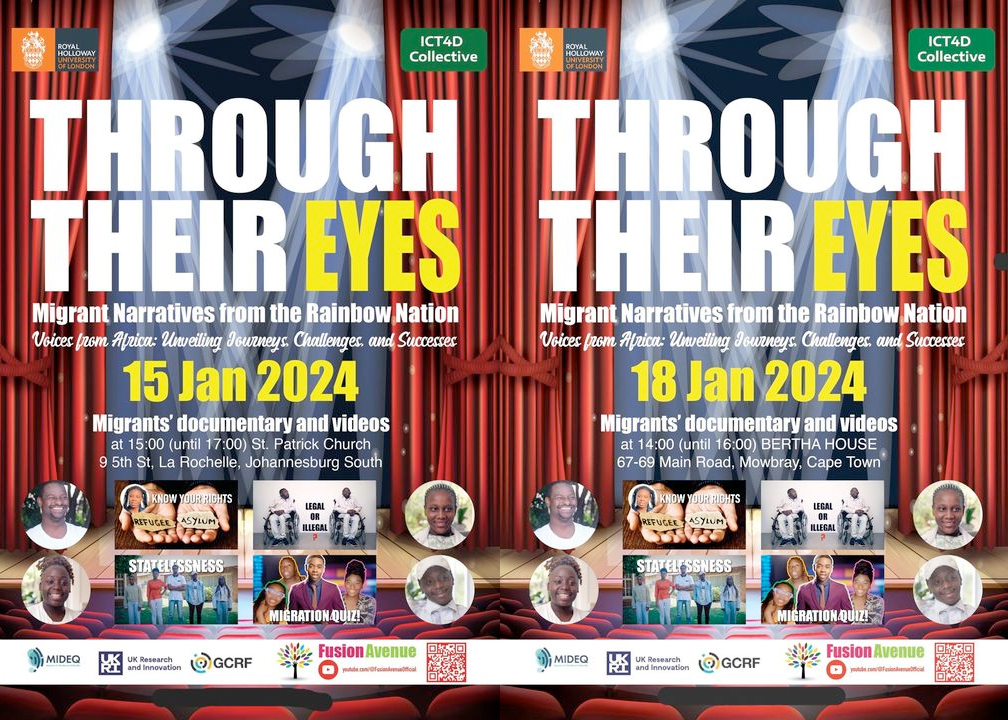
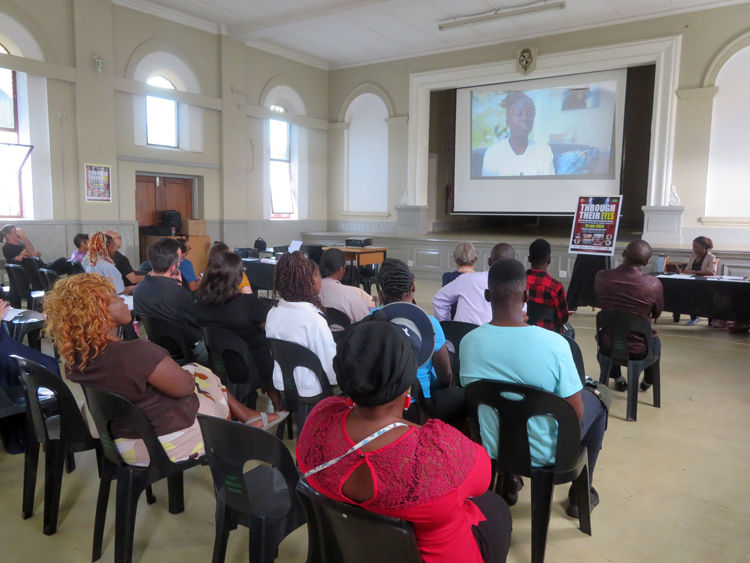
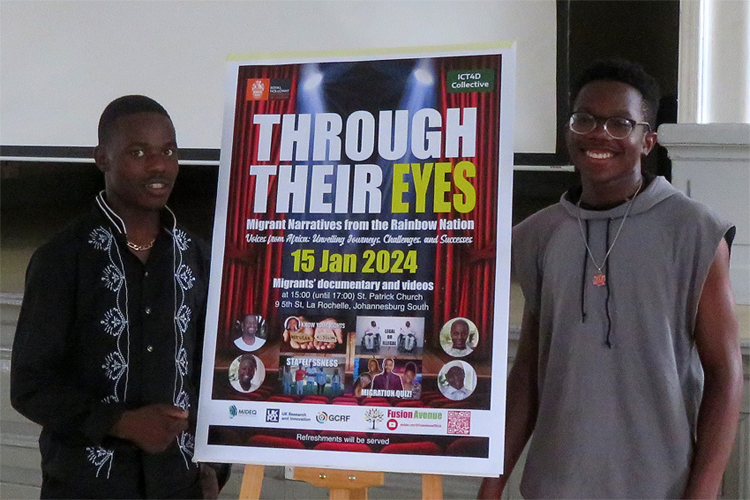
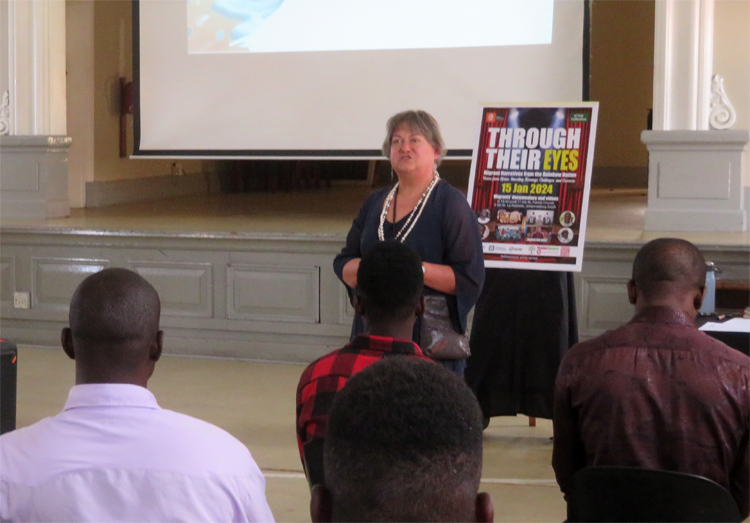
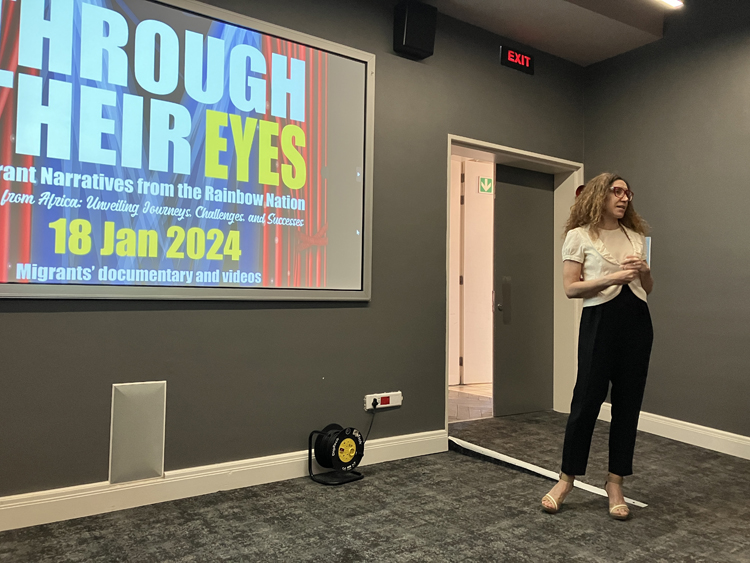
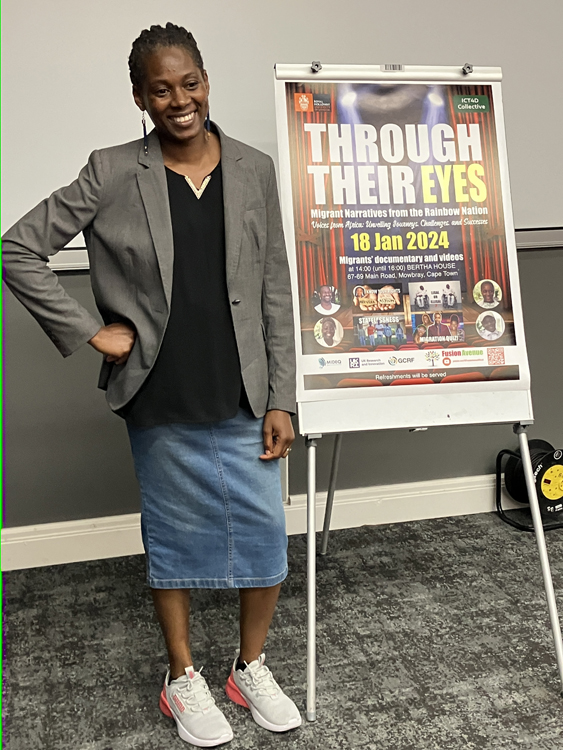
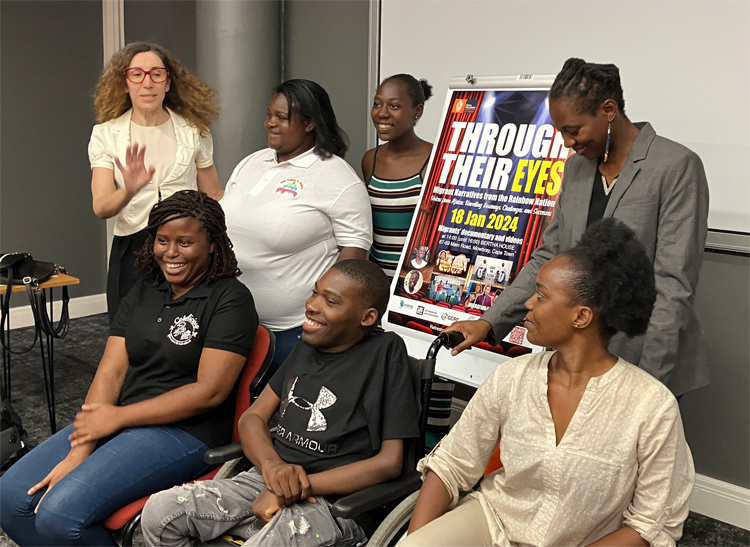
We were delighted to convene public launches on 15th January in Johannesburg and on 18th January in Cape Town for the interventions on which we have worked with migrants and migrant organisations in South Africa. The same format was followed in each location and included four main elements:
Premiere of a documentary film about the lives of the migrants with whom we have been working, entitled Through Their Eyes and produced by Simone Zanetti and Maria Rosa Lorini;
Presentation of videos made by the migrants following training by our work package, and introduction to their YouTube channel Fusion Avenue which features all the videos that they have made;
Information about the training they have been doing for others on the safe, wise and secure use of digital tech, following the training that they have received from our work package; and
Refreshments and networking.
These interventions were conceived and facilitated by the Digital Technologies and Migration work package (WP9) of the MIDEQ Hub funded by the UKRI Global Challenges Research Fund (GCRF). WP9 is led by Professor G. “Hari” Harindranath and Professor Tim Unwin CMG, with the support of Dr. Maria Rosa Lorini (who led the work in South Africa), based at the ICT4D Collective (Royal Holloway, University of London, UK). The resources were created collaboratively with migrants and organisations in both the Johannesburg and Cape Town regions, including the Scalabrini Centres in Cape Town and Johannesburg, the University of Cape Town, UNISA’s Information Systems Department, Stoneintheshoe, Rainbow Media, and SIHMA. Other organisations involved in the initiative have included Adonis Musati, Cape Town TV, Ubunti-Bethu, and JL Zwane
Johannesburg launch, 15th January
The Johannesburg launch was held at St Patrick’s Catholic Curch in La Rochelle (press release), and attracted people from the local community, migrants, universities and international organisations (click on arrows to go through the slide deck).
Cape Town launch, 18th January
The Cape Town launch was held at Bertha House, Mowbray (press release), and likewise attracted people from the local community, migrants, universities and international organisations (click on arrows to go through the slide deck).
[Click on images or links to download the relevant press release]
Events
Lalitpur
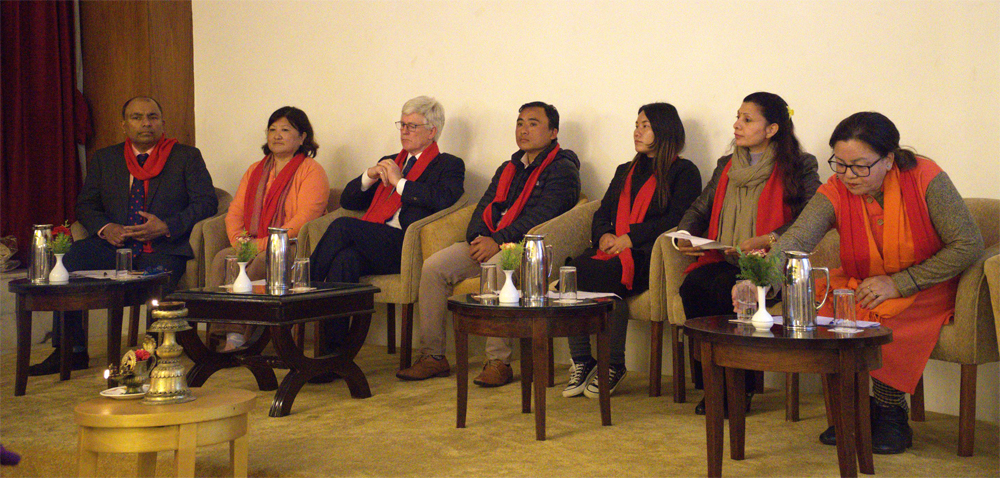
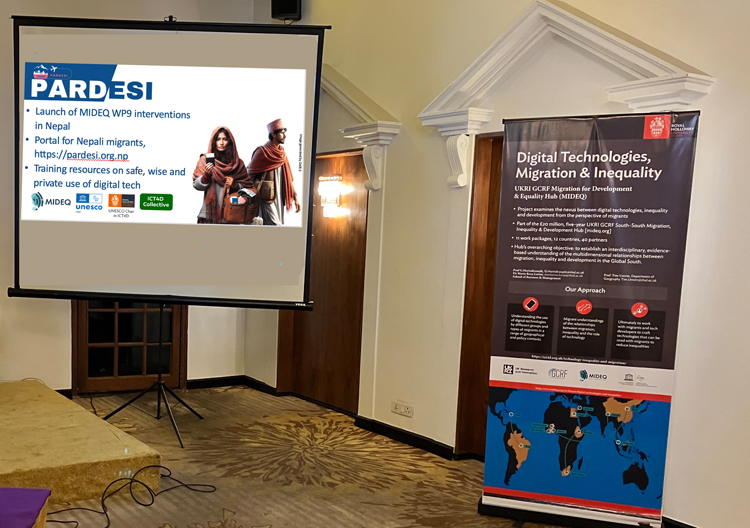
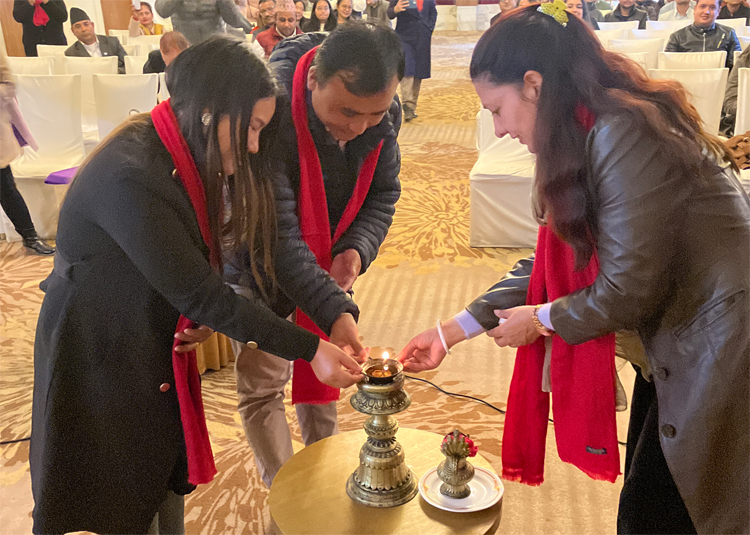
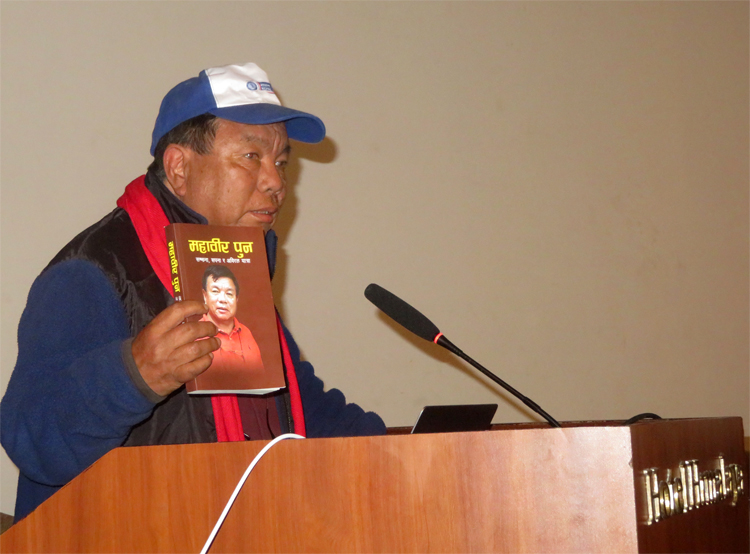
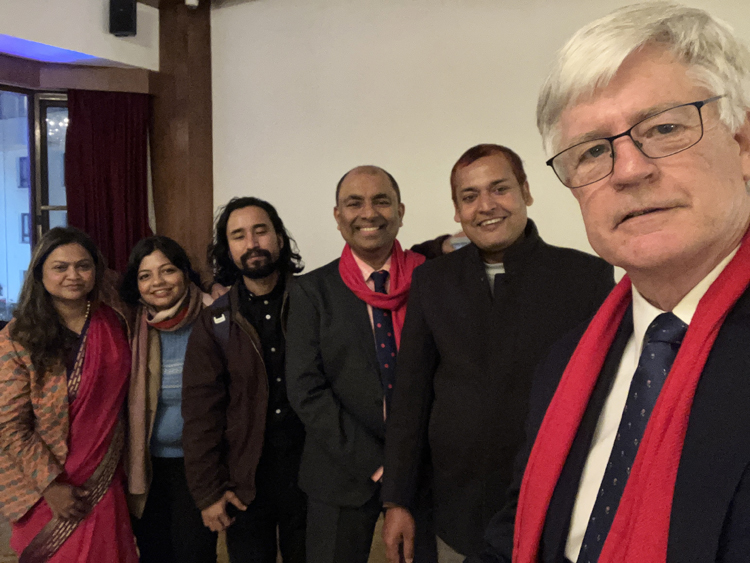
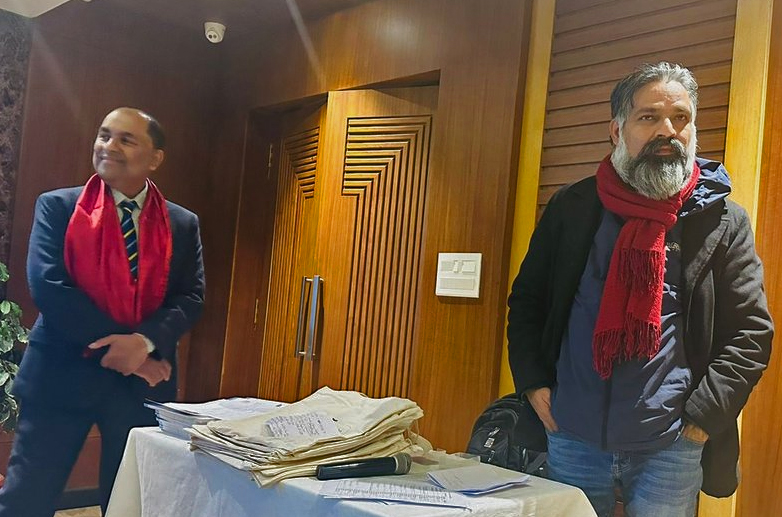
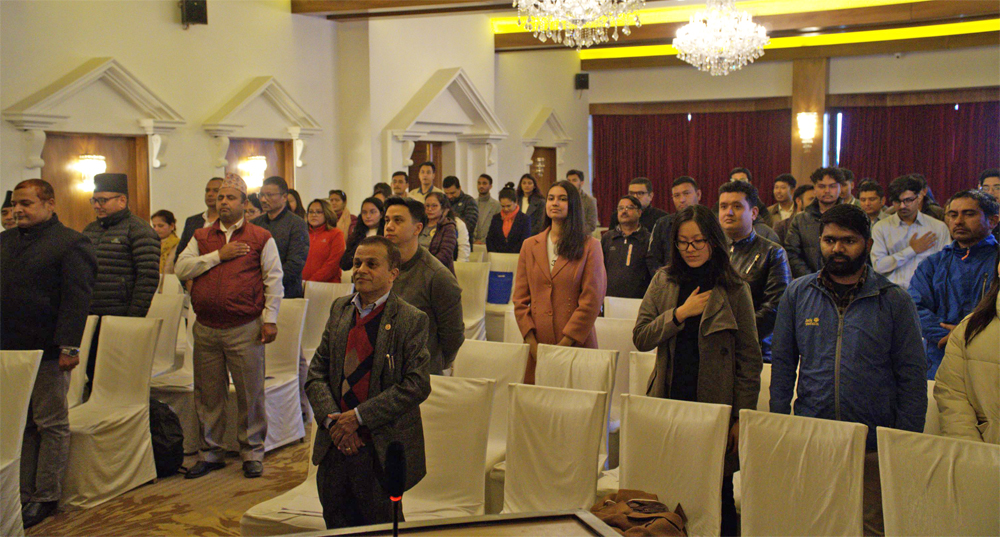
10 December 2023, Lalitpur, Nepal: The launch of the digital tech interventions for Nepali migrants facilitated by Work Package 9 of the MIDEQ Hub took place today in the Hotel Himalaya, Lalitpur. Eighty participants from government, civil society, the private sector, international organisations and digital tech students attended. The two key interventions that Hari Harindranath, Tim Unwin and Maria Rosa Lorini (from the ICT4D Collective and Royal Holloway, University of London) had helped their Nepali colleagues to create were presented: the https://pardesi.org.np portal, which is a one-stop-shop for migrants and their families to find out about all aspects of the migration process; and resources that can be used to train migrants in the safe, wise and secure (or private) uses of digital tech, which have been designed to be especially useful in the Migrant Resource Centres.

























 ICT4D Collective