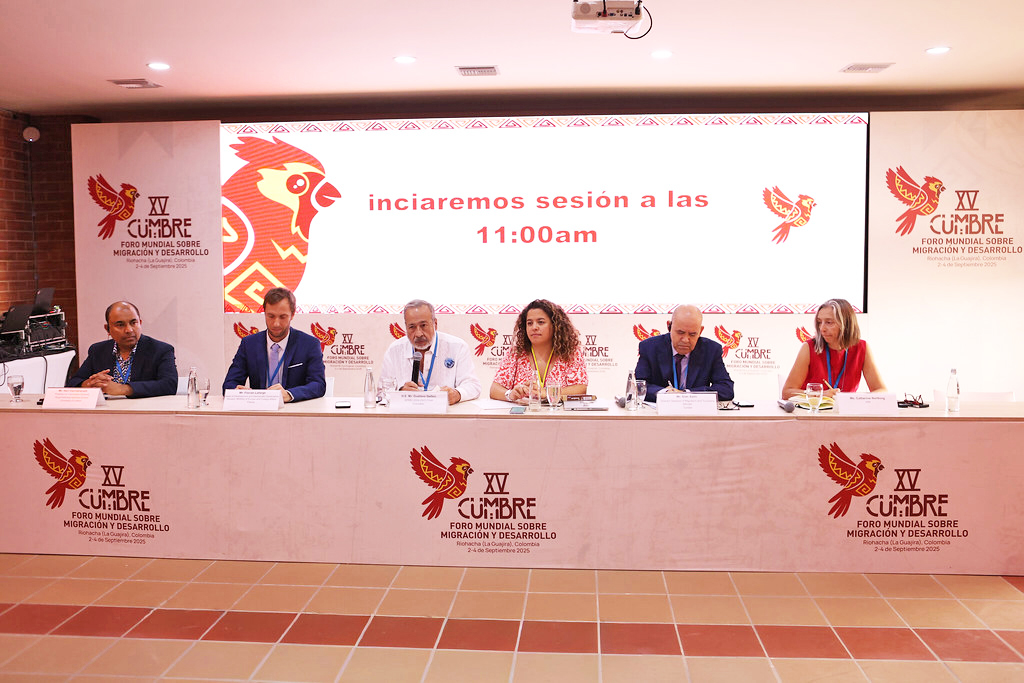
The 15th Global Forum on Migration and Development (GFMD) held between 2 and 4 September 2025 brought together in Riohacha, Colombia, more than 800 delegates representing governments, city mayors, businesses, civil society, youth and academia to exchange ideas on some of the most pressing challenges in global mobility.
The Colombia Chairship deserves huge recognition for putting together an ambitious and thoughtful programme shaping dialogue around six thematic pillars spanning mobility and women, children and young people on the move, media and culture for changing narratives, the promise and perils of new technologies, climate mobility, and the critical importance of regional cooperation and partnerships between origin and destination countries.
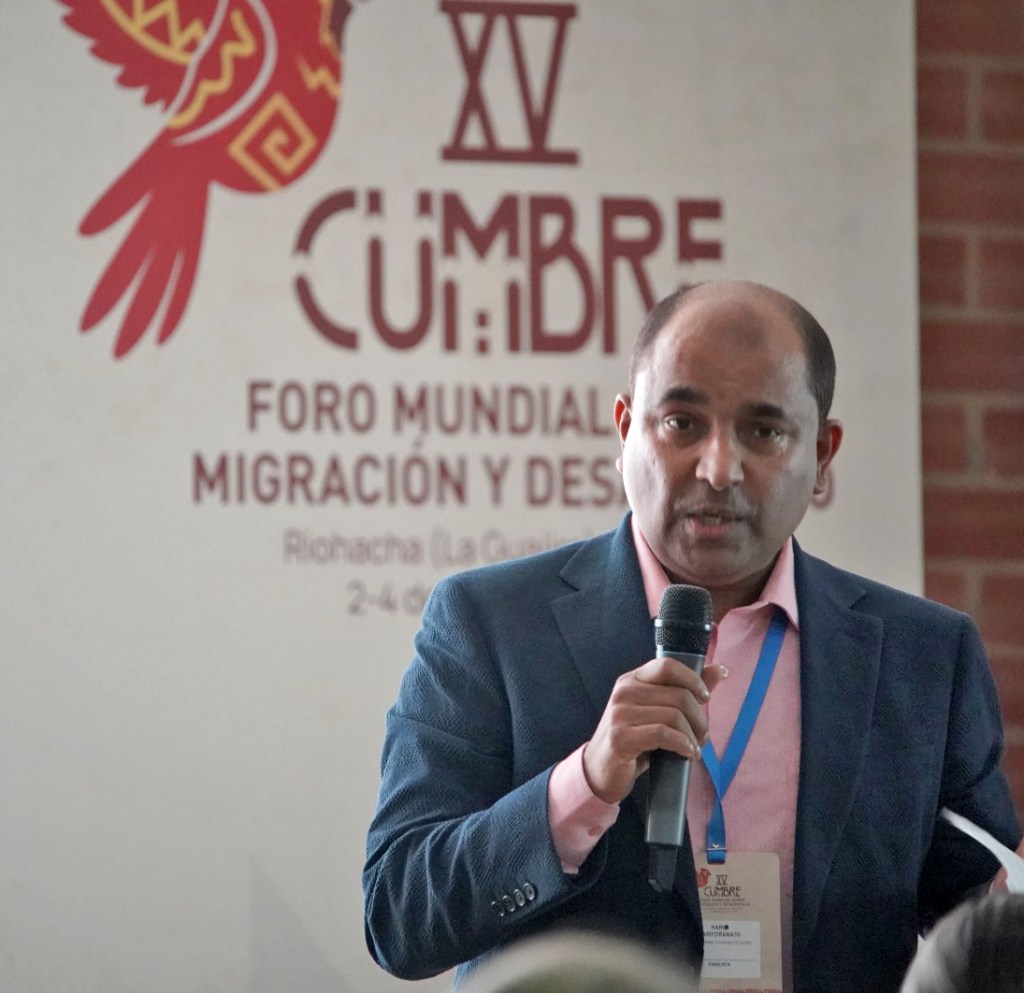
Prof. G Hari Harindranath comments that “it was a privilege to contribute remarks on behalf of academia at the session on the Future of the Summit on the final day and to speak in Round Table 6 on the digitalisation of migration management alongside colleagues from the governments of Ecuador and Georgia, the Institute of Employers, and technology and immigration services organisations”.
In the digital space, the opportunities are clear: technology can contribute to making migration safer and more efficient. But without safeguards, it can deepen inequalities. Many labour migrants already face precarious conditions, and now digital insecurity adds another layer of vulnerability, particularly so as they often lack the capacity to use digital tech safely, wisely and securely.
If we design digital systems with simplicity, accessibility, transparency, accountability and proportionality at the centre, we can then bring the benefits of digitalisation to those who are most likely to be disempowered by it. Getting it right for the most vulnerable means getting it right for everyone.
Thank you to the GFMD and for creating space for academic voices throughout this process, from the preparatory roundtables through to the summit. Evidence-based perspectives are essential in a field that is increasingly politicised and polarised, and GFMD’s unique framework is one of the few places where all stakeholders can meet together as equals.
Video content has become an essential tool for sharing experiences, information, and solutions in the contemporary world. This medium can be an especially powerful means for migrants to connect, inform, and advocate for change. Surveys, interviews and focus groups with migrants in South Africa conducted between 2020 and 2022 as part of our research-practice within the MIDEQ Hub pointed to the potential benefits that training in digital video production could have in empowering migrants, specifically for sharing their life experiences (stories), helping fellow migrants, and shedding light on issues they face. This post describes the creation and implementation of a two-week workshop held at the Scalabrini Centre of Cape Town in November 2022 in collaboration with local tech developers. This subsequently formed a model for further workshops in Johannesburg and set in motion many other activities to improve the skills of migrants (see overview of our interventions with migrants in Nepal and South Africa).
The training workshop
The first week of the workshop was theory-based, and the second focused on practical video creation techniques. Its overall aim was to uplift and empower migrant voices while prioritizing safety and security, above all for the most vulnerable people, and also to leveraged open and free resources and video optimization strategies.
Week One: building a foundation and staying safe
The initial phase of the workshop was dedicated to building a strong foundation for digital storytelling while emphasizing the importance of online safety. Participants, from a dozen Sub-Saharan African countries, gathered to learn about the critical aspects of online safety and security., noting that the nuances of digital safety are paramount, especially when sharing personal experiences or sensitive information (see their video THINK).
Participants were guided by experts who shared valuable insights into protecting their online presence while engaging with social media and digital tools. This included strategies for safeguarding our digital presence, including
adopting strong, unique passwords for each online account,
staying informed about the latest cybersecurity threats and best practices
exercising caution when sharing personal information online, and
being wary of phishing attempts and suspicious links.
Protecting our online identities, financial data, and privacy settings, and minimizing the risk of being targeted by hate speech or discrimination were also essential components of the activities. The participants were encouraged to maintain a balance between sharing their experiences and protecting their well-being.
The workshop also took participants on a journey of discovery, introducing them to the potential of digital technologies for entrepreneurship, social mobilization, and community networking (see their video on e-business). Migrants often face unique challenges in their new homes, and digital tools can provide a platform to address these issues effectively. The theoretical sessions aimed to provide participants with the knowledge and confidence to utilize these tools effectively and safely.
Week Two: turning theory into practice while staying safe and leveraging free and Open resources
The second week enabled participants to learn about some of the technical aspects of video creation. They were introduced to techniques that allowed them to create potentially impactful videos without necessarily showing themselves on camera. This was particularly valuable for those who wanted to share their experiences while minimizing the risk of being identified and targeted.
The workshop emphasized the use of free and open software and content that are readily available on the web. Tools such as CapCut were introduced to allow participants to edit, enhance, and produce their own videos without any financial barriers. This made video creation accessible to all regardless of the devices used, although paying for connectivity often remains a challenge for the migrants. From shooting techniques to sound recording, from video editing to lighting, many details were covered so that they could all create their own videos using their smartphones. Nevertheless, more sophisticated devices such as external microphones for sound quality, stabilizers, and extra lightning were also demonstrated during the training to show the difference they can make and how to replicate the same good-quality results without using any such extra equipment. The initial videos produced as training activities showed how good-quality videos can be produced simply and easily, using accessible and free software. This empowerment through knowledge and frugal technology was a cornerstone of the workshop’s philosophy.
There were three main reasons why we focused on producing good-quality video production in the workshop.
Our commitment to engaging with other organizations: This part of our work aimed to reach out to organizations working with migrants in South Africa, and we hope that the migrants trained through the workshop will go on to make videos for such organizations. High-quality videos are more likely to be shared and promoted by these organizations. A well-produced video captures attention, effectively conveys its message, and aligns with the professionalism expected by these institutions.
Anonymity: Participants learned how to create avatars or use online, free, and readily available materials to anonymize their videos, avoiding the need to show their faces in case of sensitive topics or risk of online harassment.
Cost efficiency: these techniques helped minimize production costs as there was no requirement to constantly shoot new material around the city.
The dual benefit of anonymity and cost efficiency empowered participants to share their stories in high quality video without exposing their identities and without breaking the bank.
The impact and maximizing visibility
The same philosophy applied to the strategies for maximizing the visibility and impact of these videos. Participants were taught how to create captivating thumbnails that would grab viewers’ attention, craft relevant video descriptions to enhance searchability, and use special effects to engage and entice their audiences. Most also implemented a call to action at the end of each video to generate reactions and spark discussions, ensuring their content had a lasting impact.
At the end of the two-week workshop, participants showcased their videos to their peers and mentors. The diversity of topics covered was astounding, ranging from practical advice on navigating South Africa’s bureaucracy to heart-warming personal stories of resilience and triumph. These videos were not just about sharing experiences but also about shedding light on difficult situations and inequalities faced by migrants.
These migrants were able to become advocates for change through their videos. They created videos about organizations that help migrants (such as the Scalabrini Centre), highlighted the challenges faced (see Statelessness), prepared tutorials,and suggested solutions to improve their lives (see Tips for newcomers). They brought attention to the vibrant migrant community in South Africa, fostering greater understanding and empathy among the broader population.
Low-tech production for high and safe impact
This workshop also demonstrated the power of combining digital skills with a desire to share knowledge and experiences safely and effectively. Empowering migrants through video creation enriched their lives and our understanding of the diverse tapestry of human experiences. By leveraging free resources and implementing visibility strategies, this initiative enabled migrants to share their voices and also potentially to reach a wide audience, fostering greater empathy, understanding, and positive change.
This intervention has given voice to a community that often remains unheard. It is a testament to the transformative potential of technology matched with skills development and networking in addressing the challenges faced by migrants and helping them to improve their their lives better.
The Coalition has four Focus Areas, and having participated actively in its meetings over the last six months, we are focusing our engagement primarily on the second of these: how the poor and marginalised can empower themselves through the use of digital technologies.
We are delighted to report that our pledge to Partner2Connect has now been validated. This is to advise, engage and involve Partner2Connect partners in delivering effective and empowering interventions with the world’s most marginalised people and communities.
We are offering the Coalition and its partners three main things:
An opportunity to engage directly in and contribute to our ongoing and future initiatives working with poor and marginalised communities and people who choose to use digital technologies for their empowerment. This will focus on five main areas:
Our work with migrants (especially in Nepal and South Africa as part of MIDEQ) to craft digital interventions that will reduce the inequalities associated with migration (led by Hari Harindranath and Maria Rosa Lorini)
Our work with people with disabilities, especially with our partner the Inter Islamic Network on IT throughout the Islamic world (led mainly by Akber Gardezi and Tahir Naeem)
Our work through TEQtogether on changing men’s attitudes to women and digital tech, especially in patriarchal societies (with the support of ICT4D.at, and led by Tim Unwin, Liz Quaglia and Paul Spiesberger)
Work on entrepreneurship. This has mainly been focused since 2018 in Kazakhstan and Central Asia on empowering creative local start-ups with entrepreneurship skills for growth and development (led by Endrit Kromidha)
Contributing expertise in research and practice to the further conceptual development of Focus Area 2 so that all activities are developed in accordance with the latest understanding of inclusive, equal and safe access and use of ICTsfor all. We recognise that there are many differing views about empowerment, and we relish the opportunity to engage with other partner organisations to develop shared understandings of benefit to P2C and to the world’s least connected peoples.
Offering training in empowerment theory and practice to partners within P2C. We look forward to the opportunity to engage actively with other P2C partners through workshops and other forms of tailored training to share our experiences of delivering digital interventions with and for the most marginalised, focusing especially on the notion of empowerment that lies at the heart of Focus Area 2.
We are one of the few academic entities yet to pledge commitments to Partner2Connect, and look forward to continuing to engage with and contribute to its actitivites, especially helping to ensure that the world’s poorest and most marginalised do indeed benefit from the increased global connectivity that the Coalition seeks to provide.
Please use our Contacts Page should you wish to find out more or to work with us in driving these pledges forward
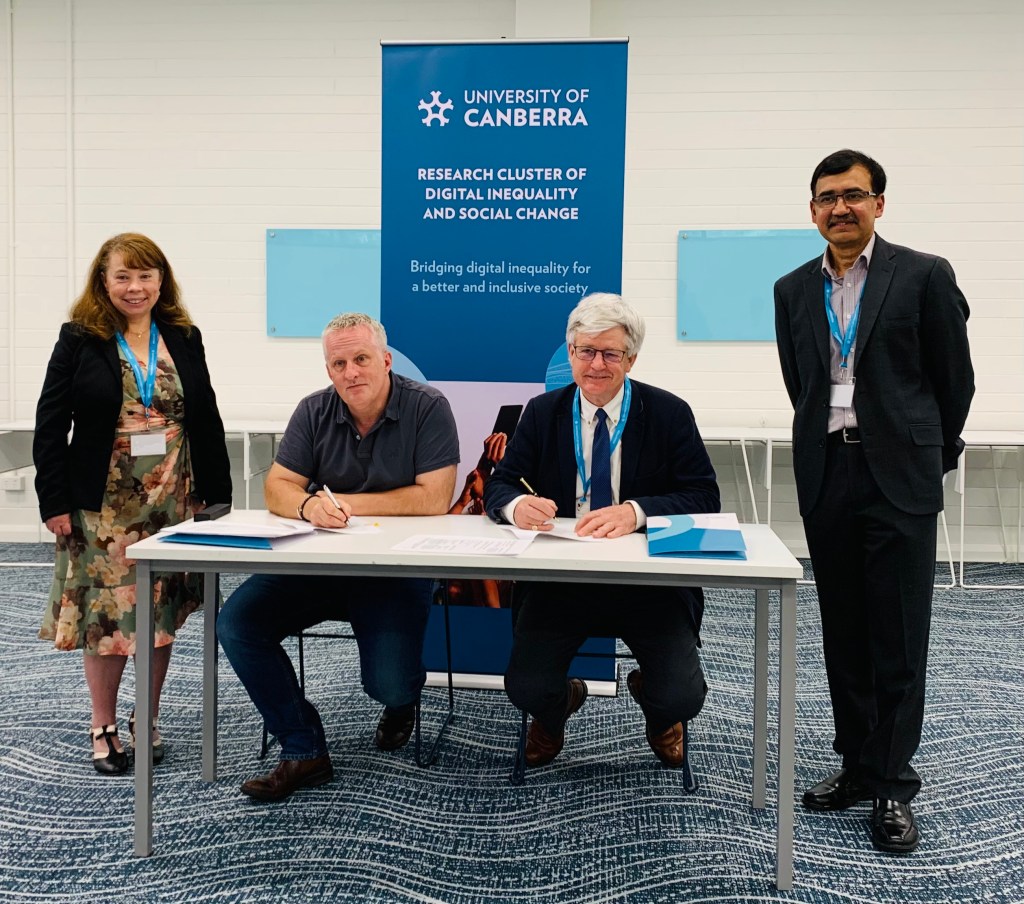
The MoU provides the basis for extensive collaboration between the two research groups, focusing particularly on:
Research collaboration
Workshop and conference convening
Research visits and exchanges, especially for early career researchers
Collaborative grant applications
Implementation of practices to reduce digital inequalities
Policy recommendations
This closely reflects the University of Canberra’s interests in developing research in the field of ICT4D, building its transnational networks, and increasing its reputation in digital inequality research and practice, while also reinforcing the UNESCO Chair in ICT4D’s commitment to crafting partnerships with cognate bodies, developing new ways to reduce digital inequalities, and developing collaborative research activities. It will also provide opportunities to build closer collaboration between colleagues from other disciplines in both institutions.
ISDISC was a hybrid event held at the Univeristy of Canberra and brought together researchers and practitioners from diverse disciplines across Australia, with many virtual contributions also coming from elsewhere in the world.
The International Symposium on Digital Inequalities and Social Change being opened by the Executive Dean of the Univeristy of Canberra’s Faculty of Science and Technology, Prof. Janine Deakin, with Dr. Ahmed Imran in attendance.Participants at the ISDISC conference held at the University of Canberra, 28th-29th March 2022
Tim Unwin’s keynote address at ISDISC on Marginalisation and empowerment: exploring digital inequalities is available here.
Members and Affiliated Members of the UNESCO Chair in ICT4D would like to take this opportunity to share these images from a nativity scene in Macau earlier this month and wish all of their friends and colleagues a happy, peaceful and relaxed Christmas. According to the Gospels, Christ was born in a stable (homeless), to an unmarried mother, and then became a refugee as his parents fled from Palestine to Egypt. For those of us working in the field of ICT4D, it is a timely reminder of our commitment to using ICTs to serve the interests of the poorest and most marginalised, wherever they are to be found, and especially children, the homeless, minorities, and refugees.
For learn more about our work, do explore these links:
Just to note that there is a new deadline of 14th October 2016 for nominations for the 2016 UNESCO/ Jaber al-Ahmad al-Jaber al-Sabah prize for Digital Empowerment of Persons with Disabilities http://en.unesco.org/prizes/digital-empowerment – do please consider applying or suggest nominations. It is a great opportunity to raise the profile of institutional and individual successes in using ICTs to empower people with disabilities, and thereby share good practices that can help to enhance accessibility and empower people with disabilities.








 ICT4D Collective