Prof. Harindranath’s reflections on an inspiring session at ITCILO’s Academy on Labour Migration

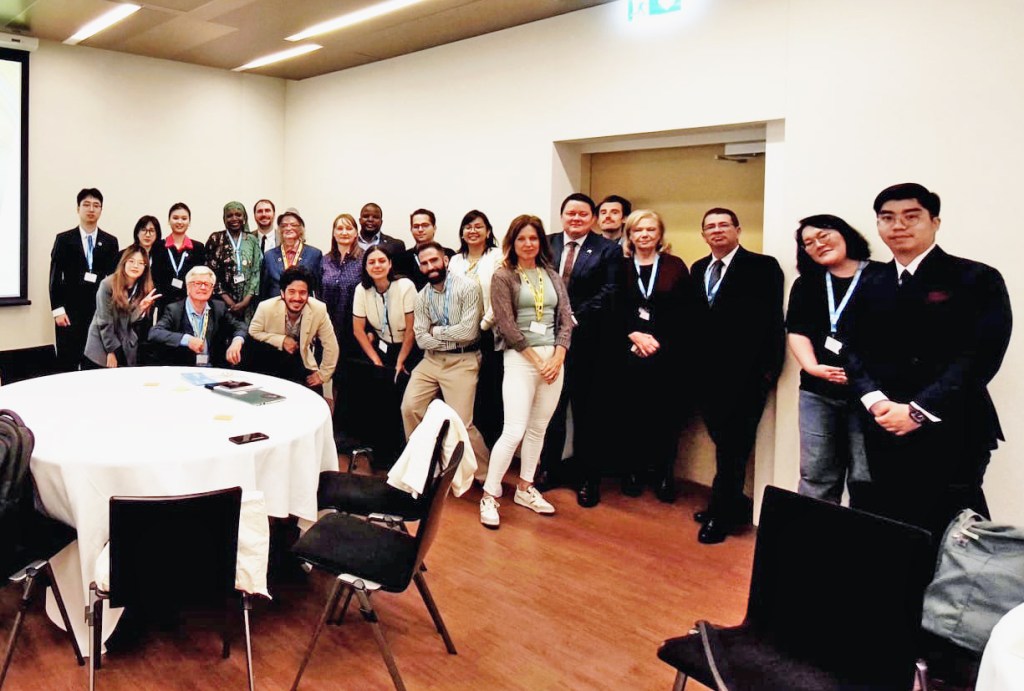
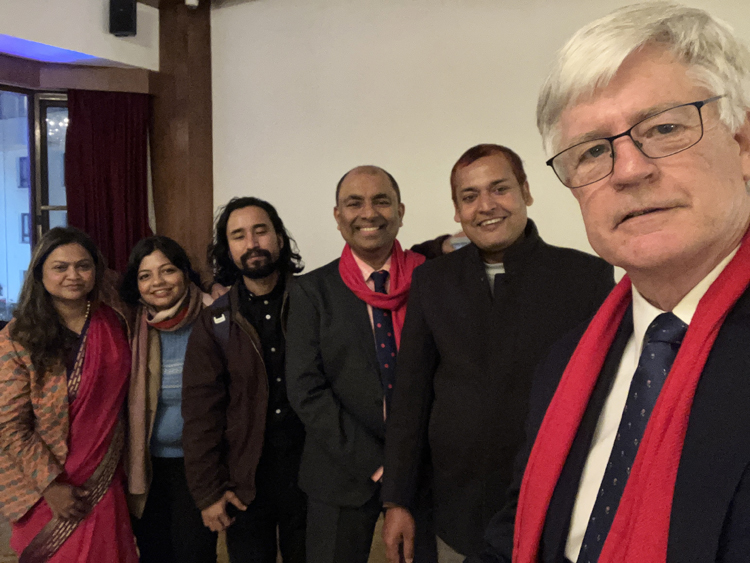
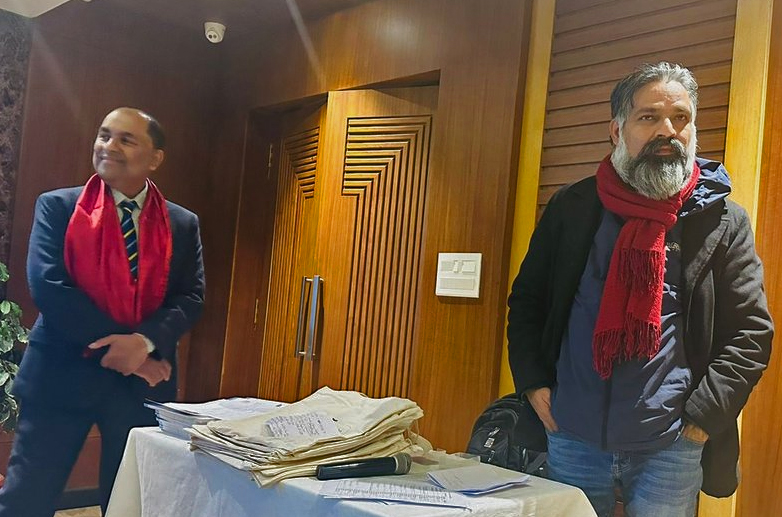
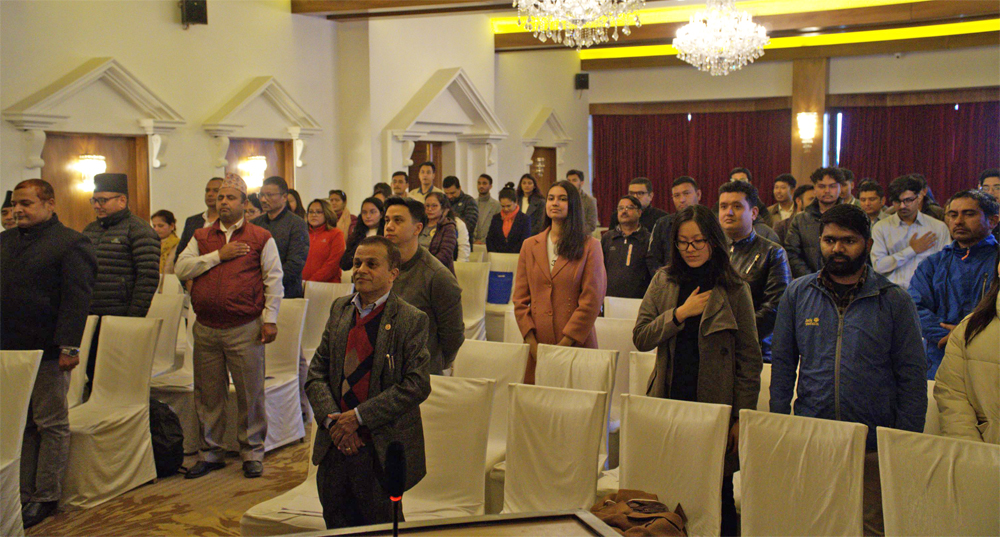
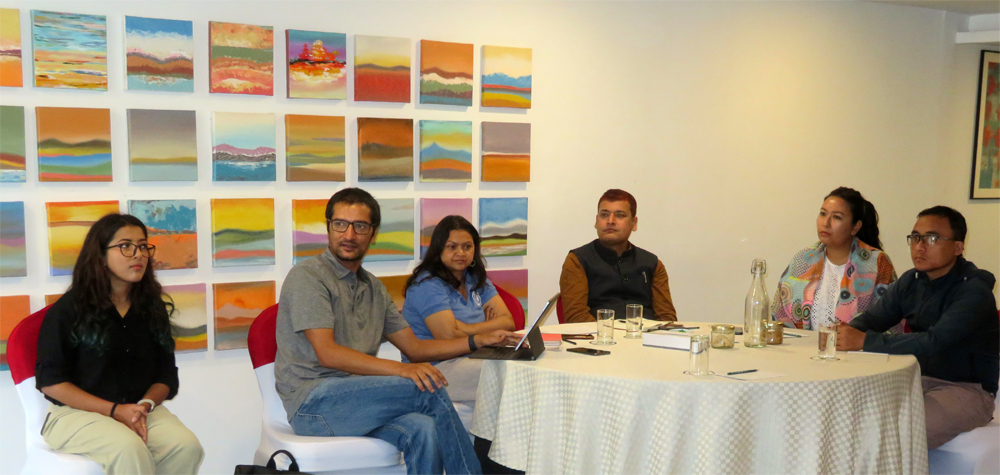
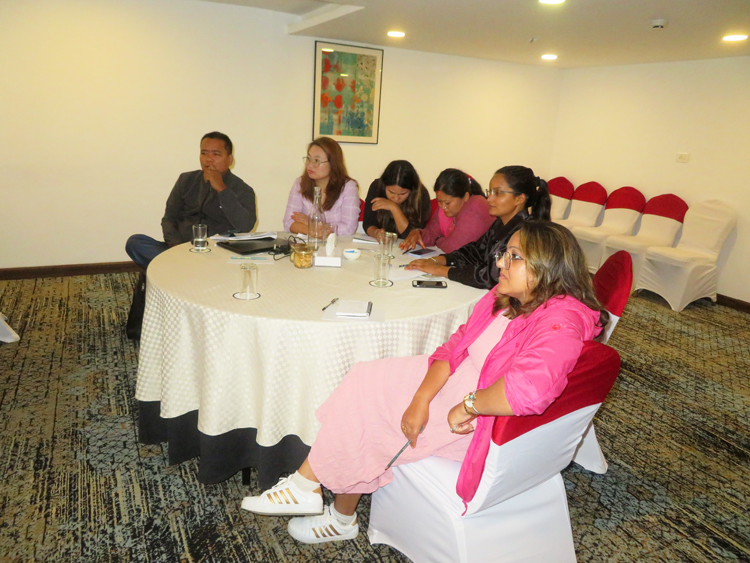
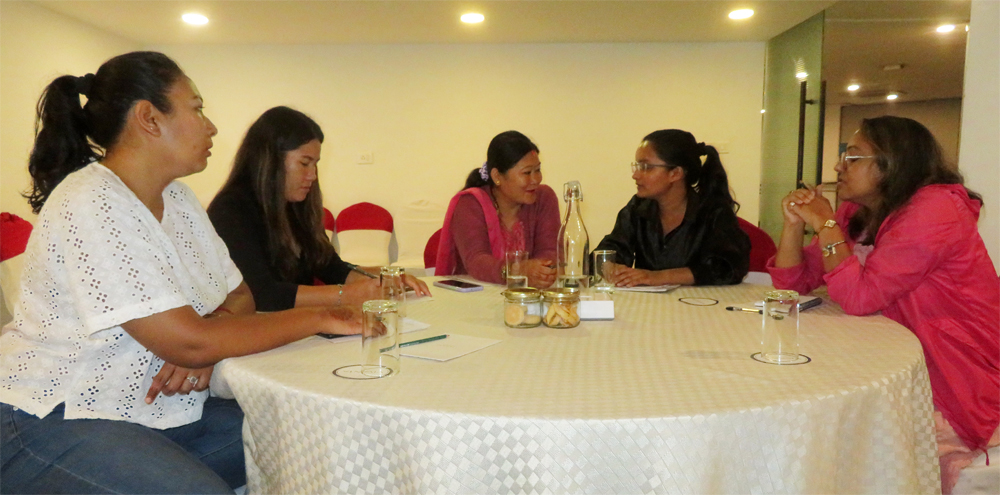
Today, I had the privilege of delivering a session titled “Digitalisation of Labour Migration Governance: Inclusive Solutions or Digital Solutionism?” at the ITCILO Academy on Labour Migration. The session brought together an incredible group of nearly 40 participants from diverse regions – Asia, Africa, the Caribbean, Pacific Islands, and Europe. This global audience included policy planners, government officials, workers’ and employers’ organisations, civil society representatives, activists, researchers, and journalists – all deeply engaged in the critical issues surrounding labour migration.

What stood out for me was the richness of the perspectives shared by participants on the role of digital technologies in this sensitive and complex domain characterised by huge power imbalances and varied digital capacities. Digitalisation of labour migration governance cannot be truly fair if it serves governments, employers and intermediaries and then disempowers vulnerable labour migrants, the very group it is meant to support. We must ensure that migrant voices are at the forefront of these efforts. Their experiences and needs are integral to shaping solutions that are equitable, inclusive, and just.

Let us keep working together to amplify and centre the voices of migrants in this important conversation.

Prof G. ‘Hari’ Harindranath

15/7/2025

Digital tech and the most marginalised: what still needs to be done?

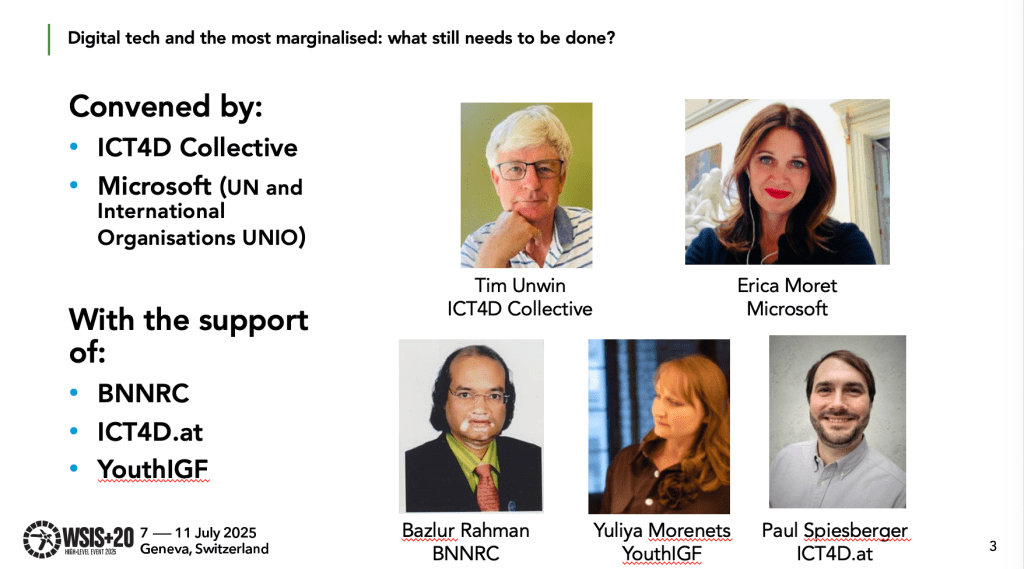
The ICT4D Collective and Microsoft (UN and International Organisations UNIO) (supported by Bangladesh NGOs Network for Radio and Communication, ICT4D.at, and YouthIGF) convened a very lively and interactive Session 360 this morning at the WSIS+20 gathering at Palexpo in Geneva. This began by recognising that digital tech will not be used successfully to deliver the SDGs (especially SDG10) by 2030, but then focused in a very positive way on what governments, the private sector and civil society can indeed do to try to ensure that the poorest and most marginalised can use digital tech to improve their lives.

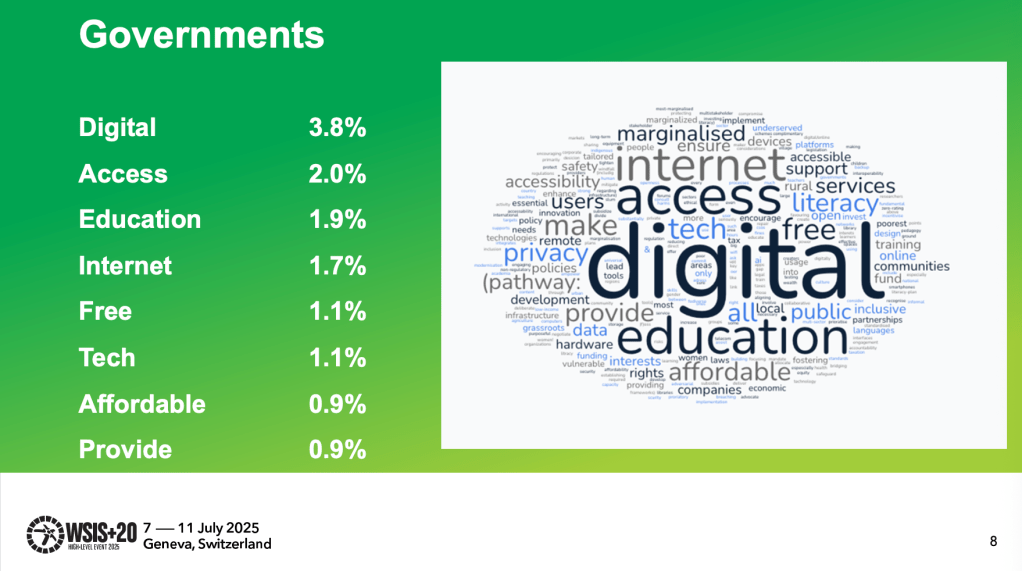
The session built on an online survey conducted in advance of the gathering to explore what people in our networks consider are the most important actions that can be done by governments, the private sector and civil society (as well as international organisations and academia). This is summarised in the slide deck used to guide the sessions (the whole deck is also available by clicking the image below).

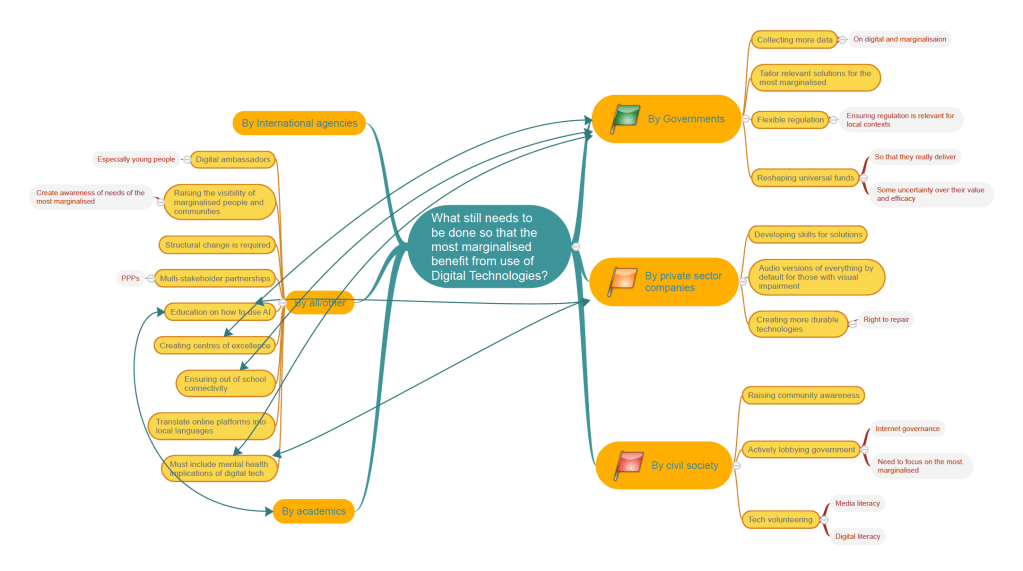
Lively introductory thought-provocations were given by Erica Moret (Microsoft), Bazlur Rahman (BNNRC), Paul Spiesberger (ict4d.at) and Yuliya Morenets (Youth.IGF), and the main focus of the session was then to create together a mind map from brainstorming by participants both in the room and also online (as well as using post-its). This generated a wide range of positive and constructive ideas for what we all need to do if we really care about helping the most marginalised use digital technologies to improve their lives. This discussion is summarised below (click on image for full sized .pdf file):

The session ended by participants re-committing themselves to doing something different in the interests of the poorest and most marginalised.

Join the ICT4D Collective at our session on digital tech and the most marginalised at the WSIS+20 High-Level Event in Geneva on 8th July

We are delighted to be jointly convening a session (306) at the WSIS+20 High-Level Event in Geneva on 8th July at 09.00 in Room L, Palexpo, Geneva. The joint convenors are the ICT4D Collective and Microsoft (UN and International Organisations UNIO), supported by Bangladesh NGOs Network for Radio and Communication, ICT4D.at, and YouthIGF.

Session Outline

The multistakeholder digital tech communities associated with the UN system seem unlikely to deliver on the SDGs by 2030, despite the efforts of those involved in developing and implementing the Global Digital Compact (2024). In particular, SDG10 on reducing inequalities remains insufficiently addressed, with much emphasis instead continuing to be placed on maximising economic growth through innovation. All too often the most marginalised, especially those with disabilities, LGBTIQ communities, women in patriarchal societies, the elderly, ethnic minorities and refugees, are in practice made yet more marginal through the adoption of the latest digital tech by those more powerful and richer than they are.

UNDESA, ECOSOC/CSTD, many other UN agencies, and the IGF process are all conducting widespread consultations about the future of “digital and development” and the WSIS Process, but these have still not sufficiently addressed the tendency for digital tech to be used to increase inequalities, rather than to address issues of inequality and equity. Our interactive session is the culmination of a consultation process during the three months before the annual WSIS Forum through which people across our different networks have contributed their ideas to what the five highest priorities should be for governments, the private sector, civil society and the UN system in creating greater equity in the use of digital tech. The findings of this process will be presented during the session, and participants invited during the session to add to the recommendations through the interactive development of a mind map on marginalization that will provide a very specific output to feed into the wider ongoing debate within the UN system about digital tech and equity.

Please make your voice heard beforehand

Everyone is invited to contribute before the session through a short (max 10 minute) online survey available at:  https://app.onlinesurveys.jisc.ac.uk/s/rhul/digital-equity-wsis2025. This will form the basis of our conversations in Geneva, and so even if you cannot attend in person please do copmplete this survey about what needs to be done to ensure that the poorest and most marginalised can indeed benefit from the use of digital tech.

DWAZ uses our resources to deliver online training on safe, wise and secure use of digital tech to 1911 of their members in Southern Africa

We are delighted to hear that the training resources on safe, wise and secure use of digital tech by migrants, originally developed in Nepal (as part of the MIDEQ Hub, funded by UKRI GCRF) and reversioned specifically for women in Southern Africa have recently been used by our good friends at the Domestic Workers Association Zimbabwe (DWAZ) to deliver training to 1911 of their members in Zimbabwe, South Africa, Botswana and Namibia. DWAZ was set up by Mendy Lusaba in 2021 (see this interview about her in Lionesses of Africa), and it has a centre in Zimbabwe that offers training in housekeeping, cooking and baking, gardening and care work. They also have a domestic worker netball team for the mental health of domestic workers. 

In January this year, we met up with Mendy in Johannesburg, where she joined the launch of our work in South Africa that had trained migrants in video making amd the safe use of digital tech, and she made the astute observation that little digital literacy training available in the region includes sessions on the safe, wise and secure use of digital tech (watch this short video where she speaks about this). Working with her and others in South Africa, we therefore reversioned our resources specifically so that they focused on the needs of women and girl migrants there, and it is great to see them being used in this way. The resources include a slide deck and guidance notes on how they can be used and adapted by trainers, and is available freely under a CC BY-SA licence. We are continuing to develop this and we are currently working in Brazil to produce a Portuguese language version that can also be adapted for countries such as Mozambique and Angola.

Everyone is vulnerable to the many harms enabled through the use of digital tech, and it is very important that these are mitigated so that people can indeed benefit from them. Women and girls in Southern Africa are particularly vulnerable to online sexual harassment, scams, bullying, being tracked, exploitation, fake news and identity theft. The training deck is designed for people with little previous knowledge about using digital tech, and includes specific guidance on how to avoid these harms. It was developed together with migrants and migrant oprganisations, and combines this practical approach with existing good practices recommended in the relevant literature. It is divided into four main sections: an introduction covering digital literacy basics, the safe use of digital tech, how to use these technologies wisely, and how to use them privately and securely, and it also includes a short list of recommendations for further reading.

Example of final slide from the training resources

Should you use these resources, please let us know and share suggestions for how they could be improved, and don’t forget to satisfy the requirements of the CC BY-SA licence so that iothers can also benefit from your work.

Our work on safe, wise and secure use of digital tech in Nepal now reaching thousands of people

We are delighted to see our recent partnership agreement with ACORAB and CIN in Nepal already bearing fruit. This was designed in part to share information about the safe, wise and secure use of digital tech, especially in remote areas of the country, as well as providing migrants with information about the new portal https://pardesi.org.np that we helped to craft with a range of migrant organisations and tech developers as part of our contribution to the MDEQ Hub.

Sajha Nepal Episode 1: Featuring Kabiraj Upreti from the Department of Labour and Occupational Safety, Government of Nepal and Aayush Pradhananga from AuraEd.

ACORAB, the Association of Community Radio Broadcasters, Nepal, and CIN, their Community Information Network, have collaboratively developed radio programmes based on some of the resources we have developed with our partners in Nepal. Two recent broadcasts show the considerable importance of community radio as a means for sharing information:

  • A Public Service Announcement developed earlier in 2024 which included a short section about safe migration had received 4,900 views on Facebook by 6th February, and its final broadcast was on 12th February. By today (14th February) it had received 5,600 views and 452 likes.
  • ACORAB also extended an invitation to several individuals that we had recommended to participate in a radio programme on secure use of information technology for safe migration, and Kabiraj Upreti from the Department of Labour and Occupational Safety and Aayush Pradhananga from AuraEd were able to participate in a recording session on 5th February. Subsequently this was aired on 7th February immediately following the Sajha Khabar news bulletin at 7 am, as part of their regular program “Sajha Nepal”, and it has also already reached over 1,000 views on Facebook, with 45 likes.

There are more than 300 community radio stations in ACORAB’s network, and these reach over 6.7 million people throughout Nepal, many of whom will have also heard these broadcaste. We are incredibly grateful to everyone at ACORAB and CIN, especially their programme manager Ayeesha Joshi, for helping to make this happen, and look forward to hearing in due course from some of those who have listened to the broadcasts about how they have changed their digital behaviours as a result.

We very much look forward to continuing our work with ACORAB and CIN, and to help them develop their broadcasting capacity, drawing on good practices globally, and optimising the use ot digital technologies.

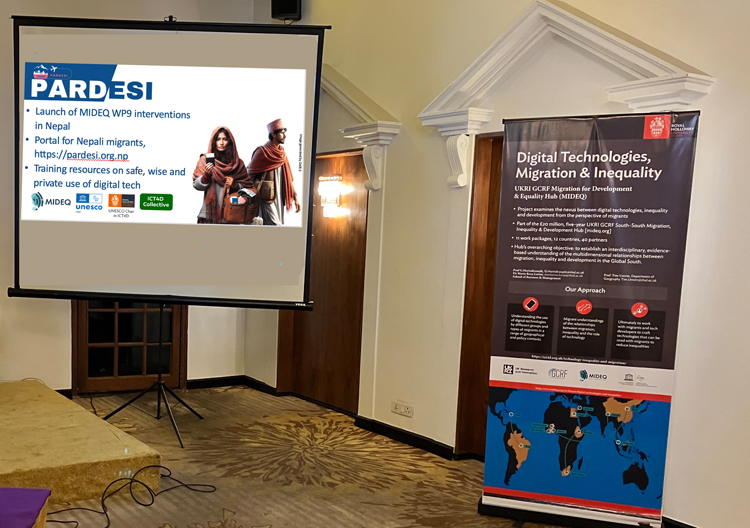
Launch of MIDEQ WP9 interventions in Nepal

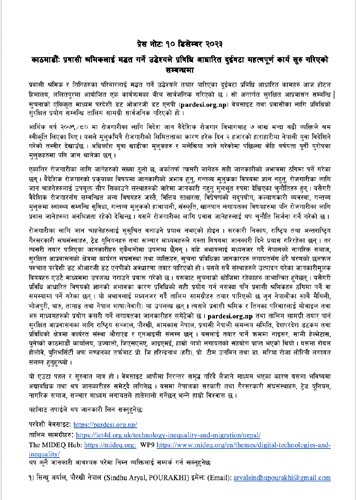
Press Releases

[Click on images or links to download the relevant press release]

Events

Lalitpur

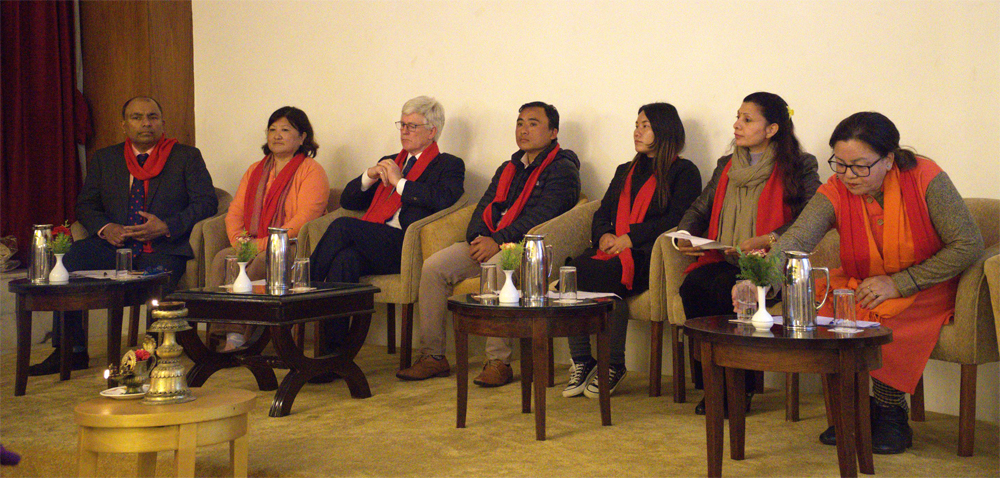
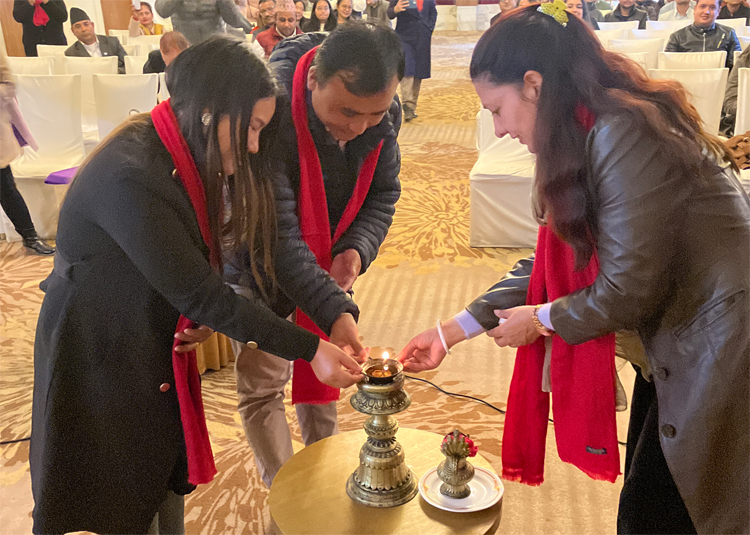
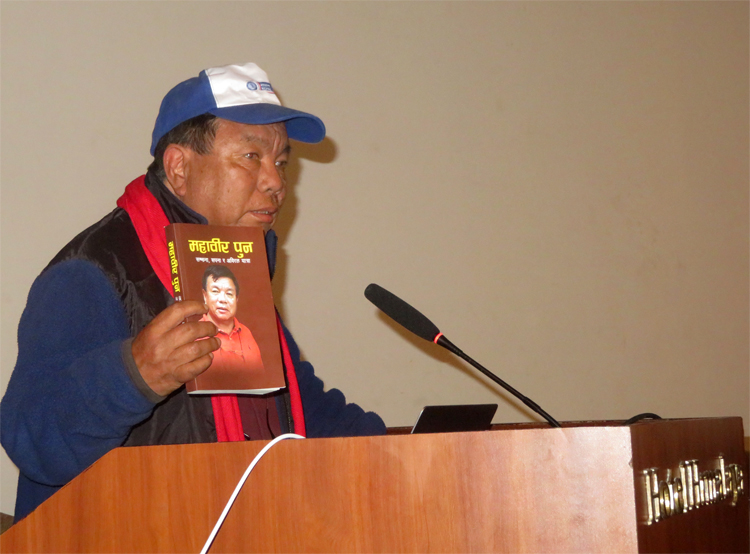
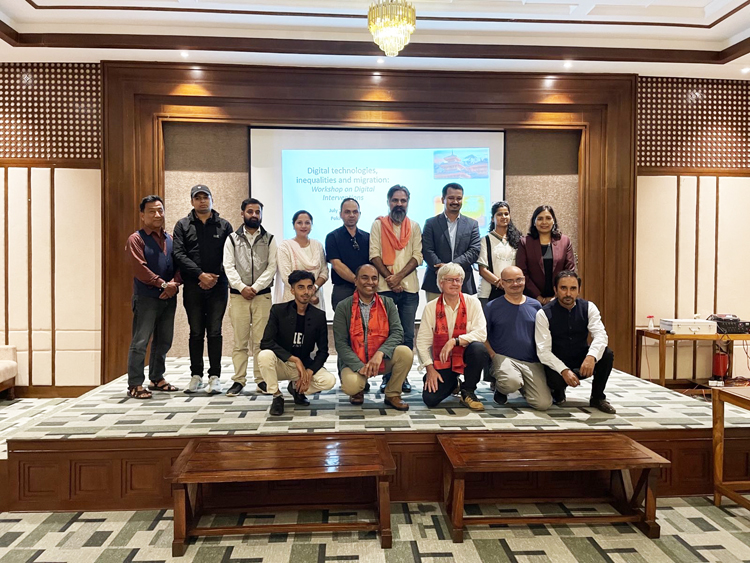
10 December 2023, Lalitpur, Nepal: The launch of the digital tech interventions for Nepali migrants facilitated by Work Package 9 of the MIDEQ Hub took place today in the Hotel Himalaya, Lalitpur. Eighty participants from government, civil society, the private sector, international organisations and digital tech students attended. The two key interventions that Hari Harindranath, Tim Unwin and Maria Rosa Lorini (from the ICT4D Collective and Royal Holloway, University of London) had helped their Nepali colleagues to create were presented: the https://pardesi.org.np portal, which is a one-stop-shop for migrants and their families to find out about all aspects of the migration process; and resources that can be used to train migrants in the safe, wise and secure (or private) uses of digital tech, which have been designed to be especially useful in the Migrant Resource Centres.

Pokhara

11 December 2023, Pokhara: Following the successful launch of the digital tech interventions for Nepali migrants facilitated by Work Package 9 of the MIDEQ Hub at Hotel Himalaya, Lalitpur, Kathmandu on 10th December, we organised a second launch event on the 11th of December, at Hotel Landmark, Pokhara. Twenty-six participants from local government, civil society, the private sector, media and digital tech students attended. Thanks to all the local support from the Pokhara Migrant Resource Centre, Nucleus for Empowerment Through Skills Transfer (NEST), Gandaki University, National Innovation Centre in Pokhara and NIC’s ICT Lab.

Resources

For further information:

The National Anthem at the opening of the launch in Lalitpur.

Press coverage

Research-practice update: Nepal, July 2023

Hari Harindranath and Tim Unwin (supported by our advisory board member Dr. Ettie Unwin) visited our colleagues and migrant organisations in Kathmandu and Pokhara between 23rd and 30th July to carry forward our work with them on crafting digital tech interventions to enhance the lives of migrants and their families as part of the MIDEQ Hub. The main organisations with which we are currently working are: AMKAS, AuraEd, Gandaki University Pokhara, GSMA, Hamropatro, Helvetas SaMi (and the Migrant Resource Centre in Pokhara), National Innovation Centre (NIC), NEST in Pokhara, NISER, NNSM, PNCC, Pourakhi, and the UNESCO Office in Kathmandu.

In Kathmandu we facilitated work in three areas:

  • Finalising details with them of a portal to bring together existing information of relevance to migrants so that they can readily gain reliable advice on all aspects of migration. There are many existing apps and websites relating to migration for Nepali citizens, not least the advice provided by the government. However, migrant organisations told us early on in our work with them that there was a real need for such a one-stop-shop, and we have been supporting them as they have been creating this portal together with local tech developers. This is due to be launched in December 2023, and the migrants also made some short videos that will be used to promote the portal in advance of the launch.
  • A second element of work suggested by the organisations was the need for basic training guidance for migrants in multiple languages used in Nepal on the safe, wise and secure/private use of digital tech. Following the development of a training programme earlier in 2023, along with guidance notes on how the slide deck can be used, migrants rquested a more basic set of information. Having produced this before our visit, we tested it out again in Kathmandu, and following some further revisions this is now being translated into relevant languages, and will also be availabe at the launch in December.
  • The visit also provided an opportunity to meet with colleagues from different organisations based in Kathmandu, primarily to explore ways through which these resources can best be disseminated, notably the Government of Nepal’s Foreign Employment Bureau, the ILO Office in Kathmandu, and the UNESCO office in Kathmandu. We are very grateful for their strong support and the advice that they have given us. It was also good to meet with Nayan Pokhrel who has led on the translation of our work, and has provide much useful information about Nepal for us.

In Pokhara, we followed a similar pattern of work including:

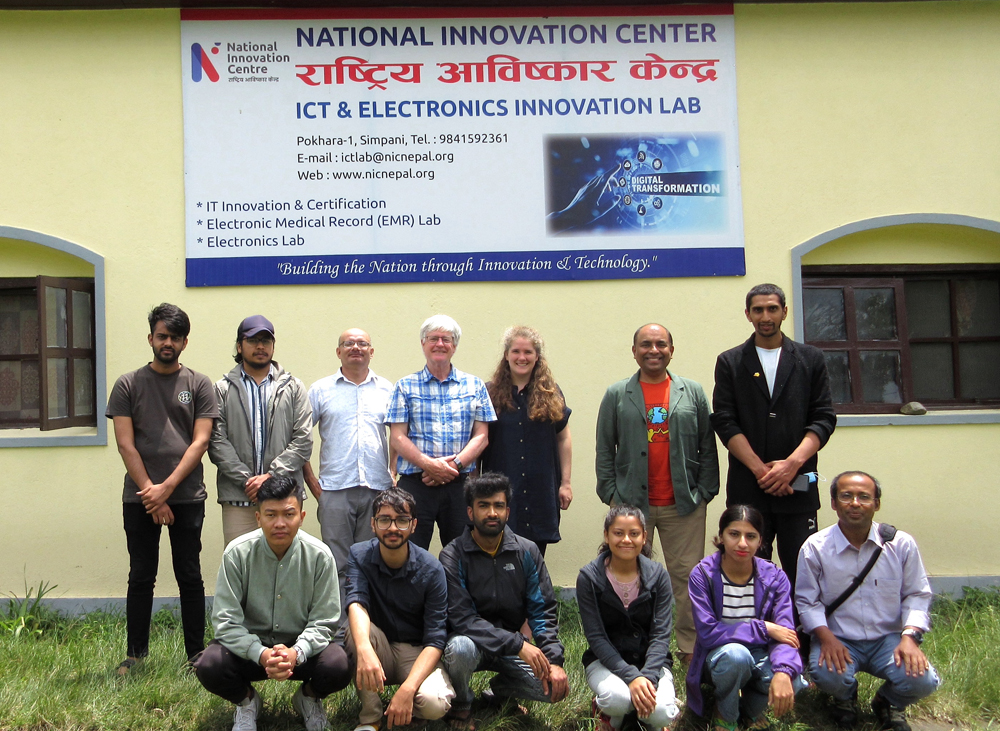
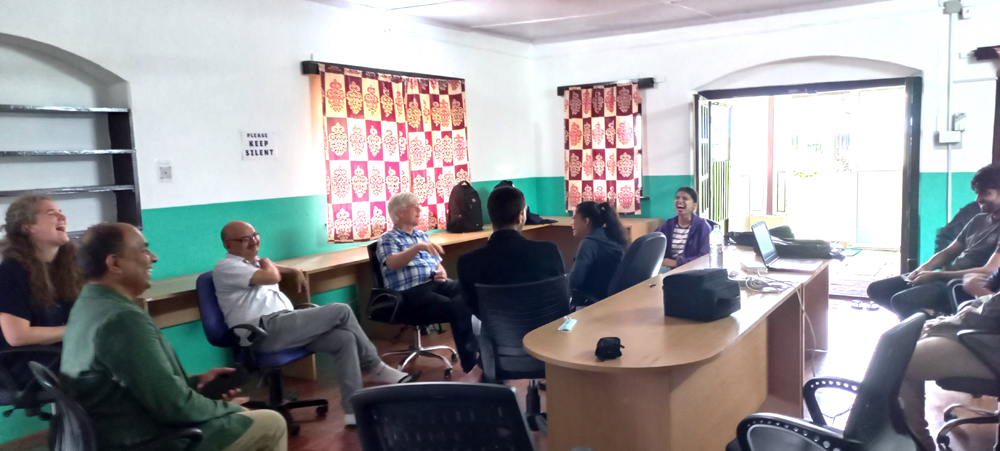
  • Meetings with our partners at Gandaki University as well as those involved in training young people in digital skills at the National Innovation Centre’s ICT & Electronics Innovation Lab, and staff at Gandaki Medical College and hospital.
  • A review session on the basic training deck we have been creating together on the safe, wise and secure use of digital tech, with colleagues from Gandaki University, the MRC in Pokhara, and NEST in Pokhara.

We were also grateful to have an opportunity to see some of the wealth of cultural heritage of Nepal, especially around Patan Durbar Square and Kathmandu Durbar Square which have been so lovingly restored after the earthquake of 2015.

Digital Crowdsourcing and Inclusion in Global Food Markets

Volume 2      Issue 10      October 2017

The OECD suggests that regulations and the industrialisation of agriculture have contributed to both economic growth and poverty reduction. However, with time, regardless of the higher connectivity and spread of ICTs, many people have become more detached from the land and from the farmers who cannot yet be replaced by machines. Many such farmers are still living in poverty in the Equatorial belt, although some of their exotic products such as coffee and cocoa are sold at premium prices in supermarkets in the richer countries.  A rethinking of digital platforms and ICTs could help to re-establish the relationship between consumers and farmers in global food markets.

The idea of using ICTs in agriculture for development is not new. The FAO (Food and Agriculture Organisation) has always had a keen interest on ICT Uses for Inclusive Agricultural Value Chains.  e-Agriculture also undertakes valuable research and policy work on ICT for sustainable agriculture and rural development. Kiva Labs has identified three problems where crowdsourcing can help: flexible credit, access to market infrastructure, and training. However, for a better understanding of ICTs for inclusive innovation in global food markets the focus needs to shift away from countries and regions, and towards entrepreneurs, the farmers and their interests.

Crowdsourcing is often presented as a mean for entrepreneurs to access resources from the many, the crowd. In agriculture it can help farmers to access capital for growth, innovation and better access to global food markets, and also improve collaboration with customers, suppliers and partners. Patch of Land, a real estate crowdsourcing platform promotes projects like Athena Organic Farm + Eco-Retreat in Canada as setting the stage by businesses offering a farm-based experience rather than only products, expanding into the digital space through crowd social entrepreneurship and innovation. But can farmers from developing countries harness the power of digital crowdsourcing to come closer to global food markets and consumers?

In developing countries such as Indonesia, the idea of crowdsourcing has been seen particularly positively. While several international crowdsourcing platforms offer global mutual programs, Indonesia has various local platforms in the Bahasa language. Some of them focus on a particular issue such as health (WeCare.id) and  culture (GerakanSejutaBudaya), while others focus on important general social issues supporting personal or social creative issues (GandengTangan, KitaBisa). Some of the crowdsourcing platforms are even available in applications from smartphones, making them more reachable.

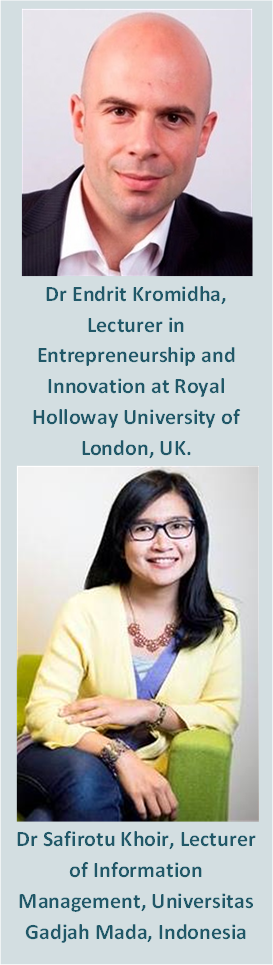
In a pilot study conducted for this Briefing we decided to focus on two initiatives in Indonesia. First we examined BigTreeFarms a sustainable agriculture U.S. company sourcing organic cocoa, coconut and other ingredients for their products sold in global markets. Talking with their Head of Corporate Quality, Food Safety and Management, it was clear that one of their key challenges is educating their 10,000+ local farmer partners about organic food producing standards and ensuring that such practices are followed. Second, we spoke with GandengTangan (meaning ‘Hand-in-Hand’). This is a relatively new crowdsourcing platform designed to help individuals and Small and Medium Enterprises (SMEs) in Indonesia to secure funding for growth and better access to local and global markets. Testimonials from successfully-funded projects on the platform show that the scheme has provided new hope to expand businesses in a different way. The two case studies lead us to ask whether the micro-crowdsourcing model and the large sustainable farming investment model can be combined together for a more integrated system.

Regardless of the many crowdsourcing initiatives and inclusive innovations in developing countries, few farmers use and leverage ICTs to expand their skills and gain better access to funding and global food markets. The challenge for crowdsourcing platforms in developing countries is not only to link the global crowd to fundraisers, but also to educate and mentor both parties to collaborate better in the international market arena. Further consideration of important aspects such as local culture, contexts, and trust, as well as useful training or mentoring that might help support them including language, global marketing, farming entrepreneurshis, information and financial literacy is necessry. There is much that ICTs can do, but further research is needed in this direction.

Digital Innovations for Financial Inclusiveness

Volume 1   Issue 2   November 2016

Digital innovation is often seen as something that does not happen in developing regions, because, so it is argued, radical innovations require advanced resources, considerable finance and the right infrastructure, which can only be managed by large organisations that are absent in developing regions. However, digital innovations for financial inclusiveness in developing countries have the potential to change this perspective.

Collaborative entrepreneurship financing is one of the areas where technological advancements in ICTs, social capital and economic capital can be combined to bridge inequalities in the global digital economy.  Safaricom’s M-Pesa in Kenya for example offers peer-to-peer transfer options comparable to what banks in developed countries have traditionally done.  BKash in Bangladesh is similar, allowing users to transfer money or make payments using their mobile wallets or agent shops. Such solutions do not try to replicate what already exists in developed countries, but they build on what is available in emerging economies: a high level of mobile penetration without many smart devices, strong social capital links and local cultures.
The traditional model in developed countries where payments are effected using a debit card, a credit card, a PayPal account or mobile payment apps all connected to a bank account does not work in cash-based emerging economies. In these regions only 3% of the population uses digital payment options  according to a report on ‘Digital Finance for All – Powering Inclusive Growth n Emerging Economies’ by McKinsey Global Institute (2016). Yet, from the same report referring to the World Bank’s Financial Inclusion Index (Findex), digital transactions between developed and developing regions are expected to be balanced by 2025 thanks to the use of low-cost mobile technologies for financial inclusion, expecting 91% of adults in emerging economies to have access to some form of financial account compared to around 55% today.

Differences in digital innovations for entrepreneurship financing and inclusiveness in emerging economies deserve more attention from researchers.  Those looking at crowdfunding, for example, need to explore hybrid models between, for example, the Village Fund by the Government of Thailand matching locally-sourced donations, and mobile wallet solutions. Research on platforms such as Kickstarter for reward-based crowdfunding in the USA, or Kiva, a US-based charity for micro-finance for development might be a good starting point, but they do not explain why similar platforms in emerging regions such as Idea.me in Latin America, DemoHour in China or Zoomal in Arab countries do not have the same popularity despite serving larger regions. Does “culture” matter in these circumstances?

Today we live in an increasingly cashless society. Transactions are becoming streams of information transferred and secured via digital devices and big data analytics is putting increasingly more value on information produced in networks. Exploring synergies using existing ICT infrastructures, embracing differences between developed and developing countries without necessarily trying to change them, promoting open and inclusive innovation and redefining financial inclusiveness beyond money could all really bridge gaps in the global digital economy.
Background and collaboration opportunities

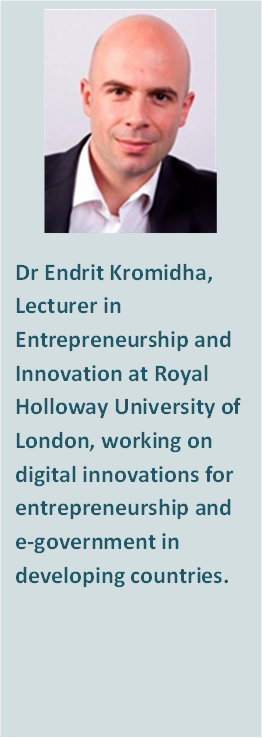
Since 2014 I have been researching on crowdfunding platforms for entrepreneurship in an international context, publishing with Prof Paul Robson in Entrepreneurship and Regional Development on ‘Social identity and signalling success factors in online crowdfunding’ , and presenting comparative studies in international conferences like eChallenges 2015 or LAEMOS 2016. To understand and addresses current changes, closer collaboration between multidisciplinary researchers, businesses and policy-makers working on ICTs for development is necessary. I am currently exploring a research project proposal on digital innovations and ICT solutions for entrepreneurship in emerging economies, which builds on the UNESCO Chair in ICT4D’s network of organisational partners such as ITU, UNCTAD, and the British Council, as well as connections with researchers and practitioners in Central Africa, North Africa, Latin America and South-East Asia. I would welcome collaboration with researchers and practitioners working on digital innovations for financial inclusiveness and entrepreneurship in developing countries. It would be good to explore this topic together as well as the broader scope of our work at the UNESCO Chair in ICT for Development at Royal Holloway University of London.