
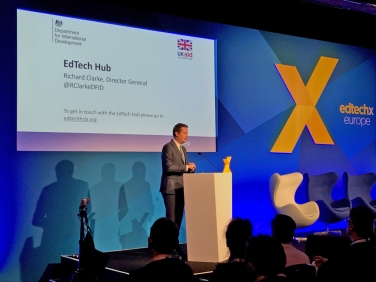
 Richard Clarke, Director General for Policy, Research and Humanitarian at the UK’s Department for International Aid (DFID) announced today that a consortium involving Dr. David Hollow and Tim Unwin, both from our UNESCO Chair in ICT4D, has been awarded the contract to lead its new £20 m research and innovation hub on technology for education. This will explore how the world’s most marginalised children and young people can learn best through the use of new and innovative technologies. The members of the consortium are the Overseas Development Institute, the Research for Equitable Access and Learning (REAL) Centre at the University of Cambridge, Brink, Jigsaw Consult, Results for Development, Open Development and Education, AfriLabs, BRAC and eLearning Africa. David will serve as Research Co-Director and Tim as Chair of the Intellectual Leadership Group.
The new Hub aims to undertake and promote the highest quality of comparative and longitudinal research at the interface between technology and education, and then share the findings widely so that everyone is better aware about how technology can best serve the learning interests of the poorest and most marginalised. This builds in part on the UNESCO Chair in ICT4D’s long established experience on technology and learning, dating back to Tim’s leadership of the UK Prime Minister’s Imfundo initiative (2001-2004) creating partnerships for IT in education in Africa, our DelPHE and EDULINK funded collaboration with African universities, the wider work of the World Economic Forum and UNESCO Partnership for Education initiative between 2007 and 2011, and the cohort of PhD students doing research at the UNESCO Chair in ICT4D on technology and learning in Africa in the latter 2000s , including David Hollow and Marije Geldof.
We are all very excited to be a part of this new initiative, which will be the largest ever education and technology research and innovation programme designed specifically to improve teaching and learning, especially in poorer countries. It is a clear example of the ways through which research undertaken within the UNESCO Chair in ICT4D is having real global impact, and is the second £20 m grant to have been awarded to consortia that include members of the Chair in the last six months, the other being the UKRI GCRF South-South Migration, Inequality and Development Hub.
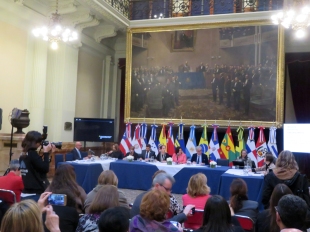 The Forum of Minister and Secretaries of Culture was held in the very impressive Congress of the Argentine Nation, and provided an excellent opportunity for senior government officials from across the region to share presentations and discuss the theme of Libraries, Access to Information and the Sustainable Development Goals. Welcoming participants, IFLA President Glòria Pérez-Salmerón reminded them of the theme of her presidency – Motors of Change – and underlined the difference that libraries can make, for so many people, in so many ways. IFLA Secretary-General Gerald Leitner stressed to the ministers of the power they had in their hands, and made the case for ensuring that they – and libraries – are included fully in national development plans. A key outcome of the meeting was the signing of the
 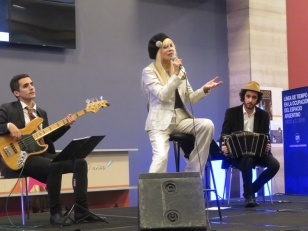 A dance performance in two parts by the Arte Ballet Compañía: the Don Quijote suite, and Tiempos de Tango, with ideation, choreography and direction by María Fernanda Blanco.
 nergies using existing ICT infrastructures, embracing differences between developed and developing countries without necessarily trying to change them, promoting open and inclusive innovation and redefining financial inclusiveness beyond money could all really bridge gaps in the global digital economy.
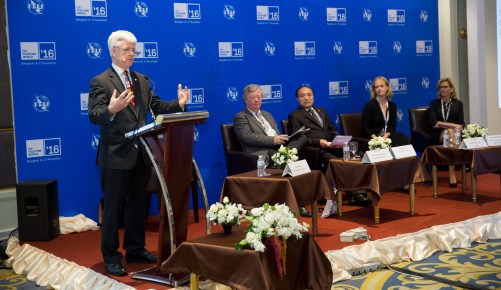
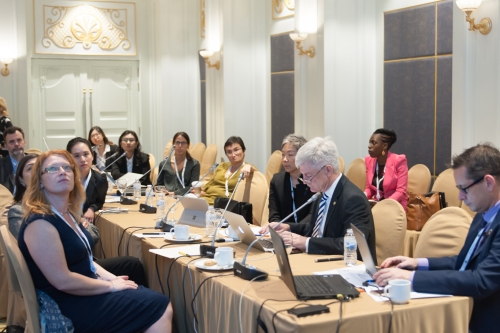
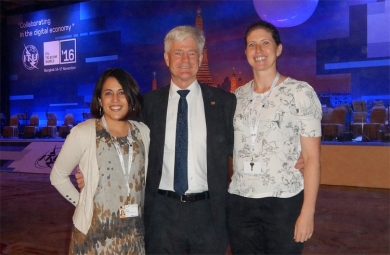 The UNESCO Chair in ICT4D featured prominently at the ITU’s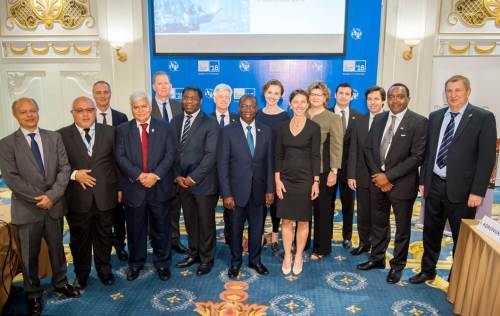
 ICT4D Collective