

Tim Unwin visited Cape Town between 23rd and 30th August to carry forward our work led by Maria Rosa Lorini with migrants in South Africa as part of the MIDEQ Hub. This visit focused especially on dissemination, monitoring and evaluation, and training skills, but it also provided an excellent opportunity to work with other colleagues in MIDEQ from the South African lead team at the University of Cape Town (UCT) and also the work package on creative resistance and well-being from the University of Glasgow
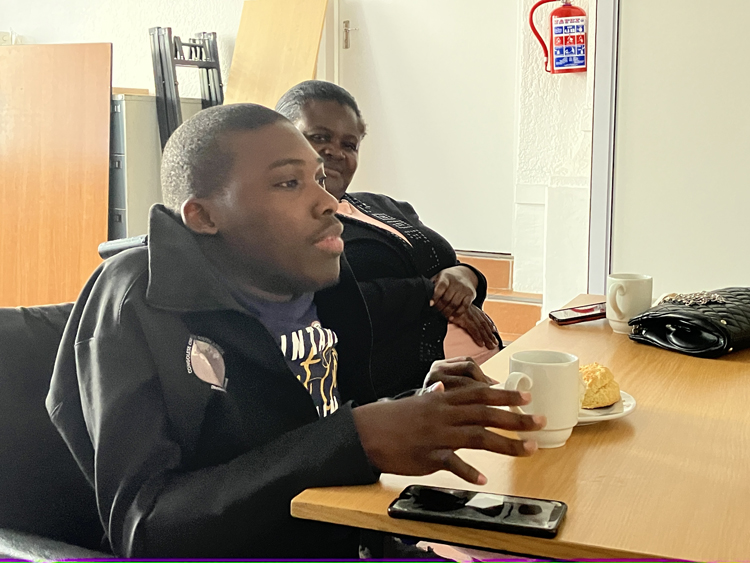
We held two workshops at the Scalabrini Centre of Cape Town with the group of migrants who have been trained in video production and in the safe, wise and secure use of digtital tech through our MIDEQ intervention. The first of these concentrated on ways through which these videos can be disseminated more widely, as well as the importance of rigorous monitoring and evaluation for us to understand the impact of these videos. Key ideas to emerge from the workshop were: that it is better to produce something of, say, 60% quality, rather than aiming to produce something of 95% quality but failing to deliver anything; the ways that short videos on social media platforms such as Instagram and TikTok can be used to direct other migrants to their Fusion Avenue videos on YouTube; and the need for individuals in any loosely knit organisation to take responsibility for some aspect of its work. We also explored the top five tips on Instagram success that Michelle Carlin had suggested.

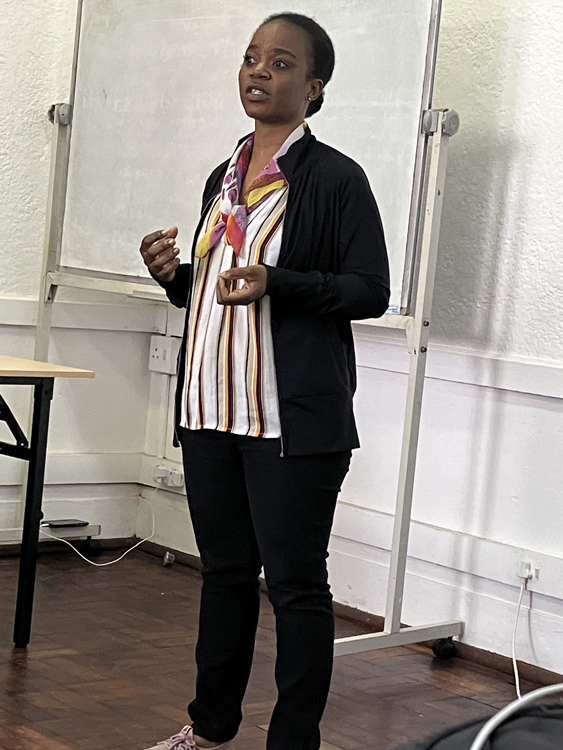
The migrants had recently held a training workshop on safe, wise and secure use of digital tech for other migrants at Rugby, and so our second workshop was to draw out lessons from this and provide them with additional advice on how to train others. This involved them in delivering short training segments and having feedback from each other on what went well and what aspects they might try to improve.




As part of our dissemination strategy and in order to help make our work sustainable beyond the duration of funding from the UKRI GCRF, we also used the opportunity to have very productive practical discussions with organisations working at the interface between migration and digital tech about ways through which the migrants’ skills in video production could be used to make further videos for these organisations in the future. Among the organisations with whom we explored future collaboration on a range of modalities are the Scalabrini Centre of Cape Town, the Adonis Musati Project, the University of Cape Town’s Refugee Rights Unit, Cape Town TV, Phillipi TV, Africa Unite, Ubunthu-Betu in Samora Machel and JL Zwane in Gugulethu.

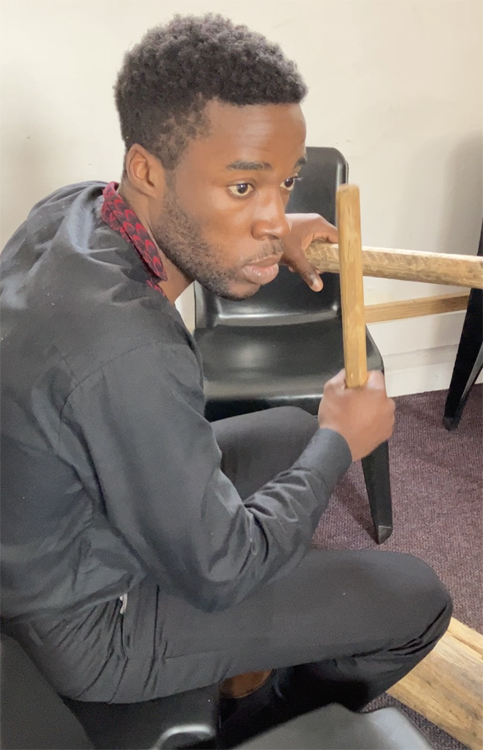
Finally, this visit provided an excellent opportunity to work together with colleagues from other work packages within MIDEQ, namely our South African country lead team ked by Dr. Faisal Garba at UCT, and Dr. Gameli Tordzro from the Univeristy of Glasgow. Gameli is a highly engaging and charismatic artist and musican whose research is in creative arts and translating cultures, language and education with a focus on African diaspora music, video film production, story and storytelling. He was in Cape Town working with about 25 migrants at Africa Unite to weave a story in words, music and culture about the experiences of African migrants, and it was truly humbling to watch them develop their very moving collective story and performance.







 ICT4D Collective