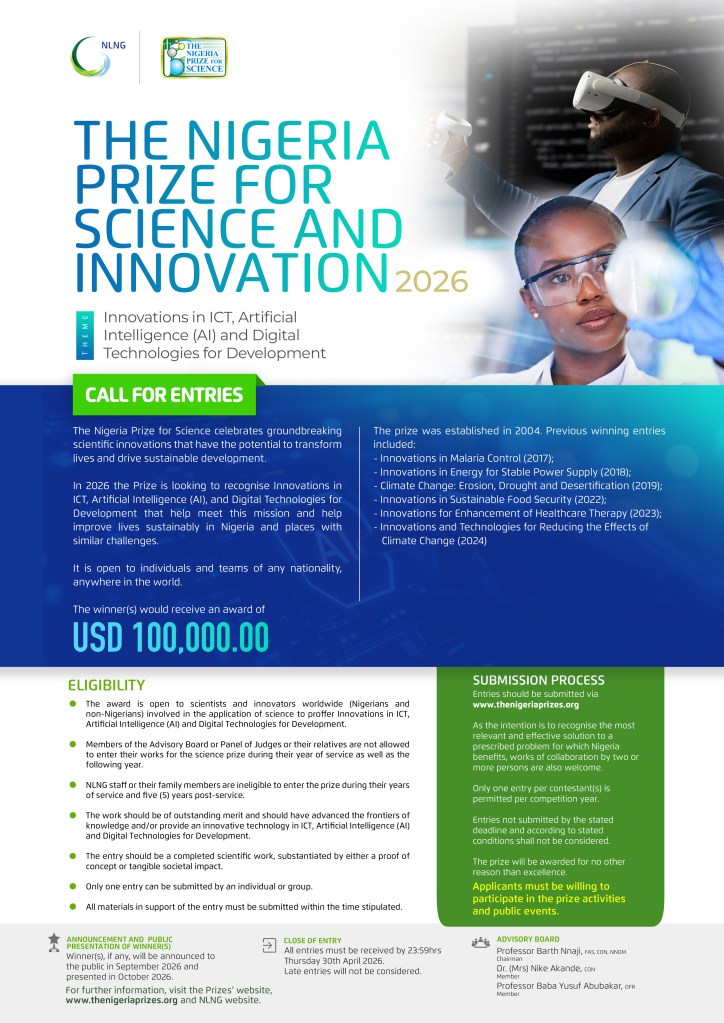
Do you know anyone involved in the application of science to support innovations in ICT, AI and digital tech for development. If so, do encourage them to submit an application by 30 April 2026 for THE NIGERIA PRIZE FOR SCIENCE AND INNOVATION. Details are in the image below, or find out more at https://www.thenigeriaprizes.org/the…/nps_call_for_entry/. The award is worth $100,000.
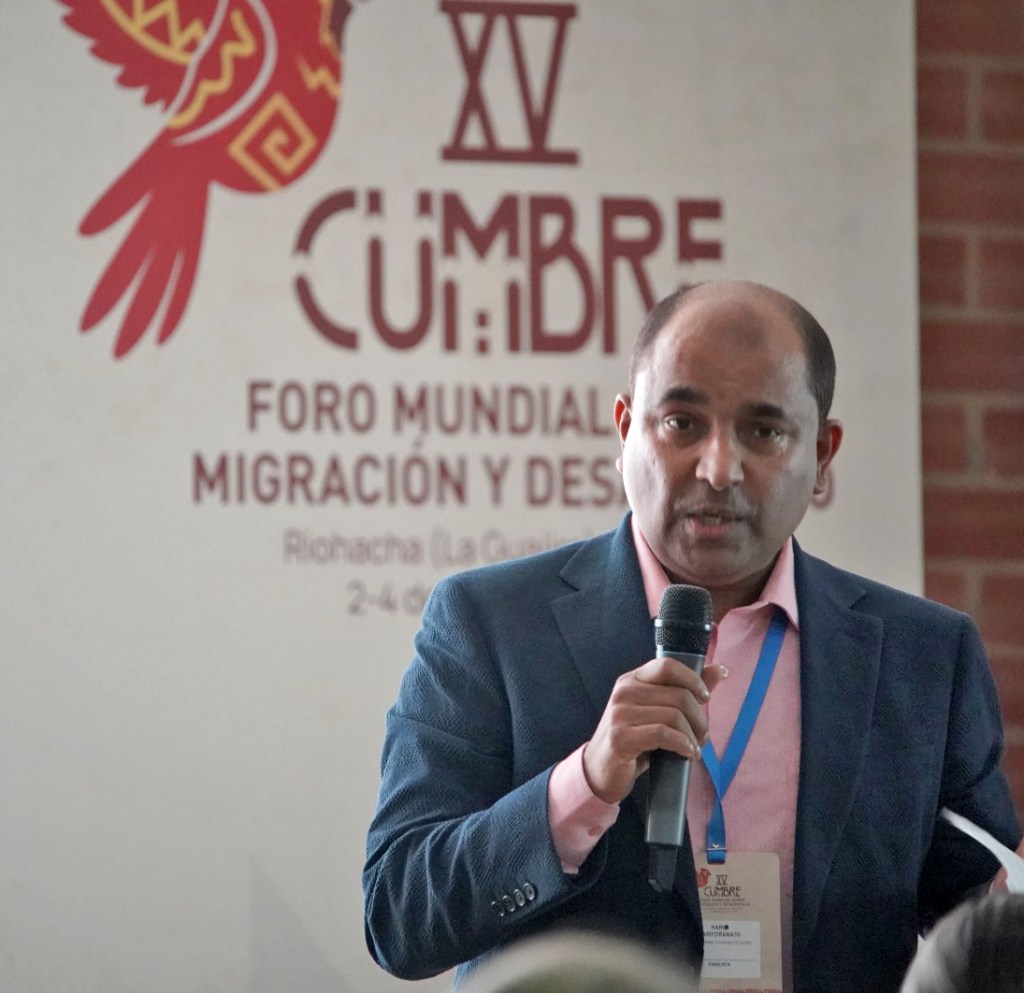
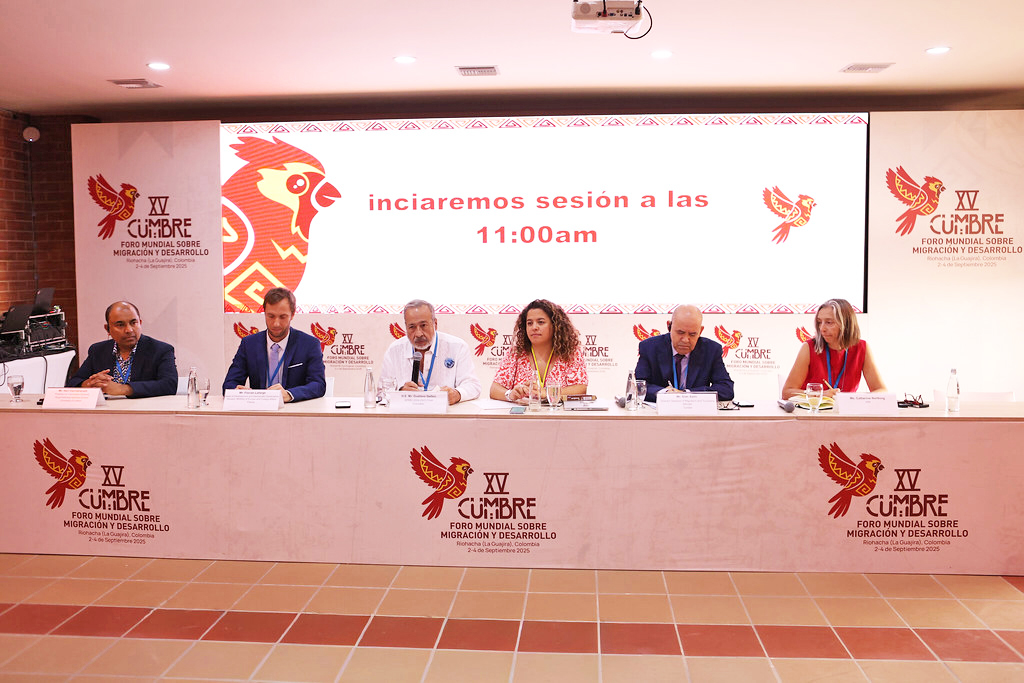
The 15th Global Forum on Migration and Development (GFMD) held between 2 and 4 September 2025 brought together in Riohacha, Colombia, more than 800 delegates representing governments, city mayors, businesses, civil society, youth and academia to exchange ideas on some of the most pressing challenges in global mobility.
The Colombia Chairship deserves huge recognition for putting together an ambitious and thoughtful programme shaping dialogue around six thematic pillars spanning mobility and women, children and young people on the move, media and culture for changing narratives, the promise and perils of new technologies, climate mobility, and the critical importance of regional cooperation and partnerships between origin and destination countries.
Prof. G Hari Harindranath comments that “it was a privilege to contribute remarks on behalf of academia at the session on the Future of the Summit on the final day and to speak in Round Table 6 on the digitalisation of migration management alongside colleagues from the governments of Ecuador and Georgia, the Institute of Employers, and technology and immigration services organisations”.
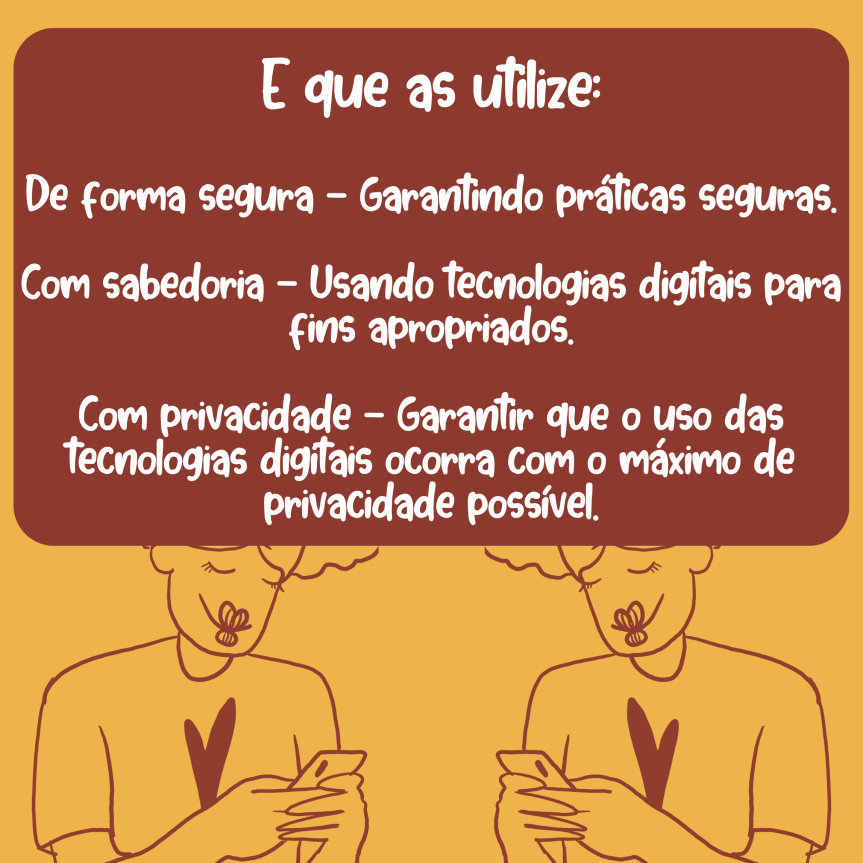
In the digital space, the opportunities are clear: technology can contribute to making migration safer and more efficient. But without safeguards, it can deepen inequalities. Many labour migrants already face precarious conditions, and now digital insecurity adds another layer of vulnerability, particularly so as they often lack the capacity to use digital tech safely, wisely and securely.
If we design digital systems with simplicity, accessibility, transparency, accountability and proportionality at the centre, we can then bring the benefits of digitalisation to those who are most likely to be disempowered by it. Getting it right for the most vulnerable means getting it right for everyone.
Thank you to the GFMD and for creating space for academic voices throughout this process, from the preparatory roundtables through to the summit. Evidence-based perspectives are essential in a field that is increasingly politicised and polarised, and GFMD’s unique framework is one of the few places where all stakeholders can meet together as equals.
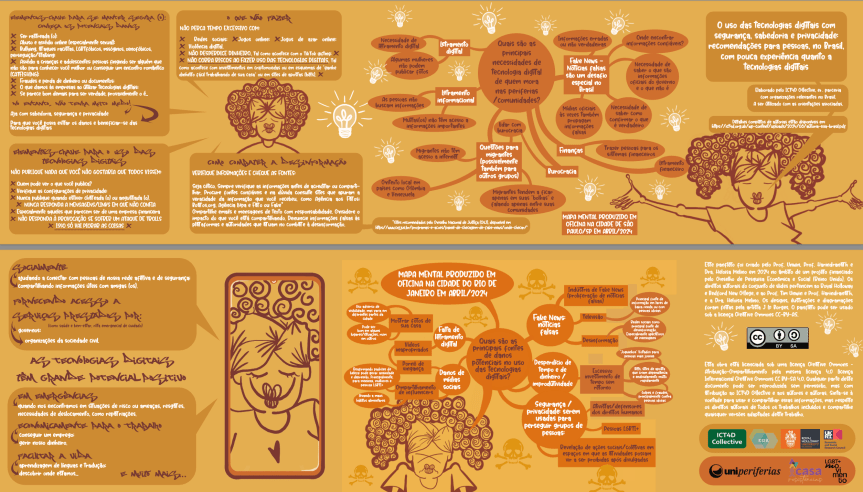
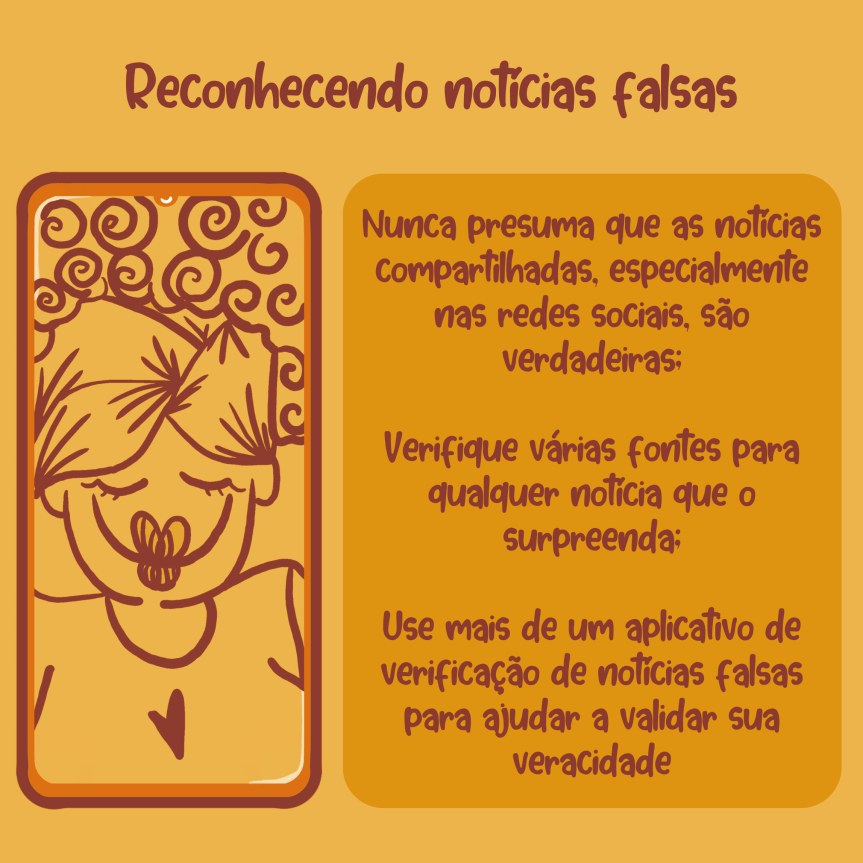
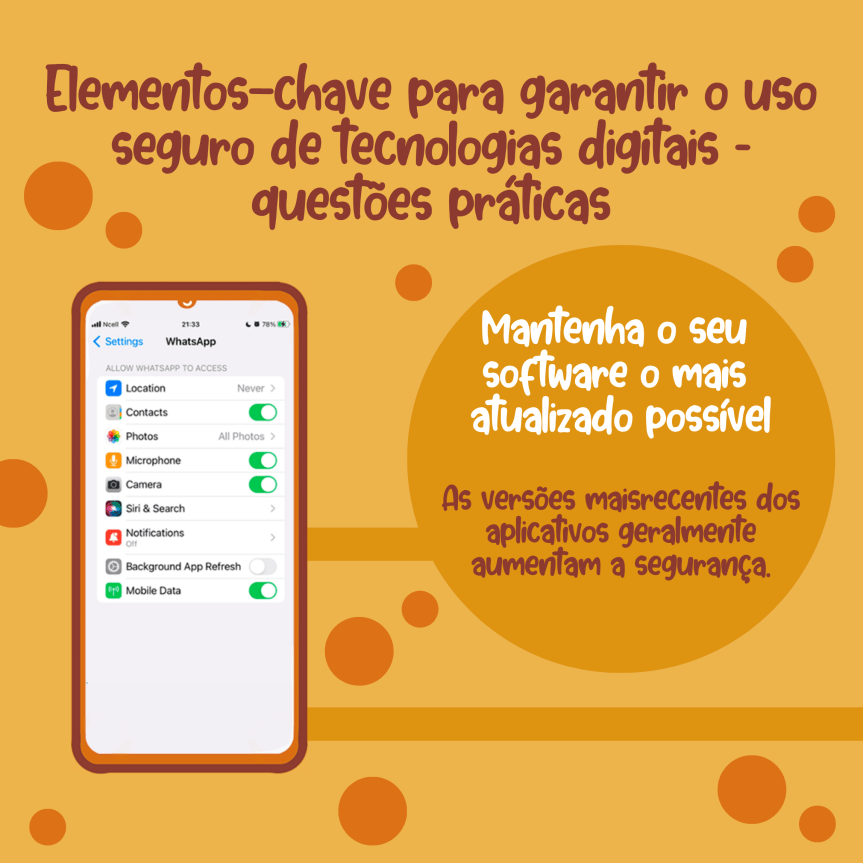
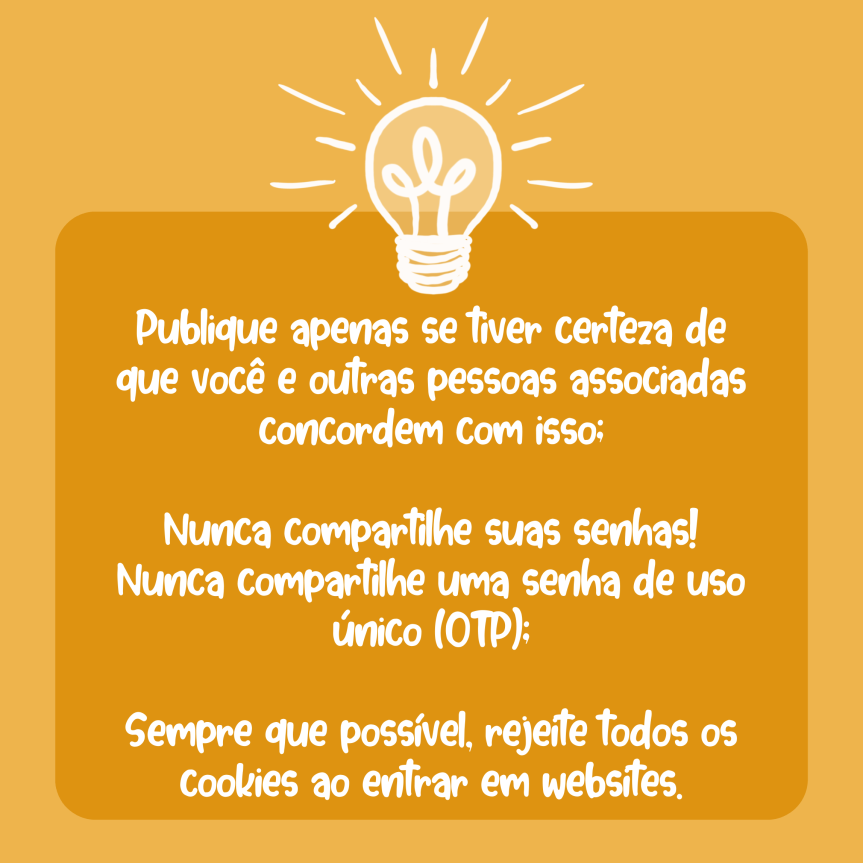
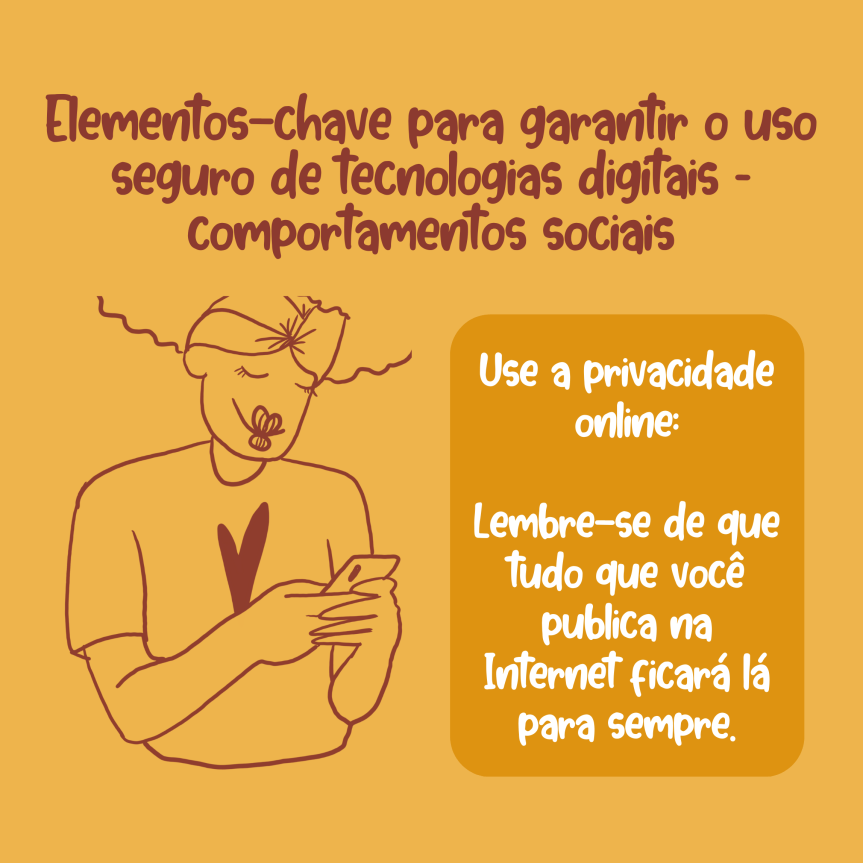
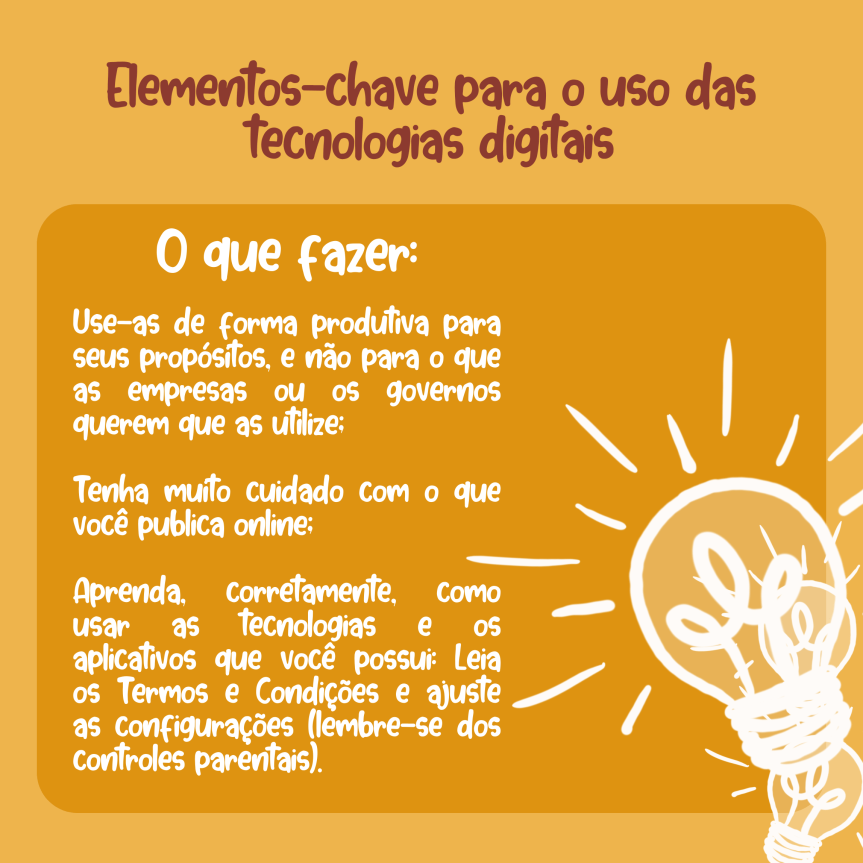
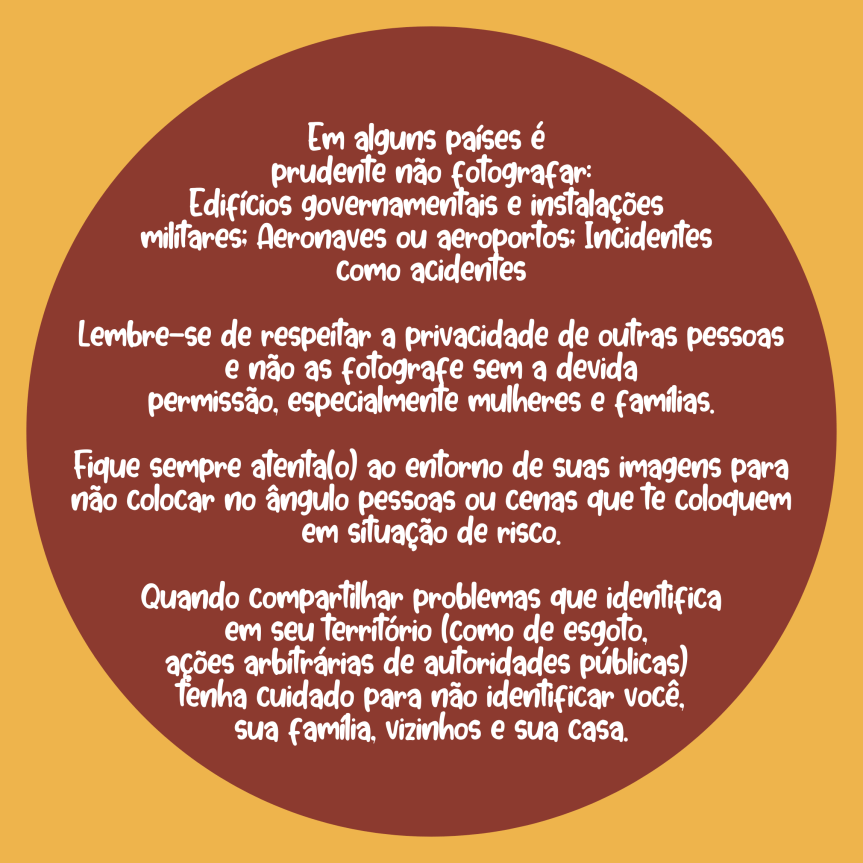
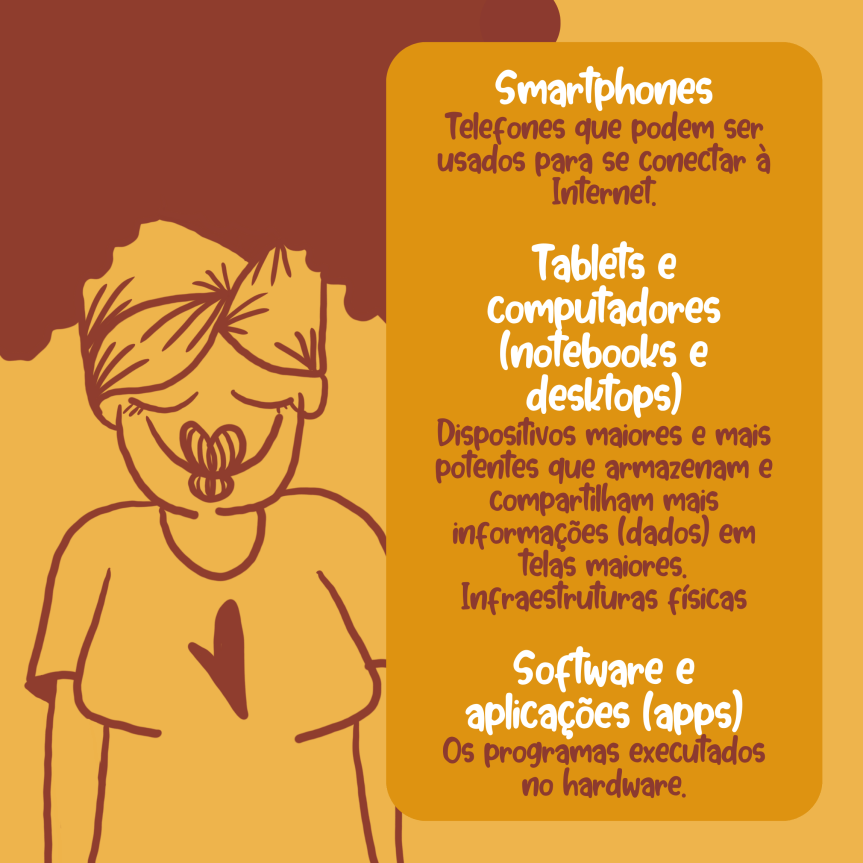
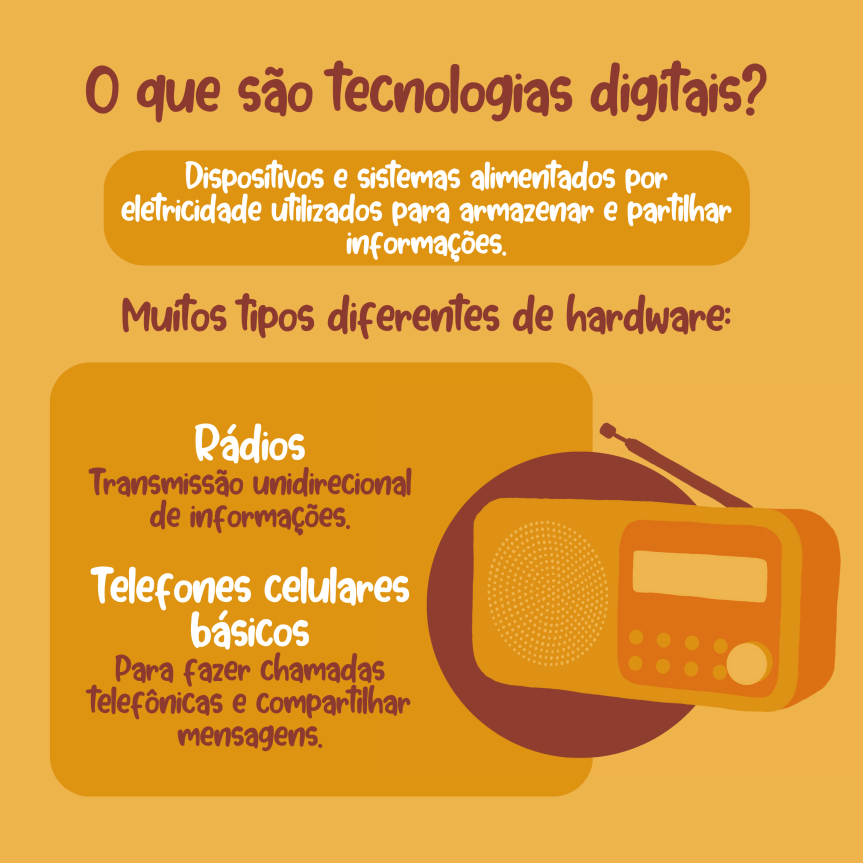
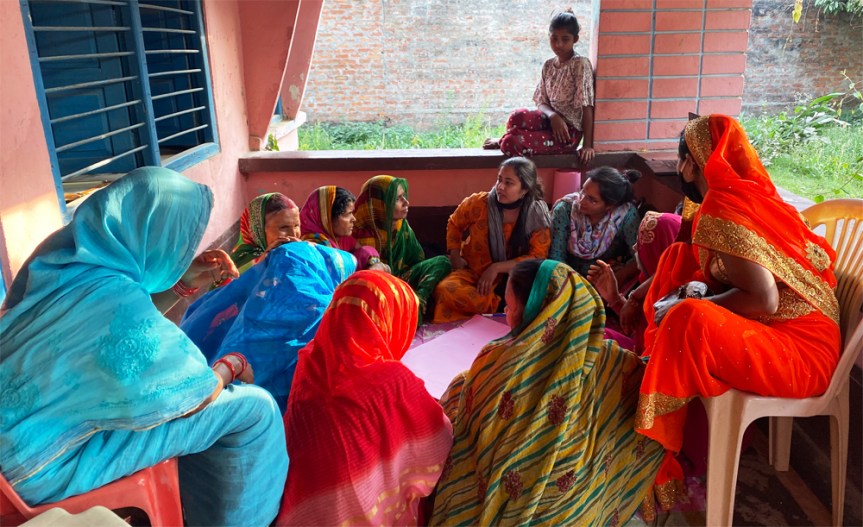
We have been working since 2020 with partners across the world to develop basic cybersecurity resources for migrants, especially in Nepal and South Africa (funded by UKRI GCRF) , and have more recently extended this work to other countries (with funding from ESRC Social Impact Accelerator, Reseaerch England ODA, and Social Purpose Funding throigh Royal Holloway University of London). One of the most exciting of these new initiatives has be the collaboration between G. “Hari” Harindranath and Tim Unwin from the ICT4D Collective, and Dr. Heloisa Meloni in Brazil. This has focused mainly on developing localised versions of our basic training materials originally developed in Nepal into Brazilian Portuguese, focusing especially on advice that would be useful to those living nas periferias and in the favelas.
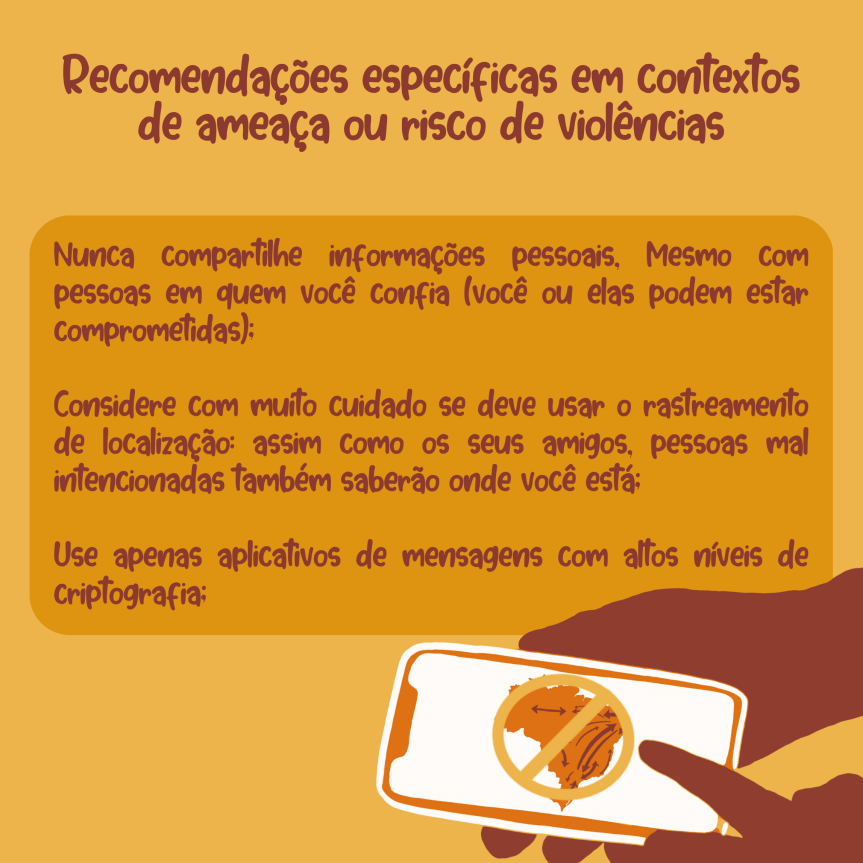
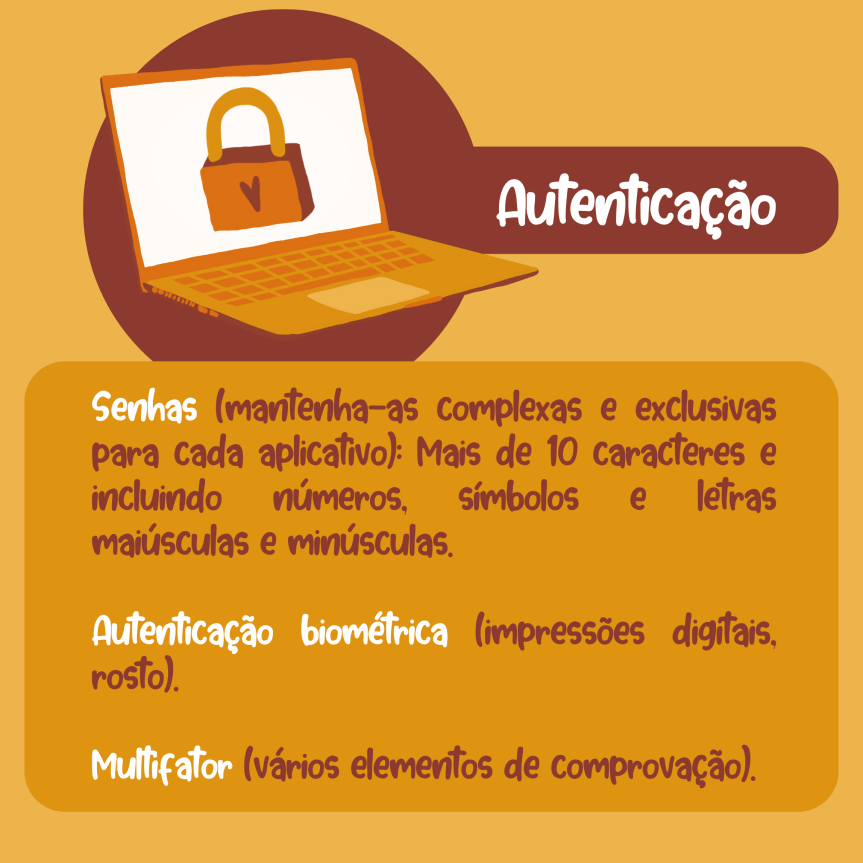
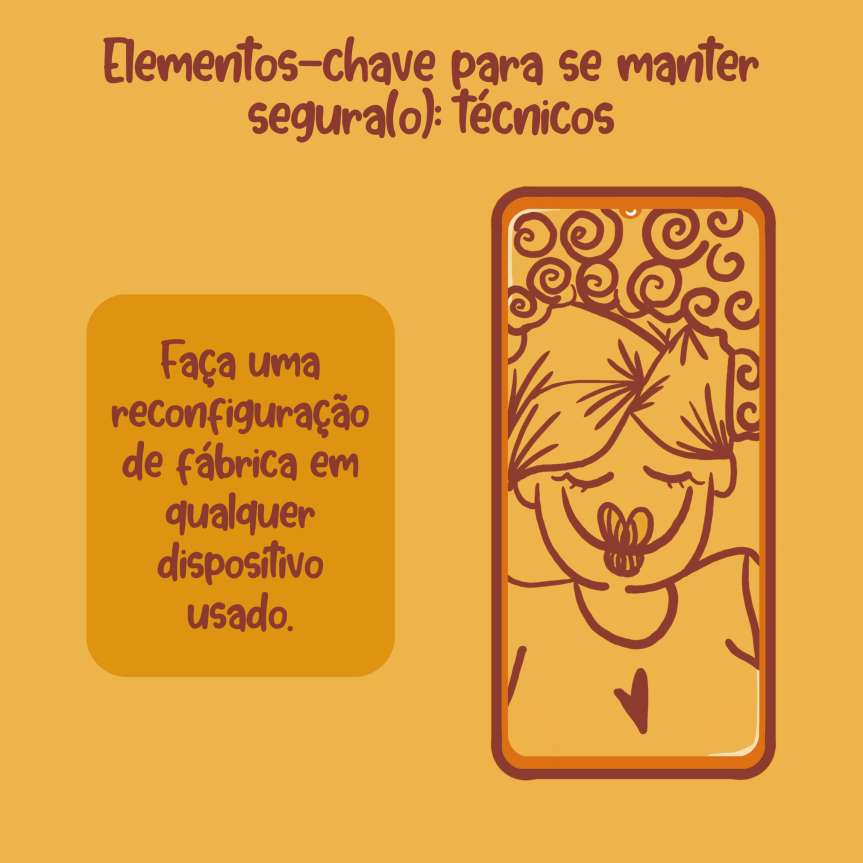
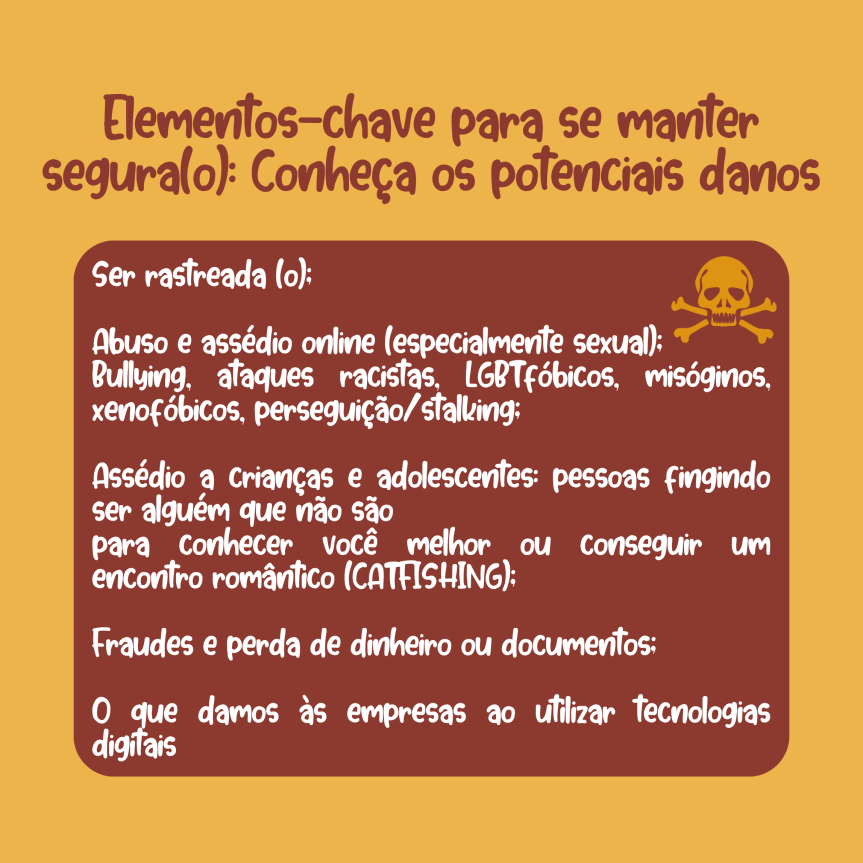
These resources were originally launched at a workshop on 12th September 2024 at the Casa Resistências in Maré, Rio de Janeiro, with a specific focus on how they could be used by the LBT community living there. Since then, the basic slide deck been subdivided into 16 short video clips by J Lo and Heloisa Melino and these can be shared on social media or used in many other ways to disseminate the advice on safe, wise and secure use of digital tech, especially for the LBT communities living in Brazil’s favelas. Some additional material is also included in clips 12-16 on topics such as deepfakes and using digital tech in violent contexts. Click on the links below to watch and listen to the videos:
We very much hope that these are helpful in many more Portuguese speaking contexts than just that for which they were original designed. They are made available under a Creatoive Commons BY SA license so they are free to use and adapt providing that new versions continue to be made available using the same license and appropriate credit is given.
Participants in the workshop (without the convenors!)
Members of the ICT4D Collective have been actively involved as Work Package 9 in the MIDEQ Hub since 2019, focusing especially on ways through which migrants can use digital tech to improve their lives, and thereby reduce the inequalities associated with migration. The Hub held its final major symposium in Rio de Janeiro in September 2023, and Tim Unwin, Hari Harindranath and Maria Rosa Lorini from the Collective, together with Guilia Casentini from SOAS took this opportunity to convene a highly interactive workshop/roundtable for members of MIDEQ on the theme of “What works for migrants: reflections on research practice in the interests of migrants”. The fundamental purpose of this was to explore how migrants may have benefited from our work, and how we might know what impact we may actually have had on them.
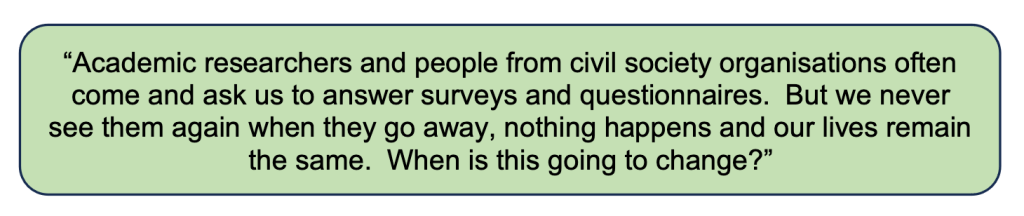
Heard in passing during our research… When will such often heard comments be consigned to the past?
The workshop addressed four main themes:
How do we really know what migrants think about our work?
What have we found to be effective ways of gathering empirical evidence about outcomes experienced by migrants?
What have we found to be effective ways of disseminating our outputs so that migrants benefit from them?
What are good forms of “output”/intervention to improve migrant lives?
We very much hope that this will promote discussion and further interaction on the crucial subject of the extent to which academic research can positively impact the lives of poor and marigalised communites and how we can know what migrants actually think of what we do. Do share your views by adding a comment to this post, or please get in touch with us directly to carry the conversation forward,
A novel initiative to celebrate the International Day of the Girl Child took place in the vibrant city of Cape Town, South Africa, on 11th October. This was driven by a collective commitment to disseminate the importance of safe, wise and secure use of digital technologies, one of the corner stones of Work Package 9 (WP9) within the MIDEQ Hub funded by the UK government’s UKRI GCRF. This team is dedicated to harnessing the potential of digital tech to improve the lives of people and has dedicated much attention and care to discussing the side-effects of the digital world and to find ways to decrease any potential harms, especially when working with vulnerable groups.
Five of the migrants living in South Africa and trained in digital skills through MIDEQ’s WP9, organised and managed an event that stands as a testimony to the importance given by people from many different backgrounds to the safe, wise and secure use of digital tech, and also witnesses the power of autonomous action and community engagement. The ‘Big Five’, as the activists called themselves in a comparison with the charismatic South African megafauna, took it upon themselves to participate in a school event dedicated to girls. This event took on added significance given the unique challenges faced by girls in the digital landscape, including issues of sexual harassment and trafficking, particularly within the migrant community. The school is situated in an area characterized by a significant concentration of migrants, and the teachers there are well-informed about the delicate issues associated with xenophobia and hate speech. Their stydents comprises girls from various nationalities, including Kenya, Zimbabwe, Zambia, Angola, and the Democratic Republic of Congo. Notably, the facilitators, who hail from Zimbabwe and the Democratic Republic of Congo, were themselves also able to glean valuable insights from the small group conversations during the activities.
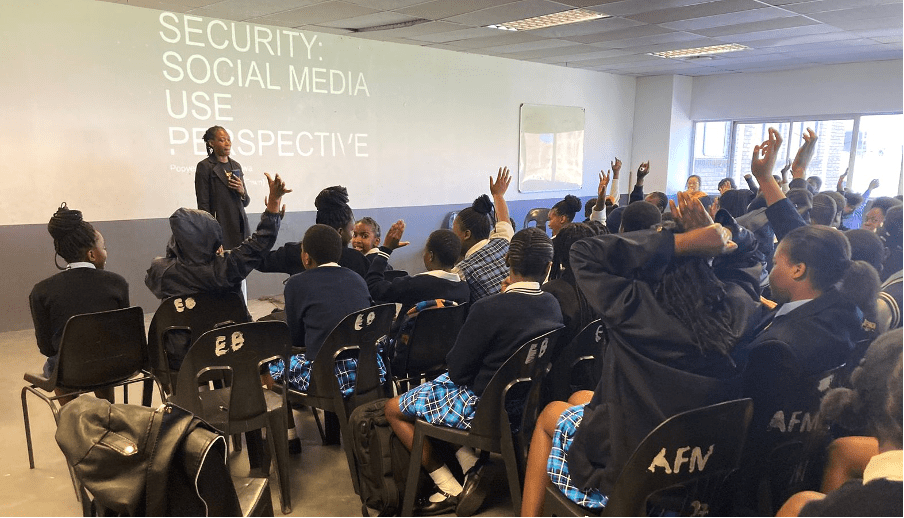
Pascal Avenvuka Mbu-Letang interacting with the young students. Photo Credit: Hentie Wilson
The autonomy and initiative of these migrants trained through WP9 shone through as they seized the opportunity to impart crucial knowledge on online safety and security. As facilitators, they valued the school and specifically the chance to contribute to an event focused on girls’ perspectives. This was just the right arena with a relevant audience to spread messages and initiate a conversation with both students and teachers on risky digital behaviours that are too often underestimated. Above all in marginalised areas affected by limited infrastructures and high inequalities, parents and teachers do not consider digital risks as a priority to worry about. Nevertheless, as the facilitators highlighted during their talks, more and more often technology is the conduit of sexual harassment initially online and soon afterwards in person.
To emphasize the importance of being cautious and discerning while online, the speakers posed a provocative question to the students, asking them who assists them at school. The young audience quickly responded, stating that they have friends. However, when a similar inquiry was made regarding social media, the students became uncertain and struggled to formulate their responses. Throughout the session, the facilitators carefully avoided sounding judgmental about common mistakes or limited knowledge of online risks and solutions. Instead, they tactfully encouraged students to reflect on aspects such as the potential for online tracking when sharing personal pictures of their daily activities.
These migrants are among the founders of the Fusion Avenue YouTube Channel – a collective of migrants living in South Africa dedicated to exploring cultures, ideas, and viewpoints with the goal to bridge gaps, celebrate differences, and find common ground. With the consent of the school, the facilitators created a video reportage of the event, and have posted this on their channel (click also on the image below).
Join us on this journey as we delve into the details of this inspiring initiative, exploring how these dedicated facilitators catalysed the attention of their young audience and left a mark on the students and teachers with whom they engaged. This is a story of empowerment, autonomy, and the boundless potential of collaboratiion that we would like to tell though their own voices.
Memory Mwadziwana, one of the facilitators, captured the essence of the day in this way
“Ladies and gentlemen, welcome to a recap of the extraordinary International Girls Day event! Ladies and gentlemen, this is Memory, reporting on the extraordinary International Girls Day event that took place on October 11th at the Purpose Finders School. It was a day that resonated with empowerment, education, and unity, leaving a profound impact on both the girls and the teachers who took part.
The day kicked off with a briefing by our dedicated organizers, laying the foundation for what would become a transformative experience at Purpose Finders School.
An emotional prayer permeated the air, symbolizing hope and unity and setting the tone for the day’s events. It was followed by a shout-out to the remarkable facilitators and organizers, including Fusion Avenue, Women African Weavers, DMS Ministry, and Purpose Finders School. Their unwavering dedication forged a sense of community, creating a collaborative atmosphere that would define the day.
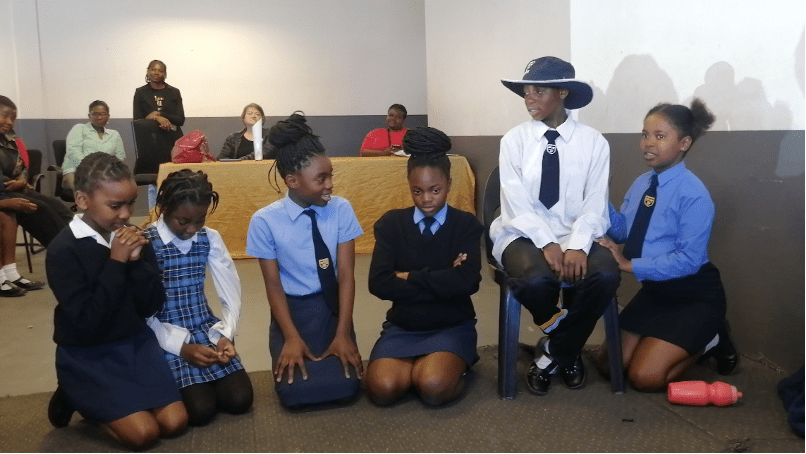
The girls took centre stage, sharing poignant poems that transcended mere performance; they became acts of self-expression and empowerment. The bond between teachers and students strengthened as educators gained a newfound appreciation for the incredible talents of their charges.
Theatre sketch by the students about early pregnancy (Photo credit: Marlene Sitah)
A highlight of the event was Pascal’s presentation on online safety and security. Trained by the MIDEQ Project, Pascal and her colleagues brought forth critical topics, including personal data exposure, digital harassment, hate speech, and online scams. In an age dominated by digital interactions, this knowledge proved invaluable.
Reiterating the importance of online safety, the event underscored the significance of being vigilant and informed in the digital world. Teachers expressed gratitude for the invaluable knowledge, and the girls left with newfound confidence.
Pascal Avenvuka Mbu-Letang presenting personal data belongingness and life to the young students. Photo Credit: Michael Kanyinda
Reporting from the Purpose Finders School, this is Memory, signing off with a heart full of inspiration and hope for the continued empowerment of young minds.”
At the end of the event, a debriefing session took place among the facilitators and the teachers who were keen to discuss further involvement of the ‘Big Five’ in this learning process, starting from themselves as educators.
From our side in MIDEQ WP9, we can only wish the Fusion Avenue team more successful events such as this!
As of 1st August 2023, the UNESCO Chair in ICT4D at Royal Holloway, University of London has reverted to its original identity as the ICT4D Collective. We are a group of very diverse researchers and practitioners from across the world, bound together by our commitment to the highest possible quality of research-practice relating to the use of digital technologies in the interests of the world’s poorest and most marginalised people.
Our last engagement as members of the UNESCO Chair in ICT4D: meeting staff and students at the NIC’s ICT and Electronics Innovation Lab in Pokhara, Nepal, July 2023
The Collective and the UNESCO Chair in ICT4D
The original ICT4D Collective was created in 2004, and evolved through an agreement in 2007 between UNESCO and Royal Holloway, University of London into the UNESCO Chair in ICT4D (Information and Communication Technologies for Development). UNESCO Chairs are groups of researchers in specific institutions undertaking work of direct relevance to UNESCO’s fields of competence, and they promote “international inter-university cooperation and networking to enhance institutional capacities through knowledge sharing and collaborative work”. Members of our UNESCO Chair have been very proud to have been associated with UNESCO for the last 16 years, and to have collaborated closely with many good friends in UNESCO’s Paris headquarters and field offices. We were also honoured that Houlin Zhao, the Secretary General of the International Telecommunications Union (ITU) between January 2015 and January 2023, and Jean Philbert Nsengimana, former Minister of Youth and Information and Communication Technology (MYICT) from Rwanda, were our Honorary Patrons.
The following are some of the things we have particularly enjoyed engaging in over the last 16 years:
Working together collegially in a truly multidisciplinary context, involving colleagues from Computer Science, Geography, Information Security, Law and Managament at Royal Holloway, University of London.
Creating one of the largest groups of postgraduates completing PhDs in the field of ICT4D during the late 2000s and early 2010s.
Crafting an extensive partnership network involving governments, the private sector and civil society, and sharing the lessons we have learnt about making partnerships successful.
Contributing our experiences in global discussions around the role of digital tech in international development, especially in the UN’s WSIS process (since its origins in 2003), and UNESCO’s many gatherings relating to education and technology.
Working on the ground in support of diverse groups of marginalised people, especially those with disabilities, out of school youth, women in patriarchal societies, and migrants and refugees.
We are now re-energised as the ICT4D Collective, with 22 founding members drawn from 13 countries – we welcome new members who share our aims and principles. Quick links to our research and practice are available below:
See also the ICT4D Facebook Group which we established in 2007 and now has >5,500 members
An exciting future…
We all look forward to continuing the work started by the original ICT4D Collective almost 20 years ago, although we remain very sad that the new leadership team at Royal Holloway, University of London did not see value in the institution continuing to have a UNESCO Chair. Perhaps we represented voices from the past; perhaps we have been too critical and anarchic; perhaps we have just been honest and spoken truth to power. Whatever the reason, we will continue to have fun working together, we will continue to challenge the status quo, we will continue to point out the many harms caused by the use of digital tech, and we will continue to work with and support the world’s poorest and most marginalised peoples.
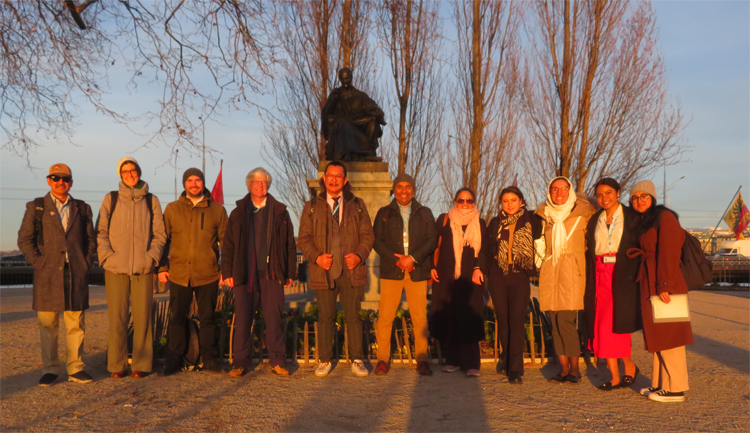
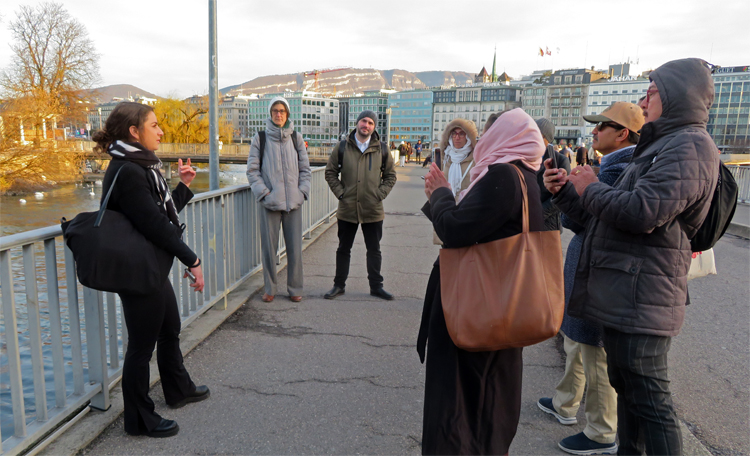
Particiants on the DESC walk photographes beneath the statue of Rousseau as the sun sets
The Digital Environment System Coalition (DESC) convened two sessions (403 and 204) on 16th and 18th March at this year’s WSIS Annual Forum held in Geneva. The first was a walk which we believe to be the first ever such event held during a WSIS annual forum, and the second was a more traditional session within the cavernous CIGG. Both sessions were convened by the UNESCO Chair in ICT4D at Royal Hollloway, University of London which provides the Secretariat to DESC, in association with INIT (the Inter-Islamic Network on IT), the WWRF (Wireless World Research Forum), ICT4D.AT, and RC-DISC (the Research Cluster for Digital Inequality and Social Change at the University of Canberra).
Experiencing digital environment interactions in the “place” of Geneva (Session 403): the DESC Walk
We experience things differently when we walk, when we talk together, and when we interact with the real physical environment. We feel the fresh air on our faces, smell the vegetation, hear the noise of running water, and touch the rough rocks on the slopes. We interact differently with each other. We pause and contemplate where we are. Our minds engage in ways that are so, so different from when we sit in large conference halls.
This DESC walk provided an opportunity for participants (i) to share their own research and practice relating to the interactions between digital tech and the environment, (ii) to discuss the positive and negative impacts of digital tech specifically on the biosphere, hydrosphere, atmosphere and lithosphere, and (iii) to make recommendations concerning the further development of YouthDESC. In essence, individual participants brought the group to a halt at locations that they felt were most appropriate for them along the walk and shared information about themselves and their research/practice, and we also stopped at five pre-planned locations to discuss each of the main themes as a group. Moderators of each main stop sought to encourage the participants to highlight three positive and three native interactions between digital tech and the environment.
Parc Mon Repos – the biosphere (led by Paul Spiesberger). Issues discussed included the positives of being able to share nature through digital images, use of remote sensed imagery to monitor the biosphere, and the use of digital tech to enhance agricultural production. Negatives included digital pollution of plants and green spaces, potentially adverse effects on human health (including mental health), and increased urban exploitation of rural environments through digital tech.
Poste Filial – YouthDESC (led by Tasfia Rahman). This began with a visit inside the building to discover the ways through which it is now necessary to use virtual/digital systems to post a physical/real card. We also recognized the important links between postal communication in the past and digital communication at present. The Instagram account of @YouthDESC was discussed, alongside the pros and cons of different social media platforms for engaging youth
Pont des Bergues – the hydrosphere (led by Ahmed Imran). It was recognised that unlike the biosphere and lithosphere, the impact of digital tech on the hydrosphere is less immediately visible. However, negatives include the impact of deep sea mining for rare earth minerals, and the heating of water in cooling systems. The use of water warmed by the heat produced by servers was, though, also seen as a benefit.
Ile Rousseau – the atmosphere (led by Zumana Imran). Beneath the feet of the philosopher Rousseau, our thoughts turned to the atmosphere above us, and focused on the positives of the use of satellites for monitoring environmental change and enabling communication in isolated places, whilst also recognizing the harms of treating outer space as we used to treat the oceans (global commons), the impact on dark space, and space junk. It was also recognised that different cultures have differing views about the environment, and we must engage with indigenous communities.
Auditoire de Calvin – the lithosphere (led by Tim Unwin). As dusk came upon us, few people remained to walk up the steps to the Cathedral and Auditoire de Calvin, but we nevertheless discussed the impact of mining for minerals used in digital tech, the impact of waste especially in landfill, and also the potential benefits in land management.
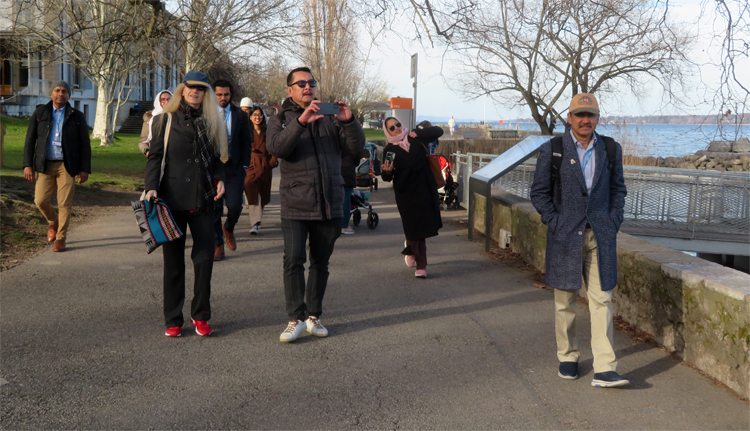
Scenes from the DESC walk in Geneva, 16 March 2023
Reimagining the Interface between Digital Tech and the Physical Environment (Session 204)
This formal workshop session had three main aims:
to share an updated overview of DESC’s emerging model that challenges much existing work being undertaken on digital tech and climate change;
to provide an update on its ongoing activities since WSIS 2022; and
to do this in a lively and interactive way.
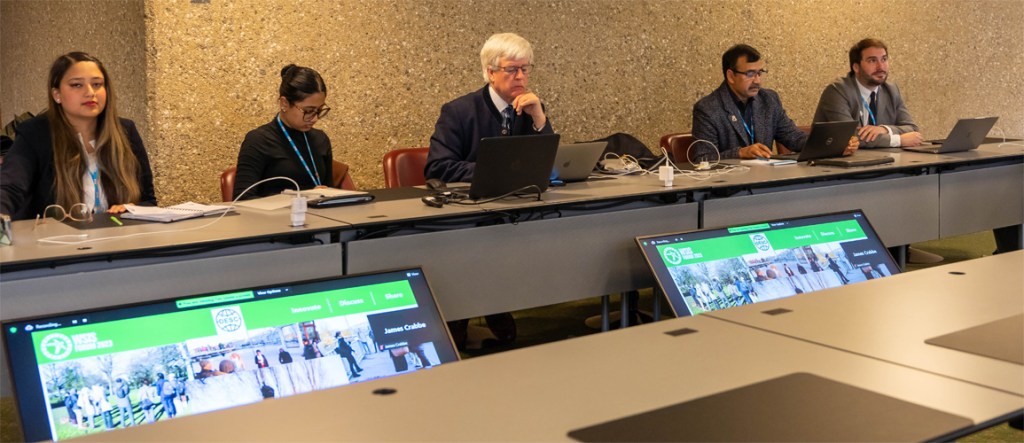
Official ITU photograph from WSIS Session 204
The session was structured as follows:
Introduction to DESC, highlighting the need to adopt a holistic approach focusing on the interaction between digital technologies and the totality of the physical environment (including the lithosphere, hydrosphere, biosphere and atmosphere – see diagram below) rather than just climate change. Indeed, a focus primarily on human-induced climate change is likely to lead to seriously adverse impacts on other dimensions of the physical environment.
Summaries of the key points of discussion explored during the DESC walk (WSIS Session 403) the previous day, presented by the five discussion moderators (including the YouthDESC session).
Highlights of two examples from the activities of DESC’s Working Groups emphasizing why these issues matter:
The indigenous DESC Working Group (Poline Bala’s sliodes were presented by Tim Unwin). This highlighted that indigenous peoples are insufficiently represented at events such as WSIS, and that they can contribute significantly to new ways of addressing the interface between digital tech and the physical environment
A video presentation by James Crabbe on the importance of omics for informing policy on deep sea mining.
This was followed by an introduction to the toolkit being developed by DESC for all those who have pledged to the ITU-led Partner2Connect initiative to enable them to consider and address the environmental impact of their proposed interventions.
The final element was a lively discussion around the issues raised, that included new commitments from participants to explore collaboration on implementing the DESC toolkit
DESC in Geneva
The general consensus from both sessions was that they were enjoyable and informative – and that DESC should offer to convene another walk in 2024 when we can delve once again into both the positive and negative impacts of the design and use of digital tech on the environment.
The session, which aligned especially with SDG10 and WSIS Action Lines C3, C4, C5, C7(iii, iv,v), C8 and C10, was structured around our digital interventions from Nepal and South Africa using a series of short-form videos ‘created by migrants for migrants’ as a framing device for the discussion. The contributions highlighted many inequalities faced by migrants and how digital tech can meaningfully address them as well as how digital tech can support personal life choices, offer networking opportunities, and become a peer-to-peer learning tool. The overarching theme was the need for all actors at the interface of digital tech and migration to be mindful of the need to ensure the safe, secure and wise use of digital tech by migrants.
Despite increasing evidence of the challenges to the beneficial use of digital tech by vulnerable migrants, actors such as tech companies, international and local organisations continue to design technologies aimed at migrants without due regard to their unintended consequences. International organisations and fora such as WSIS that are at the forefront of digital inclusion must recognise not just the opportunities offered by digital tech for migrants but also the risks and harms associated with them. This is especially important given the pervasive structural inequalities and limited digital capabilities that characterise many migrant contexts.
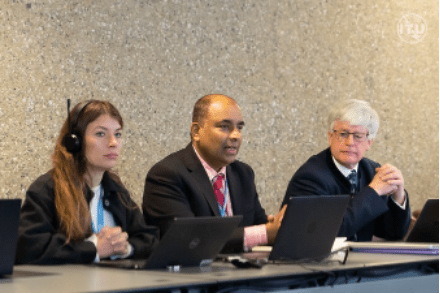
WP9 co-lead Prof G Hari Harindranath led the session with Prof Tim Unwin and Dr Maria Rosa Lorini while Bryce Hartley from GSMA (online) and Julien Varlin from ILO Geneva served as discussants. The highly interactive hybrid session was attended by senior government officials and representatives from international organisations, CSOs and tech companies as well as researchers.
We also used the in-person WSIS Forum in beautiful Geneva as an opportunity to discuss pathways to impact for our work with colleagues at IOM and ILO.
Members of the UNESCO Chair in ICT4D are leading Work Package 9 of the MIDEQ hub (funded by UKRI GCRF and Royal Holloway, University of London) and are exploring how digital tech can be used to reduce the inequalities associated with migration, especially in four corridors: Nepal-Malaysia, Ethiopia-South Africa, China-Ghana, and Haiti-Brazil. The third of our working papers presenting data on the uses of digital technologies by migrants in South Africa has just been published within the UNESCO Chair in ICT4D’s publication series. Key findings and abstract are as follows.
Key findings
1. Migrants in South Africa are very diverse, making subtly different usage of digital tech – while smart phones and the Internet are the dominant technologies in use, context nevertheless matters in how they are used.
2. Very few migrants make any use at all of apps that have been developed specifically for migrants – and even those 3.7% that claim to do so may not have actually used apps that were deliberately designed for them
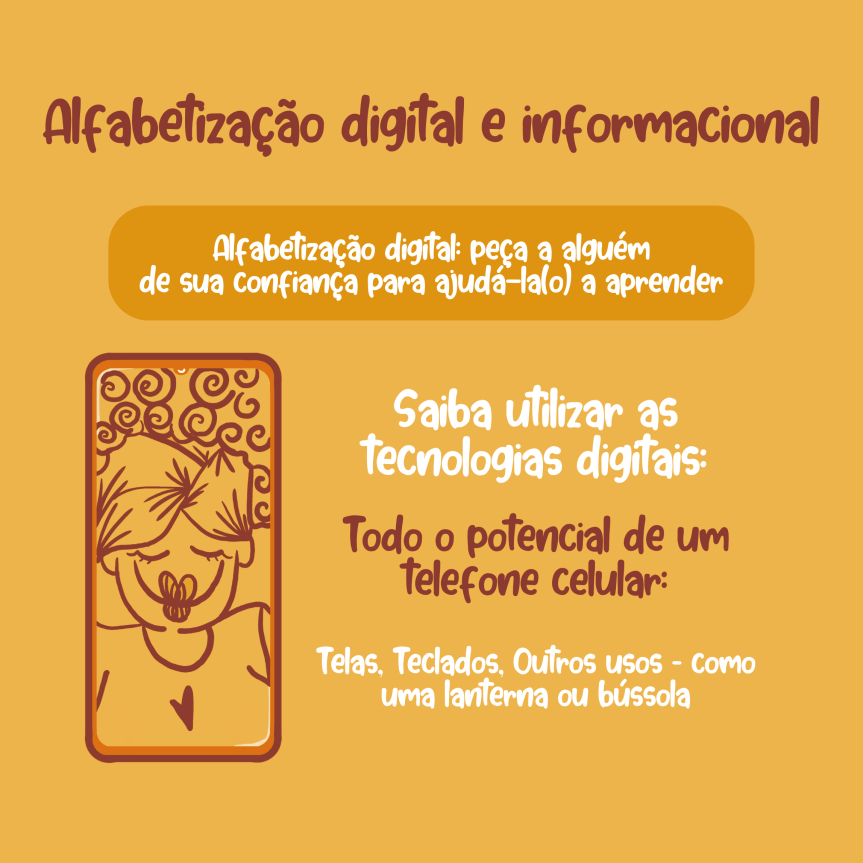
3. Many migrants have limited knowledge in how to use the full potential of their mobile phones – basic training in digital skills and safety might therefore be a valuable intervention for them
Abstract
This working paper forms part of the output of Work Package 9 on technology, inequality and migration within the MIDEQ Hub, a multi-disciplinary research project in 12 countries of Latin America, Africa and Asia, including the Ethiopia-South Africa migration corridor. It presents the results of an online survey of 297 respondents mostly currently living in South Africa (92.2%), and mainly from Ethiopia (59.8%); 92.7% of them identified themselves as migrants, with the remainder being family members of migrants (6.2%) or returned migrants (1.1%). Following a summary of the methodology, which explains the impact of COVID-19 on this research and why an online survey was used to replace our originally planned interviews and focus groups, the paper provides an overview of the most important results and an exploratory data analysis, focusing on the potential influence of age, gender, countries of origin, migration status, and occupational status on the ways in which respondents use digital technologies and for what purposes. Three important conclusions for the subsequent stages of our research on the inequalities associated with migration and how digital tech may be used to reduce these are: first, the migrants responding to this survey are from very different backgrounds, and these have some strong influences on their use of digital tech; second, very few migrants make any use at all of apps made specifically for them; and third, many migrants still appear to need basic training in the safe and secure use of digital technologies.
To read this paper in full (v.3 .pdf) please use this link.
Other UNESCO Chair in ICT4D Publications are available here.
Members of the UNESCO Chair in ICT4D are leading Work Package 9 of the MIDEQ hub (funded by UKRI GCRF and Royal Holloway, University of London) and are exploring how digital tech can be used to reduce the inequalities associated with migration, especially in four corridors: Nepal-Malaysia, Ethiopia-South Africa, China-Ghana, and Haiti-Brazil. The second of our working papers presenting data on the uses of digital technologies by Nepali migrants and their families has just been published within the UNESCO Chair in ICT4D’s publication series. Key findings and abstract are as follows.
Key findings
1. Nepali migrants and their familes make extensive use of digital technologies – especially smart phones and the Internet for a wide range of purposes, and not just for audio and video calls
2. Very few migrants make any use at all of apps that have been developed specifically for migrants – and even those 8.7% that claim to do so may not have actually used such apps
3. Migrant use of digital technologies increases through the migration journey – only 46.4% had used digital tech daily before migrating, whereas 85.4% used them daily while in the migration destinations.
Abstract
This working paper forms part of the output of Work Package 9 on technology, inequality and migration within the MIDEQ Hub, a multi-disciplinary research project in 12 countries of Latin America, Africa and Asia, including the Nepal-Malaysia migration corridor. It presents the results of an online survey of 266 respondents in and from Nepal, 58.5% of whom identified themselves as migrants, with 28.1% being family members of migrants, and 13.4% being returned migrants. Following a summary of the methodology, which explains why an online survey was used to replace the originally planned interviews and focus groups, the paper provides an overview of the most important results and analysis, focusing on the potential influence of age, gender, countries of origin and destination, migration status, and occupational status on the ways in which respondents use digital technologies and for what purposes. Three important conclusions for Phase Two of our research are: first, the vast majority of Nepali respondents have smart phones and access the internet very frequently for a wide range of purposes; second, simply designing another new app may not be particularly valuable; and third, it might well be wise to work with, or build on, technologies and apps already in existence, so as to improve them in ways that could increasingly empower migrants.
To read this paper in full (v.5 .pdf) please use this link.
Other UNESCO Chair in ICT4D Publications are available here.
The UNESCO Chair in ICT4D is leading the work package on the interface between digital technologies and migration within the UKRI-GCRF South-South Migration Hub, now known by the shortened name MIDEQ. Hari Harindranath and Tim Unwin were therefore delighted to participate actively in the Hub’s Executive Group meeting on 23-24 September in Nairobi, followed by numerous meetings with the corridor leads and other work package teams, as well as participating in and leading some of the training sessions held from 26th September to 1st October. As well as discussing important issues around our progress so far, communications strategy, governance, operations and migration survey, the evening of 24th September included a digital launch event followed by dinner and story telling, led by Tawona Sitholé, around a campfire. The week of meetings provided an invaluable opportunity to get to know the many partners and new researchers in the Hub. We are all now in a much better position to start engaging in field research together once the inception phase is over. Hari and Tim are especially eager to get involved on the ground working with colleagues in the China-Ghana, Ethiopia-South Africa, Haiti-Brazil, and Nepal-Malaysia corridors. The pictures below provide just a glimpse of the diversity and energy of the gathering…
This slideshow requires JavaScript.
Many thanks are due to all of the colleagues who worked so hard to put the programme together and helped to ensure that it was a success.
The opportunity for Hari and Tim to be in Nairobi also provided a great chance to catch up with old friends in the city and make new contacts of wider interest to the work of the UNESCO Chair in ICT4D. We would like to say especial thanks to them for making the time to meet up and exchange ideas about the uses of digital technologies in Kenya and beyond. We also spent a magical half-day escaping to the Natiional Park near the airport in Nairobi (see some of our pictures here)!
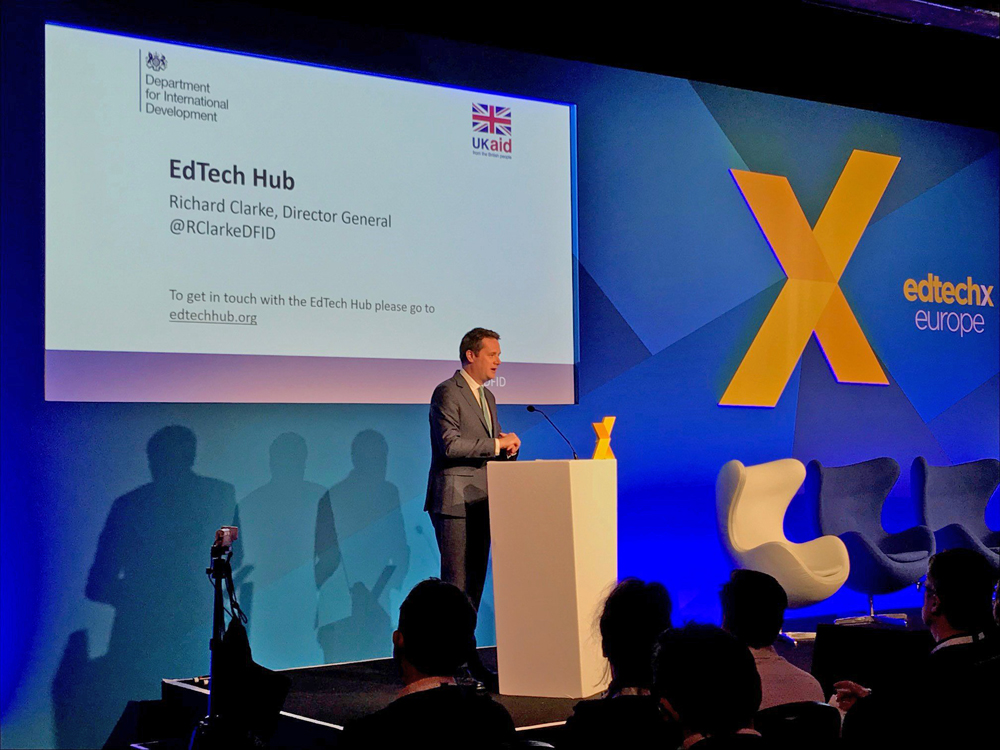
The new Hub aims to undertake and promote the highest quality of comparative and longitudinal research at the interface between technology and education, and then share the findings widely so that everyone is better aware about how technology can best serve the learning interests of the poorest and most marginalised. This builds in part on the UNESCO Chair in ICT4D’s long established experience on technology and learning, dating back to Tim’s leadership of the UK Prime Minister’s Imfundo initiative (2001-2004) creating partnerships for IT in education in Africa, our DelPHE and EDULINK funded collaboration with African universities, the wider work of the World Economic Forum and UNESCO Partnership for Education initiative between 2007 and 2011, and the cohort of PhD students doing research at the UNESCO Chair in ICT4D on technology and learning in Africa in the latter 2000s , including David Hollow and Marije Geldof.
We are all very excited to be a part of this new initiative, which will be the largest ever education and technology research and innovation programme designed specifically to improve teaching and learning, especially in poorer countries. It is a clear example of the ways through which research undertaken within the UNESCO Chair in ICT4D is having real global impact, and is the second £20 m grant to have been awarded to consortia that include members of the Chair in the last six months, the other being the UKRI GCRF South-South Migration, Inequality and Development Hub.







































 Richard Clarke, Director General
 ICT4D Collective