Digital Inclusion in an Unequal World (Episode 7) – G. ‘Hari’ Harindranath – How May Academics Help to Empower Marginalised Communities Through Digital Tech?

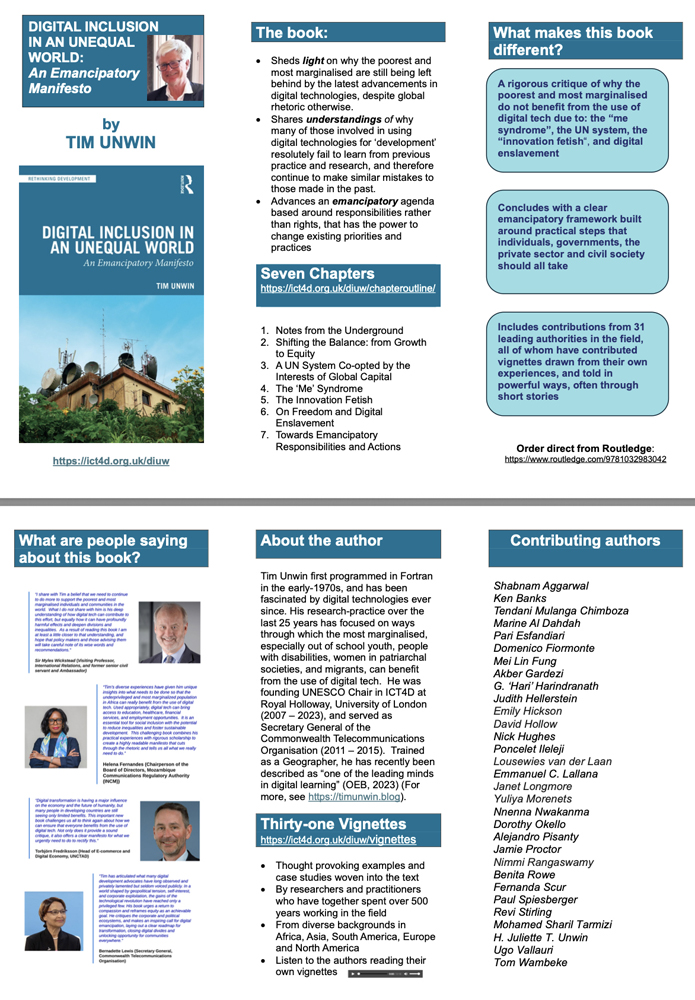
This is the seventh episode of our podcast based on the vignettes contributed by friends and colleagues to Tim Unwin’s new book Digital Technologies in an Unequal World: An Empancipatory Manfesto. In it, Hari argues that “Empowering marginalised groups through our work with digital technologies, and striving to make the world a better place as a result may be lofty aspirations, but they are worth pursuing. That will require us all to get out of our comfort zones and find ways to prioritise outcomes, commit time and resources, and engage with communities on the ground, rather than in the ivory towers, to learn and gather evidence of impact and outcomes of using digital tech in the service of the world’s poorest and most marginalised”

The full vignette can be read in English here and all audio files relating to the book are also available on our podcast.

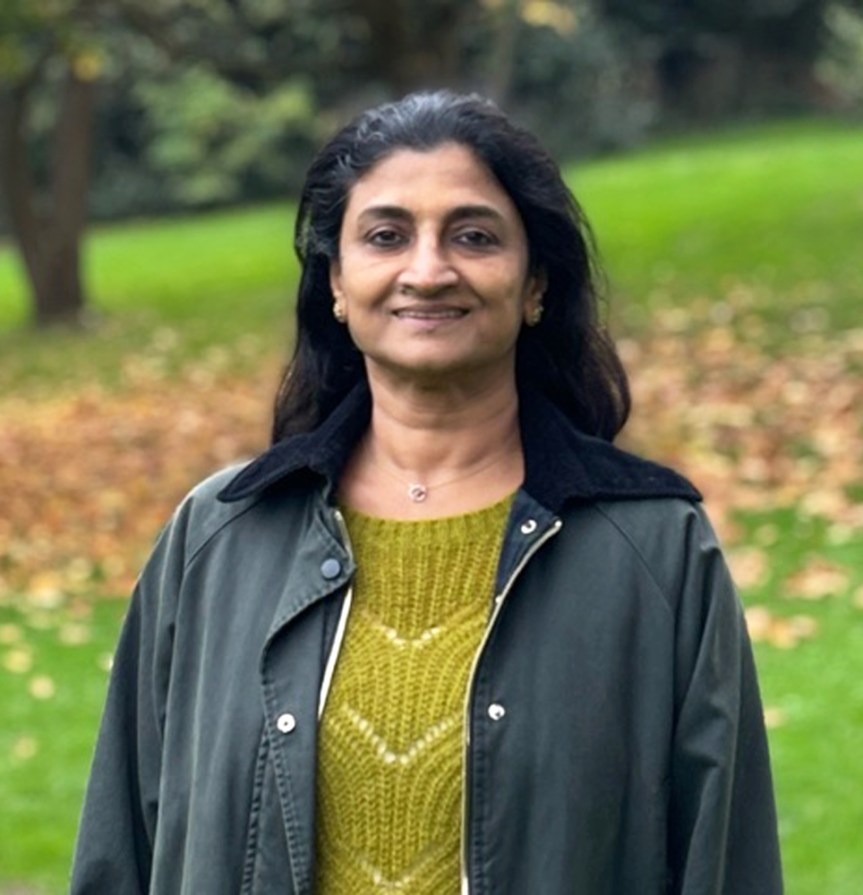
Hari is Professor of Information Systems at Royal Holloway, University of London, UK, exploring how digital tech shapes lives, work, and society. Hari is passionate about impact, collaborates with communities to address digital inequalities, and sometimes even gets policymakers to listen. He thinks research should do good, not just look good (UK).

Full details of the book are available through the following links:


Other recent episodes

Digital Inclusion in an Unequal World (Episode 7) – G. ‘Hari’ Harindranath – How May Academics Help to Empower Marginalised Communities Through Digital Tech? ICT4D Collective » ICT4D

Hari is Professor of Information Systems at Royal Holloway, University of London, UK, exploring how digital tech shapes lives, work, and society. Hari is passionate about impact, collaborates with communities to address digital inequalities, and sometimes even gets policymakers to listen. He thinks research should do good, not just look good (UK). Full details of … Continue reading Digital Inclusion in an Unequal World (Episode 7) – G. ‘Hari’ Harindranath – How May Academics Help to Empower Marginalised Communities Through Digital Tech?
  1. Digital Inclusion in an Unequal World (Episode 7) – G. ‘Hari’ Harindranath – How May Academics Help to Empower Marginalised Communities Through Digital Tech?
  2. Digital Inclusion in an Unequal World (Episode 6) – Mei Lin Fung on “Learning from Land Rights so Data Rights are Right from the Get Go”.
  3. Digital Inclusion in an Unequal World (Episode 5) – Domenico Fiormonte on “The Geopolitics of Digital Knowledge”.

Digital Inclusion in an Unequal World (Episode 6) – Mei Lin Fung on “Learning from Land Rights so Data Rights are Right from the Get Go”.

This is the sixth episode of our podcast based on the vignettes contributed by friends and colleagues to Tim Unwin’s new book Digital Technologies in an Unequal World: An Empancipatory Manfesto. In it, Mei Lin Fung suggests that “The painful history of poorly defined land rights, which in the past led to displacement through lack of formal documentation, offers a crucial lesson for the digital age”. She concludes optimistically that “We still have time to shape the digital future so that it reflects the dignity of everyone it touches — and ensures meaningful participation for anyone, anywhere”

The full vignette can be read in English here, and it can also be watched on video here.

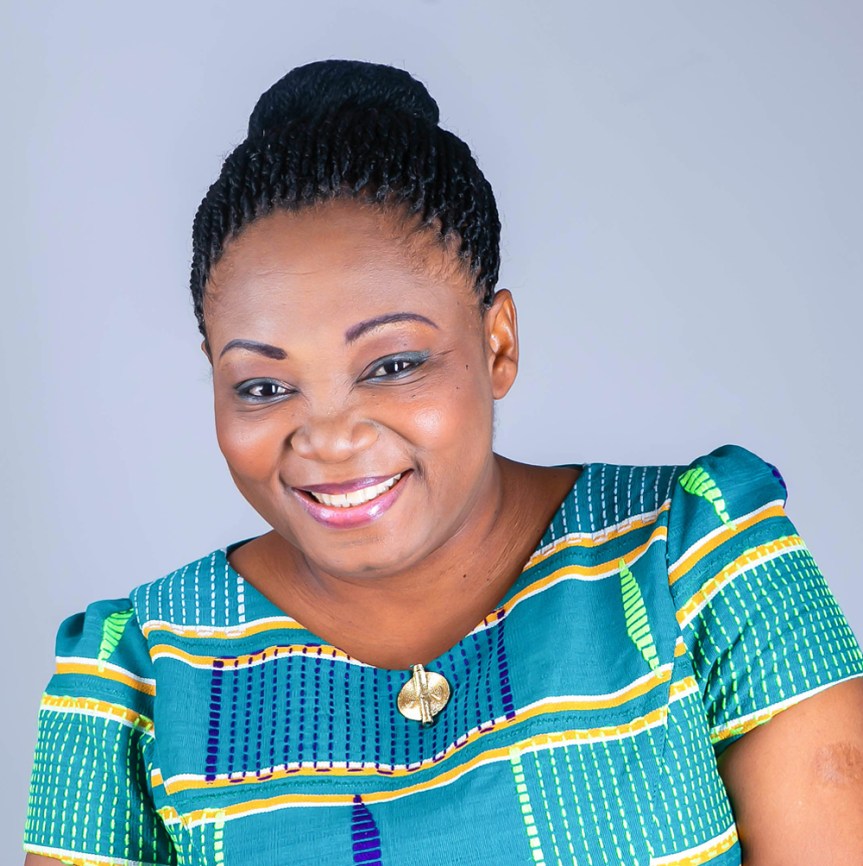
Mei Lin is co-founder of the People-Centered Internet with Vint Cerf, is a tech pioneer in CRM and the future of health. She leads global efforts in digital public infrastructure, focused on bridging the gap so global finance can reach MSMEs everywhere (Singapore).

Full details of the book are available through the following links:


Other recent episodes

Digital Inclusion in an Unequal World (Episode 7) – G. ‘Hari’ Harindranath – How May Academics Help to Empower Marginalised Communities Through Digital Tech? ICT4D Collective » ICT4D

Hari is Professor of Information Systems at Royal Holloway, University of London, UK, exploring how digital tech shapes lives, work, and society. Hari is passionate about impact, collaborates with communities to address digital inequalities, and sometimes even gets policymakers to listen. He thinks research should do good, not just look good (UK). Full details of … Continue reading Digital Inclusion in an Unequal World (Episode 7) – G. ‘Hari’ Harindranath – How May Academics Help to Empower Marginalised Communities Through Digital Tech?
  1. Digital Inclusion in an Unequal World (Episode 7) – G. ‘Hari’ Harindranath – How May Academics Help to Empower Marginalised Communities Through Digital Tech?
  2. Digital Inclusion in an Unequal World (Episode 6) – Mei Lin Fung on “Learning from Land Rights so Data Rights are Right from the Get Go”.
  3. Digital Inclusion in an Unequal World (Episode 5) – Domenico Fiormonte on “The Geopolitics of Digital Knowledge”.

Digital Inclusion in an Unequal World (Episode 5) – Domenico Fiormonte on “The Geopolitics of Digital Knowledge”.

This is the fifth episode of our podcast based on the vignettes contributed by friends and colleagues to Tim Unwin’s new book Digital Technologies in an Unequal World: An Empancipatory Manfesto. In it, Domenico asks the important question “So who has the power today to ‘represent’ digitally the world’s languages, the core of human cultures?”. He answers: “It is a group of Western, predominantly English-speaking and U.S.-based corporations”. However, he concludes optimistically that “the real Web is becoming multilingual and multicultural, regardless of all its hegemonic and mainstream representations”

Audio in Italian

The full vignette can be read in English here.

Domenico is Associate Professor at the University of Roma Tre and Research Associate at the University of Dar es Salaam, where he teaches courses on Sociology of Communication, Geopolitics of Knowledge, and Digital Humanities. His latest book is Para una crítica del texto digital. Filología, literatura y redes (A Coruña, 2023) (Italy and Tanzania).

Full details of the book are available through the following links:


Other recent episodes

Digital Inclusion in an Unequal World (Episode 7) – G. ‘Hari’ Harindranath – How May Academics Help to Empower Marginalised Communities Through Digital Tech? ICT4D Collective » ICT4D

Hari is Professor of Information Systems at Royal Holloway, University of London, UK, exploring how digital tech shapes lives, work, and society. Hari is passionate about impact, collaborates with communities to address digital inequalities, and sometimes even gets policymakers to listen. He thinks research should do good, not just look good (UK). Full details of … Continue reading Digital Inclusion in an Unequal World (Episode 7) – G. ‘Hari’ Harindranath – How May Academics Help to Empower Marginalised Communities Through Digital Tech?
  1. Digital Inclusion in an Unequal World (Episode 7) – G. ‘Hari’ Harindranath – How May Academics Help to Empower Marginalised Communities Through Digital Tech?
  2. Digital Inclusion in an Unequal World (Episode 6) – Mei Lin Fung on “Learning from Land Rights so Data Rights are Right from the Get Go”.
  3. Digital Inclusion in an Unequal World (Episode 5) – Domenico Fiormonte on “The Geopolitics of Digital Knowledge”.

Digital Inclusion in an Unequal World (Episode 4) – Pari Esfandiari’s contribution to “Nigel Hickson: a digital life well lived for others”

This is the fourth episode of our podcast based on the vignettes contributed by friends and colleagues to Tim Unwin’s new book Digital Technologies in an Unequal World: An Empancipatory Manfesto. Our dear friend and colleague, Nigel Hickson was to have written one of these vignettes based on his wealth of experience working on Internet Governance, especially for the British Government and ICANN, but his untimely death meant that he was unable to complete it. Instead, some of his friends have contributed very short pieces on what it was that made him so special, and a model to follow for anyone wishing to work at the policy level to ensure that the poorest and most marginalised can benefit from the use of digital tech. The full vignette can be read here.

Pari’s work sits at the intersection of technology, geopolitics, and governance. She is President and Co-Founder of the Global TechnoPolitics Forum, advises international bodies, serves on ICANN’s At-Large Advisory Committee, was a Senior Fellow at the Atlantic Council, and helps leaders navigate digital transformation and global systems beyond borders (UK and USA).

Full details of the book are available through the following links:


Other recent episodes

Digital Inclusion in an Unequal World (Episode 7) – G. ‘Hari’ Harindranath – How May Academics Help to Empower Marginalised Communities Through Digital Tech? ICT4D Collective » ICT4D

Hari is Professor of Information Systems at Royal Holloway, University of London, UK, exploring how digital tech shapes lives, work, and society. Hari is passionate about impact, collaborates with communities to address digital inequalities, and sometimes even gets policymakers to listen. He thinks research should do good, not just look good (UK). Full details of … Continue reading Digital Inclusion in an Unequal World (Episode 7) – G. ‘Hari’ Harindranath – How May Academics Help to Empower Marginalised Communities Through Digital Tech?
  1. Digital Inclusion in an Unequal World (Episode 7) – G. ‘Hari’ Harindranath – How May Academics Help to Empower Marginalised Communities Through Digital Tech?
  2. Digital Inclusion in an Unequal World (Episode 6) – Mei Lin Fung on “Learning from Land Rights so Data Rights are Right from the Get Go”.
  3. Digital Inclusion in an Unequal World (Episode 5) – Domenico Fiormonte on “The Geopolitics of Digital Knowledge”.

Digital Inclusion in an Unequal World (Episode 3) – Ken Banks on Memories of Innovation for the Most Marginalised

This is the third episode of our podcast based on the vignettes contributed by friends and colleagues to Tim Unwin’s new book Digital Technologies in an Unequal World: An Empancipatory Manfesto. In it, Ken focuses perceptively on the reasons why so many digital initiative notionally intended to help the poor often fail to do so. As he says “I worked for 15 years trying to give a voice to, and support, the work of grassroots organisations through digital tech, but
my frustration in a wider development system that didn’t seem to want to do what they knew was best for those they were meant to serve eventually forced me to step away”. The full vignette can be read here.

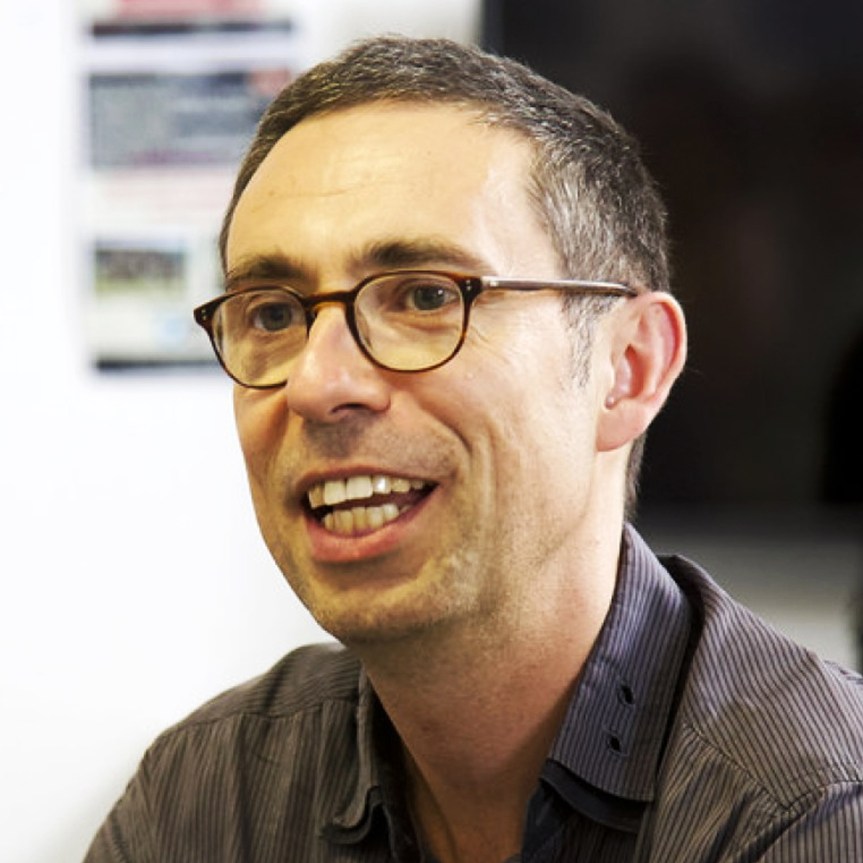
Ken (kiwanja.net) is a social innovator, author and technologist known for developing tools that empower grassroots change. He founded kiwanja.net and created FrontlineSMS, helping communities worldwide. His work bridges technology, development and impact, earning global recognition for supporting social entrepreneurs, local leaders and underrepresented voices through practical, human-centred solutions (UK).

Full details of the book are available through the following links:


Other recent episodes

Digital Inclusion in an Unequal World (Episode 7) – G. ‘Hari’ Harindranath – How May Academics Help to Empower Marginalised Communities Through Digital Tech? ICT4D Collective » ICT4D

Hari is Professor of Information Systems at Royal Holloway, University of London, UK, exploring how digital tech shapes lives, work, and society. Hari is passionate about impact, collaborates with communities to address digital inequalities, and sometimes even gets policymakers to listen. He thinks research should do good, not just look good (UK). Full details of … Continue reading Digital Inclusion in an Unequal World (Episode 7) – G. ‘Hari’ Harindranath – How May Academics Help to Empower Marginalised Communities Through Digital Tech?
  1. Digital Inclusion in an Unequal World (Episode 7) – G. ‘Hari’ Harindranath – How May Academics Help to Empower Marginalised Communities Through Digital Tech?
  2. Digital Inclusion in an Unequal World (Episode 6) – Mei Lin Fung on “Learning from Land Rights so Data Rights are Right from the Get Go”.
  3. Digital Inclusion in an Unequal World (Episode 5) – Domenico Fiormonte on “The Geopolitics of Digital Knowledge”.

Digital Inclusion in an Unequal World (Episode 2) – Marine Al Dahdah on The Digital Privatisation of India’s Administration

This is the second episode of our podcast based on the vignettes contributed by friends and colleagues to Tim Unwin’s new book Digital Technologies in an Unequal World: An Empancipatory Manfesto. In it, Marine focuses critically on aspects of the digital privatisation of India’s administrative systems. The vignette can also be read here.

Marine is a sociologist and a CNRS Fellow at the Center for the Study of Social Movements (EHESS-Paris) and French Institute of Pondicherry in India. Her research focuses on digital policies in Asia and Africa and more particularly on digital health in India, Ghana and Kenya (France and India).

Full details of the book are available through the following links:


Other recent episodes

Digital Inclusion in an Unequal World (Episode 7) – G. ‘Hari’ Harindranath – How May Academics Help to Empower Marginalised Communities Through Digital Tech? ICT4D Collective » ICT4D

Hari is Professor of Information Systems at Royal Holloway, University of London, UK, exploring how digital tech shapes lives, work, and society. Hari is passionate about impact, collaborates with communities to address digital inequalities, and sometimes even gets policymakers to listen. He thinks research should do good, not just look good (UK). Full details of … Continue reading Digital Inclusion in an Unequal World (Episode 7) – G. ‘Hari’ Harindranath – How May Academics Help to Empower Marginalised Communities Through Digital Tech?
  1. Digital Inclusion in an Unequal World (Episode 7) – G. ‘Hari’ Harindranath – How May Academics Help to Empower Marginalised Communities Through Digital Tech?
  2. Digital Inclusion in an Unequal World (Episode 6) – Mei Lin Fung on “Learning from Land Rights so Data Rights are Right from the Get Go”.
  3. Digital Inclusion in an Unequal World (Episode 5) – Domenico Fiormonte on “The Geopolitics of Digital Knowledge”.

Digital Inclusion in an Unequal World (Episode 1) – Tendani Mulanga Chimboza on the exploitation of young women: digital tech at the heart of the immoral economy

This is the first episode of our podcast based on the vignettes contributed by friends and colleagues to Tim Unwin’s new book Digital Technologies in an Unequal World: An Empancipatory Manfesto. In it, Tendani highlights how digital tech is being used to exploit young women in southern Africa. The vignette can also be read here.

Tendani is a passionate and driven professional committed to making a difference through inclusive leadership, academic excellence, and impactful research. She advocates for representation and social justice, using technology to empower communities. Her work bridges academia (UCT), corporate insight, and public engagement to drive ethical digital transformation across Africa (South Africa).

Full details of the book are available through the following links:


Other recent episodes

Digital Inclusion in an Unequal World (Episode 7) – G. ‘Hari’ Harindranath – How May Academics Help to Empower Marginalised Communities Through Digital Tech? ICT4D Collective » ICT4D

Hari is Professor of Information Systems at Royal Holloway, University of London, UK, exploring how digital tech shapes lives, work, and society. Hari is passionate about impact, collaborates with communities to address digital inequalities, and sometimes even gets policymakers to listen. He thinks research should do good, not just look good (UK). Full details of … Continue reading Digital Inclusion in an Unequal World (Episode 7) – G. ‘Hari’ Harindranath – How May Academics Help to Empower Marginalised Communities Through Digital Tech?
  1. Digital Inclusion in an Unequal World (Episode 7) – G. ‘Hari’ Harindranath – How May Academics Help to Empower Marginalised Communities Through Digital Tech?
  2. Digital Inclusion in an Unequal World (Episode 6) – Mei Lin Fung on “Learning from Land Rights so Data Rights are Right from the Get Go”.
  3. Digital Inclusion in an Unequal World (Episode 5) – Domenico Fiormonte on “The Geopolitics of Digital Knowledge”.

Reflections on research practice in the interests of migrants

Participants in the workshop (without the convenors!)

Members of the ICT4D Collective have been actively involved as Work Package 9 in the MIDEQ Hub since 2019, focusing especially on ways through which migrants can use digital tech to improve their lives, and thereby reduce the inequalities associated with migration. The Hub held its final major symposium in Rio de Janeiro in September 2023, and Tim Unwin, Hari Harindranath and Maria Rosa Lorini from the Collective, together with Guilia Casentini from SOAS took this opportunity to convene a highly interactive workshop/roundtable for members of MIDEQ on the theme of “What works for migrants: reflections on research practice in the interests of migrants”. The fundamental purpose of this was to explore how migrants may have benefited from our work, and how we might know what impact we may actually have had on them.

Heard in passing during our research… When will such often heard comments be consigned to the past?

The workshop addressed four main themes:

  • How do we really know what migrants think about our work?
  • What have we found to be effective ways of gathering empirical evidence about
    outcomes experienced by migrants?
  • What have we found to be effective ways of disseminating our outputs so that
    migrants benefit from them?
  • What are good forms of “output”/intervention to improve migrant lives?

The discussion was highly interactive, and generated a mind map of our collective thoughts, based on which we have now crafted a working paper which combines a summary of what was said with some of our own ideas around these issues. This is freely available as Unwin, T., Casentini, G., Harindranath, G. and Lorini, M.R. (2023) What works for migrants: reflections on research practice in the interests of migrants, Egham: ICT4D Collective, Working Paper 1.

We very much hope that this will promote discussion and further interaction on the crucial subject of the extent to which academic research can positively impact the lives of poor and marigalised communites and how we can know what migrants actually think of what we do. Do share your views by adding a comment to this post, or please get in touch with us directly to carry the conversation forward,

Empowering Dreams: International Girls Day at Purpose Finders School, Cape Town

Maria Rosa Lorini and Memory Mwadziwana

A novel initiative to celebrate the International Day of the Girl Child took place in the vibrant city of Cape Town, South Africa, on 11th October.  This was driven by a collective commitment to disseminate the importance of safe, wise and secure use of digital technologies, one of the corner stones of Work Package 9 (WP9) within the MIDEQ Hub funded by the UK government’s UKRI GCRF.  This team is dedicated to harnessing the potential of digital tech to improve the lives of people and has dedicated much attention and care to discussing the side-effects of the digital world and to find ways to decrease any potential harms, especially when working with vulnerable groups.

Five of the migrants living in South Africa and trained in digital skills through MIDEQ’s WP9, organised and managed an event that stands as a testimony to the importance given by people from many different backgrounds to the safe, wise and secure use of digital tech, and also witnesses the power of autonomous action and community engagement. The ‘Big Five’, as the activists called themselves in a comparison with the charismatic South African megafauna, took it upon themselves to participate in a school event dedicated to girls. This event took on added significance given the unique challenges faced by girls in the digital landscape, including issues of sexual harassment and trafficking, particularly within the migrant community. The school is situated in an area characterized by a significant concentration of migrants, and the teachers there are well-informed about the delicate issues associated with xenophobia and hate speech. Their stydents comprises girls from various nationalities, including Kenya, Zimbabwe, Zambia, Angola, and the Democratic Republic of Congo. Notably, the facilitators, who hail from Zimbabwe and the Democratic Republic of Congo, were themselves also able to glean valuable insights from the small group conversations during the activities.

Pascal Avenvuka Mbu-Letang interacting with the young students. Photo Credit: Hentie Wilson

The autonomy and initiative of these migrants trained through WP9 shone through as they seized the opportunity to impart crucial knowledge on online safety and security. As facilitators, they valued the school and specifically the chance to contribute to an event focused on girls’ perspectives. This was just the right arena with a relevant audience to spread messages and initiate a conversation with both students and teachers on risky digital behaviours that are too often underestimated. Above all in marginalised areas affected by limited infrastructures and high inequalities, parents and teachers do not consider digital risks as a priority to worry about. Nevertheless, as the facilitators highlighted during their talks, more and more often technology is the conduit of sexual harassment initially online and soon afterwards in person.

To emphasize the importance of being cautious and discerning while online, the speakers posed a provocative question to the students, asking them who assists them at school. The young audience quickly responded, stating that they have friends. However, when a similar inquiry was made regarding social media, the students became uncertain and struggled to formulate their responses. Throughout the session, the facilitators carefully avoided sounding judgmental about common mistakes or limited knowledge of online risks and solutions. Instead, they tactfully encouraged students to reflect on aspects such as the potential for online tracking when sharing personal pictures of their daily activities.

These migrants are among the founders of the Fusion Avenue YouTube Channel – a collective of migrants living in South Africa dedicated to exploring cultures, ideas, and viewpoints with the goal to bridge gaps, celebrate differences, and find common ground.  With the consent of the school, the facilitators created a video reportage of the event, and have posted this on their channel (click also on the image below).

Join us on this journey as we delve into the details of this inspiring initiative, exploring how these dedicated facilitators catalysed the attention of their young audience and left a mark on the students and teachers with whom they engaged. This is a story of empowerment, autonomy, and the boundless potential of collaboratiion that we would like to tell though their own voices.


Memory Mwadziwana, one of the facilitators, captured the essence of the day in this way

Ladies and gentlemen, welcome to a recap of the extraordinary International Girls Day event! Ladies and gentlemen, this is Memory, reporting on the extraordinary International Girls Day event that took place on October 11th at the Purpose Finders School. It was a day that resonated with empowerment, education, and unity, leaving a profound impact on both the girls and the teachers who took part.

The day kicked off with a briefing by our dedicated organizers, laying the foundation for what would become a transformative experience at Purpose Finders School.

An emotional prayer permeated the air, symbolizing hope and unity and setting the tone for the day’s events. It was followed by a shout-out to the remarkable facilitators and organizers, including Fusion Avenue, Women African Weavers, DMS Ministry, and Purpose Finders School. Their unwavering dedication forged a sense of community, creating a collaborative atmosphere that would define the day.

The girls took centre stage, sharing poignant poems that transcended mere performance; they became acts of self-expression and empowerment. The bond between teachers and students strengthened as educators gained a newfound appreciation for the incredible talents of their charges.

Theatre sketch by the students about early pregnancy (Photo credit: Marlene Sitah)

A highlight of the event was Pascal’s presentation on online safety and security. Trained by the MIDEQ Project, Pascal and her colleagues brought forth critical topics, including personal data exposure, digital harassment, hate speech, and online scams. In an age dominated by digital interactions, this knowledge proved invaluable.

Reiterating the importance of online safety, the event underscored the significance of being vigilant and informed in the digital world. Teachers expressed gratitude for the invaluable knowledge, and the girls left with newfound confidence.

Pascal Avenvuka Mbu-Letang presenting personal data belongingness and life to the young students. Photo Credit: Michael Kanyinda

Reporting from the Purpose Finders School, this is Memory, signing off with a heart full of inspiration and hope for the continued empowerment of young minds.”


At the end of the event, a debriefing session took place among the facilitators and the teachers who were keen to discuss further involvement of the ‘Big Five’ in this learning process, starting from themselves as educators.

From our side in MIDEQ WP9, we can only wish the Fusion Avenue team more successful events such as this!

Our new identity as the ICT4D Collective

As of 1st August 2023, the UNESCO Chair in ICT4D at Royal Holloway, University of London has reverted to its original identity as the ICT4D Collective. We are a group of very diverse researchers and practitioners from across the world, bound together by our commitment to the highest possible quality of research-practice relating to the use of digital technologies in the interests of the world’s poorest and most marginalised people.

Meeting staff and students at the NIC's ICT and Electronics Innovation Lab in Pokhara,  Nepal, July 2023
Our last engagement as members of the UNESCO Chair in ICT4D: meeting staff and students at the NIC’s ICT and Electronics Innovation Lab in Pokhara, Nepal, July 2023

The Collective and the UNESCO Chair in ICT4D

The original ICT4D Collective was created in 2004, and evolved through an agreement in 2007 between UNESCO and Royal Holloway, University of London into the UNESCO Chair in ICT4D (Information and Communication Technologies for Development). UNESCO Chairs are groups of researchers in specific institutions undertaking work of direct relevance to UNESCO’s fields of competence, and they promote “international inter-university cooperation and networking to enhance institutional capacities through knowledge sharing and collaborative work”. Members of our UNESCO Chair have been very proud to have been associated with UNESCO for the last 16 years, and to have collaborated closely with many good friends in UNESCO’s Paris headquarters and field offices. We were also honoured that Houlin Zhao, the Secretary General of the International Telecommunications Union (ITU) between January 2015 and January 2023, and Jean Philbert Nsengimana, former Minister of Youth and Information and Communication Technology (MYICT) from Rwanda, were our Honorary Patrons.

The following are some of the things we have particularly enjoyed engaging in over the last 16 years:

  • Working together collegially in a truly multidisciplinary context, involving colleagues from Computer Science, Geography, Information Security, Law and Managament at Royal Holloway, University of London.
  • Creating one of the largest groups of postgraduates completing PhDs in the field of ICT4D during the late 2000s and early 2010s.
  • Crafting an extensive partnership network involving governments, the private sector and civil society, and sharing the lessons we have learnt about making partnerships successful.
  • Contributing our experiences in global discussions around the role of digital tech in international development, especially in the UN’s WSIS process (since its origins in 2003), and UNESCO’s many gatherings relating to education and technology.
  • Playing a leading role in the World Economic Forum and UNESCO’s Partnerships for Education initiative.
  • Working on the ground in support of diverse groups of marginalised people, especially those with disabilities, out of school youth, women in patriarchal societies, and migrants and refugees.
  • Being recognised as the 7th most influential global think tank in science and technology in the Go To Think Tanks Index Report for 2015 (we remained 15th in the 2020 index)

Quick links to aspects of our new identity

We are now re-energised as the ICT4D Collective, with 22 founding members drawn from 13 countries – we welcome new members who share our aims and principles. Quick links to our research and practice are available below:

An exciting future…

We all look forward to continuing the work started by the original ICT4D Collective almost 20 years ago, although we remain very sad that the new leadership team at Royal Holloway, University of London did not see value in the institution continuing to have a UNESCO Chair. Perhaps we represented voices from the past; perhaps we have been too critical and anarchic; perhaps we have just been honest and spoken truth to power. Whatever the reason, we will continue to have fun working together, we will continue to challenge the status quo, we will continue to point out the many harms caused by the use of digital tech, and we will continue to work with and support the world’s poorest and most marginalised peoples.

Why migrant technology research needs ‘values’ at its core

In a world where the fundamental human values of liberty, equality and fraternity are being challenged by digital technologies, research on how these technologies impact inequality and migration has never been more pressing.

Digital technologies are often implicated in stories around migration. Mobiles and mobile apps offer a lifeline for migrants in vulnerable situations; a means to connect with their past and to engage with their present.

But in many countries, digital technologies are also at the centre of state surveillance and anti-migrant propaganda. Access to technologies and capacity to use them effectively also vary across communities and individuals. Digital technologies create a kind of paradox: they empower but also create vulnerabilities and even inequalities.

How we use digital technologies to address the migration-inequality-development nexus matters. The values that underpin these efforts matter more. Migrant technology can only genuinely claim to address migrant concerns when it starts and ends with those affected by these technologies – the migrant themselves.

But this raises a couple of questions. How are the problems that migrants face being addressed by digital technologies? Will these technologies create other problems, vulnerabilities or inequalities? How can we fundamentally shift the focus of migrant technology research from the technologies that underpin it to the values that underpin their use?

Answers to these difficult questions aren’t easy. As we embark on a five-year project to understand the role Information Communication Technology (ICT) can play in addressing inequalities in the context of South-South migration, here are three key principles driving us:

  • There is nothing inherently good about digital technology. It can be used to do good or harm.
  • Digital development interventions are often technologically deterministic and have unintended social consequences. Both can lead to failure. Therefore, we must address not just the technological aspects, important as they are, but also the social processes that underpin their use in particular contexts. Different migration contexts may have different needs, and may likely need different kinds of technological interventions.
  • Development outcomes and meaningful user engagement are not inevitable in technology-related interventions. We must find ways to engage users in their context to ensure that interventions are both relevant and sustainable, while maximising positive outcomes and minimising negative social impacts.

Migrant technology research needs to put values at its core. It must reflect the values that we privilege, particularly when we are required to make difficult trade-offs.

When freedom of choice is constrained by the socio-political and legal context, when equality of access is constrained by the cultural context, or when fraternity is impeded by privacy concerns in risky and vulnerable contexts – these values will be integral.

Ultimately, recognising the multifaceted nature of the migrant context means being particularly mindful of the values we may seek to promote through technology interventions.


[Originally posted on MIDEQ site on 31 August 2019]

Participating in IFLA’s President’s Meeting and Ministerial Forum, Buenos Aires, 22-23 May 2019

The International Federation of Library Associations and Institutions (IFLA) convened a Forum of Ministers and Secretaries of Culture of Latin America and the Caribbean on 22nd May, followed by its 2019 President’s meeting on the theme of Motors of change: libraries and sustainable development on 23rd May, both in Buenos Aires.  These important meetings provided a valuable opportunity for those actively involved in the role of libraries in contributing to the development of Latin American and Caribbean countries to share ideas and experiences, and agree on ways through which their work can be further enhanced.  Tim Unwin, as Chairholder of our UNESCO Chair in ICT4D, was honoured to have been invited to give a keynote address, and was delighted to have participated in both days of discussions.

Ministers ForumThe Forum of Minister and Secretaries of Culture was held in the very impressive Congress of the Argentine Nation, and provided an excellent opportunity for senior government officials from across the region to share presentations and discuss the theme of Libraries, Access to Information and the Sustainable Development Goals.  Welcoming participants, IFLA President Glòria Pérez-Salmerón reminded them of the theme of her presidency – Motors of Change – and underlined the difference that libraries can make, for so many people, in so many ways.  IFLA Secretary-General Gerald Leitner stressed to the ministers of the power they had in their hands, and made the case for ensuring that they – and libraries – are included fully in national development plans.  A key outcome of the meeting was the signing of the Buenos Aires Declaration which affirmed participating governments’ commitment to the UN 2030 Agenda, and to the power of libraries and access to information to achieve it.  The meeting also saw the launch of the second edition of the Development and Access to Information Report produced by IFLA and the Technology and Social Change Group (TASCHA) at the University of Washington, focusing especially on SDG4 (education), SDG8 (decent work and economic growth), SDG10 (inequalities), SDG13 (climate chage) and SDG16 (peace, justice and strong institutions), and edited by Stephen Wyber and Maria Garrido.

In the evening, there was a Cultural Gala in the Public Hall of the Library of the National Congress, which consisted of three main elements:

  • NachaA dance performance in two parts by the Arte Ballet Compañía: the Don Quijote suite, and Tiempos de Tango, with ideation, choreography and direction by María Fernanda Blanco.
  • Music played by the Chamber Orchestra of the Honorable Argentine Chamber of Deputies with a repertoire dedicated to the Argentine composer Astor Piazzolla, featuruing especially the saxophone soloist Jorge Retamoza.
  • A wonderful closing sequence of songs by the famous Argentine artist Nacha Guevara.

The 2019 President’s Meeting on 23rd May built on the themes of the Development and Access to Information Report, and began with a session of welcoming speeches by IFLA President Glòria Pérez-Salmerón, IFLA Secretary-General Gerald Leitner, Alejandro Lorenzo César Santa (General Coordinating Director, Library of the National Congress), and Rene Mauricio Valdes (United Nations Resident Coordinator, Argentina).  This was followed by Tim Unwin’s keynote speech on Libraries and Sustainable Development: challenges of inequality in a digital world (.pdf of slide deck), which:

  • Screenshot 2019-05-25 at 21.00.54Challenged those who believe that the SDGs will deliver on their aspirations;
  • Highlighted the role of digital technologies in leading to increasing inequalities;
  • Explored issues around power, knowledge and content;
  • Advocated for the important role that libraries can serve as open places and communal resource centres; and
  • Concluded by encouraging participants to have the will to make a difference.

In the afternoon, there were three sets of discussions and presentations by the authors of the Development and Access to Information Report and others on the following themes:

  • A Library Response to Global Challenges: What Can Libraries Contribute to International Efforts to Tackle the Issues that Affect the Planet?
  • Driving Development at a Local Level: Libraries Making a Difference to People’s Lives
  • Improving Decision-Making and Accountability: Libraries as Pillars of Democracy and Good Governance

These two days of lively and interesting discussion provided a wealth of ideas for all those participating from governments and libraries to implement on return to their own countries.  It was also a very valuable opportunity to build a network of people working at the interface between libaries and international development, especially in Latin America and the Caribbean.  Very many thanks are due to the hard work and hospitality of colleagues from IFLA and our Argentian hosts.