Following our impact activities in Brazil during 2024, Prof Hari Harindranath returned to Rio de Janeiro in June/July 2025 to work with our local research partner, Dr Heloisa Melino, and organisations there for a series of follow-on activities funded by Royal Holloway’s Social Science Impact Accelerator (SSIA). These included three main activities.
1. Amplifying the impact of our work through artistic means
Efeito Urbano, an arts organisation and social project, based in the Providência favela of Rio de Janeiro, showcased a creative performance on digital safety in the periferias which drew on SSIA-funded work previously undertaken by Collective members, Prof Harindranath, Prof Tim Unwin and Dr Heloisa Melino and the experiences of the artists themselves with social networks and digital technologies.
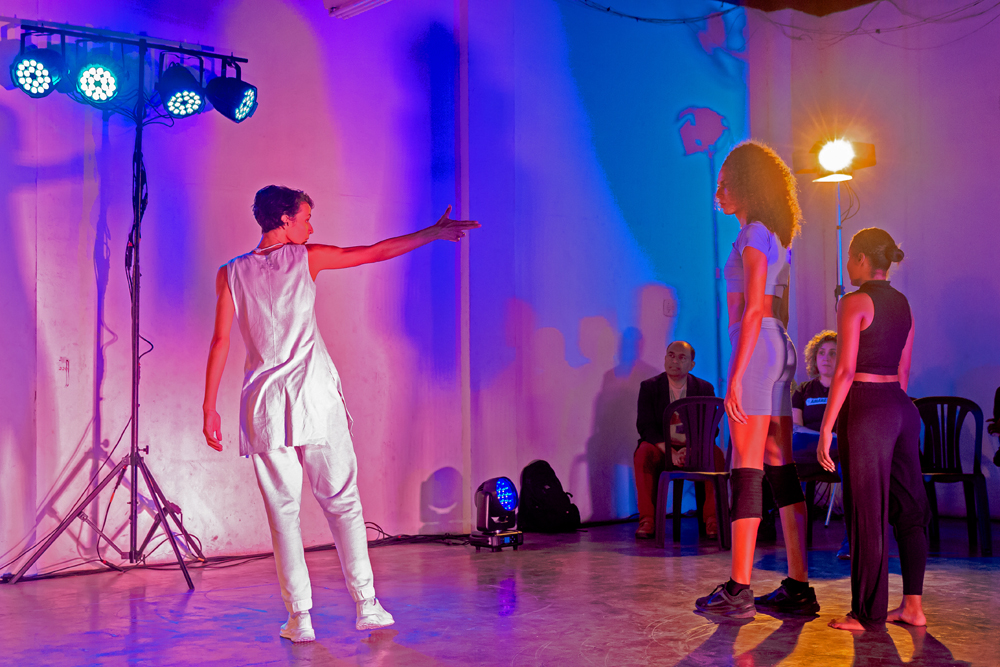
Efeito Urbano is the first professional dance company in Morro da Providência and has developed its own concept of creation and research, Dança Urbana Negra Periférica, based on the pillars of race, gender and territory as well as traditional and contemporary Afro-referenced dances, in addition to the diverse expressions and cultural manifestations of experiences in the favelas and peripheries
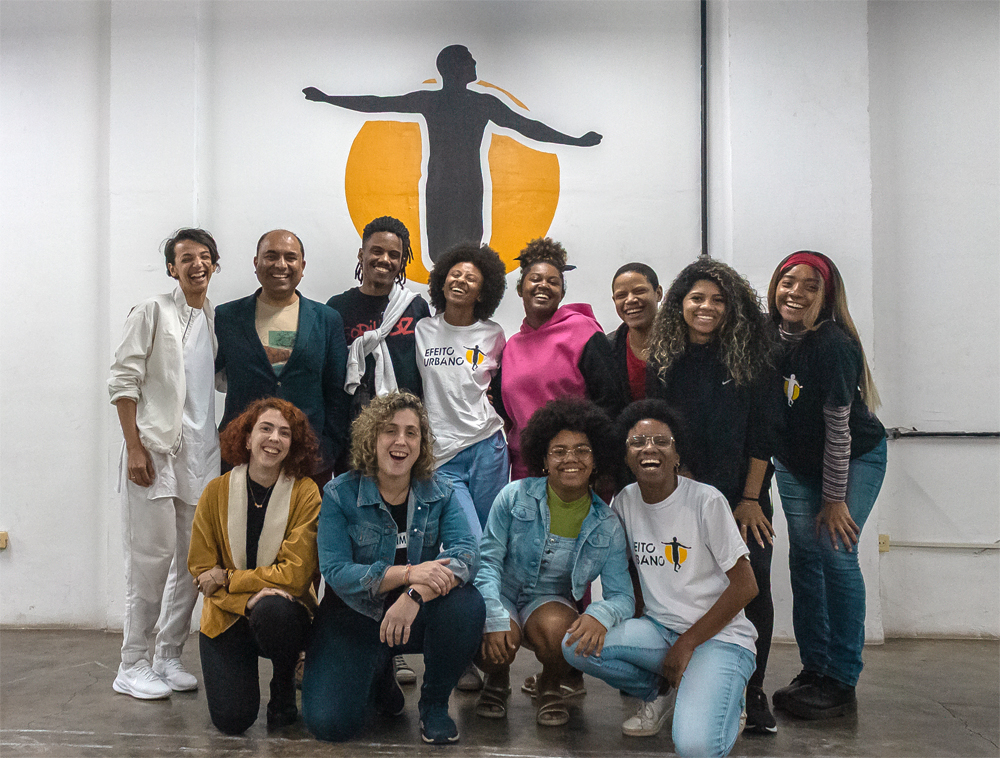

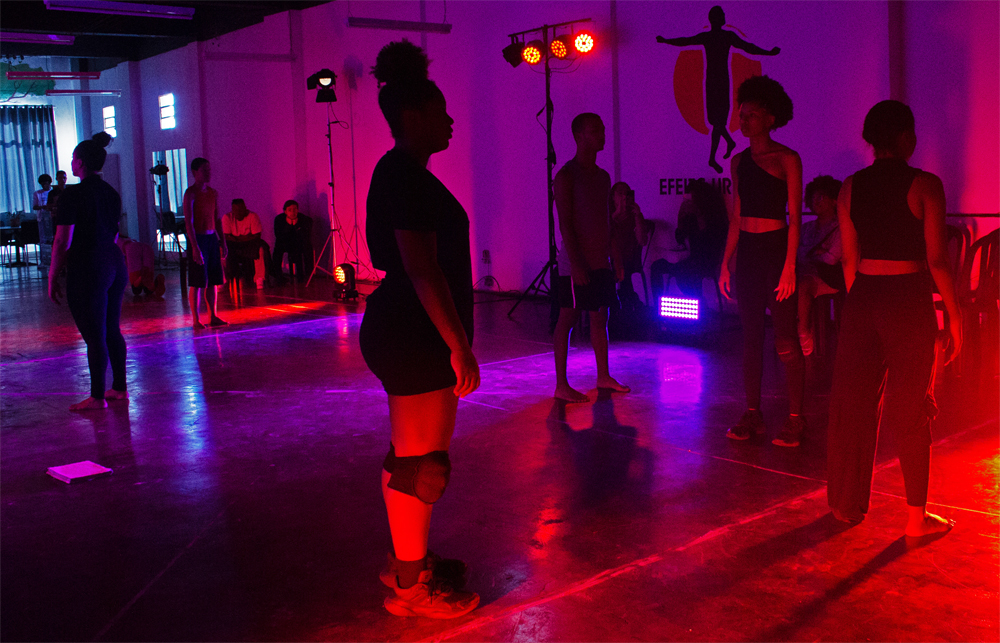

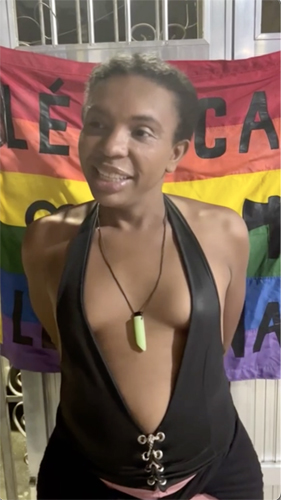
The dancers put on a stunning performance capturing the intertwining of physical and digital lives in the favelas of Rio (link here to a short video). Choreographer Juliana Mello explained that the performance was a starting point for their new residency aimed at reflecting, through the language of dance, how the peripheral body navigates, resists and reinvents itself in the digital environment, with its strengths, pitfalls and invisibilities. Producer Ellen Pereira da Costa talked about the importance of engaging young people through artistic means to spread important messages such as the safe, wise and secure use of digital tech in their contexts which are often characterised by scams, identity theft and violence, both physical and online. Their aim was “to explore the potential of art as a language that activates different senses compared to textual narratives, by engaging the body and movement in the exchange of knowledge on a topic as urgent and necessary as this – particularly among vulnerable populations, who make up the core audience of Instituto Efeito Urbano”.
2. Extending our work on the safe, wise and secure use of digital technologies by vulnerable groups
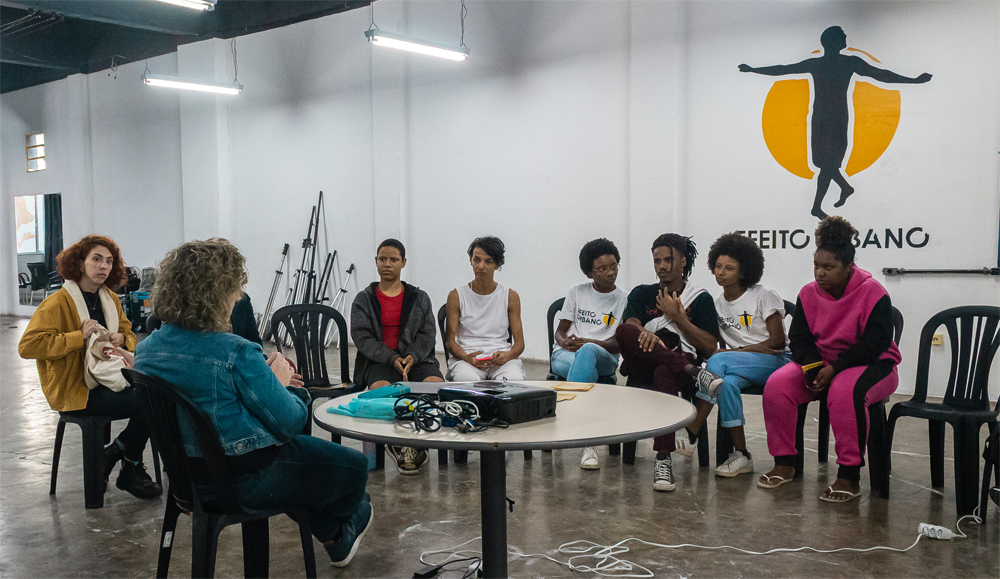
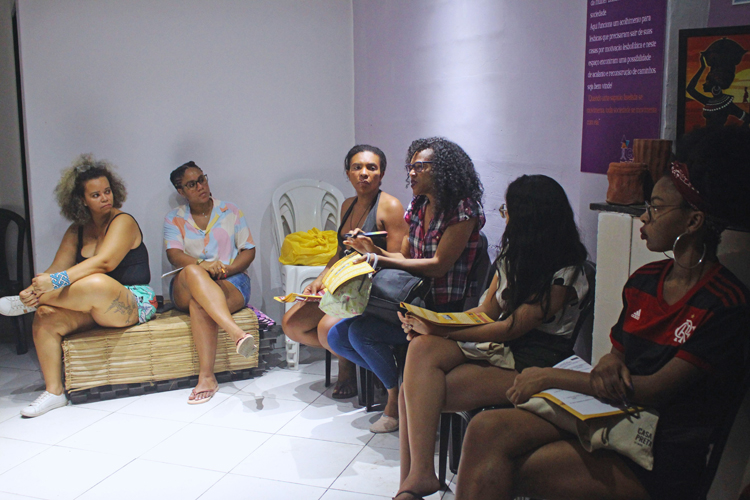
This visit allowed us to extend our work on digital safety nas periferias from our earlier focus on communities in the Maré favela of Rio de Janeiro to young people in the Morro da Providência favela and the surrounding areas. Following the Efeito Urbano performance, Hari and Heloisa led a workshop on the safe, wise and secure use of digital tech by vulnerable groups with some of the artists and members of the audience. Participants were keen to share their online experiences with each other and through the creation of a series of short videos.

3. Evidencing the impact of our ongoing work
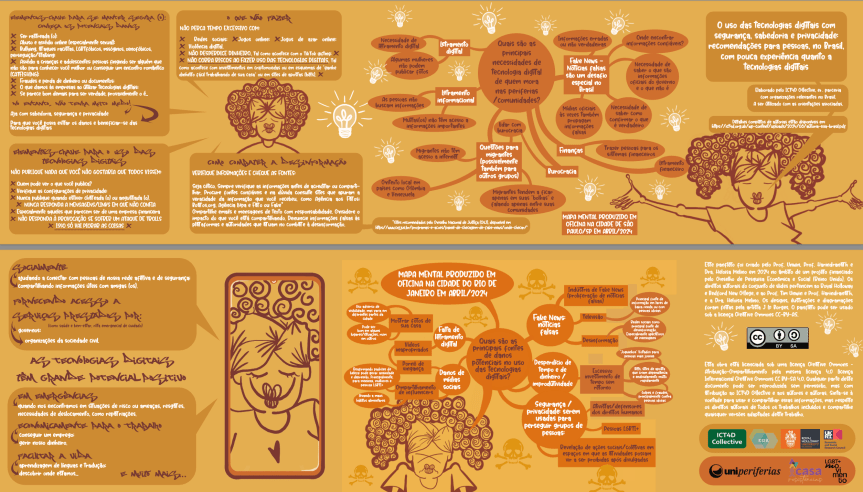
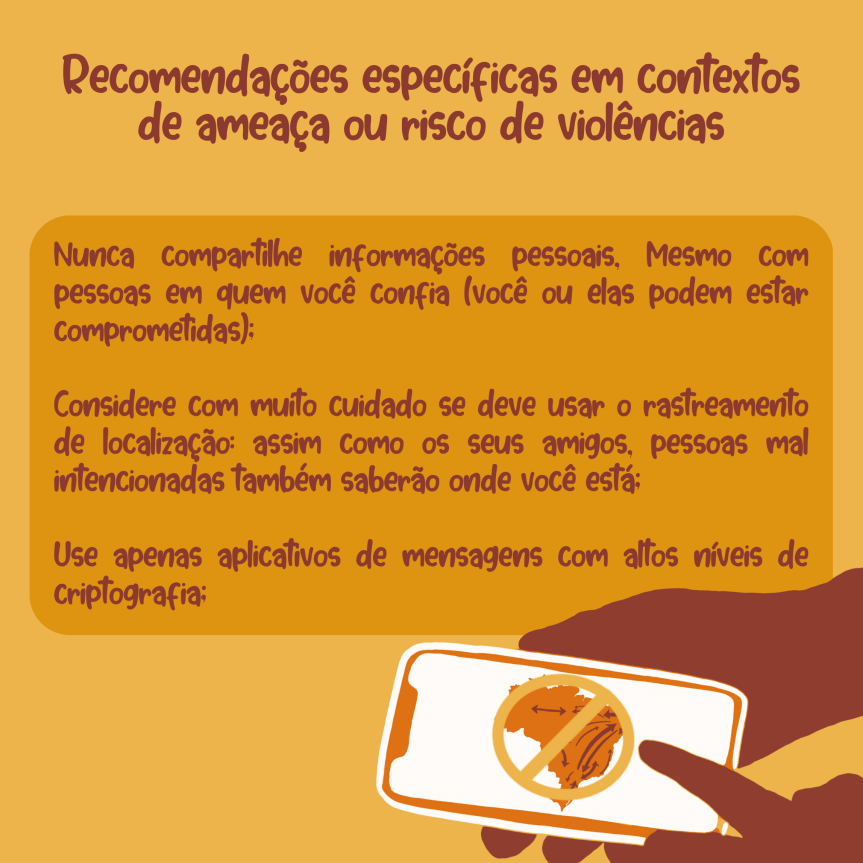
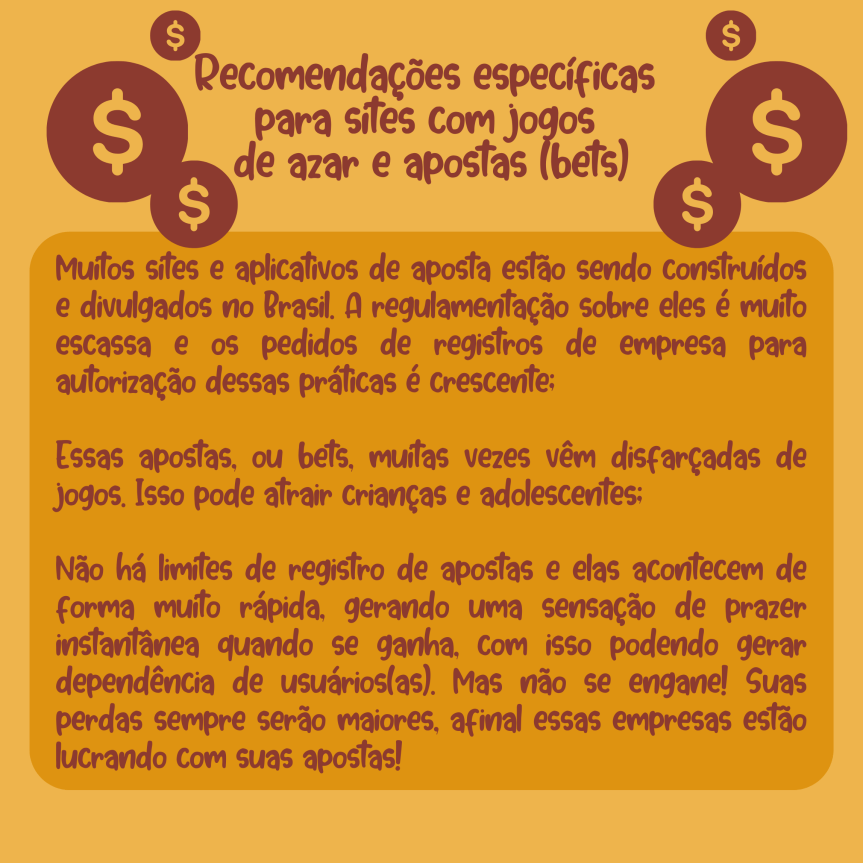
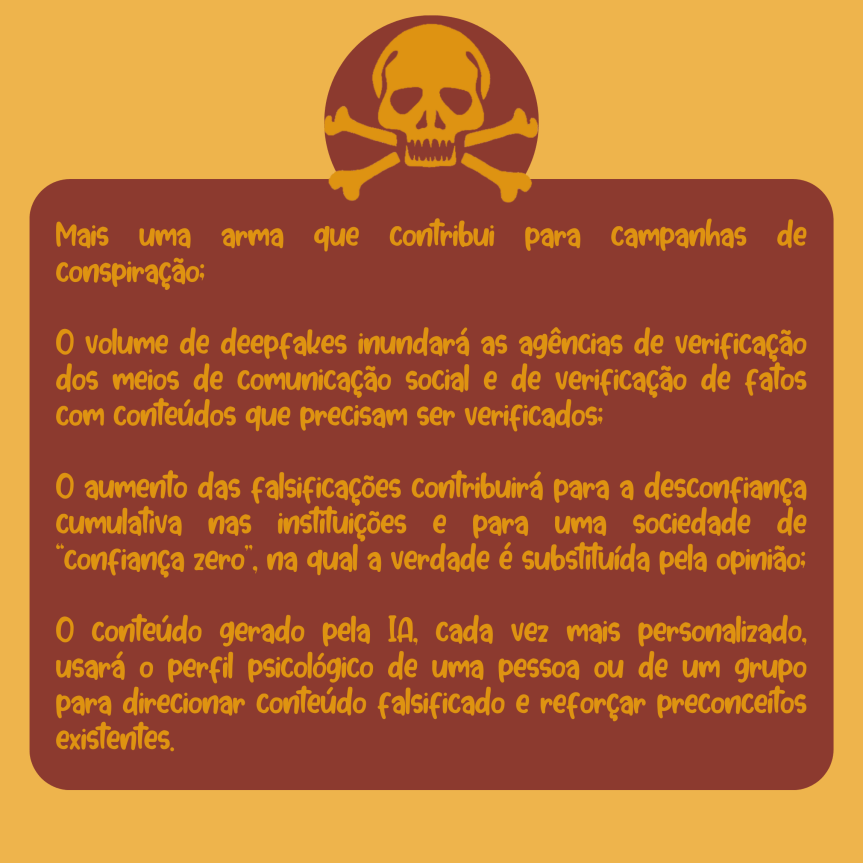
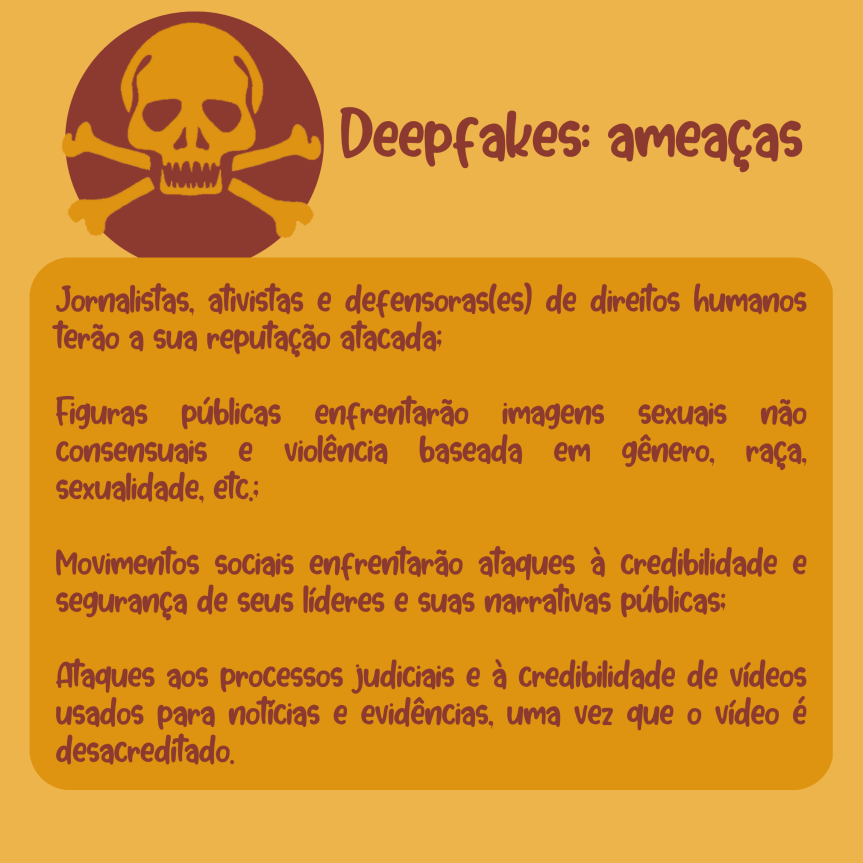
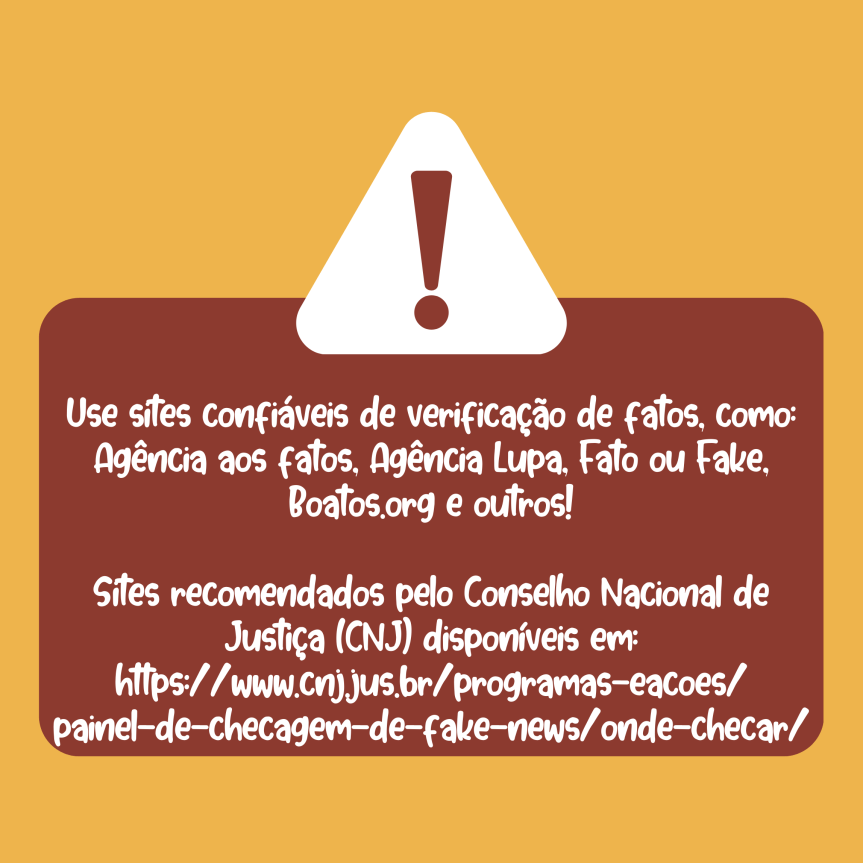
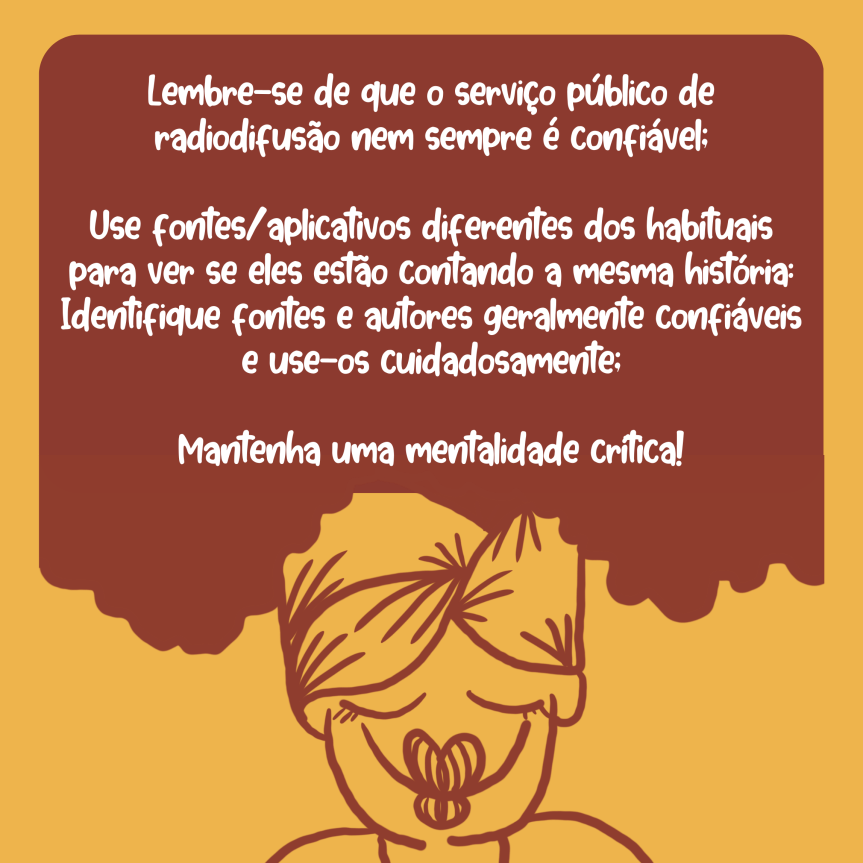
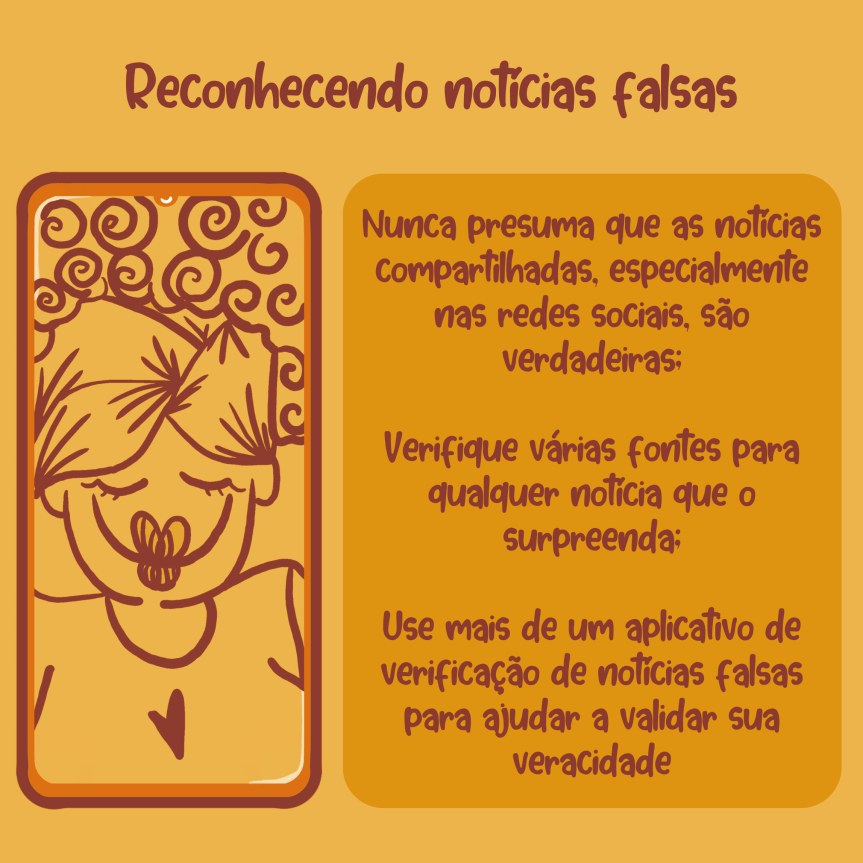
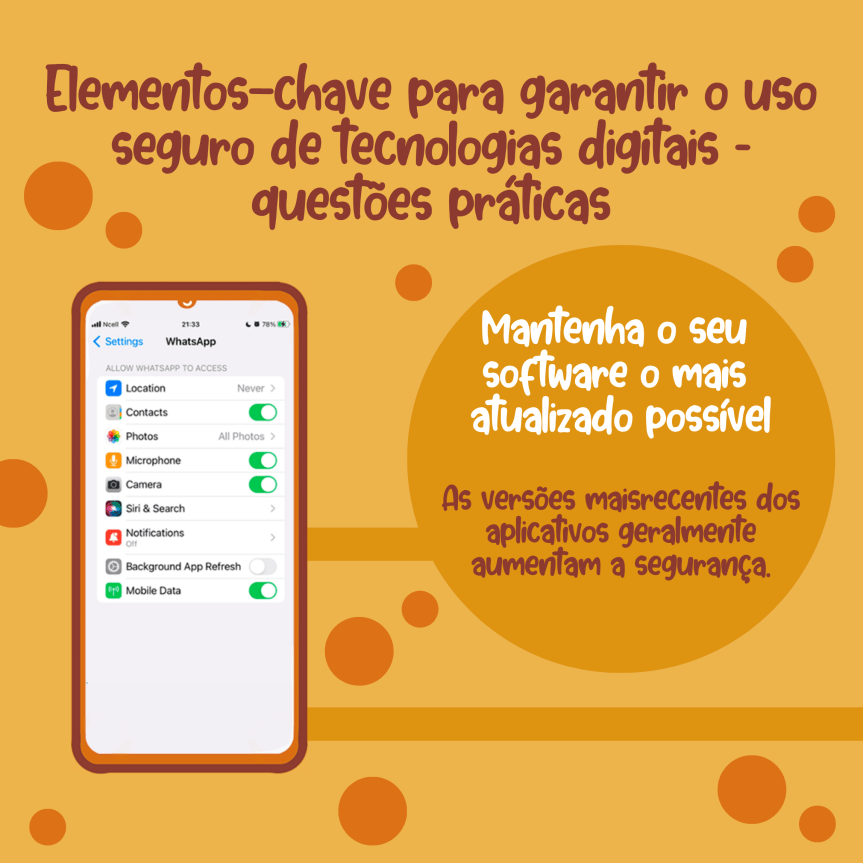
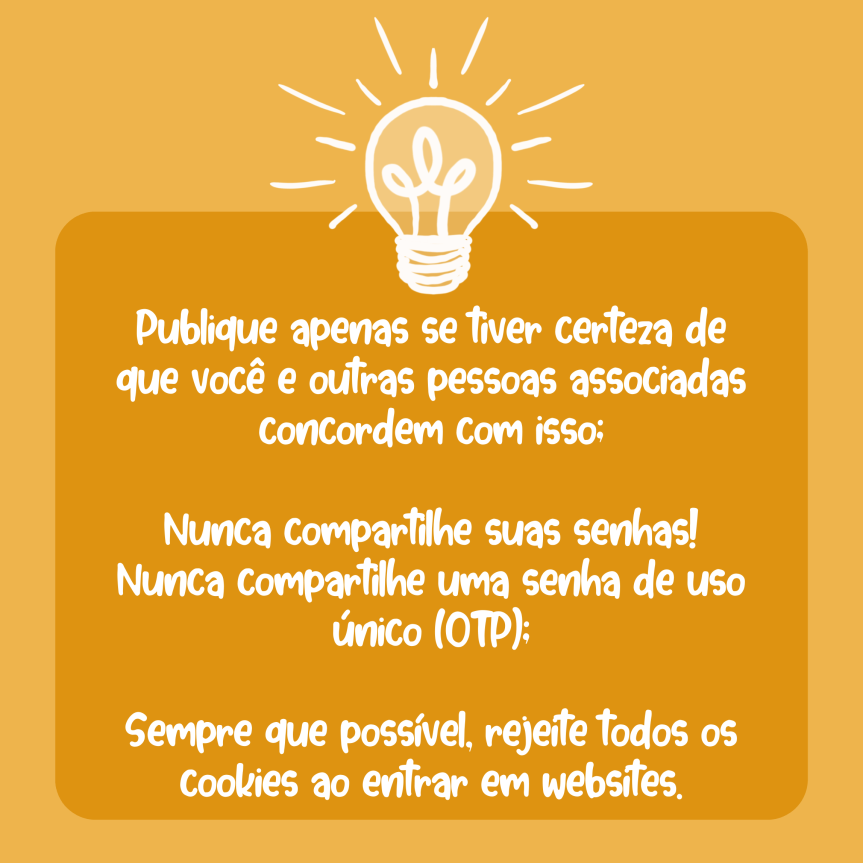
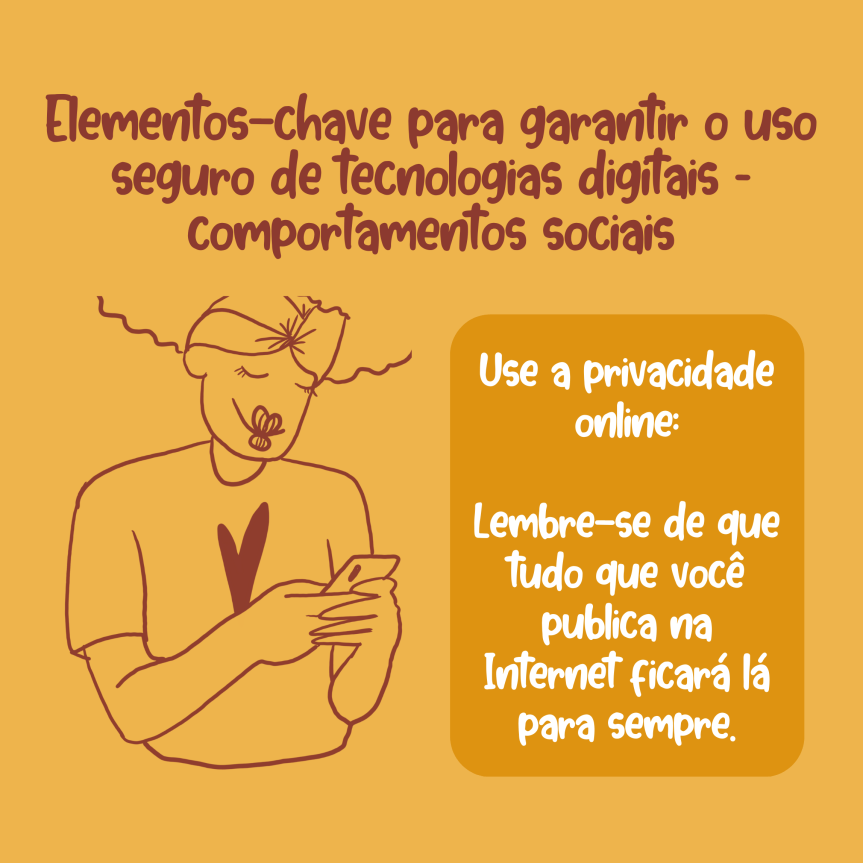
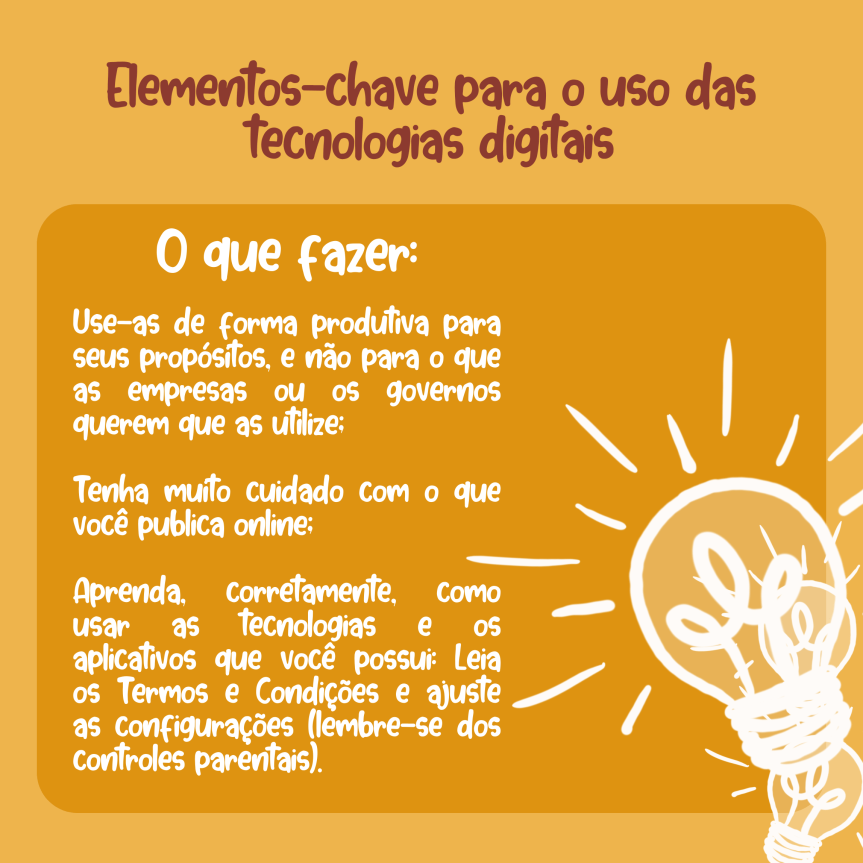
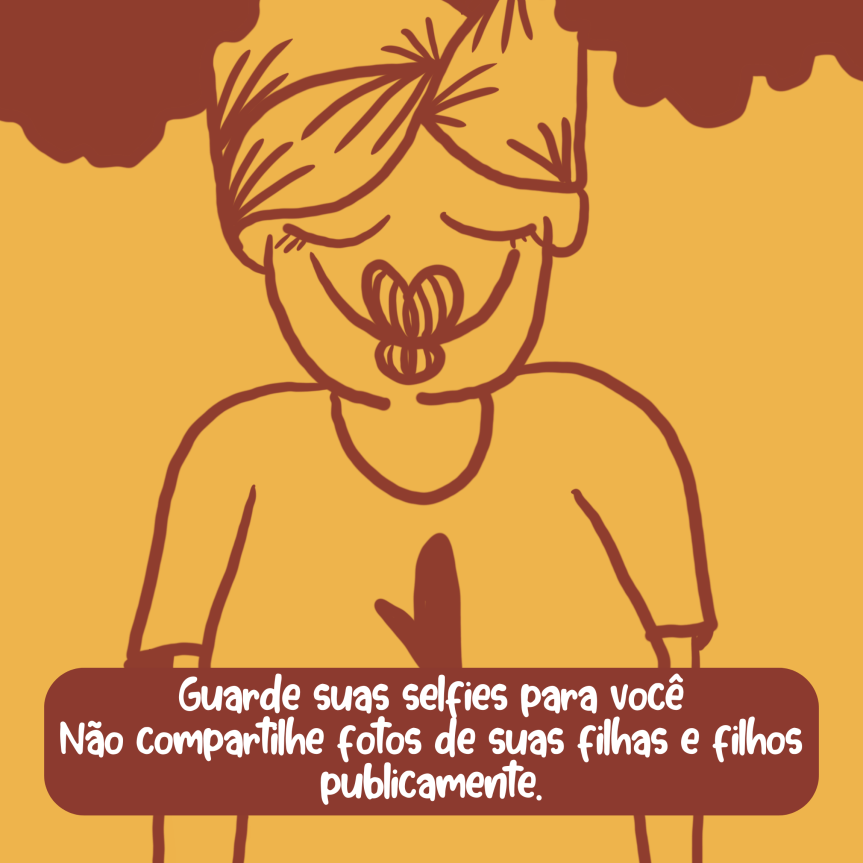
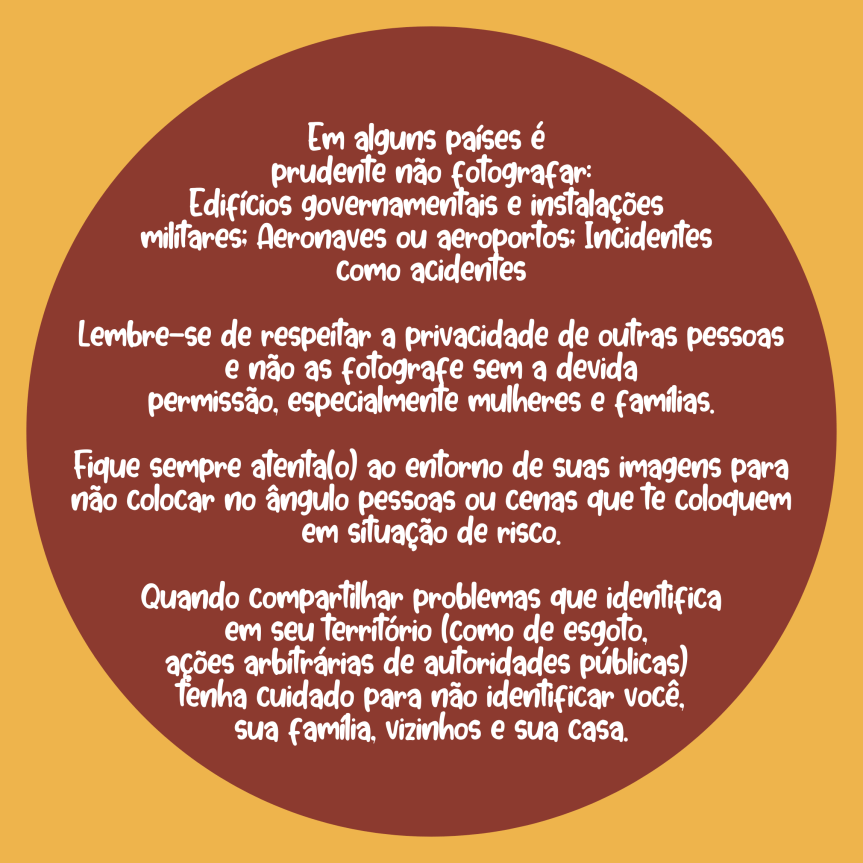
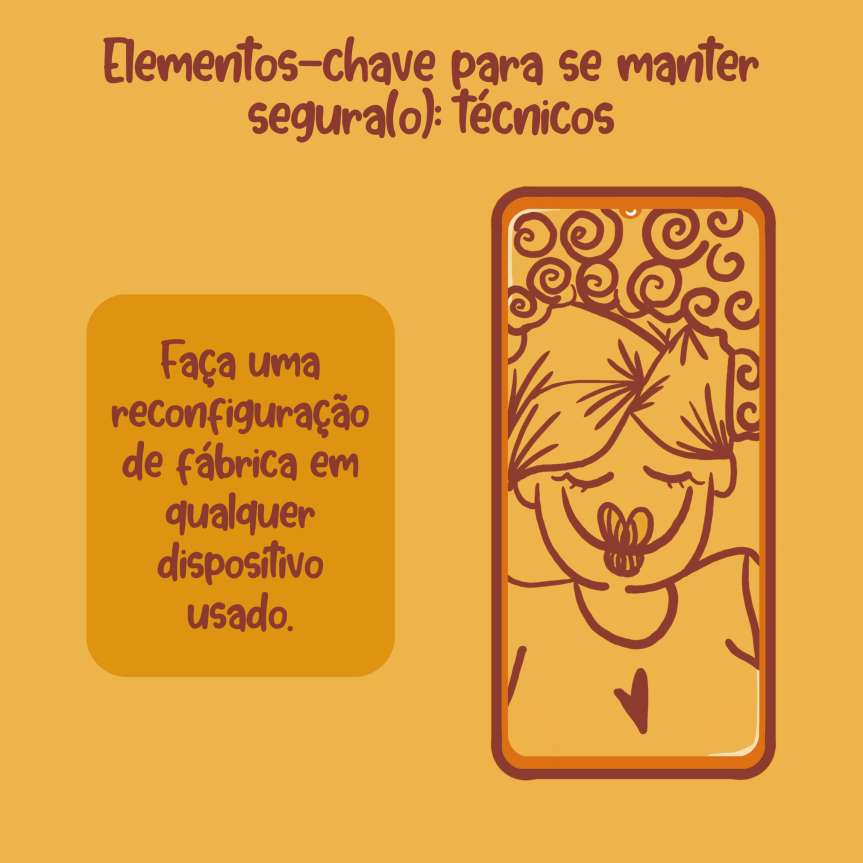
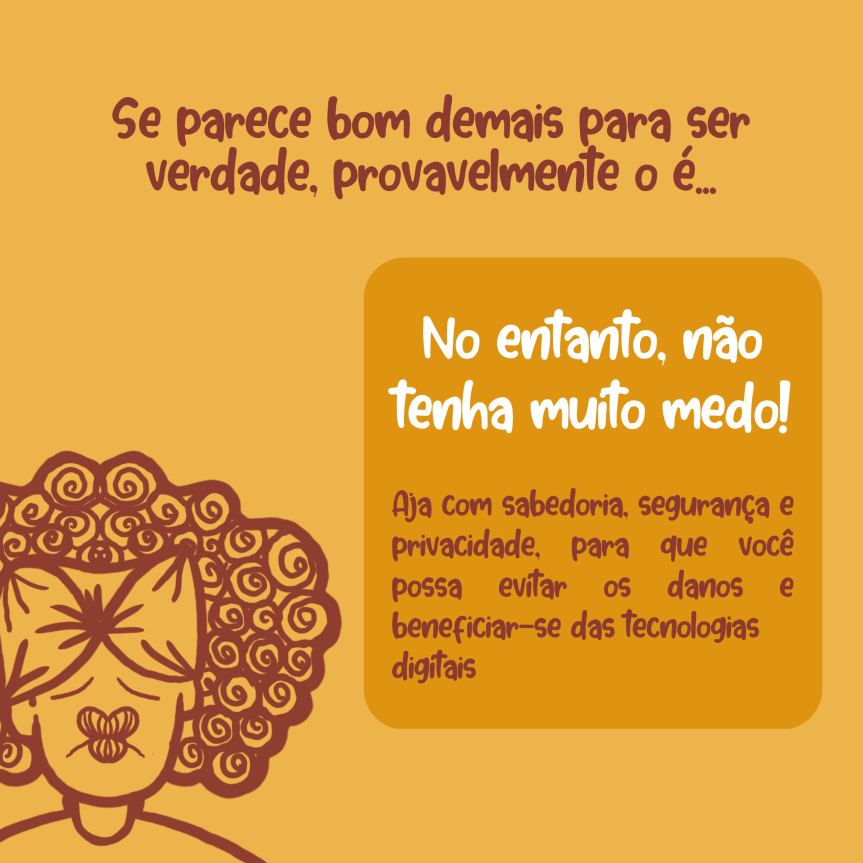
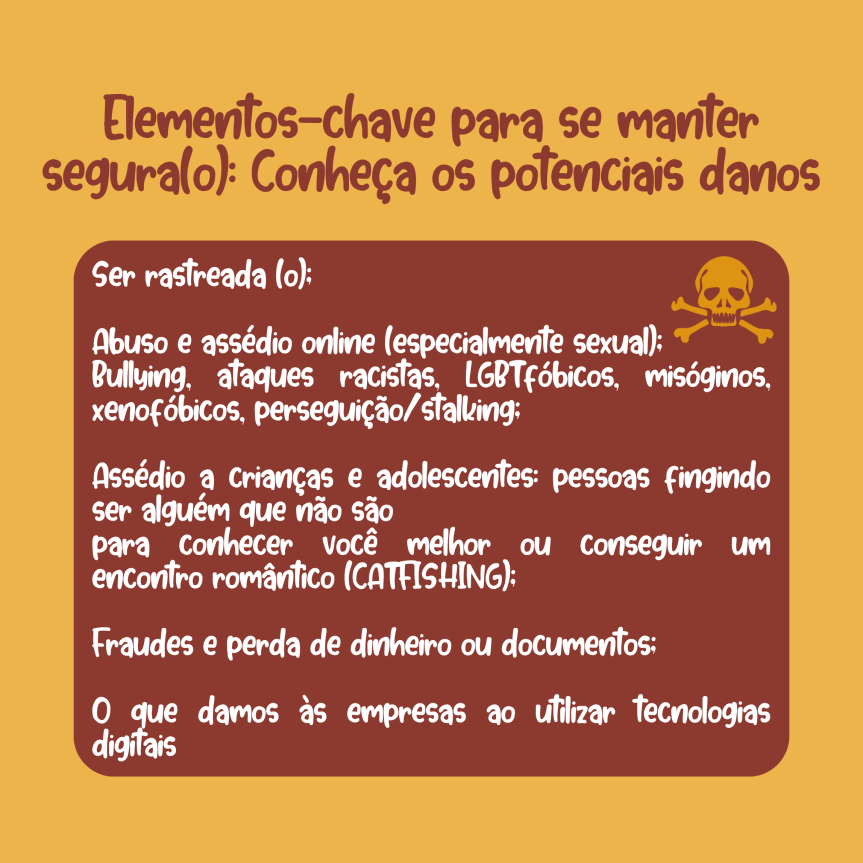
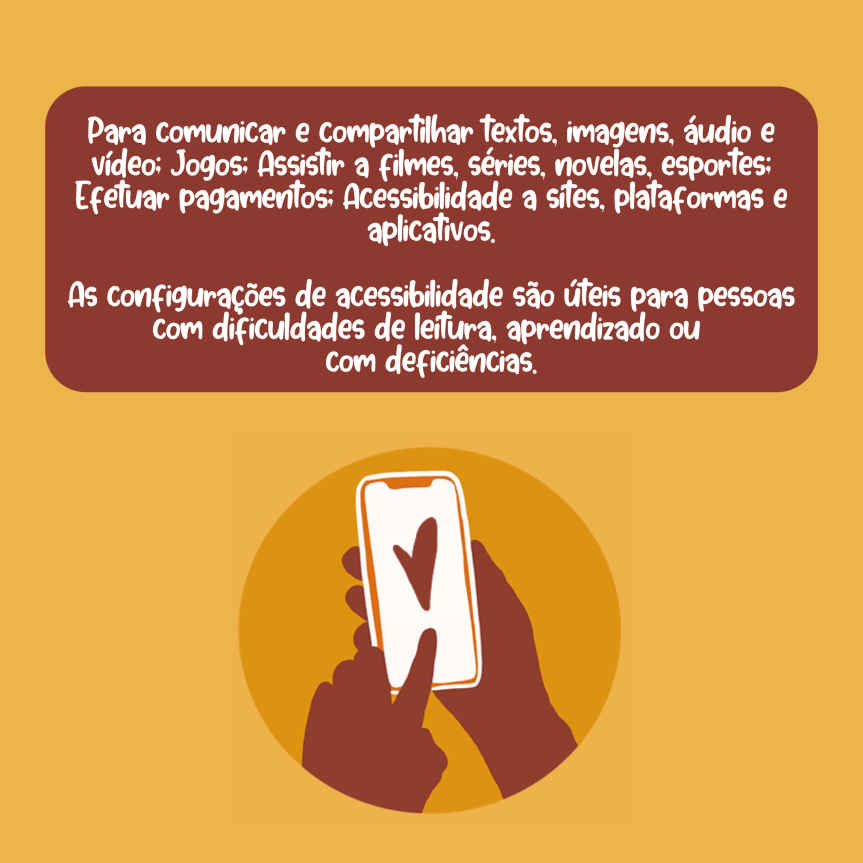
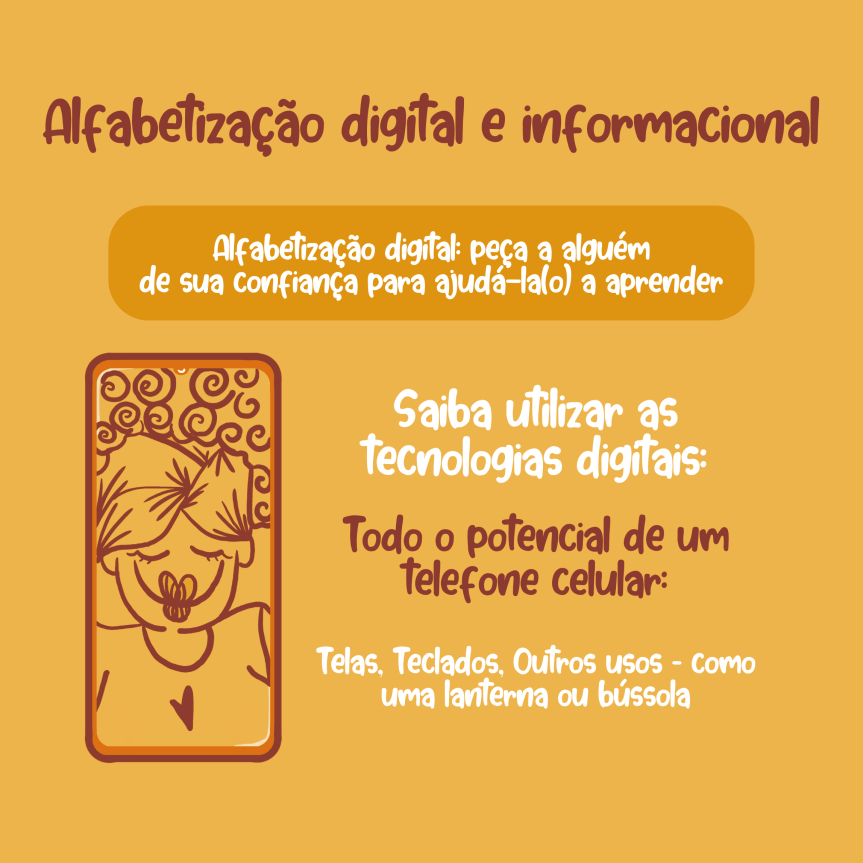
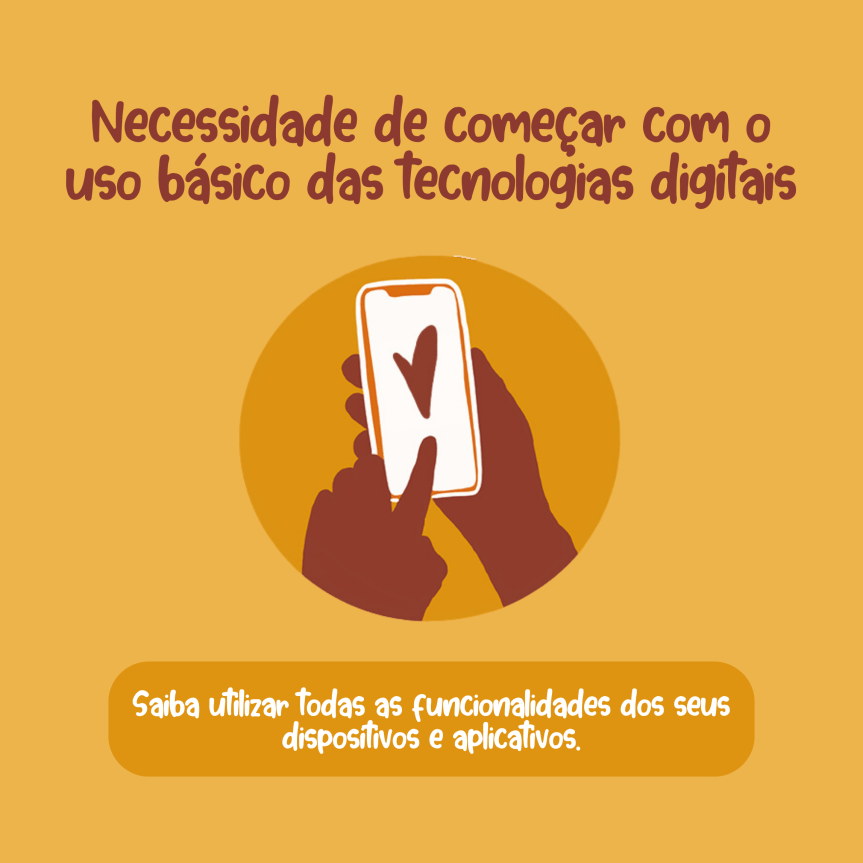
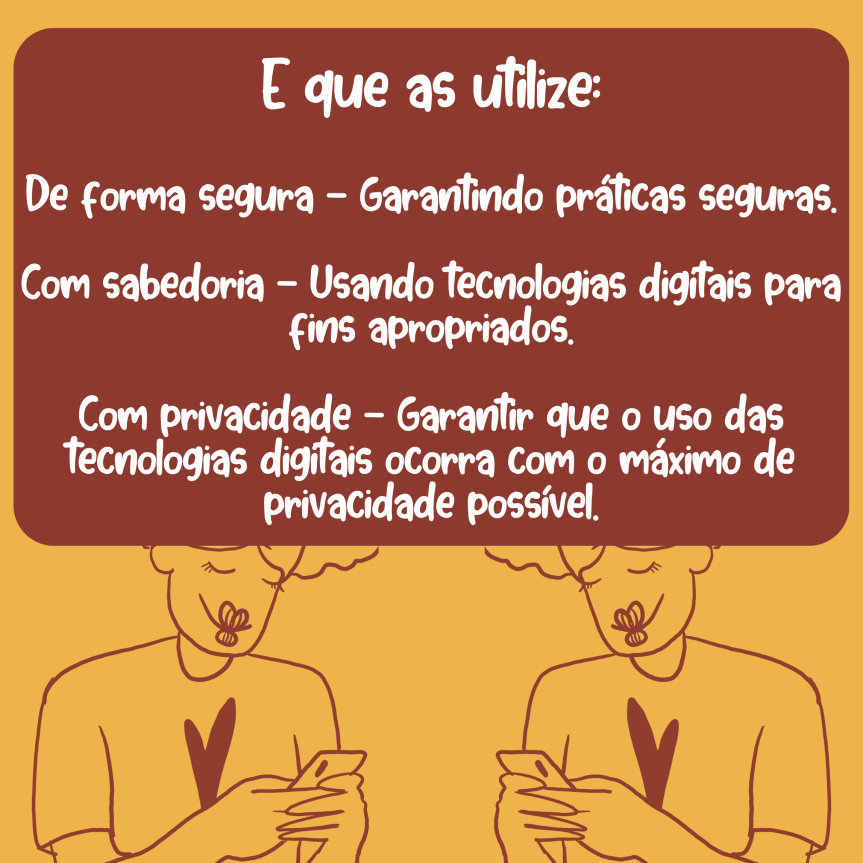
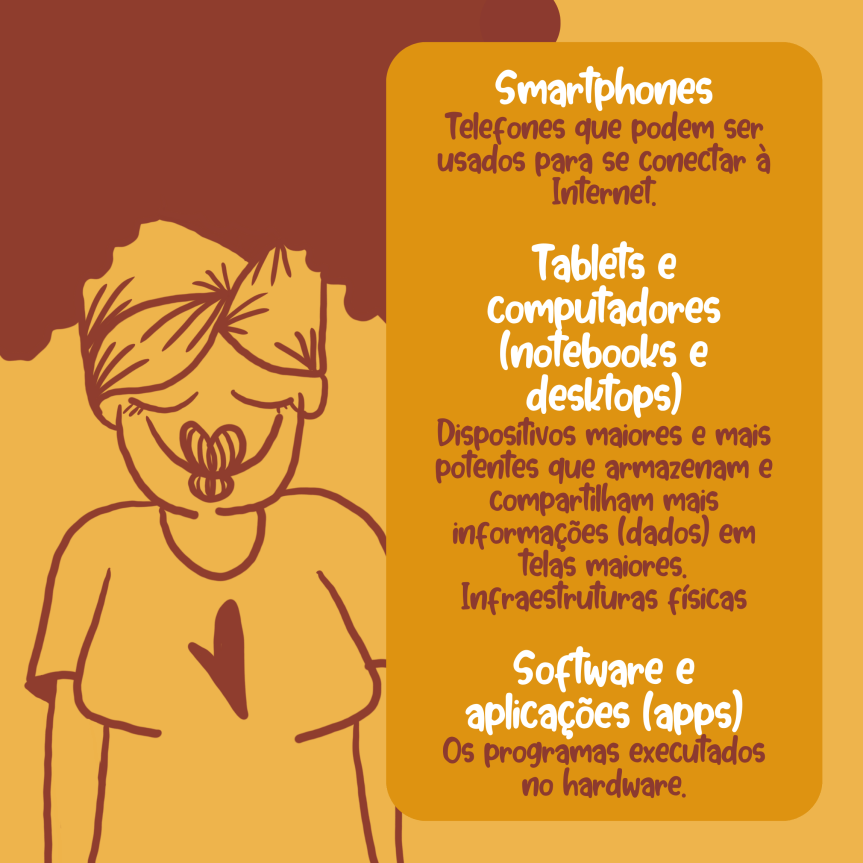
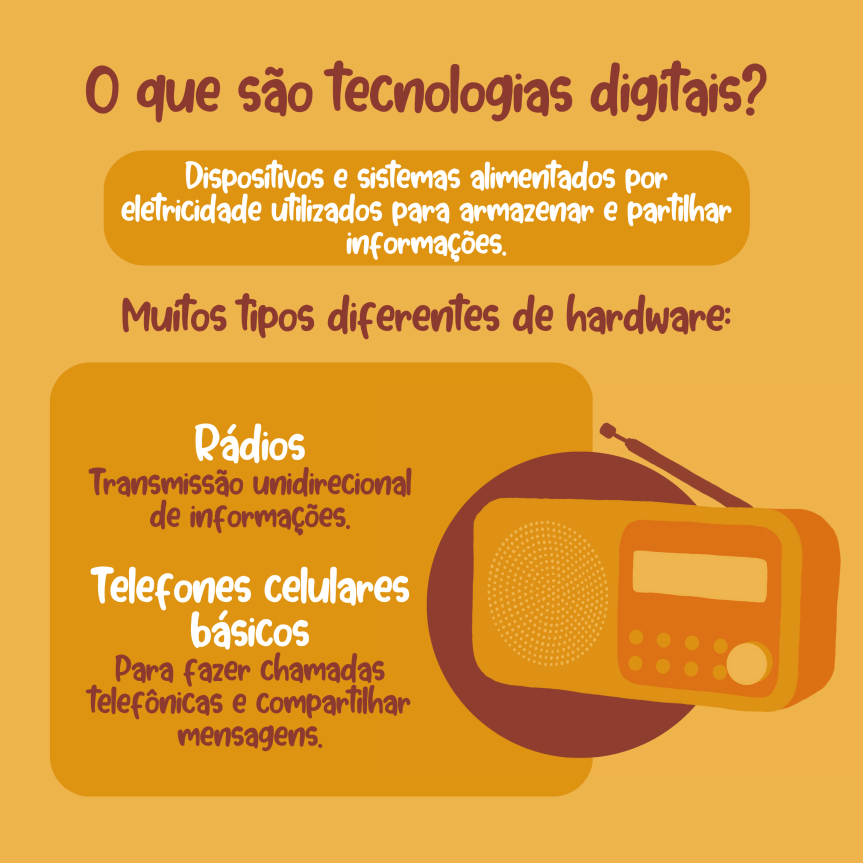
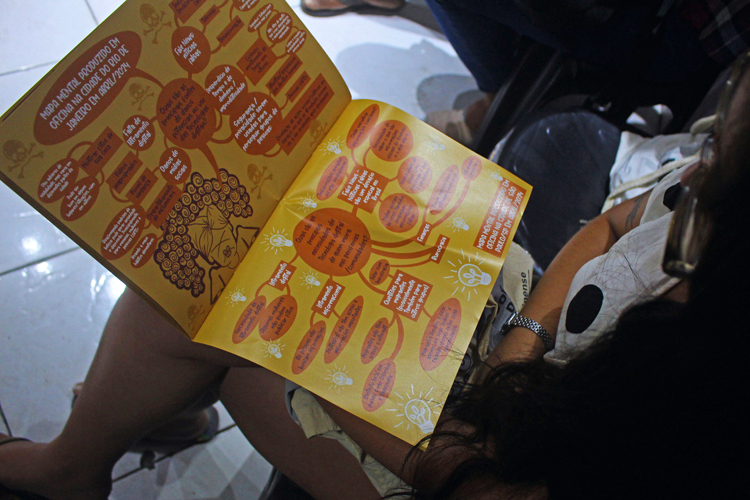
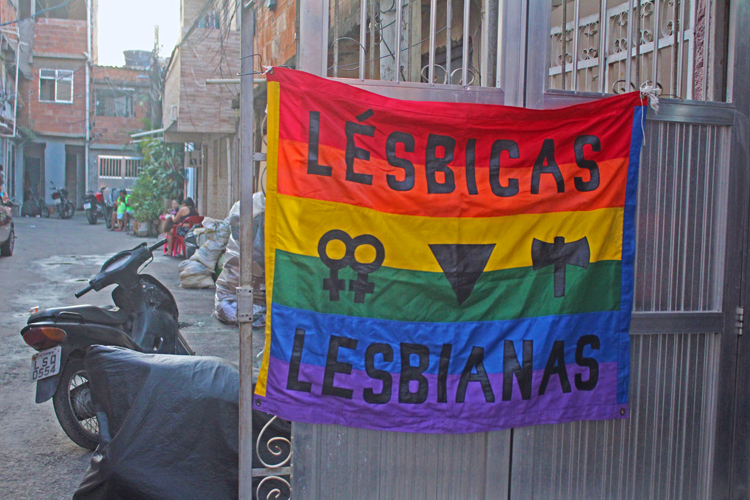
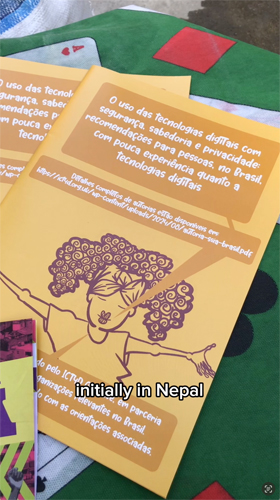
We undertook an Outcomes Meeting to gather qualitative feedback on impacts and outcomes from our activities during 2024 with our main partner organisation, Casa Resistências in the Maré favela of Rio. The team at Casa Resistências, an LBT advocacy organisation and a shelter for women fleeing violence and abuse, had previously collaborated with us on activities relating to the safe, wise and secure use of digital technologies nas periferias including a workshop led by Dr Heloisa Melino and the creation of a range of beautiful resources on digital safety designed by local graffiti artist, JLo. These and related activities were aimed at helping activists and others remain safe online while they report on rights violations and undertake their advocacy campaigns. Hari’s visit offered the opportunity to reflect on our activities and their impacts and outcomes.
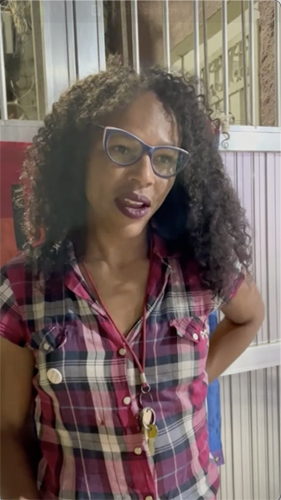
Kimberly Veiga from Casa Resistências explained that our collaboration had helped build capacity and enabled them to undertake further activities with local partners such as Fiocruz University on online safety for activists and others in the favelas. She spoke of the impact of online harms for people in her context including online scams, digital identity theft and violence.
This collaboration has allowed us to think about technology as a route to access rights and it has opened another avenue for us to obtain wider support… It has helped us connect with wider networks of support. We now exchange experiences and access support from across the country, including psychological and therapeutic care…Thanks to this collaborative work, we have now created a new agenda on digital for our organisation
Kimberly Veiga, Casa Resistências

Kimberly spoke of the cascading effect of our collaboration that led them to undertake activities relating to the challenges faced by lesbian mothers and the creation of trustworthy resources to support them, similar to the ones we helped create on the safe, wise and secure use of digital tech by vulnerable groups in the Brazilian periferias. Fernanda highlighted the importance of our resources not only as a means to disseminate messages on online safety at all the events they attend but also as a means to enhance the visibility of the broader advocacy work being undertaken by Casa Resistências.
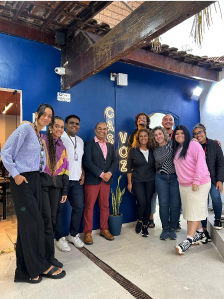
The visit also enabled Hari and Heloisa to meet with Voz das Comunidades, a community media organisation based in the Complexo do Alemão (Alemão complex of favelas in Rio) where they presented their ongoing work on the safe, wise and secure use of digital tech in the peripheries. The team at Voz shared their experiences of working in the challenging context of the favelas and the importance of physical and online safety as they go about recording and reporting on community matters.
Voz das Comunidades and their Social Impact team expressed interest in working with us in the future. So, watch this space!
In summary, our impact agenda in Brazil funded by SSIA has allowed us to work with multiple organisations and communities in the peripheries of Rio to spread awareness on the safe, wise and secure use of digital tech by vulnerable groups, helped build capacity of both individuals and organisations and reach a broader range of groups through engaging workshops and creative activities and multimedia outputs relevant to the local contexts in Brazil. Hari hopes to continue further collaborative work in Brazil with Heloisa given the interest and enthusiasm shown by local organisations.

Prof G. ‘Hari’ Harindranath
19 July 2025






























 ICT4D Collective