MoU signed with CIUEM, Mozambique

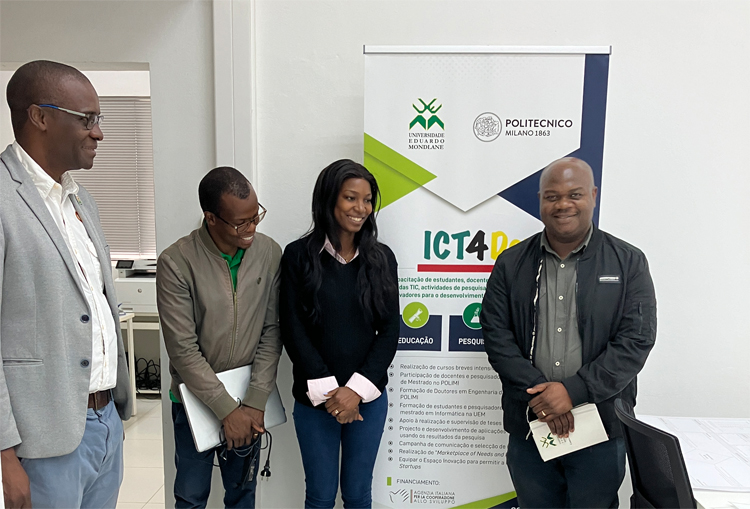
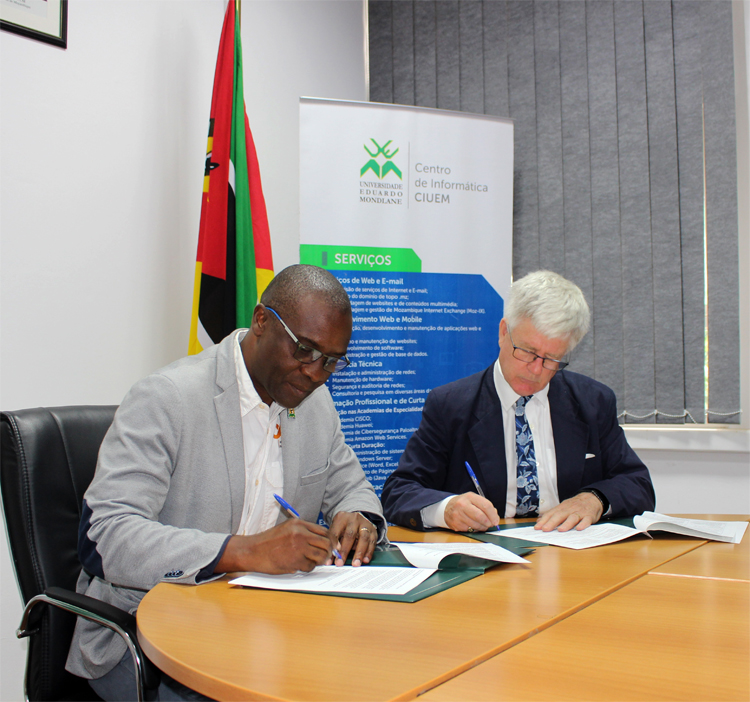
Professor Luis Neves Domingos and Tim Unwin signing a partnership Memorandum of Understanding between the Centro de Informática da Universidade Eduardo Mondlane (CIUEM), Mozambique, and the ICT4D Collective on Monday 30th September 2024 in Maputo.
The ICT4D Collective is delighted to have signed its latest partnership agreement with the Centro de Informática da Universidade Eduardo Mondlane (CIUEM) at Eduardo Mondlane University in Maputo. This agreement builds on collaboration between the two organisations over more than 20 years, which began during the UK Government’s Imfundo initiative, and was then taken further through the Africa ICT4D university network that was funded by the UK’s Development Partnerships for Higher Education (DelPHE) scheme supported by DFID and the British Council, and subsequently by European EDULINK funding. This agreement has the following main intended outputs:

  • High quality research and practice on digital technologies, inequalities, social change and international development 
  • Joint workshops and conferences to explore aspects of the inter-relationships between digital technologies, inequalities, social change and international development  
  • Research visits and exchanges between partners, especially to enhance the experiences of early career researchers
  • Joint strategic interventions designed to enhance the wise and appropriate use of digital technologies, especially by marginalised communities and individuals
  • Joint research grant applications to relevant funding agencies and research councils
  • Policy recommendations on areas of mutual interests

More specifically, our work together will focus on developing and sharing local language training resources on the safe, wise and secure use of digital tech, and will initially concentrate on disseminating these resources to Community Radio stations through the agency of the Centro de Apoio à Informação e Comunicação Comunitária.
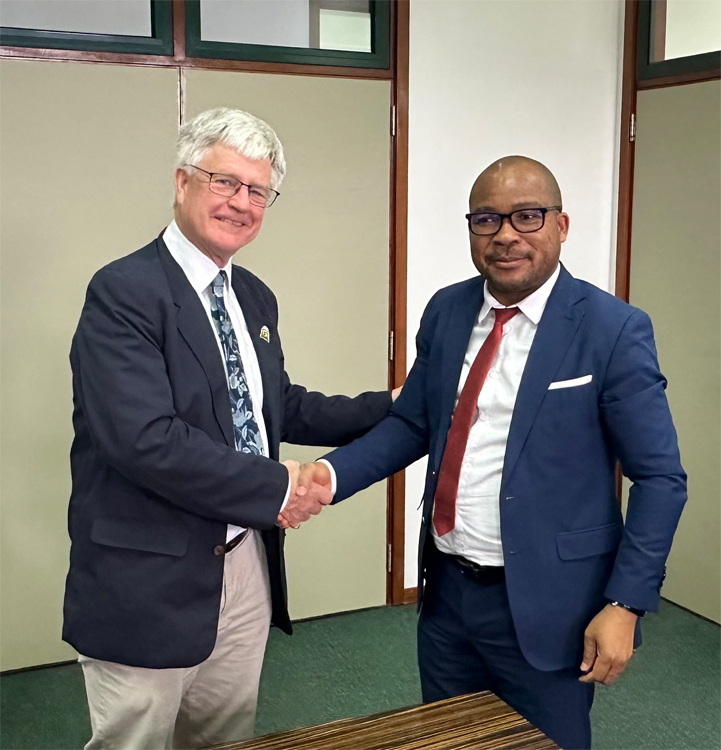
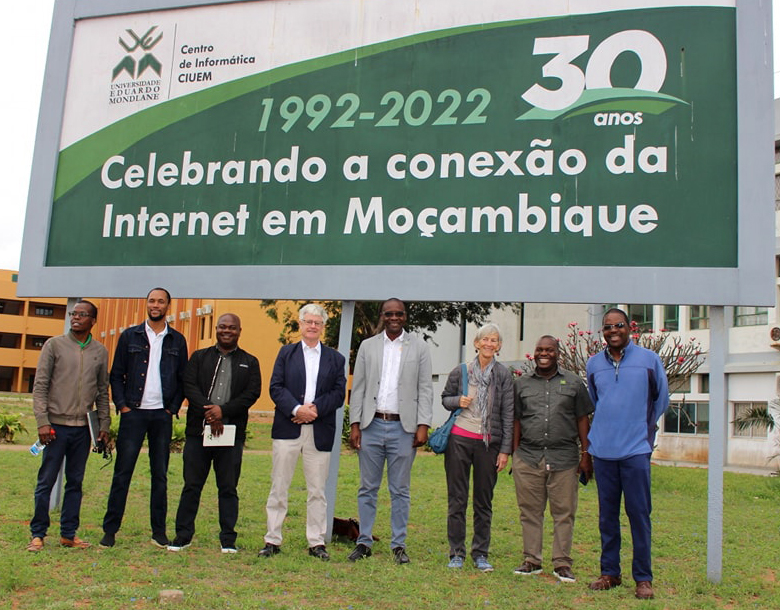
Signing this agreement also provided an opportunity for both Neves and Tim to discuss with the Rector of Eduardo Mondlane University, Prof. Dr. Manuel Guilherme Junior, further ways in which closer collaboration between Mozambican and UK-based researchers and practitioners in the field of digital tech for development can be developed in the interests of some of the poorest and most marginalised people in Mozambique.

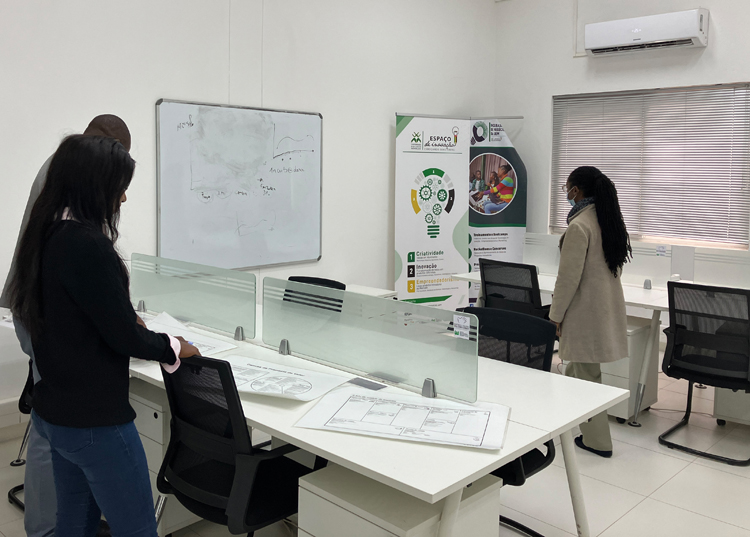
This was also an excellent opportunity to learn more about the CIUEM’s recent achievements, and the exciting new facilities that they are developing, especially in the field of of digital engtrepreneurship and capacity development.

Digital Crowdsourcing and Inclusion in Global Food Markets

Volume 2      Issue 10      October 2017

The OECD suggests that regulations and the industrialisation of agriculture have contributed to both economic growth and poverty reduction. However, with time, regardless of the higher connectivity and spread of ICTs, many people have become more detached from the land and from the farmers who cannot yet be replaced by machines. Many such farmers are still living in poverty in the Equatorial belt, although some of their exotic products such as coffee and cocoa are sold at premium prices in supermarkets in the richer countries.  A rethinking of digital platforms and ICTs could help to re-establish the relationship between consumers and farmers in global food markets.

The idea of using ICTs in agriculture for development is not new. The FAO (Food and Agriculture Organisation) has always had a keen interest on ICT Uses for Inclusive Agricultural Value Chains.  e-Agriculture also undertakes valuable research and policy work on ICT for sustainable agriculture and rural development. Kiva Labs has identified three problems where crowdsourcing can help: flexible credit, access to market infrastructure, and training. However, for a better understanding of ICTs for inclusive innovation in global food markets the focus needs to shift away from countries and regions, and towards entrepreneurs, the farmers and their interests.

Crowdsourcing is often presented as a mean for entrepreneurs to access resources from the many, the crowd. In agriculture it can help farmers to access capital for growth, innovation and better access to global food markets, and also improve collaboration with customers, suppliers and partners. Patch of Land, a real estate crowdsourcing platform promotes projects like Athena Organic Farm + Eco-Retreat in Canada as setting the stage by businesses offering a farm-based experience rather than only products, expanding into the digital space through crowd social entrepreneurship and innovation. But can farmers from developing countries harness the power of digital crowdsourcing to come closer to global food markets and consumers?

In developing countries such as Indonesia, the idea of crowdsourcing has been seen particularly positively. While several international crowdsourcing platforms offer global mutual programs, Indonesia has various local platforms in the Bahasa language. Some of them focus on a particular issue such as health (WeCare.id) and  culture (GerakanSejutaBudaya), while others focus on important general social issues supporting personal or social creative issues (GandengTangan, KitaBisa). Some of the crowdsourcing platforms are even available in applications from smartphones, making them more reachable.

In a pilot study conducted for this Briefing we decided to focus on two initiatives in Indonesia. First we examined BigTreeFarms a sustainable agriculture U.S. company sourcing organic cocoa, coconut and other ingredients for their products sold in global markets. Talking with their Head of Corporate Quality, Food Safety and Management, it was clear that one of their key challenges is educating their 10,000+ local farmer partners about organic food producing standards and ensuring that such practices are followed. Second, we spoke with GandengTangan (meaning ‘Hand-in-Hand’). This is a relatively new crowdsourcing platform designed to help individuals and Small and Medium Enterprises (SMEs) in Indonesia to secure funding for growth and better access to local and global markets. Testimonials from successfully-funded projects on the platform show that the scheme has provided new hope to expand businesses in a different way. The two case studies lead us to ask whether the micro-crowdsourcing model and the large sustainable farming investment model can be combined together for a more integrated system.

Regardless of the many crowdsourcing initiatives and inclusive innovations in developing countries, few farmers use and leverage ICTs to expand their skills and gain better access to funding and global food markets. The challenge for crowdsourcing platforms in developing countries is not only to link the global crowd to fundraisers, but also to educate and mentor both parties to collaborate better in the international market arena. Further consideration of important aspects such as local culture, contexts, and trust, as well as useful training or mentoring that might help support them including language, global marketing, farming entrepreneurshis, information and financial literacy is necessry. There is much that ICTs can do, but further research is needed in this direction.