Digital Inclusion in an Unequal World (Episode 2) – Marine Al Dahdah on The Digital Privatisation of India’s Administration

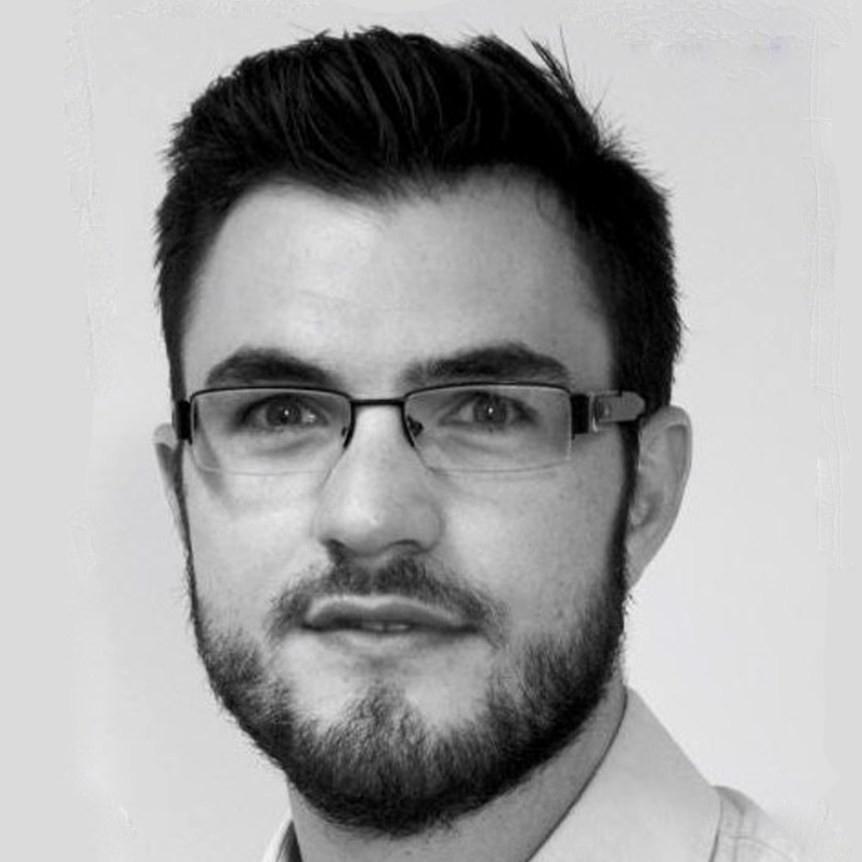
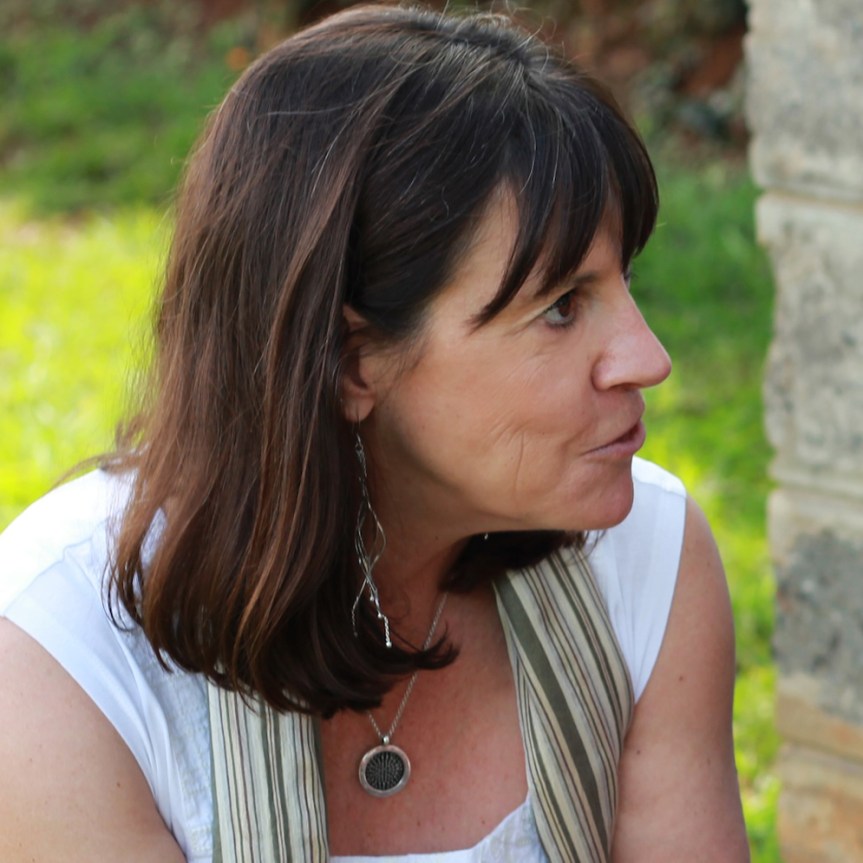
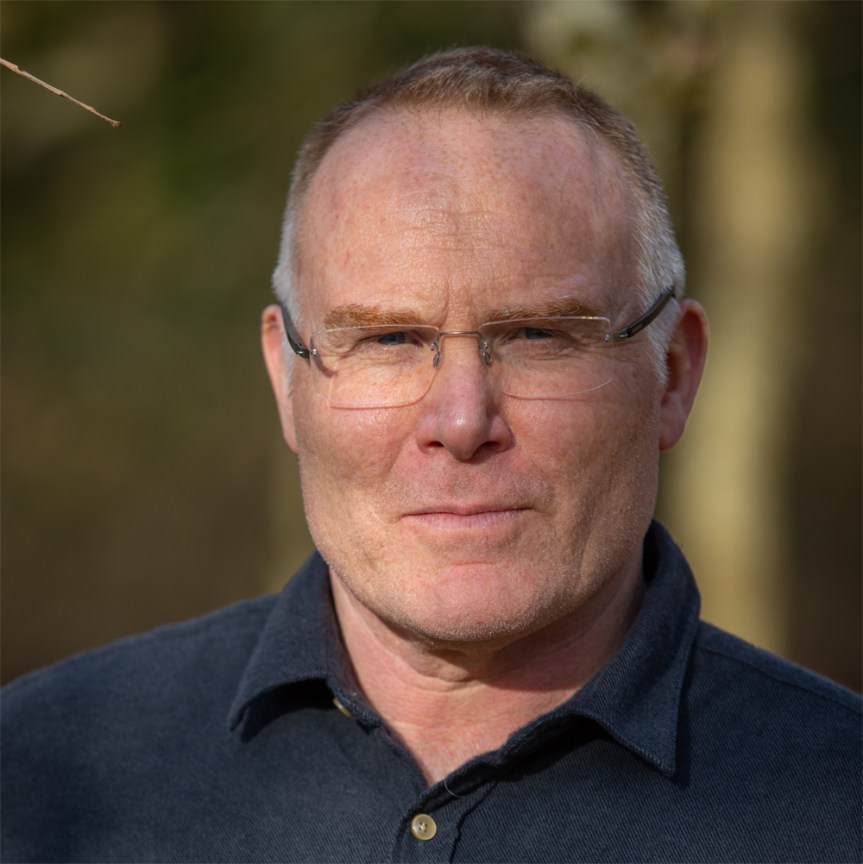
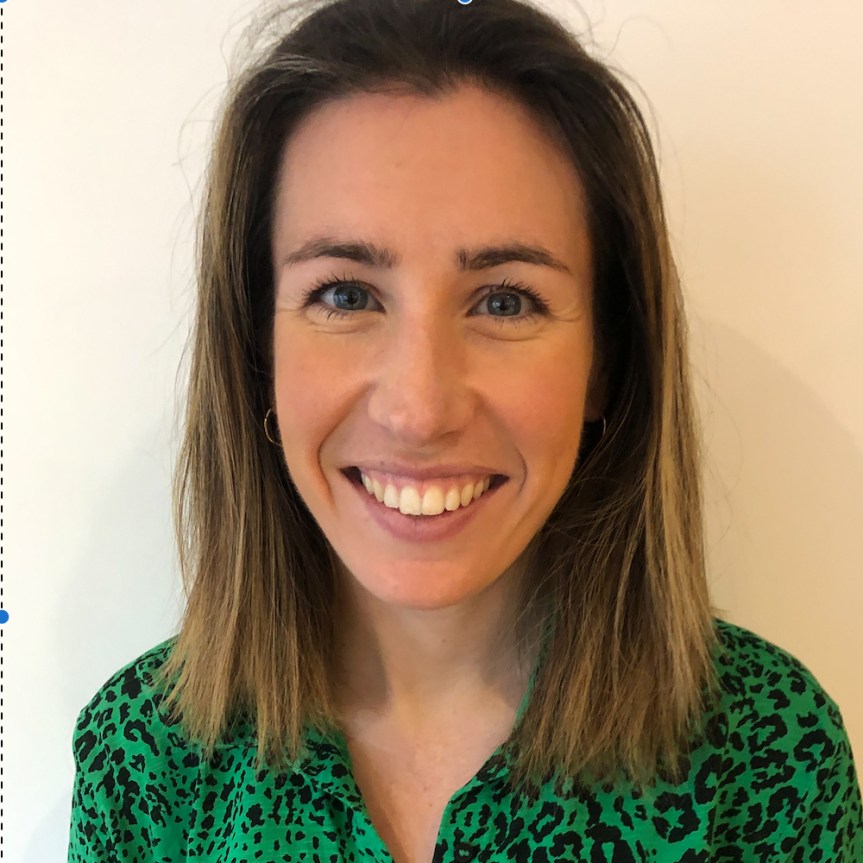
This is the second episode of our podcast based on the vignettes contributed by friends and colleagues to Tim Unwin’s new book Digital Technologies in an Unequal World: An Empancipatory Manfesto. In it, Marine focuses critically on aspects of the digital privatisation of India’s administrative systems. The vignette can also be read here.

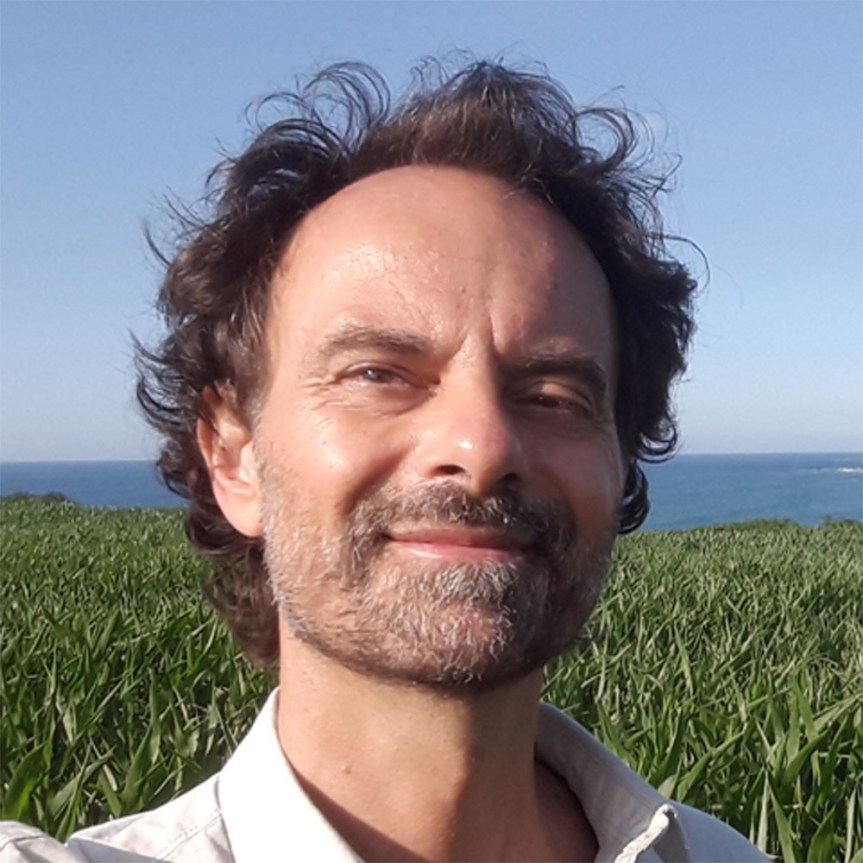
Marine is a sociologist and a CNRS Fellow at the Center for the Study of Social Movements (EHESS-Paris) and French Institute of Pondicherry in India. Her research focuses on digital policies in Asia and Africa and more particularly on digital health in India, Ghana and Kenya (France and India).

Full details of the book are available through the following links:


Other recent episodes

Inclusão Digital num Mundo Desigual (Episódio 17) – Fernanda Scur sobre “A Tecnologia Digital e os Desbancarizados: A Pandemia da COVID no Brasil” (Áudio em português) ICT4D Collective » ICT4D

Fernanda (do Brasil) é estratega de parcerias multissetoriais, com foco no envolvimento intencional e em ações colaborativas eficazes que impulsionam mudanças sistémicas/estruturais para um impacto social e ambiental positivo. É doutorada em Pensamento Sistémico para Colaboração Ativa e experiência em design de interação, desenvolvimento de projetos, design conceptual e de processos, análise de redes complexas … Continue reading Inclusão Digital num Mundo Desigual (Episódio 17) – Fernanda Scur sobre “A Tecnologia Digital e os Desbancarizados: A Pandemia da COVID no Brasil” (Áudio em português)
  1. Inclusão Digital num Mundo Desigual (Episódio 17) – Fernanda Scur sobre “A Tecnologia Digital e os Desbancarizados: A Pandemia da COVID no Brasil” (Áudio em português)
  2. Digital Inclusion in an Unequal World (Episode 17) – Fernanda Scur on “Digital Tech and the Unbanked: The COVID Pandemic in Brazil” (English audio)
  3. Digital Inclusion in an Unequal World (Episode 16) – Benita Rowe on “The Tech Will Save Her’ – False Promises in Digital Gender-Based Violence (GBV) Solutions”

Digital Inclusion in an Unequal World (Episode 1) – Tendani Mulanga Chimboza on the exploitation of young women: digital tech at the heart of the immoral economy

This is the first episode of our podcast based on the vignettes contributed by friends and colleagues to Tim Unwin’s new book Digital Technologies in an Unequal World: An Empancipatory Manfesto. In it, Tendani highlights how digital tech is being used to exploit young women in southern Africa. The vignette can also be read here.

Tendani is a passionate and driven professional committed to making a difference through inclusive leadership, academic excellence, and impactful research. She advocates for representation and social justice, using technology to empower communities. Her work bridges academia (UCT), corporate insight, and public engagement to drive ethical digital transformation across Africa (South Africa).

Full details of the book are available through the following links:


Other recent episodes

Inclusão Digital num Mundo Desigual (Episódio 17) – Fernanda Scur sobre “A Tecnologia Digital e os Desbancarizados: A Pandemia da COVID no Brasil” (Áudio em português) ICT4D Collective » ICT4D

Fernanda (do Brasil) é estratega de parcerias multissetoriais, com foco no envolvimento intencional e em ações colaborativas eficazes que impulsionam mudanças sistémicas/estruturais para um impacto social e ambiental positivo. É doutorada em Pensamento Sistémico para Colaboração Ativa e experiência em design de interação, desenvolvimento de projetos, design conceptual e de processos, análise de redes complexas … Continue reading Inclusão Digital num Mundo Desigual (Episódio 17) – Fernanda Scur sobre “A Tecnologia Digital e os Desbancarizados: A Pandemia da COVID no Brasil” (Áudio em português)
  1. Inclusão Digital num Mundo Desigual (Episódio 17) – Fernanda Scur sobre “A Tecnologia Digital e os Desbancarizados: A Pandemia da COVID no Brasil” (Áudio em português)
  2. Digital Inclusion in an Unequal World (Episode 17) – Fernanda Scur on “Digital Tech and the Unbanked: The COVID Pandemic in Brazil” (English audio)
  3. Digital Inclusion in an Unequal World (Episode 16) – Benita Rowe on “The Tech Will Save Her’ – False Promises in Digital Gender-Based Violence (GBV) Solutions”

Digital Inclusion in an Unequal World: An Emancipatory Manifesto

We are delighted to announce the launch of our web-pages for Tim Unwin’s new book, entitled Digital Inclusion in an Unequal World: An Emancipatory Manifesto, being published by Routledge in 2026. These contain:

Podcasts and audio

Many of the authors have contributed audio recordings of their vignettes. These are available here, but are also being shared on a regular basis through our blog and our podcast over the next six months. Do follow us on Apple Podcasts to listen to these inspiring examples of how digital tech can be used constructively by some of the world’s poorest and most marginalised people, but also the reasons why most such initiatives fail sufficiently to serve their interests.

Pre-order

This important book can be pre-ordered from Routledge using the link above, and for those who respond quickly there is a 20% reduction if you order before 23rd October 2025.

Cybersecurity and Cryptography for Toddlers – by Elizabeth Quaglia and illustrated by Alex Thompson

Elizabeth Quaglia, a member of the ICT4D Collective from Royal Holloway, University of London’s Information Security Group, has recently published two exciting and informative short books on cybersecurity and cryptography for young children, appealingly illustrated with dinosaurs by Alex Thompson.

These are excellent learning guides aimed at children and adults who care for them, and introduce fundamental concepts in cyber security and cryptography. Glossaries at the end of each book provide really useful, clear explanations of what key terms in cybersecurity and cryptography mean, and how they have been used in the books – as illustrated below:

These books are available in English, Portuguese (from Portugal and Brazilian: Criptografia para Infantes) and Ukrainian (Кібербезпека для малят).

Prof G. Hari Harindranath takes part in the 15th Global Forum on Migration and Development (GFMD) in Riohacha, Colombia

The 15th Global Forum on Migration and Development (GFMD) held between 2 and 4 September 2025 brought together in Riohacha, Colombia, more than 800 delegates representing governments, city mayors, businesses, civil society, youth and academia to exchange ideas on some of the most pressing challenges in global mobility.

The Colombia Chairship deserves huge recognition for putting together an ambitious and thoughtful programme shaping dialogue around six thematic pillars spanning mobility and women, children and young people on the move, media and culture for changing narratives, the promise and perils of new technologies, climate mobility, and the critical importance of regional cooperation and partnerships between origin and destination countries.

Prof. G Hari Harindranath comments that “it was a privilege to contribute remarks on behalf of academia at the session on the Future of the Summit on the final day and to speak in Round Table 6 on the digitalisation of migration management alongside colleagues from the governments of Ecuador and Georgia, the Institute of Employers, and technology and immigration services organisations”.

In the digital space, the opportunities are clear: technology can contribute to making migration safer and more efficient. But without safeguards, it can deepen inequalities. Many labour migrants already face precarious conditions, and now digital insecurity adds another layer of vulnerability, particularly so as they often lack the capacity to use digital tech safely, wisely and securely.

If we design digital systems with simplicity, accessibility, transparency, accountability and proportionality at the centre, we can then bring the benefits of digitalisation to those who are most likely to be disempowered by it. Getting it right for the most vulnerable means getting it right for everyone.

Thank you to the GFMD and for creating space for academic voices throughout this process, from the preparatory roundtables through to the summit. Evidence-based perspectives are essential in a field that is increasingly politicised and polarised, and GFMD’s unique framework is one of the few places where all stakeholders can meet together as equals.

Prof G. ‘Hari’ Harindranath

10 September 2025

Education for the most marginalised Episode 7: Kelvin Guma reading “Involving marginalised young people in the design of their own education”

Members of the UNESCO Chair in ICT4D led an exciting  collaborative initiative between June and September 2020 to produce a Report on practical guidance for governments on using digital technologies to enhance their education systems once the immediate crisis caused by the COVID-19 pandemic had passed (see Summary).  The Report is (relatively) short, succinct and practical, and includes a series of brief Guidance Notes addressing the most important actvities that governments need to address to ensure the inclusion of some of the world’s poorest and most marginalised people.  This work was funded by DFID (now FCDO) and the World Bank through their EdTech Hub and details of the process through which it was crafted are summarised here.  A selection of audio files associated with this work is now being launched as podcasts by the ICT4D Collective. See more information about this project here.

Latest podcasts in the series

Inclusão Digital num Mundo Desigual (Episódio 17) – Fernanda Scur sobre “A Tecnologia Digital e os Desbancarizados: A Pandemia da COVID no Brasil” (Áudio em português) ICT4D Collective » ICT4D

Fernanda (do Brasil) é estratega de parcerias multissetoriais, com foco no envolvimento intencional e em ações colaborativas eficazes que impulsionam mudanças sistémicas/estruturais para um impacto social e ambiental positivo. É doutorada em Pensamento Sistémico para Colaboração Ativa e experiência em design de interação, desenvolvimento de projetos, design conceptual e de processos, análise de redes complexas … Continue reading Inclusão Digital num Mundo Desigual (Episódio 17) – Fernanda Scur sobre “A Tecnologia Digital e os Desbancarizados: A Pandemia da COVID no Brasil” (Áudio em português)
  1. Inclusão Digital num Mundo Desigual (Episódio 17) – Fernanda Scur sobre “A Tecnologia Digital e os Desbancarizados: A Pandemia da COVID no Brasil” (Áudio em português)
  2. Digital Inclusion in an Unequal World (Episode 17) – Fernanda Scur on “Digital Tech and the Unbanked: The COVID Pandemic in Brazil” (English audio)
  3. Digital Inclusion in an Unequal World (Episode 16) – Benita Rowe on “The Tech Will Save Her’ – False Promises in Digital Gender-Based Violence (GBV) Solutions”

Education for the most marginalised Episode 6: Paul Comyn on using digital tech effectively in support of learning and training for employment

Members of the UNESCO Chair in ICT4D led an exciting  collaborative initiative between June and September 2020 to produce a Report on practical guidance for governments on using digital technologies to enhance their education systems once the immediate crisis caused by the COVID-19 pandemic had passed (see Summary).  The Report is (relatively) short, succinct and practical, and includes a series of brief Guidance Notes addressing the most important actvities that governments need to address to ensure the inclusion of some of the world’s poorest and most marginalised people.  This work was funded by DFID (now FCDO) and the World Bank through their EdTech Hub and details of the process through which it was crafted are summarised here.  A selection of audio files associated with this work is now being launched as podcasts by the ICT4D Collective. See more information about this project here.

Latest podcasts in the series

Inclusão Digital num Mundo Desigual (Episódio 17) – Fernanda Scur sobre “A Tecnologia Digital e os Desbancarizados: A Pandemia da COVID no Brasil” (Áudio em português) ICT4D Collective » ICT4D

Fernanda (do Brasil) é estratega de parcerias multissetoriais, com foco no envolvimento intencional e em ações colaborativas eficazes que impulsionam mudanças sistémicas/estruturais para um impacto social e ambiental positivo. É doutorada em Pensamento Sistémico para Colaboração Ativa e experiência em design de interação, desenvolvimento de projetos, design conceptual e de processos, análise de redes complexas … Continue reading Inclusão Digital num Mundo Desigual (Episódio 17) – Fernanda Scur sobre “A Tecnologia Digital e os Desbancarizados: A Pandemia da COVID no Brasil” (Áudio em português)
  1. Inclusão Digital num Mundo Desigual (Episódio 17) – Fernanda Scur sobre “A Tecnologia Digital e os Desbancarizados: A Pandemia da COVID no Brasil” (Áudio em português)
  2. Digital Inclusion in an Unequal World (Episode 17) – Fernanda Scur on “Digital Tech and the Unbanked: The COVID Pandemic in Brazil” (English audio)
  3. Digital Inclusion in an Unequal World (Episode 16) – Benita Rowe on “The Tech Will Save Her’ – False Promises in Digital Gender-Based Violence (GBV) Solutions”

Education for the most marginalised Episode 5: Leon Gwake on “Ensuring resilient connectivity”

Members of the UNESCO Chair in ICT4D led an exciting  collaborative initiative between June and September 2020 to produce a Report on practical guidance for governments on using digital technologies to enhance their education systems once the immediate crisis caused by the COVID-19 pandemic had passed (see Summary).  The Report is (relatively) short, succinct and practical, and includes a series of brief Guidance Notes addressing the most important actvities that governments need to address to ensure the inclusion of some of the world’s poorest and most marginalised people.  This work was funded by DFID (now FCDO) and the World Bank through their EdTech Hub and details of the process through which it was crafted are summarised here.  A selection of audio files associated with this work is now being launched as podcasts by the ICT4D Collective. See more information about this project here.

Latest podcasts in the series

Inclusão Digital num Mundo Desigual (Episódio 17) – Fernanda Scur sobre “A Tecnologia Digital e os Desbancarizados: A Pandemia da COVID no Brasil” (Áudio em português) ICT4D Collective » ICT4D

Fernanda (do Brasil) é estratega de parcerias multissetoriais, com foco no envolvimento intencional e em ações colaborativas eficazes que impulsionam mudanças sistémicas/estruturais para um impacto social e ambiental positivo. É doutorada em Pensamento Sistémico para Colaboração Ativa e experiência em design de interação, desenvolvimento de projetos, design conceptual e de processos, análise de redes complexas … Continue reading Inclusão Digital num Mundo Desigual (Episódio 17) – Fernanda Scur sobre “A Tecnologia Digital e os Desbancarizados: A Pandemia da COVID no Brasil” (Áudio em português)
  1. Inclusão Digital num Mundo Desigual (Episódio 17) – Fernanda Scur sobre “A Tecnologia Digital e os Desbancarizados: A Pandemia da COVID no Brasil” (Áudio em português)
  2. Digital Inclusion in an Unequal World (Episode 17) – Fernanda Scur on “Digital Tech and the Unbanked: The COVID Pandemic in Brazil” (English audio)
  3. Digital Inclusion in an Unequal World (Episode 16) – Benita Rowe on “The Tech Will Save Her’ – False Promises in Digital Gender-Based Violence (GBV) Solutions”

Education for the most marginalised Episode 4: Azra Naseem on “In the local context – using digital technologies to develop local content”

Members of the UNESCO Chair in ICT4D led an exciting  collaborative initiative between June and September 2020 to produce a Report on practical guidance for governments on using digital technologies to enhance their education systems once the immediate crisis caused by the COVID-19 pandemic had passed (see Summary).  The Report is (relatively) short, succinct and practical, and includes a series of brief Guidance Notes addressing the most important actvities that governments need to address to ensure the inclusion of some of the world’s poorest and most marginalised people.  This work was funded by DFID (now FCDO) and the World Bank through their EdTech Hub and details of the process through which it was crafted are summarised here.  A selection of audio files associated with this work is now being launched as podcasts by the ICT4D Collective. See more information about this project here.

Latest podcasts in the series

Inclusão Digital num Mundo Desigual (Episódio 17) – Fernanda Scur sobre “A Tecnologia Digital e os Desbancarizados: A Pandemia da COVID no Brasil” (Áudio em português) ICT4D Collective » ICT4D

Fernanda (do Brasil) é estratega de parcerias multissetoriais, com foco no envolvimento intencional e em ações colaborativas eficazes que impulsionam mudanças sistémicas/estruturais para um impacto social e ambiental positivo. É doutorada em Pensamento Sistémico para Colaboração Ativa e experiência em design de interação, desenvolvimento de projetos, design conceptual e de processos, análise de redes complexas … Continue reading Inclusão Digital num Mundo Desigual (Episódio 17) – Fernanda Scur sobre “A Tecnologia Digital e os Desbancarizados: A Pandemia da COVID no Brasil” (Áudio em português)
  1. Inclusão Digital num Mundo Desigual (Episódio 17) – Fernanda Scur sobre “A Tecnologia Digital e os Desbancarizados: A Pandemia da COVID no Brasil” (Áudio em português)
  2. Digital Inclusion in an Unequal World (Episode 17) – Fernanda Scur on “Digital Tech and the Unbanked: The COVID Pandemic in Brazil” (English audio)
  3. Digital Inclusion in an Unequal World (Episode 16) – Benita Rowe on “The Tech Will Save Her’ – False Promises in Digital Gender-Based Violence (GBV) Solutions”

Education for the most marginalised Episode 3: Javier Rua on resilient and sustainable energy solutions

Members of the UNESCO Chair in ICT4D led an exciting  collaborative initiative between June and September 2020 to produce a Report on practical guidance for governments on using digital technologies to enhance their education systems once the immediate crisis caused by the COVID-19 pandemic had passed (see Summary).  The Report is (relatively) short, succinct and practical, and includes a series of brief Guidance Notes addressing the most important actvities that governments need to address to ensure the inclusion of some of the world’s poorest and most marginalised people.  This work was funded by DFID (now FCDO) and the World Bank through their EdTech Hub and details of the process through which it was crafted are summarised here.  A selection of audio files associated with this work is now being launched as podcasts by the ICT4D Collective. See more information about this project here.

Latest podcasts in the series

Inclusão Digital num Mundo Desigual (Episódio 17) – Fernanda Scur sobre “A Tecnologia Digital e os Desbancarizados: A Pandemia da COVID no Brasil” (Áudio em português) ICT4D Collective » ICT4D

Fernanda (do Brasil) é estratega de parcerias multissetoriais, com foco no envolvimento intencional e em ações colaborativas eficazes que impulsionam mudanças sistémicas/estruturais para um impacto social e ambiental positivo. É doutorada em Pensamento Sistémico para Colaboração Ativa e experiência em design de interação, desenvolvimento de projetos, design conceptual e de processos, análise de redes complexas … Continue reading Inclusão Digital num Mundo Desigual (Episódio 17) – Fernanda Scur sobre “A Tecnologia Digital e os Desbancarizados: A Pandemia da COVID no Brasil” (Áudio em português)
  1. Inclusão Digital num Mundo Desigual (Episódio 17) – Fernanda Scur sobre “A Tecnologia Digital e os Desbancarizados: A Pandemia da COVID no Brasil” (Áudio em português)
  2. Digital Inclusion in an Unequal World (Episode 17) – Fernanda Scur on “Digital Tech and the Unbanked: The COVID Pandemic in Brazil” (English audio)
  3. Digital Inclusion in an Unequal World (Episode 16) – Benita Rowe on “The Tech Will Save Her’ – False Promises in Digital Gender-Based Violence (GBV) Solutions”

Education for the most marginalised Episode 2: Georg Steinfelder on digital technologies and girls’ education

Members of the UNESCO Chair in ICT4D led an exciting  collaborative initiative between June and September 2020 to produce a Report on practical guidance for governments on using digital technologies to enhance their education systems once the immediate crisis caused by the COVID-19 pandemic had passed (see Summary).  The Report is (relatively) short, succinct and practical, and includes a series of brief Guidance Notes addressing the most important actvities that governments need to address to ensure the inclusion of some of the world’s poorest and most marginalised people.  This work was funded by DFID (now FCDO) and the World Bank through their EdTech Hub and details of the process through which it was crafted are summarised here.  A selection of audio files associated with this work is now being launched as podcasts by the ICT4D Collective. See more information about this project here.

Latest podcasts in the series

Inclusão Digital num Mundo Desigual (Episódio 17) – Fernanda Scur sobre “A Tecnologia Digital e os Desbancarizados: A Pandemia da COVID no Brasil” (Áudio em português) ICT4D Collective » ICT4D

Fernanda (do Brasil) é estratega de parcerias multissetoriais, com foco no envolvimento intencional e em ações colaborativas eficazes que impulsionam mudanças sistémicas/estruturais para um impacto social e ambiental positivo. É doutorada em Pensamento Sistémico para Colaboração Ativa e experiência em design de interação, desenvolvimento de projetos, design conceptual e de processos, análise de redes complexas … Continue reading Inclusão Digital num Mundo Desigual (Episódio 17) – Fernanda Scur sobre “A Tecnologia Digital e os Desbancarizados: A Pandemia da COVID no Brasil” (Áudio em português)
  1. Inclusão Digital num Mundo Desigual (Episódio 17) – Fernanda Scur sobre “A Tecnologia Digital e os Desbancarizados: A Pandemia da COVID no Brasil” (Áudio em português)
  2. Digital Inclusion in an Unequal World (Episode 17) – Fernanda Scur on “Digital Tech and the Unbanked: The COVID Pandemic in Brazil” (English audio)
  3. Digital Inclusion in an Unequal World (Episode 16) – Benita Rowe on “The Tech Will Save Her’ – False Promises in Digital Gender-Based Violence (GBV) Solutions”

Education for the most marginalised Episode 1: Azra Naseem on ensuring that children are safe when using digital tech for learning

Members of the UNESCO Chair in ICT4D led an exciting  collaborative initiative between June and September 2020 to produce a Report on practical guidance for governments on using digital technologies to enhance their education systems once the immediate crisis caused by the COVID-19 pandemic had passed (see Summary).  The Report is (relatively) short, succinct and practical, and includes a series of brief Guidance Notes addressing the most important actvities that governments need to address to ensure the inclusion of some of the world’s poorest and most marginalised people.  This work was funded by DFID (now FCDO) and the World Bank through their EdTech Hub and details of the process through which it was crafted are summarised here.  A selection of audio files associated with this work is now being launched as podcasts by the ICT4D Collective. See more information about this project here.

Latest podcasts in the series


Inclusão Digital num Mundo Desigual (Episódio 17) – Fernanda Scur sobre “A Tecnologia Digital e os Desbancarizados: A Pandemia da COVID no Brasil” (Áudio em português) ICT4D Collective » ICT4D

Fernanda (do Brasil) é estratega de parcerias multissetoriais, com foco no envolvimento intencional e em ações colaborativas eficazes que impulsionam mudanças sistémicas/estruturais para um impacto social e ambiental positivo. É doutorada em Pensamento Sistémico para Colaboração Ativa e experiência em design de interação, desenvolvimento de projetos, design conceptual e de processos, análise de redes complexas … Continue reading Inclusão Digital num Mundo Desigual (Episódio 17) – Fernanda Scur sobre “A Tecnologia Digital e os Desbancarizados: A Pandemia da COVID no Brasil” (Áudio em português)
  1. Inclusão Digital num Mundo Desigual (Episódio 17) – Fernanda Scur sobre “A Tecnologia Digital e os Desbancarizados: A Pandemia da COVID no Brasil” (Áudio em português)
  2. Digital Inclusion in an Unequal World (Episode 17) – Fernanda Scur on “Digital Tech and the Unbanked: The COVID Pandemic in Brazil” (English audio)
  3. Digital Inclusion in an Unequal World (Episode 16) – Benita Rowe on “The Tech Will Save Her’ – False Promises in Digital Gender-Based Violence (GBV) Solutions”