Launch workshop in Maré for resources on safe, wise and secure use of digital tech for people living at the peripheries of Brazil, 12th September 2024

Building on our research-practice in the MIDEQ Hub, funded by the UKRI GCRF, between 2019 and 2024, we have been working with colleagues in Brazil during 2024 to reversion and develop resources on the safe, wise and secure use of digital technologies. These were originally created with migrants and migrant organisations in Nepal and South Africa, but discussions with Dr. Heloisa Melino in Rio de Janeiro in September 2023 suggested that they could also be useful for those living nas periferias of Brazil. Subsequent funding from the UK’s Economic and Social Research Council (ESRC) through its Social Science Impact Accelerator at Royal Holloway, University of London, enabled us to put this into action, and following design workshops in São Paulo and Rio de Janeiro in April 2024, a series of new resources were developed in formats that would be appealing, especially for the LBT community in Maré.

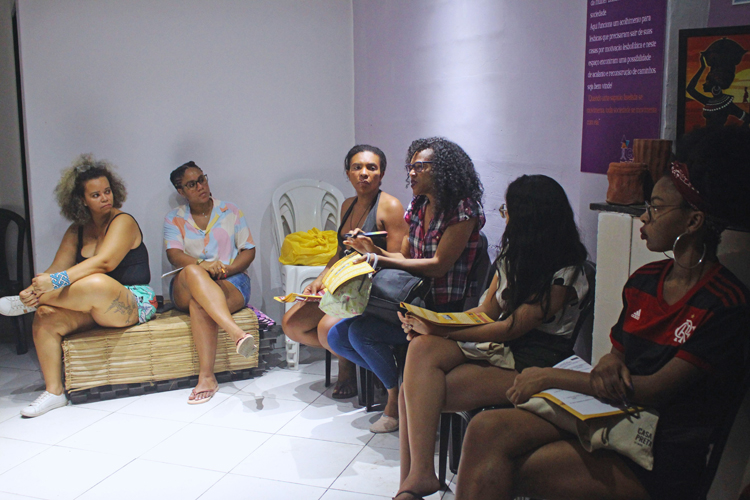
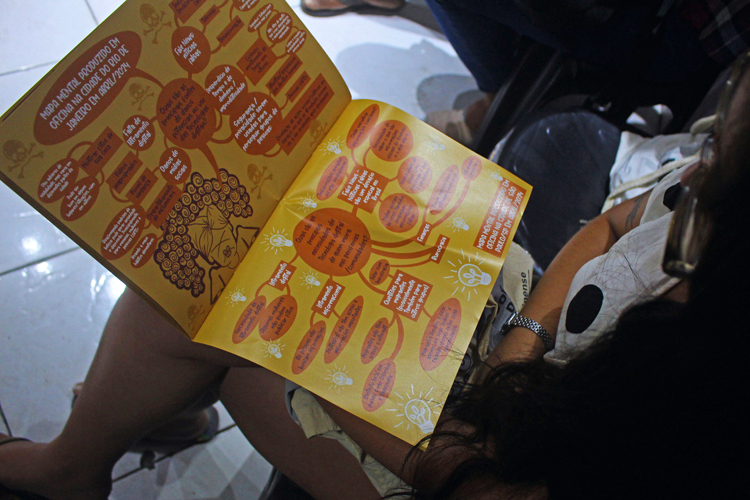
These resources were launched on 12th September at the Casa Resistências in Maré, Rio de Janeiro. This was a vibrant occasion and provided important validation both of the value of these resources, and of their significance especially for the LBT community. Huge thanks are due to our friend and colleague, Heloisa Melino, for all the work that she did in co-ordinating and delivering this inspirational event (see images below).

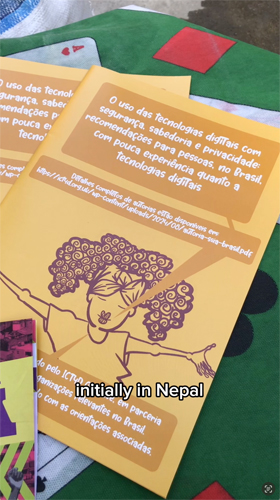
Two videos were also produced during the launch: one, a short video first posted on the Casa Resistências Instagram account, and the other a longer introduction to, and reflection about, the event with English sub-titles:

Participants in the launch workshop were eager to express their views about the value and importance of these materials, and created these inspiring videos (in Portuguese):

For more information about this research-practice do click in the links below:
Measuring research outcomes rather than just outputs

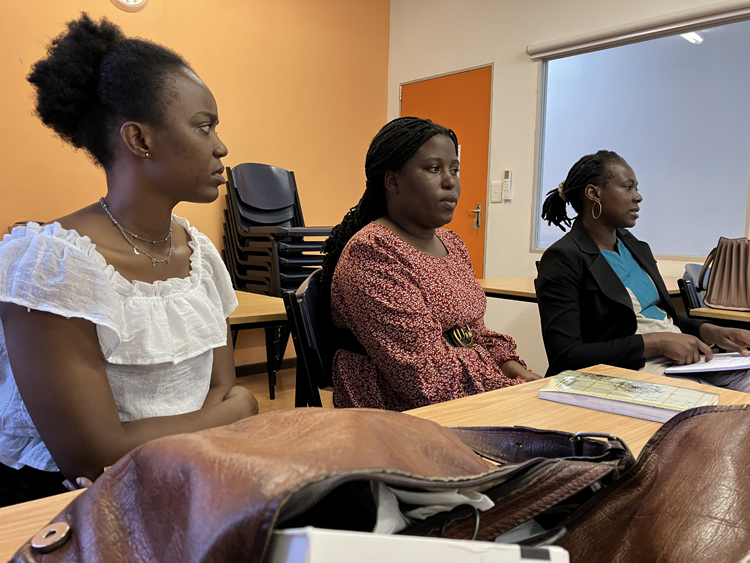
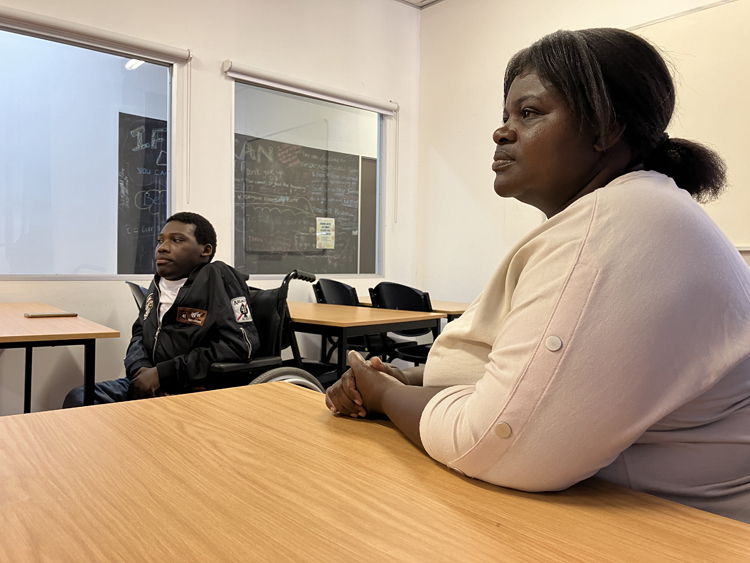
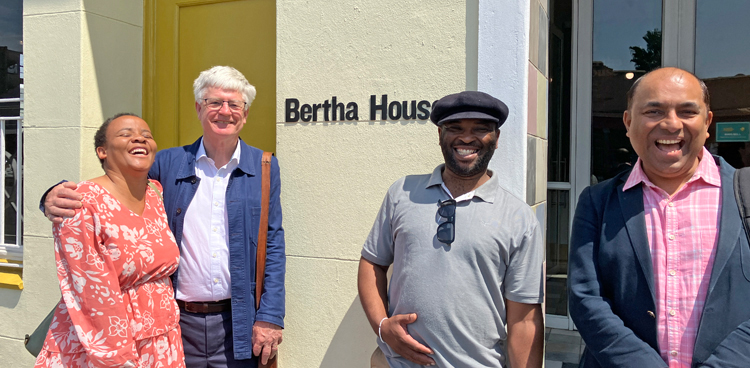
Many research (and practical) projects finish when the funding finishes; researchers and organisations quickly move on to the next source of funding, and new ideas. Even those who have the best intentions to measure real outcomes, rather than just outputs, very often do not have the time or funding to do so. As part of the UKRI GCRF funded MIDEQ initiative (2019-2024), members of the ICT4D Collective were from the beginning eager to try to work differently in their research with migrants on how digital technologies might be used to reduce inequalities. Some of our discussions around this have been published in our working paper Unwin, Casentini, Harindranath and Lorini (2023), but funding from a Research England Block Grant, the ICT4D Collective, and our own personal resources has recently enabled “Hari” Harindranath and Tim Unwin to return to South Africa in September and October 2024, eight months after MIDEQ funding had ceased, to meet with organisations and migrants in Johannesberg and Cape Town to learn from them about the outcomes of our work so far, and what lessons we mght learn from our engagement together, so that we can improve similar work that we might undertake in the future. Our findings are briefly summarised at https://ict4d.org.uk/technology-inequality-and-migration/zaoutcomes/, which includes some encouraging and inspirational videos from the migrants with whom we worked.

It is evident from their comments that our research-practice has indeed had many positive outcomes on their lives, interestingly not necessarily direly to do with digital tech, but more in terms of self-confidence, knowledge sharing and community building. However, the number of migrants with whom our team (Maria Rosa Lorini, Tim Unwin and “Hari” Harindranath) actually worked together was relatively small. The challenge remains as to how we can continue to support them to extend this work on the safe, wise and secure use of digital tech more widely, thereby making it more sustainable into the future. It is clear that nothing works without some funding, and relying on volunteers is rarely ever sustainable.

For our free resources on the safe, wise and secure use of digital tech on different themes and in multiple languages, see: https://ict4d.org.uk/sws/.

ICT4D Collective members at ICEGOV 2024 in Pretoria

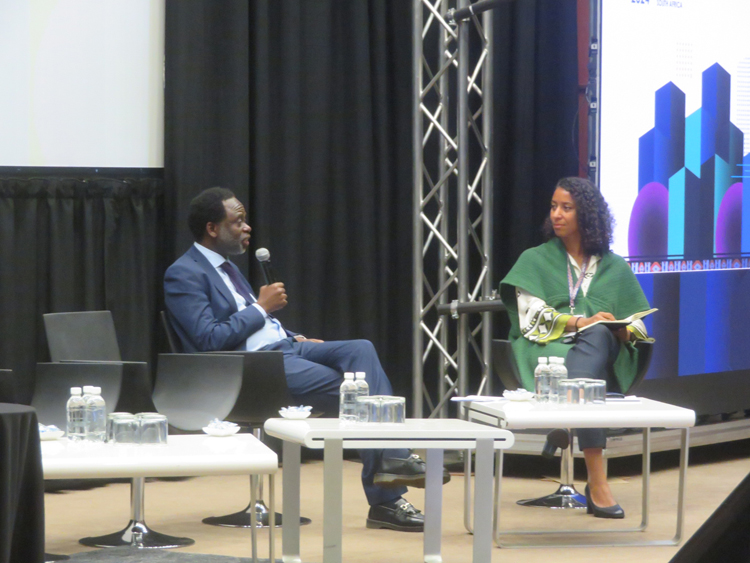
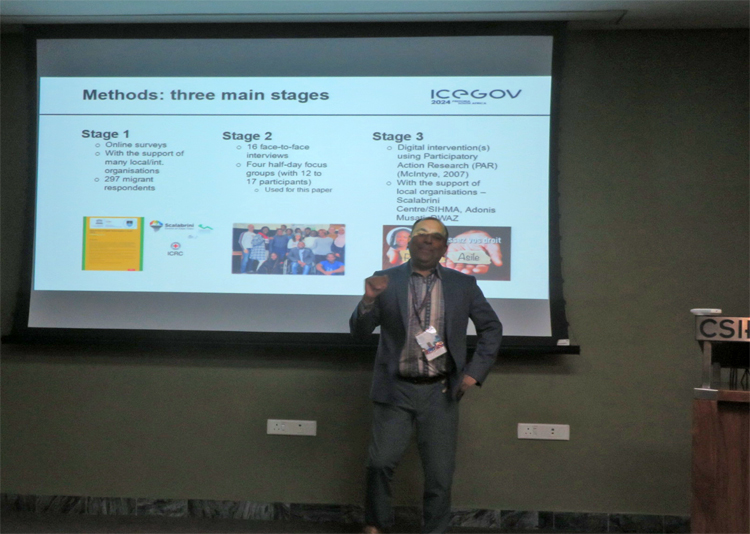
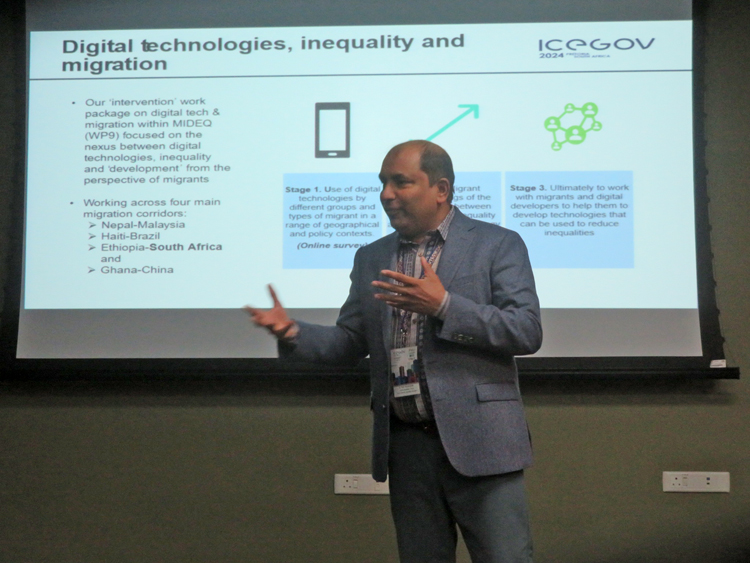
“Hari” Harindranth and Tim Unwin from the ICT4D Collective were delighted to have had the opportunity to participate actively in this year’s ICEGOV (International Conference on Theory and Practice of Electronic Governance) held in Pretoria from 1st to 4th October, and convened by our good friends at UNU EGOV, under the patronage of South Africa’s Department of Public Service and Administration, and organised jointly with the Univeristy of the Witwatersrand and South Africa’s Centre for Public Service Administration. The organising committee created a very convivial atmosphere, in which we were able to meet with acquaintances from the past and also made many new friends from across the world. On a more personal level, it was great being able to walk to and from the conference centre at CSIR every day which served to keep us fit, and we had just about adjusted to the altitude (c.1350 m) by the time we had to leave!

We were kept busy by the organisers, chairing a third of the conference’s paper sessions between us! Hari was joint session chair for two of the conference sessions (click on link for the detailed programme):

Tim was joint chair for (click on link for the detailed programme):

Hari also presented a joint paper on behalf of Maria Rosa Lorini and Tim on Mitigating Risks: Safe, Wise and Secure Use of Digital Technologies by Migrant Communities in South Africa. To our delight, this was one of three papers nominated by the conference panel for the best ongoing research! The proceedings will be published in digital format only as part of the ACM International Conference Proceedings Series (ICPS) so watch out for this if you want to read the full paper.

Highlights of the conference included keynotes by Prof. Tshilidzi Marwala (Rector of the UNU) on Digital Cooperation: International Governance of Emerging Technologies & the Global Digital Compact, and by Prof. Judy Dlamini (the Chancellor of Wits University) who gave an inspiring closing keynote. We were also richly entertained to a traditional South African braai and music at ithe conference dinner, where together we all sought to put to rights the world of global digital governance!

Particular thanks are due to the entire organising team, and especially to the tireless Flávia Barbosa who did so much behind the scenes to make our participation in the conference so productive and enjoyable.

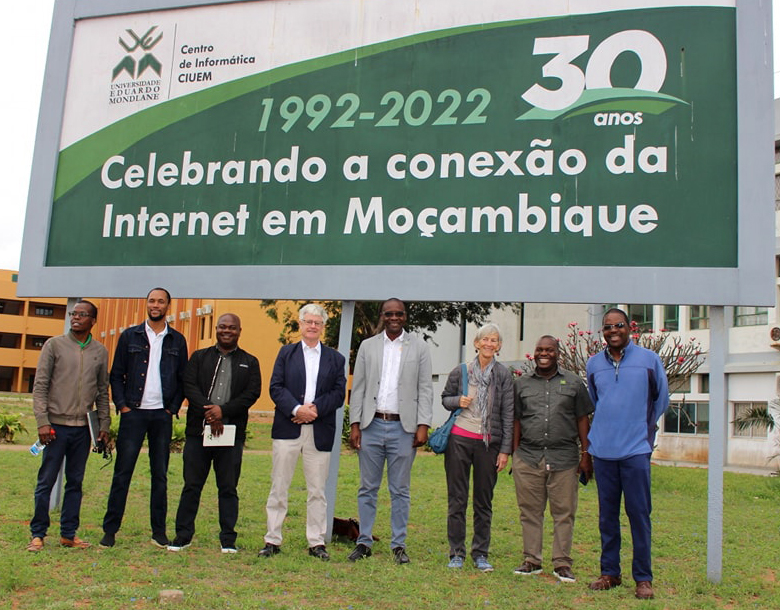
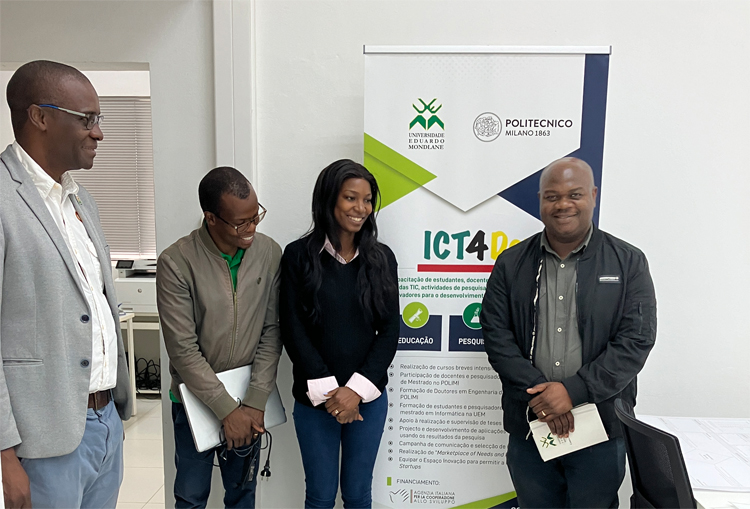
MoU signed with CIUEM, Mozambique

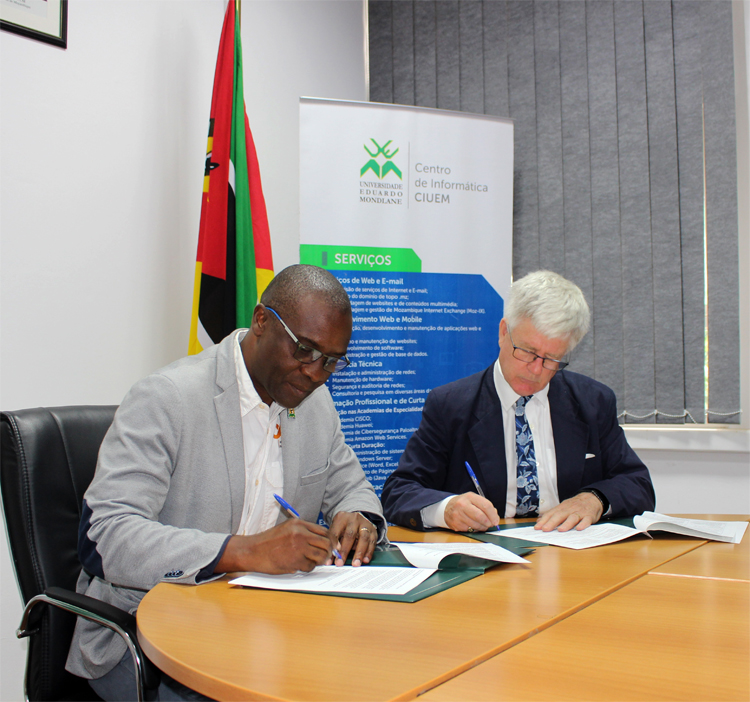
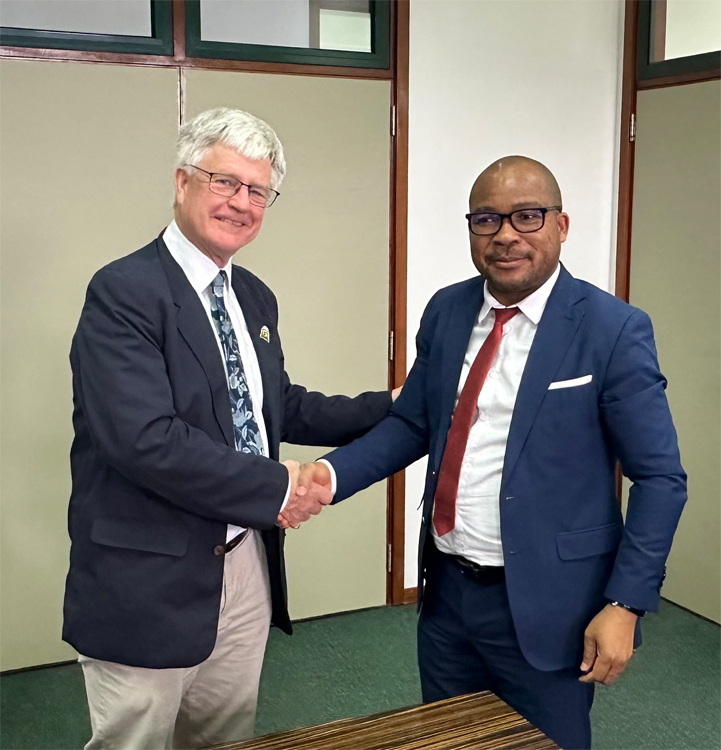
Professor Luis Neves Domingos and Tim Unwin signing a partnership Memorandum of Understanding between the Centro de Informática da Universidade Eduardo Mondlane (CIUEM), Mozambique, and the ICT4D Collective on Monday 30th September 2024 in Maputo.

The ICT4D Collective is delighted to have signed its latest partnership agreement with the Centro de Informática da Universidade Eduardo Mondlane (CIUEM) at Eduardo Mondlane University in Maputo. This agreement builds on collaboration between the two organisations over more than 20 years, which began during the UK Government’s Imfundo initiative, and was then taken further through the Africa ICT4D university network that was funded by the UK’s Development Partnerships for Higher Education (DelPHE) scheme supported by DFID and the British Council, and subsequently by European EDULINK funding. This agreement has the following main intended outputs:

  • High quality research and practice on digital technologies, inequalities, social change and international development 
  • Joint workshops and conferences to explore aspects of the inter-relationships between digital technologies, inequalities, social change and international development  
  • Research visits and exchanges between partners, especially to enhance the experiences of early career researchers
  • Joint strategic interventions designed to enhance the wise and appropriate use of digital technologies, especially by marginalised communities and individuals
  • Joint research grant applications to relevant funding agencies and research councils
  • Policy recommendations on areas of mutual interests

More specifically, our work together will focus on developing and sharing local language training resources on the safe, wise and secure use of digital tech, and will initially concentrate on disseminating these resources to Community Radio stations through the agency of the Centro de Apoio à Informação e Comunicação Comunitária.

Signing this agreement also provided an opportunity for both Neves and Tim to discuss with the Rector of Eduardo Mondlane University, Prof. Dr. Manuel Guilherme Junior, further ways in which closer collaboration between Mozambican and UK-based researchers and practitioners in the field of digital tech for development can be developed in the interests of some of the poorest and most marginalised people in Mozambique.

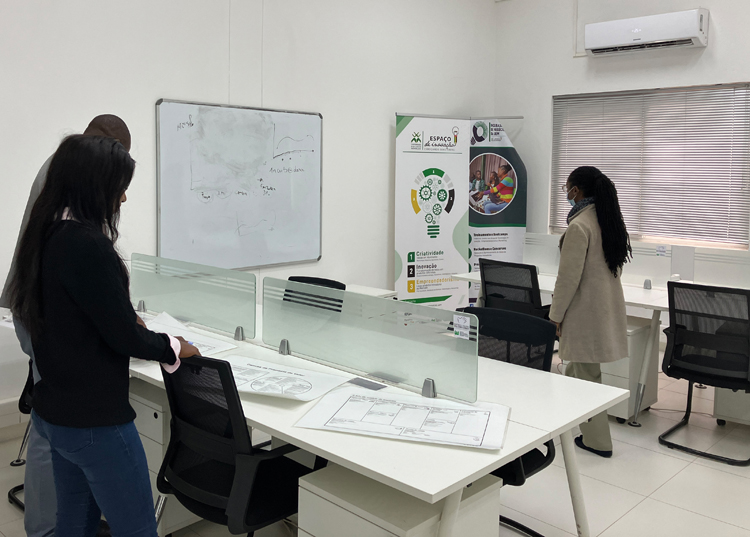
This was also an excellent opportunity to learn more about the CIUEM’s recent achievements, and the exciting new facilities that they are developing, especially in the field of of digital engtrepreneurship and capacity development.