

Hari Harindranath and Tim Unwin (supported by our advisory board member Dr. Ettie Unwin) visited our colleagues and migrant organisations in Kathmandu and Pokhara between 23rd and 30th July to carry forward our work with them on crafting digital tech interventions to enhance the lives of migrants and their families as part of the MIDEQ Hub. The main organisations with which we are currently working are: AMKAS, AuraEd, Gandaki University Pokhara, GSMA, Hamropatro, Helvetas SaMi (and the Migrant Resource Centre in Pokhara), National Innovation Centre (NIC), NEST in Pokhara, NISER, NNSM, PNCC, Pourakhi, and the UNESCO Office in Kathmandu.
In Kathmandu we facilitated work in three areas:
- Finalising details with them of a portal to bring together existing information of relevance to migrants so that they can readily gain reliable advice on all aspects of migration. There are many existing apps and websites relating to migration for Nepali citizens, not least the advice provided by the government. However, migrant organisations told us early on in our work with them that there was a real need for such a one-stop-shop, and we have been supporting them as they have been creating this portal together with local tech developers. This is due to be launched in December 2023, and the migrants also made some short videos that will be used to promote the portal in advance of the launch.
- A second element of work suggested by the organisations was the need for basic training guidance for migrants in multiple languages used in Nepal on the safe, wise and secure/private use of digital tech. Following the development of a training programme earlier in 2023, along with guidance notes on how the slide deck can be used, migrants rquested a more basic set of information. Having produced this before our visit, we tested it out again in Kathmandu, and following some further revisions this is now being translated into relevant languages, and will also be availabe at the launch in December.
- The visit also provided an opportunity to meet with colleagues from different organisations based in Kathmandu, primarily to explore ways through which these resources can best be disseminated, notably the Government of Nepal’s Foreign Employment Bureau, the ILO Office in Kathmandu, and the UNESCO office in Kathmandu. We are very grateful for their strong support and the advice that they have given us. It was also good to meet with Nayan Pokhrel who has led on the translation of our work, and has provide much useful information about Nepal for us.
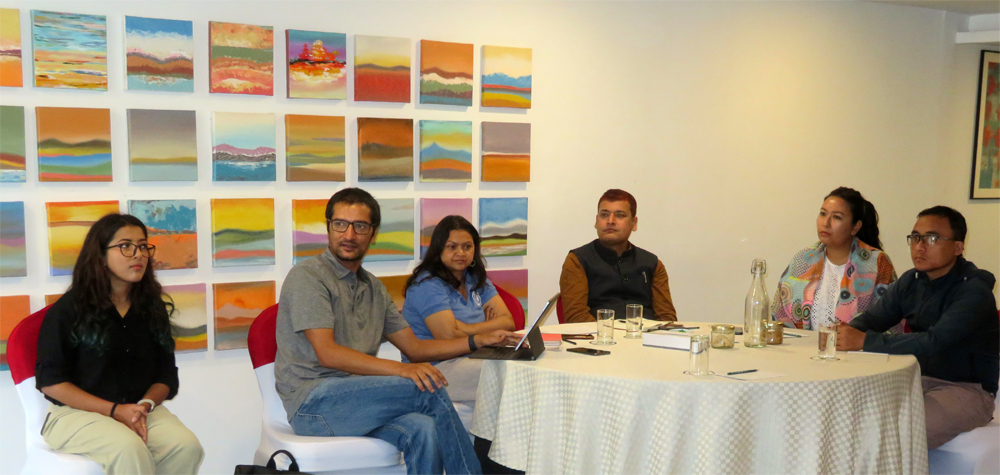
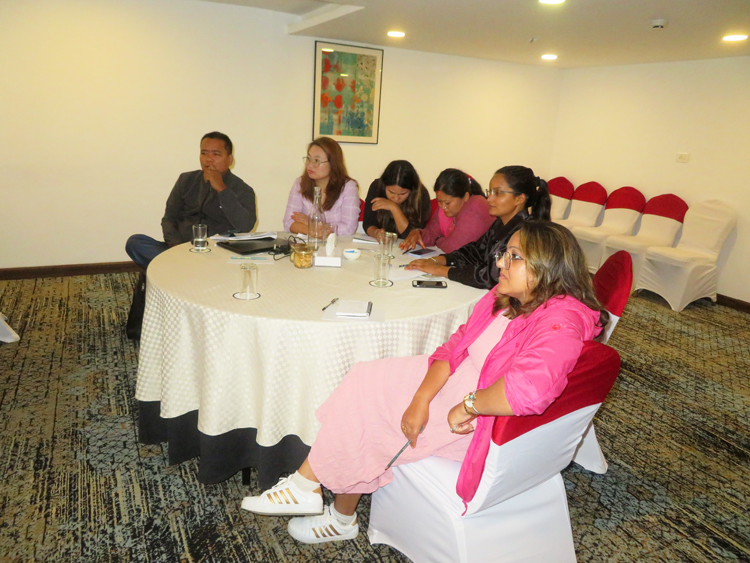
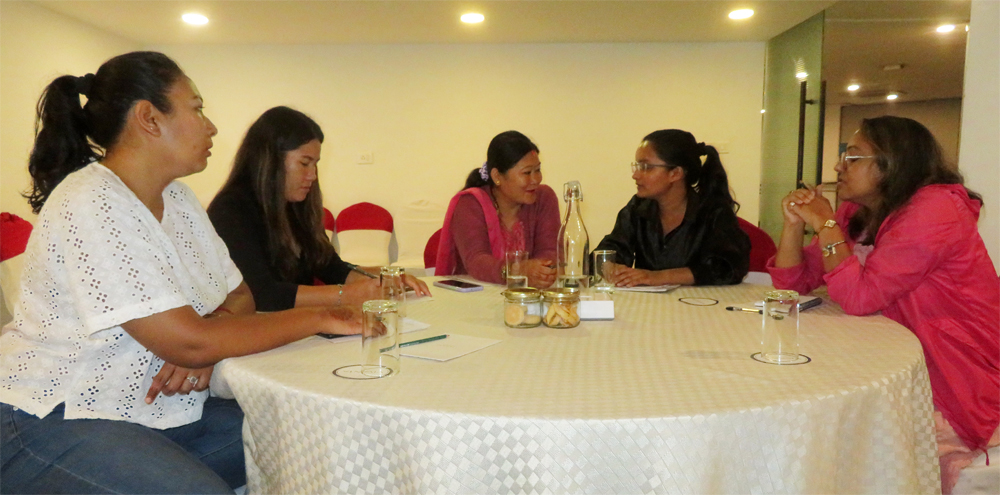

In Pokhara, we followed a similar pattern of work including:
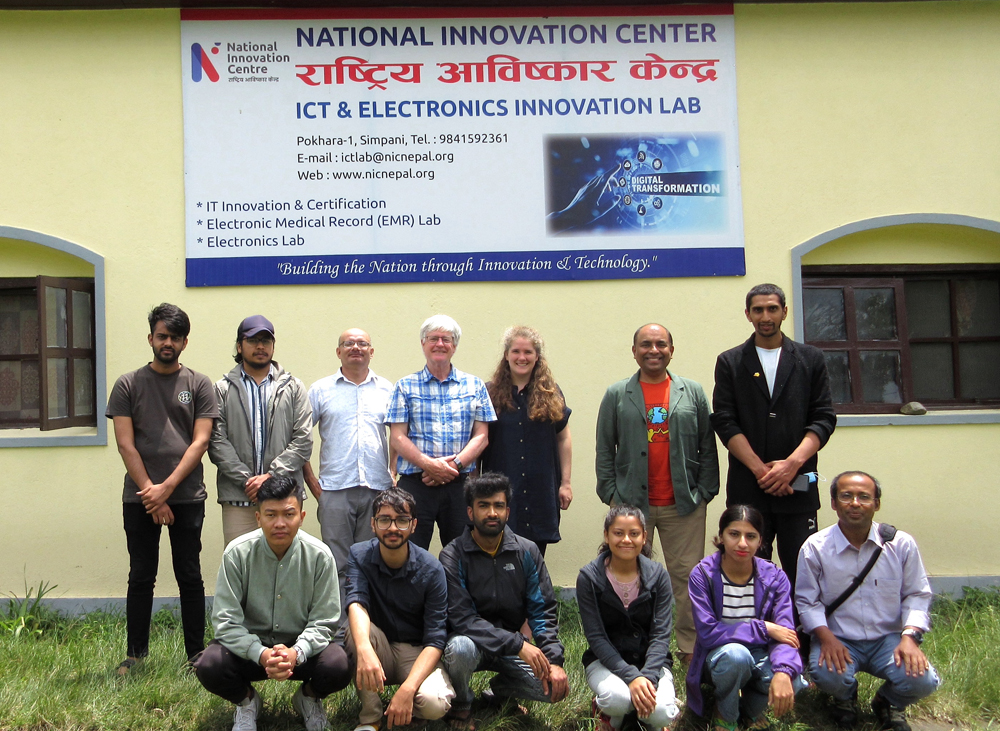
- Meetings with our partners at Gandaki University as well as those involved in training young people in digital skills at the National Innovation Centre’s ICT & Electronics Innovation Lab, and staff at Gandaki Medical College and hospital.
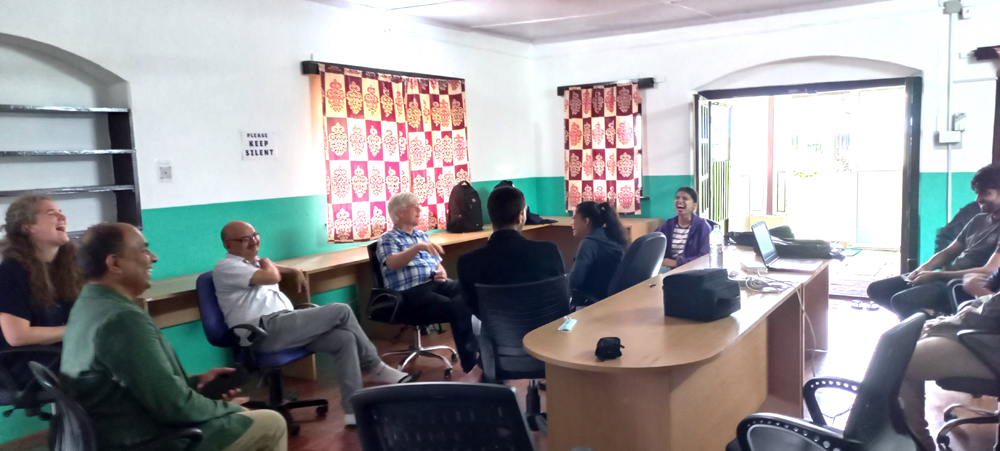
- A review session on the basic training deck we have been creating together on the safe, wise and secure use of digital tech, with colleagues from Gandaki University, the MRC in Pokhara, and NEST in Pokhara.
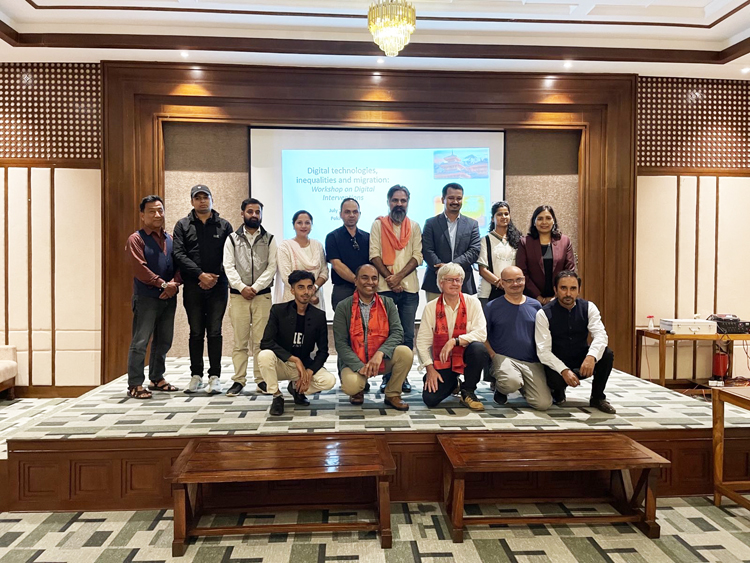


We were also grateful to have an opportunity to see some of the wealth of cultural heritage of Nepal, especially around Patan Durbar Square and Kathmandu Durbar Square which have been so lovingly restored after the earthquake of 2015.

 ICT4D Collective